Recently, the University convened two events to recognize faculty and staff who are celebrating a decade increment of employment at Rutgers. We are delighted to announce that more than 25 of our colleagues were included in the festivities and hope you join us in congratulating them on these accomplishments:
On May 13th, 2016, Dana Library hosted its second annual staff development day which was centered on exploring the question, “What does it mean to be a user centered academic library in the 21st century?” A “user centered” library was defined as one that optimizes the library experience around how users can, want, or need to use it, rather than forcing the users to change their behavior to accommodate it. Impending renovations to our third floor and the concurrent Rutgers University Library master facilities planning process for an overall building renovation prompted the need for us to take a critical look at where we are now in terms of services, collections and space and where we envision ourselves to be in the future. The full day agenda included invited speakers from the Rutgers University–Newark (RU-N) Division of Student Affairs representing the Office of ADA Services and Veteran Affairs, Counseling Services, and Judicial Affairs, and Student Development/Educational Programming, along with the Rutgers University Center for Organizational Leadership and Development.
After a brief welcome and introduction to the day, the RU-N Division of Student Affairs started the program of events off with a highly informative and engaging session on student wellness and campus safety. The Dana faculty and staff learned more about the resources and processes concerning our students’ care and well-being while attending RU-N. Topics covered include the Campus Awareness Response and Education (CARE) Team, ADA Services, and understanding student behaviors. The latter portion of the presentation included an interactive role play activity based on the five basic styles for conflict management. This experiential activity, was entertaining—we identified a number of potential Emmy award winning actors amongst us—and allowed us to more easily identify conflict styles, along with potential methods to manage them.
The Dana faculty had already been engaged in a data gathering process to inform our self-analysis. The remainder of the morning consisted of presenting the data collected and compiled, sharing demographic information about the community we serve, and getting a detailed look at the services we provide, along with usage data. The information shared in the presentations served as background and context for the facilitated small group discussions regarding our services that took place in the afternoon. Recognizing that our services are for the most part centralized with little room for experimentation, faculty and staff discussed services that we would continue, those that might be discontinued or tweaked, and the potential for creating new services. The afternoon was full of rich and seemingly robust discussion evidenced by the resulting recommendations.
The activities of the 2016 Dana Staff Development Day serve to move us closer to the user centered library we aspire to be, as we become more aware and self-reflective of how we interact with our users and each other. Our work continues as we take action on those recommendations that can be easily realized in the short turn and enfolding those with long term implications into future goals for our library.
I hope you all enjoyed the Townhall meeting last week. It was great to see so many of our colleagues virtually and in-person and to review all the ways we’ve moved forward on the priorities we identified at the State of the Libraries in the fall. The presentation by the architects provided us with a glimpse of how the spaces in our libraries are currently configured providing a baseline for planning for the changes that will meet the needs of the students and faculty. The LibQUAL+ survey results give us insight into what our users really think of the services we provide – which are necessary or optional, where we meet their expectations and where we don’t. Together, these provide us with a strong foundation for planning.
We are coming up with ways to share all the graphs and comments from LibQUAL+ with the Libraries’ faculty and staff, so look for this soon. I expect this will generate a lot of discussion and activity for us all, but in the meantime, with Memorial Day behind us and the summer yawning ahead, I wanted to take a breather and look back at one of the most popular and fun events the Libraries take part in…Rutgers Day!
As you all know, Rutgers Day was expanded to Newark and Camden this year, in addition to sites in New Brunswick at Busch and College Ave. Each site celebrated the day a little differently, but across the board, I heard nothing but praise for our displays and activities. Thank you for taking the time to make the Libraries’ contributions to Rutgers Day exceptional in every way.
From Newark bringing a bona fide Star Wars actor to campus and showcasing the activities of the archivists and IJS, to Camden collaborating with the public library branch to bring touches of superhero whimsy to campus, to New Brunswick inviting some impressive student athletes to read in our children’s reading corner—major effort went into making sure the Libraries’ booths and stands stood out from the crowd. Thank you to all of the volunteers who took time out of a sunny weekend day to participate in Rutgers Day and a special thanks to the members of the Rutgers Day committee who put it all together!
Most of us only get to see one part of Rutgers Day, so I hope you enjoy the photographs below.
Thank you,
Kris
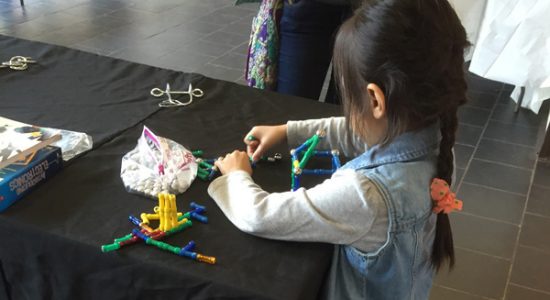
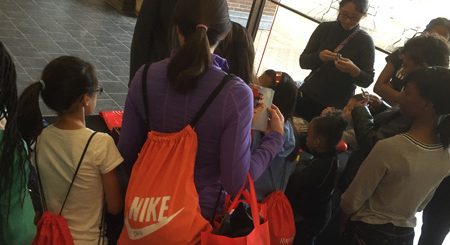
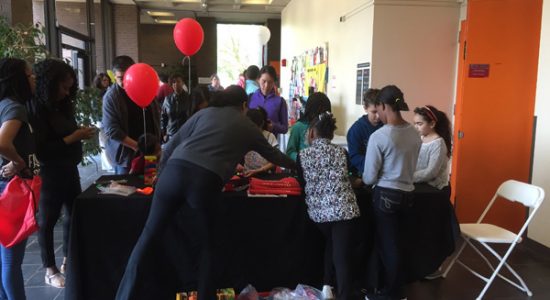
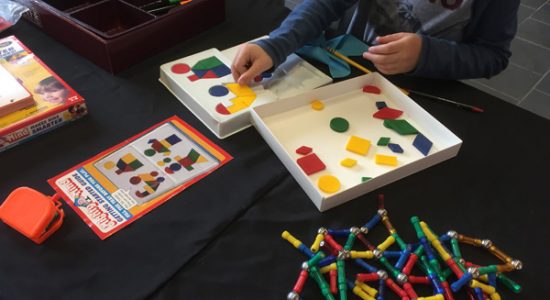
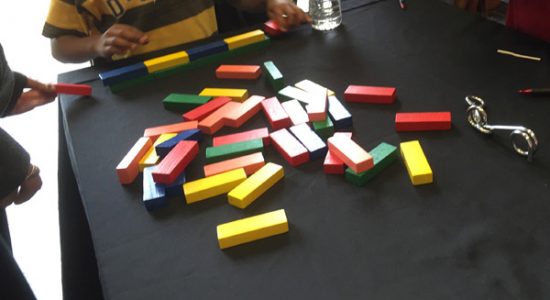
Hands-on Rutgers Day activities on the Busch campus.
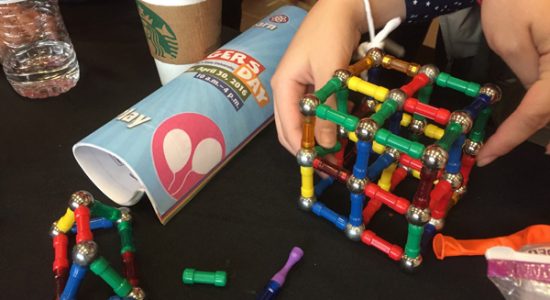
Hands-on Rutgers Day activities on the Busch campus.
Hands-on Rutgers Day activities on the Busch campus.
Hands-on Rutgers Day activities on the Busch campus.
Hands-on Rutgers Day activities on the Busch campus.
Hands-on Rutgers Day activities on the Busch campus.
Hands-on Rutgers Day activities on the Busch campus.
Hands-on Rutgers Day activities on the Busch campus.
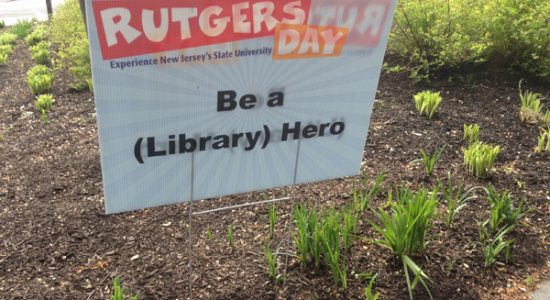
Promotion for the Libraries at Rutgers Day Camden.
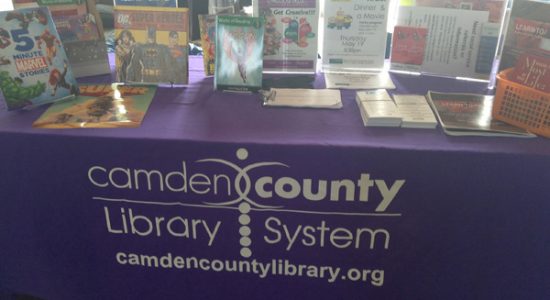
Robeson partnered with the county library system for Rutgers Day.
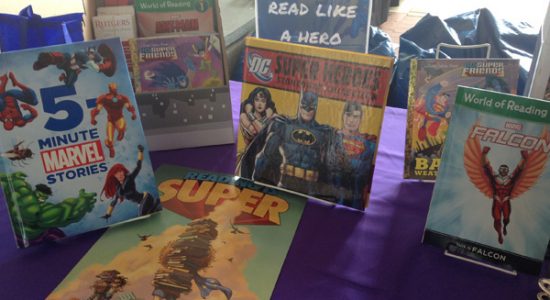
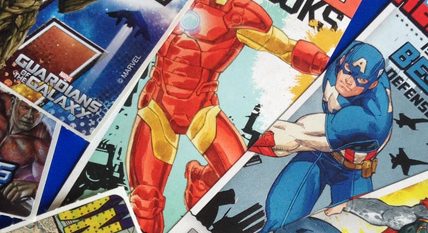
A super hero theme ruled the day at Rutgers Day Camden.
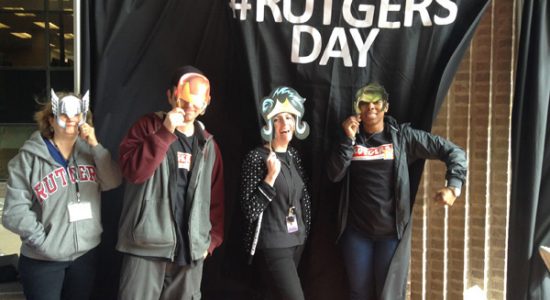
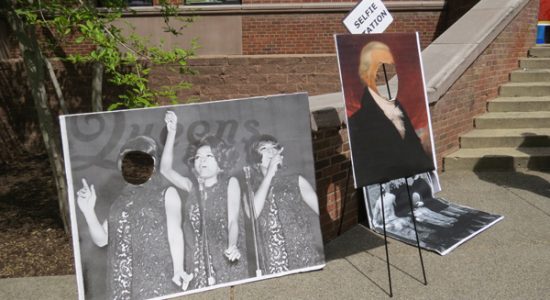
The selfie station so visitors can be a hero for the day.
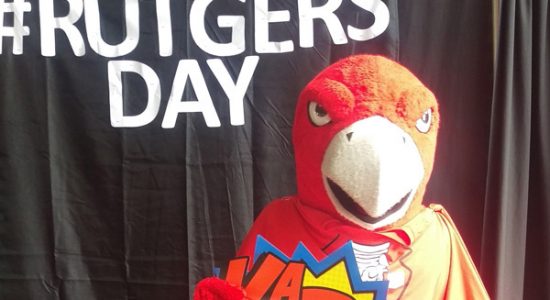
Even the raptor got in on the action.
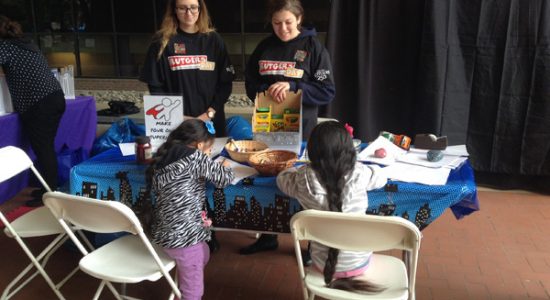
Lots of activities for children at Rutgers Day Camden.
Natalie Bembry won a Kindle Fire at Rutgers Day Camden.
Can you guess which Robeson faculty or staff are behind the masks?
Many super hero giveaways from Rutgers Day.
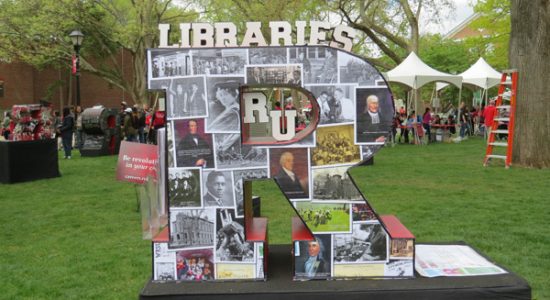
Our 250-themed R was a hit at Rutgers Day Newark.
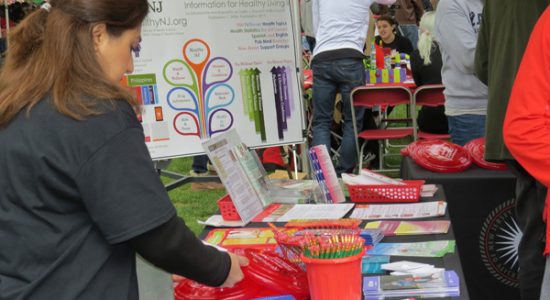
RBHS Librarians were on hand to give out frisbees and information about HealthyNJ.
The selfie station featured masks of Yoda, Darth Vader, and many other Star Wars characters.
We collected entries for another Kindle Fire in New Brunswick.
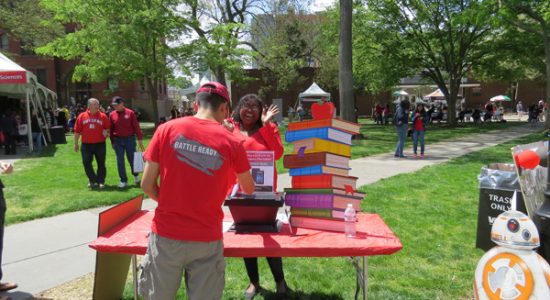
The children’s reading booth was busy throughout the day.
Life-sized cardboard characters completed the Star Wars theme.
The prize wheel is always a hit.
Stacey Carton was on-hand to show off the Libraries’ 3D printer.
Rutgers 250 cutouts from Special Collections and University Archives.
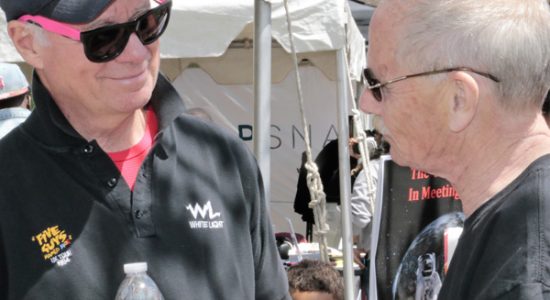
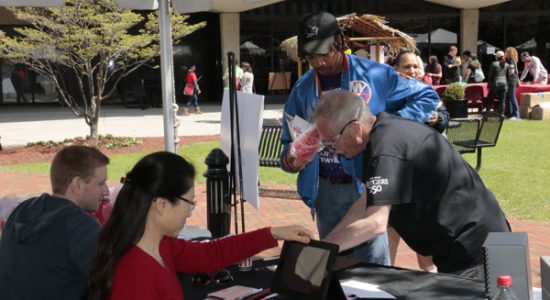
Consuella Askew and Tad Hershorn at Rutgers Day Newark.
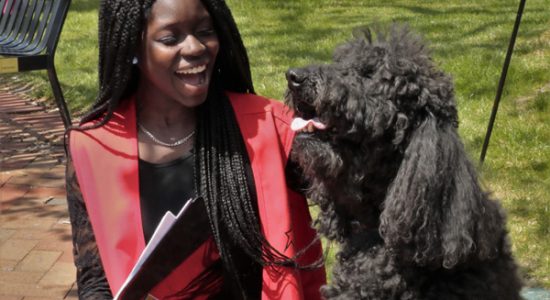
Hendrix the therapy dog visited the Libraries’ tables.
Star Wars actor and jazz author John Morton added some star power to the day.
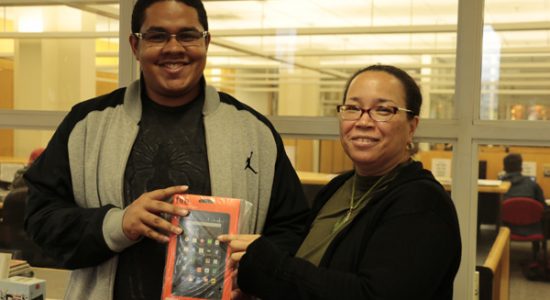
Another happy Kindle Fire giveaway winner from Rutgers Day Newark.
Krista White, Consuella Askew, and Dorothy Grauer at Rutgers Day Newark.
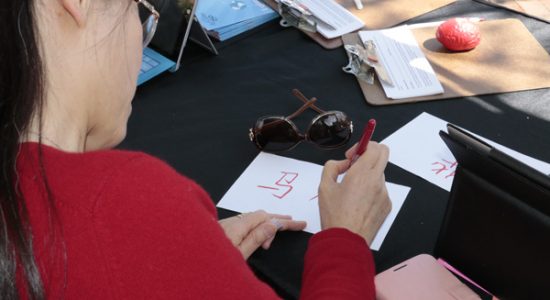
Wen-Hua Ren leads a session on Chinese character writing.
Wen-Hua Ren leads a session on Chinese character writing.
Thank you to our Rutgers Day volunteers:
Busch:
Students:
Jenali Patel
Jacek Zmuda
Faculty & Staff:
Mei Ling Lo (Chair)
Camden:
Students:
Amanda Deptula
Alex Carrigan
Faculty & Staff:
Zara Wilkinson (Chair)
Julie Still
Vibiana Cvetkovic
Monique Whittle
John Gibson
Melinda Aviles
Theresa Macklin
New Brunswick:
Joe Abraham
Matt Badessa
Marty Barnett
Isaiah Beard
Jeanne Boyle
Stacey Carton
Henry Charles
Judith Cohn
Peggy Dreker
Melissa Gasparatto
Marianne Gaunt
Mina Ghajar
Erika Gorder
Bela Gupta
Pam Hargwood (co-chair)
Zachary Johnson
Melissa Just
Kim Kaiser
Rob Krack
Linda Langschied
Tara Maharjan
Jackie Mardikian
Jim Niessen
Erica Parin (co-chair)
Jessica Pellien
Tonie Perkins
Roselyn Riley
Kati Ritter
Sheridan Sayles
Connie Wu
Tao Yang
Katrina Zwaaf
Newark:
Consuella Askew
Dorothy Grauer
Maggie Harris-Clark
Tad Hershorn (chair)
James McElroy (Graduate student, assistant to IJS Associate Director Adriana Cuervo)
Mark Papianni
Vincent Pelote
Marlene Reilly
Chris Singh
Wen-Hua Ren
Elizabeth Surles
Ann Watkins
Krista White
If your name does not appear on this list and you volunteered at Rutgers Day, please email Jessica Pellien to have it corrected.
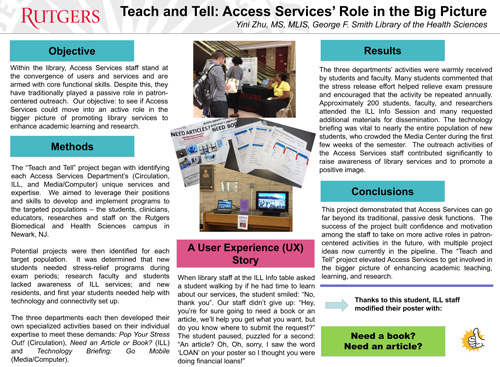
Within the library, Access Services staff stand at the convergence of users and services and are armed with core functional skills. Despite this, they have traditionally played a passive role in patron-centered outreach. Our objective: to see if Access Services could move into an active role in the bigger picture of promoting library services to enhance academic learning and research.
Methods
The “Teach and Tell” project began with identifying each Access Services Department’s (Circulation, ILL, and Media/Computer) unique services and expertise. We aimed to leverage their positions and skills to develop and implement programs to the targeted populations – the faculty, students, clinicians, educators, and staff on the Rutgers Biomedical and Health Sciences campus in Newark, NJ.
Potential projects were then identified for each target population. It was determined that new students needed stress-relief programs during exam periods; research faculty and students lacked awareness of ILL services; and new residents, and first year students needed help with technology and connectivity set up.
The three departments each then developed their own specialized activities based on their individual expertise to meet these demands: Pop Your Stress Out! (Circulation), Need an Article or Book? (ILL) and Technology Briefing: Go Mobile (Media/Computer).
Results
The three departments’ activities were warmly received by students and faculty. Many students commented that the stress release effort helped relieve exam pressure and encouraged that the activity be repeated annually. Approximately 200 students, faculty, and researchers attended the ILL Info session and many requested additional materials for dissemination. The technology briefing was vital to nearly the entire population of new students and crowded the Media Center during the first few weeks of the semester. Via these outreach activities, the Access Services staff contributed significantly to raising awareness of library services and promoting a positive library image.
Conclusions
This project demonstrated that Access Services can go far beyond its traditional, passive desk functions. The success of the project built confidence and motivation among the staff to take on more active roles in patron-centered activities in the future, with multiple project ideas now currently in the pipeline. The “Teach and Tell” project elevated Access Services to get involved in the bigger picture of enhancing academic teaching, learning, and researching.
Authors: Margaret Rush Dreker, Roberta Bronson Fitzpatrick
Objectives
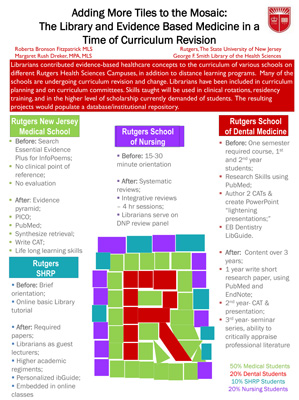
Librarians contributed evidence-based medicine curriculum. The CATs project provides instruction on basic EBM concepts: the evidence pyramid and levels of evidence, formulating a searchable clinical question, using the PICO format, searching PubMEd. Articles were read, synthesized, and turned into a CAT. These skills will be used in clinical rotations and residency. The resulting CATs would populate a database/institutional repository.
Methods
Medical students enrolled in their “Foundations” course were simultaneously enrolled in an “Evidence Based Medicine” Moodle course. Module 2 covers developing searchable clinical questions, breaking them into a PICO format and selecting from among the available library resources when conducting a search. Librarians have embedded exercises within the course. Students are divided into small groups and paired with a partner. The small groups convene in the library for one hour for more focused training on searching PubMed, as well as a quick review of concepts covered in the Moodle course. Students work with their partner to write a focused clinical question, break it down into PICO, connect to PubMed, execute a search, identify at least four relevant articles. They obtain the articles, read and synthesize them, and write a CAT with a clinical bottom line.
Results
An online form was developed and is used to write the CATs, which are submitted directly to the library and to the course director. The completed CATs are presented by each pair to their small group and preceptor. Medical school faculty preceptors have commented on the quality of scholarship exhibited, students’ facility with PubMed, and their understanding of article types and the PICO format exhibited during small group discussions. The library developed a relational database to house the completed CATs but is in discussion to import them into RUCore, the institutional repository.
Conclusions
There is a high degree of interest in this project. Students feel that they are developing a skill that has application for the duration of their career. Faculty and administrators are enthusiastic about the fact that this is not EBM in a vacuum, but for lifelong learners.
Authors: Roberta Bronson Fitzpatrick, Leslin Charles, Ann Watkins, Zara Wilkinson, Megan Lotts
Objectives
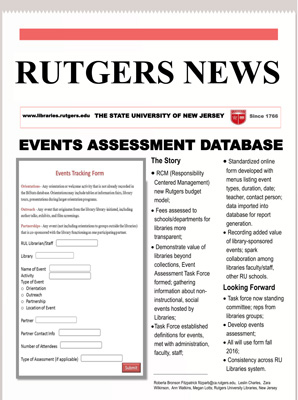
With the advent of RCM, Responsibility Center Management, as a new financial/budgeting model, fees assessed to schools or departments are more transparent. To demonstrate the value of the libraries beyond collections, an Events Assessment Task Force was formed to gather information about the non-instructional, more social, events hosted by the university libraries.
Methods
The Task Force began by establishing definitions for what constituted an “event”. Members solicited suggestions for event types, such as art shows, Lego building contents, book clubs, exhibits, guest lectures, health information fairs, stress buster activities, and more. There was discussion about the information that was useful to capture for each event, such as number attending, co-sponsorship with another group, time/date/location. An online form was developed. It has drop-down menus which list event types, duration, and other common elements, which make recording easier. The data will be imported into a database capable of report generation. The database is modeled after one currently in use for collecting bibliographic instruction data and reflects both AAHSL and ARL needs At each step of the process, Task Force members solicited comments from library faculty and staff who were involved with various events.
Results
As of this writing, the Events Assessment Task Force presented both the data collection form and the events database to USC, the User Support Council. Both were approved. The next step is to conduct local training sessions to familiarize library faculty and staff with the form and the database in order to acquaint them with all involved procedures and to gain their participation in the data collection.
Conclusions
In the process of developing the online data collection form and the database, it was interesting to note the many types of events hosted by Rutgers University Libraries. By recording the added value that the libraries bring to the university, it may spark more collaborative ventures among members of the libraries staff and with other schools/departments within the university.
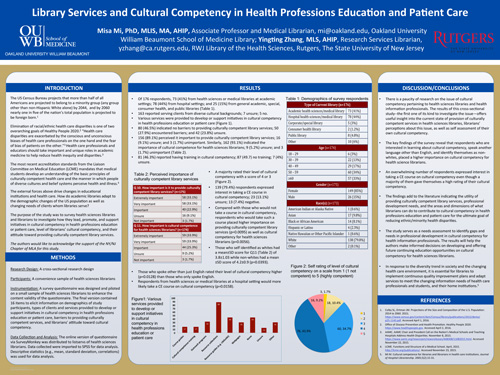
This study investigated how health sciences libraries provide services to lead, promote, and support initiatives in cultural competence in health professions education or patient care and to examine health sciences librarians’ opinions on cultural competence in relation to library services and professional development. The study serves as needs assessment for our goal to develop a continuing education course on cultural competency for health sciences librarians.
Methods
This is a quantitative research design. Data has been collected with a survey questionnaire including eliciting demographic information, addressing health sciences libraries’ status in provision of culturally competent services and librarians’ perceptions of the importance of cultural competence. The questionnaire was pilot tested with a convenience sample of health sciences librarians to enhance the validity and then administered via SurveyMonkey to MEDLIB-L subscribers of the Medical Library Association. Descriptive statistics were used to analyze the collected data.
Results
The survey results revealed that most of respondents (156, 89.1%) indicated the importance of provision of culturally competent library services. The majority of respondents (162, 93.1%) perceived the importance of cultural competence for health sciences librarians. 81 (46.3%) respondents reported to have training and 87 (49.7) indicated no past training experience in cultural competence. When asked if they were interested to take a CE course in cultural competence, 139 (79.4%) expressed their interest.
Conclusion
The research findings contributed to our understanding what types of library services are provided to develop or support cultural competency initiatives and how health sciences librarians perceive cultural competence for librarians. The results are useful for developing future continuing education courses.
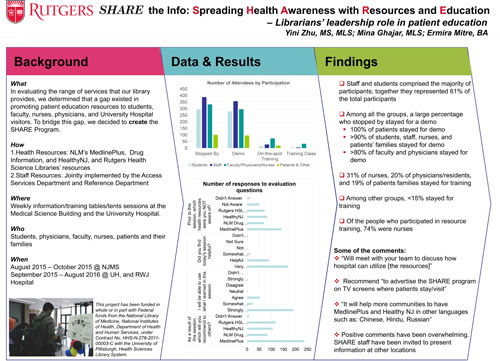
Despite the availability of various online patient education resources, the majority of physicians have not incorporated them into practice. The SHARE Program’s objective is to reach out to physicians, faculty, students, nurses, patients and their families to raise the awareness of consumer health information resources available through the National Library of Medicine and the Health Sciences Libraries at Rutgers University.
Methods
In evaluating our library services, we determined that a gap existed in promoting patient education resources. To bridge this, we decided to create the SHARE Program (Spreading Heath Awareness with Resources and Education).
First, we determined that this program should be jointly implemented by the Access Services and Reference departments due to their respective strengths in knowledge of library services and research instruction. Next, we agreed that our efforts should focus on promoting NLM’s MedlinePlus health and Drug Information, and HealthyNJ due to their comprehensive and authoritative information.
Finally we determined the format for SHARE would be weekly tables/tents at the Medical School and the University Hospital where we would conduct demonstrations and trainings and distribute specially designed SHARE Card, instructional and health literacy materials. Evaluation form and log sheet would be collected for program assessment and analysis.
Results
SHARE launched on August 26, 2015 and is slated to end on August 30, 2016. Evaluation forms and log sheets are being collected at each session to assess participant feedback and the resulting data are being analyzed and evaluated as they are collected. A detailed program report will be submitted to the NN/LM Grant Review Committee before May 14, 2016, and, if this topic is selected for MLA 2016, the results will also be submitted and included on the poster.
Conclusion
As this is an ongoing project, a conclusion is not available at this time. All collected data will be analyzed prior to MLA 2016, and a conclusion will be drawn by then.
Authors: Roberta Bronson Fitzpatrick, Margaret Rush Dreker
Objectives
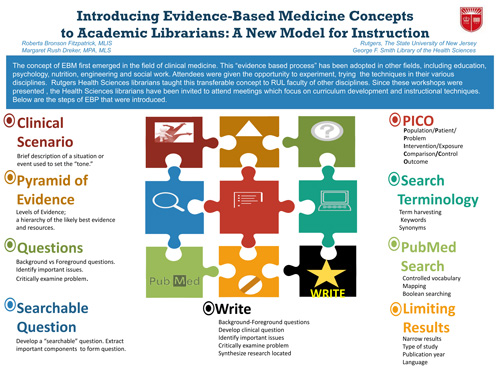
A poster describing a CAT-writing project was presented at the Rutgers University “State of the Libraries” meeting in 2014. It gained the attention of the Chancellor. At the conclusion of the discussion, he urged that transferrable concepts be taught to other RU librarians and incorporated within their instructional programs. A workshop was designed and presented in June and November 2015.
Methods
Specific elements of the CATs sessions were deemed to be transferrable to those providing instruction to students in the sciences and social sciences, as well as education and other disciplines. These include: foreground/background questions; writing a focused question; breaking a search question into the PICO format to assist with term generation, and the evidence pyramid. The workshop covered the CATs project as an example of a type of complete assessment, in that students must use the component skills to write their own CAT (Critically-Appraised Topic). Each of the noted transferrable concepts was covered. Attendees had time to come up with an example which would fit their subject audience and there a general discussion portion where ideas were exchanged on how to best incorporate these new skills into instructional programs.
Results
The workshops resulted in offers to teach collaboratively outside of our home campus. All attendees identified concepts which could be used directly so slightly modified to fit various disciplines. For example, article types listed in the evidence pyramid did not fit every discipline but librarians considered other types of resources, such as dissertations/theses and web sites/pages were listed in this format.
Conclusions
Rutgers University had few health sciences programs prior to 2013. Teaching the workshops was a good vehicle for informing our new colleagues about how instructional sessions are approached in the health sciences. It also allowed us to become part of the cadre of instructors and to be invited to attend meetings which focus on curriculum development and instructional techniques.
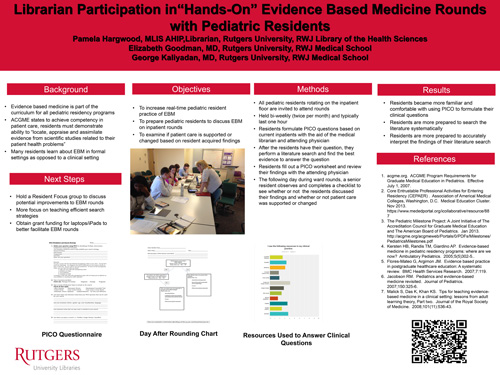
To describe the successful implementation of a project to increase the ability of pediatric residents at a medical school to practice evidence based medicine (EBM) in real time; examine if patient care is supported or changed based on the resident’s findings; and discuss the role of the medical school librarian in this process.
Methods:
In July 2014, the Department of Pediatrics implemented “hands-on ” inpatient EBM rounds to help pediatric residents learn how to better formulate clinical questions, locate relevant literature, and apply their EBM findings to patient care in “real time”. These hour long rounds take place bi-weekly and are held on inpatient wards. All pediatric residents rotating on the inpatient team are invited to attend the EBM rounds. The medial librarian and two pediatric faculty members assist the residents with formulating clinical questions based on the inpatients they are currently following and searching for an answer to their question. The residents summarize their search and findings using a PICO worksheet. The following day the residents are evaluated on whether or not they presented their EBM findings on attending rounds and if patient care was supported or changed based on these findings.
Results:
The pediatric residents became more familiar and comfortable with using PICO to formulate their clinical questions. They also are more prepared to search the literature systematically and interpret the findings of their literature search.




 On May 13th, 2016, Dana Library hosted its second annual staff development day which was centered on exploring the question, “What does it mean to be a user centered academic library in the 21st century?” A “user centered” library was defined as one that optimizes the library experience around how users can, want, or need to use it, rather than forcing the users to change their behavior to accommodate it. Impending renovations to our third floor and the concurrent Rutgers University Library master facilities planning process for an overall building renovation prompted the need for us to take a critical look at where we are now in terms of services, collections and space and where we envision ourselves to be in the future. The full day agenda included invited speakers from the Rutgers University–Newark (RU-N) Division of Student Affairs representing the Office of ADA Services and Veteran Affairs, Counseling Services, and Judicial Affairs, and Student Development/Educational Programming, along with the Rutgers University Center for Organizational Leadership and Development.