Objectives
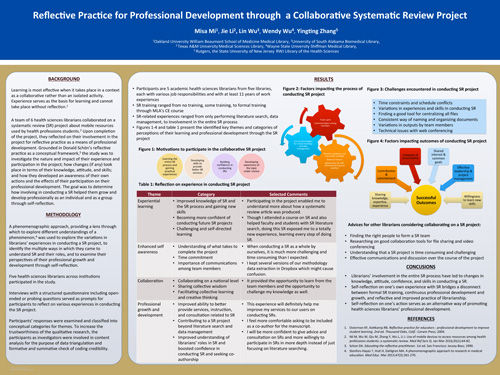
Learning is most effective when it takes place in a context as a collaborative rather than an isolated activity. Experience serves as the basis for learning and cannot take place without reflection. We formed a team of 6 health sciences librarians to conduct a collaborative systematic review (SR) project. Upon completion of the project, we reflected on our involvement in the project for reflective practice as a process of professional development. Grounded in Donald Schön’s reflective practice as a conceptual framework, the research study is to investigate the nature, impact of our participation in the project, how we came to understand our behavior, and how we developed an awareness of our own actions and the effects of our participation on our professional development. The goal is to understand what was involved in conducting a SR so that we can better understand how researchers would undertake a SR and hence serve them better.
Methods
A phenomenographic approach, which provides a lens through which to explore different understandings of a phenomenon, was used to explore the variations in which we experienced with the SR project, the multiple ways in which we came to understand SR, and the different roles we took in the process. Five health sciences librarians across different library settings participated in the study. Interviews were conducted with a structured questionnaire including open-ended or probing questions serving as prompts for participants to reflect on various experiences in the SR project. Participants’ responses will be analyzed with a qualitative approach to explore and capture a range of possible ways of conceptualizing and understanding what it took to undertake a SR. Responses will be classified into conceptual categories. To increase the trustworthiness of the research, the participants will be involved in the phenomenological analysis for the purpose of investigator triangulation.
Results
The participants have learned the entire SR process, and gained practical experiences with conducting a SR project. They have developed ability to provide better SR services, built confidence and developed awareness of the topic under review. They have also learned the importance of communications and collaborations among team members, sharing collective wisdom, and time commitment. In addition, they have improved understanding of librarians’ roles in SR and boosted confidence in conducting SR and seeking co-authorship.
Conclusions
Librarians’ involvement in the entire SR process have led to changes in knowledge, attitude, confidence, and skills in conducting a SR. Self-reflection on one’s own experience with SR bridges a disconnect between formal SR training, continuous professional development and growth, and reflective and improved practice of librarianship. Self-reflection on one’s action serves as an alternative way of promoting health sciences librarians’ professional development.
 Under the leadership of Chancellor Nancy Cantor, Rutgers University—Newark (RUN) is implementing a number of initiatives to advance the role of RUN as an anchor institution in the city. In the spirit of these efforts, in June 2014 I organized an informal group, the Brick City Archivists and Friends (BCAF), to bring together local archivists, librarians, and community members who care for and support historic collections.


 Join us as we celebrate Gary Golden’s incredible career at Rutgers University Libraries. The faculty and staff at Paul Robeson Library are planning a festive party to commemorate Gary’s retirement on June 6 at 12 p.m. Join them on the 2nd floor of the Robeson library for food and fun.




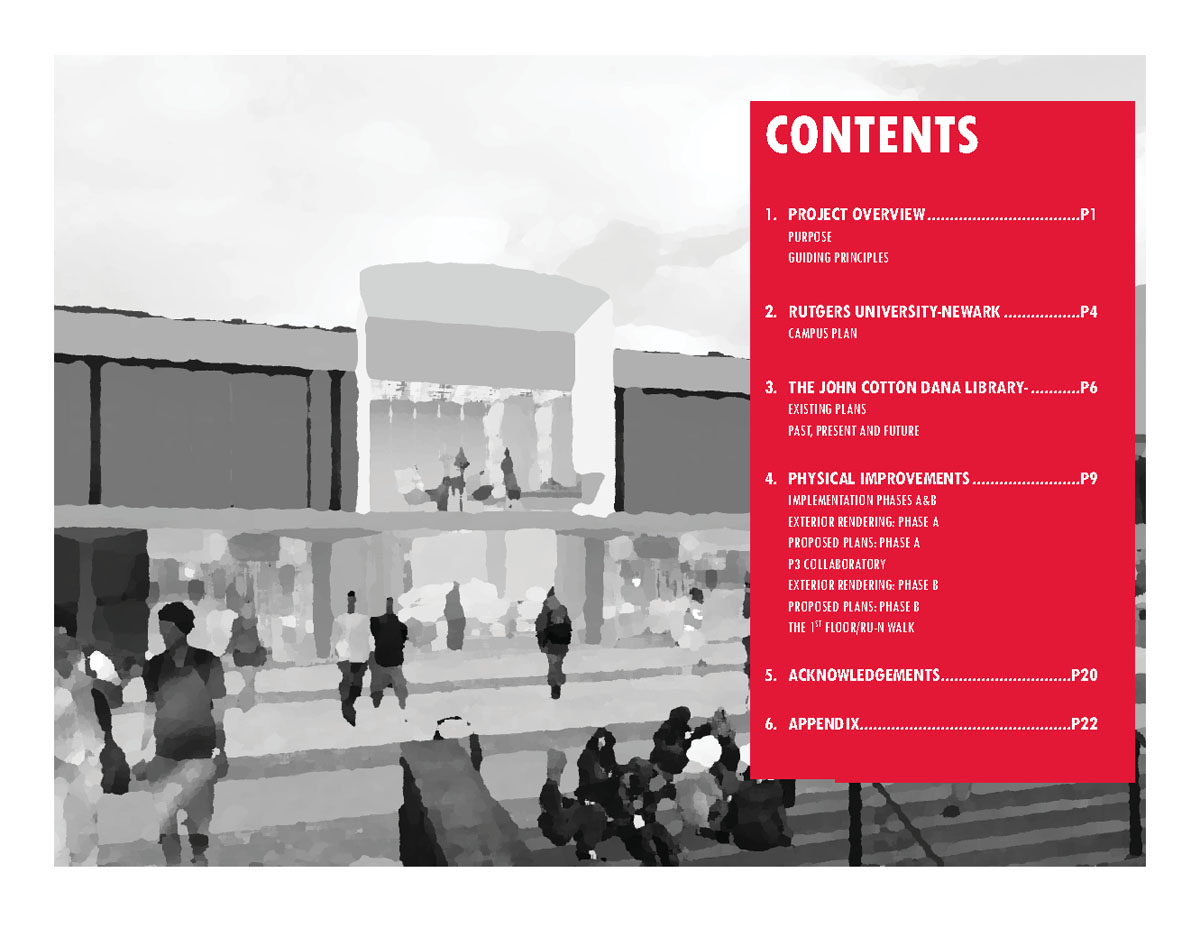
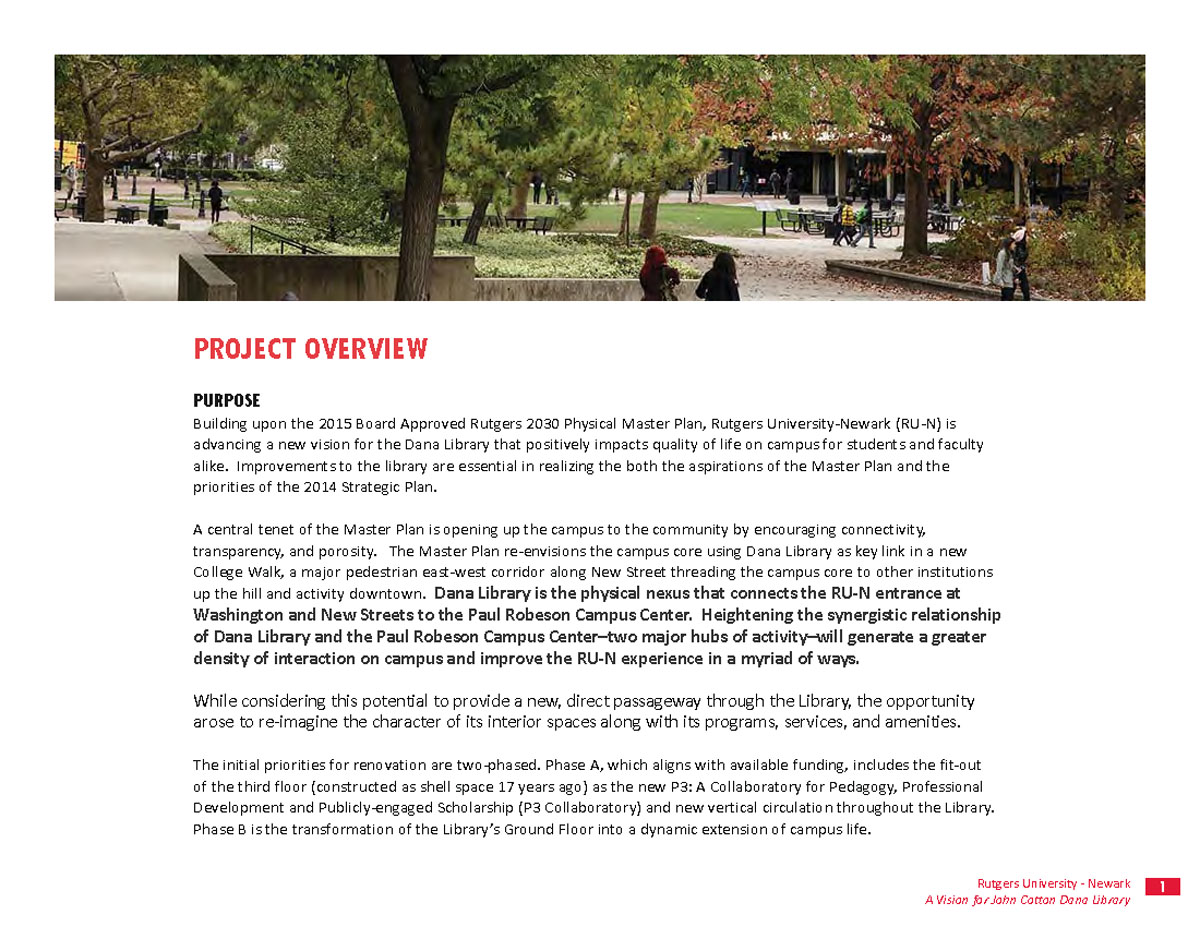
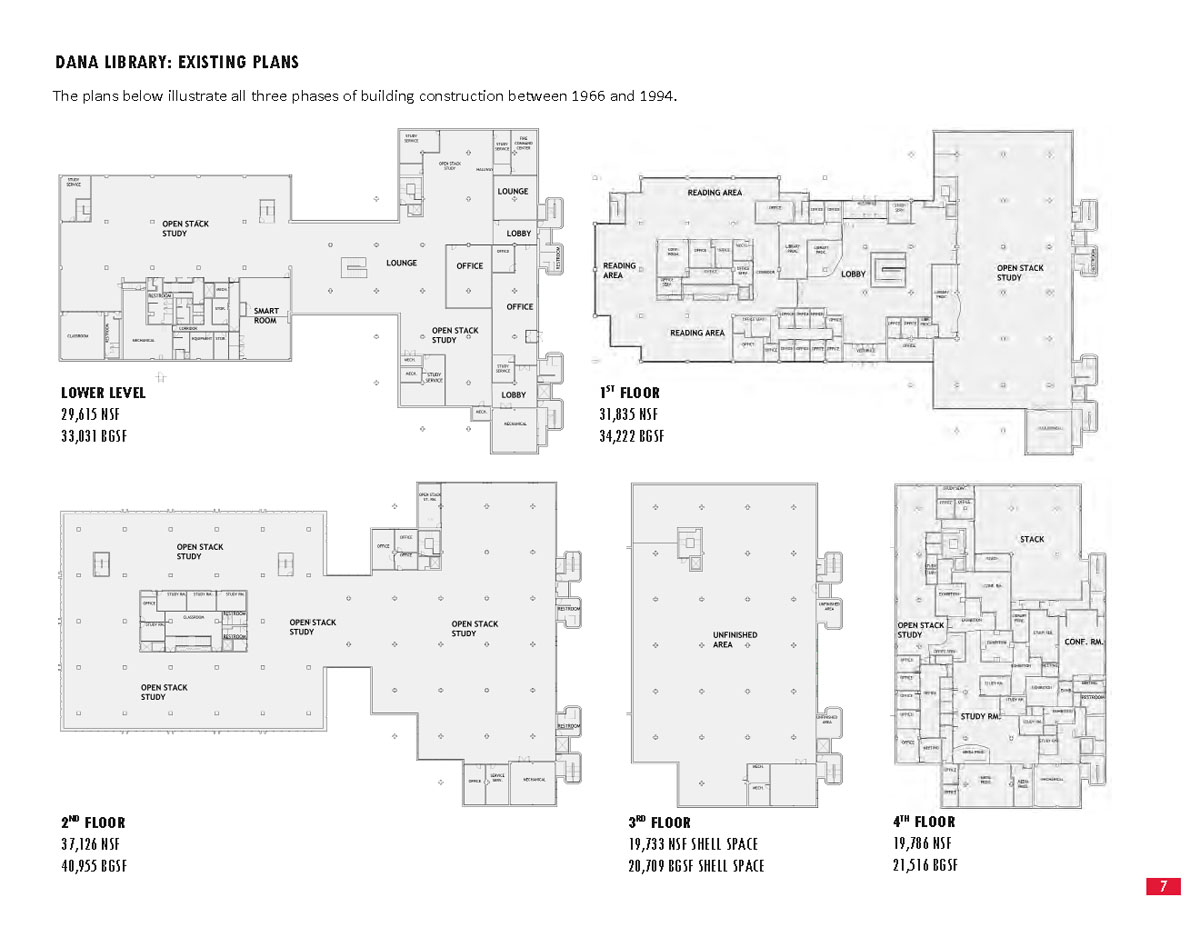
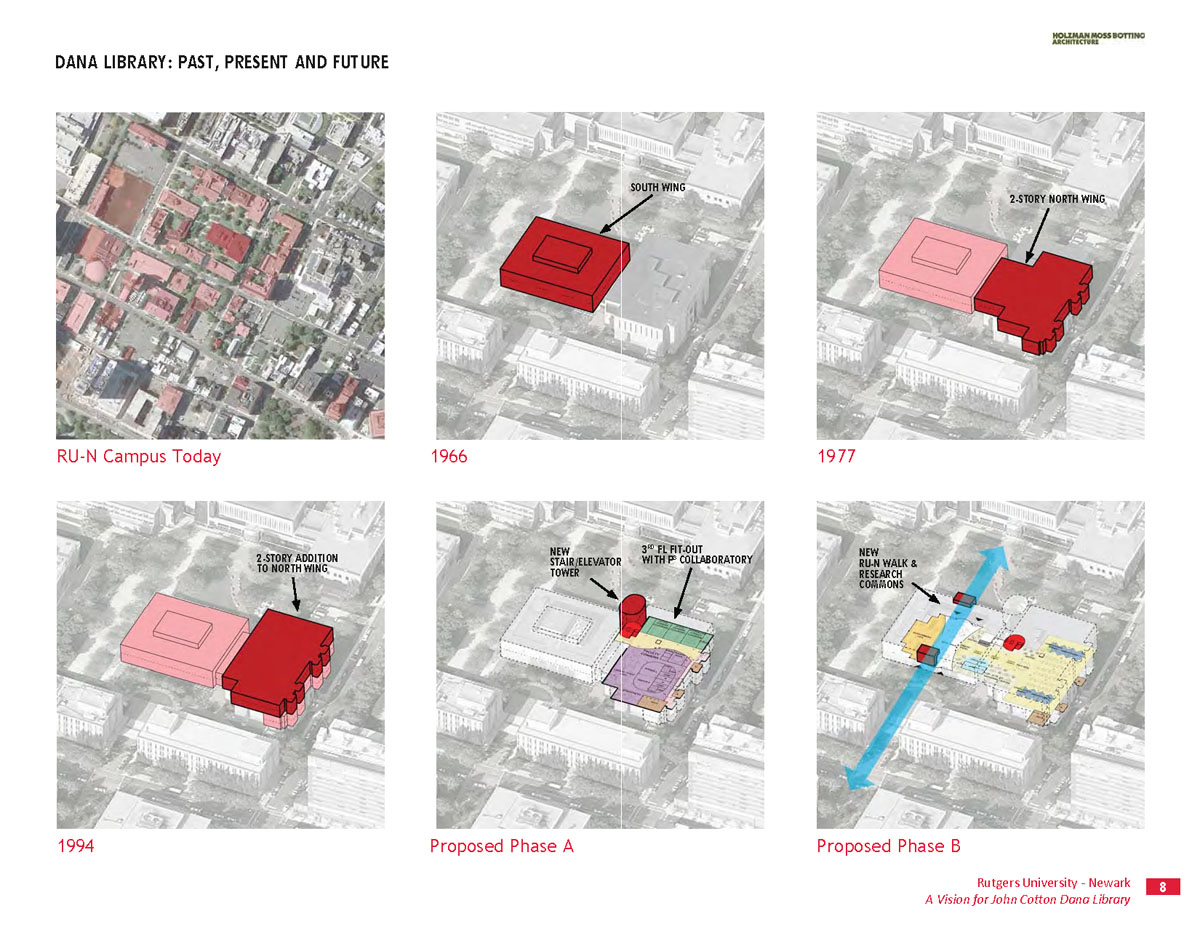
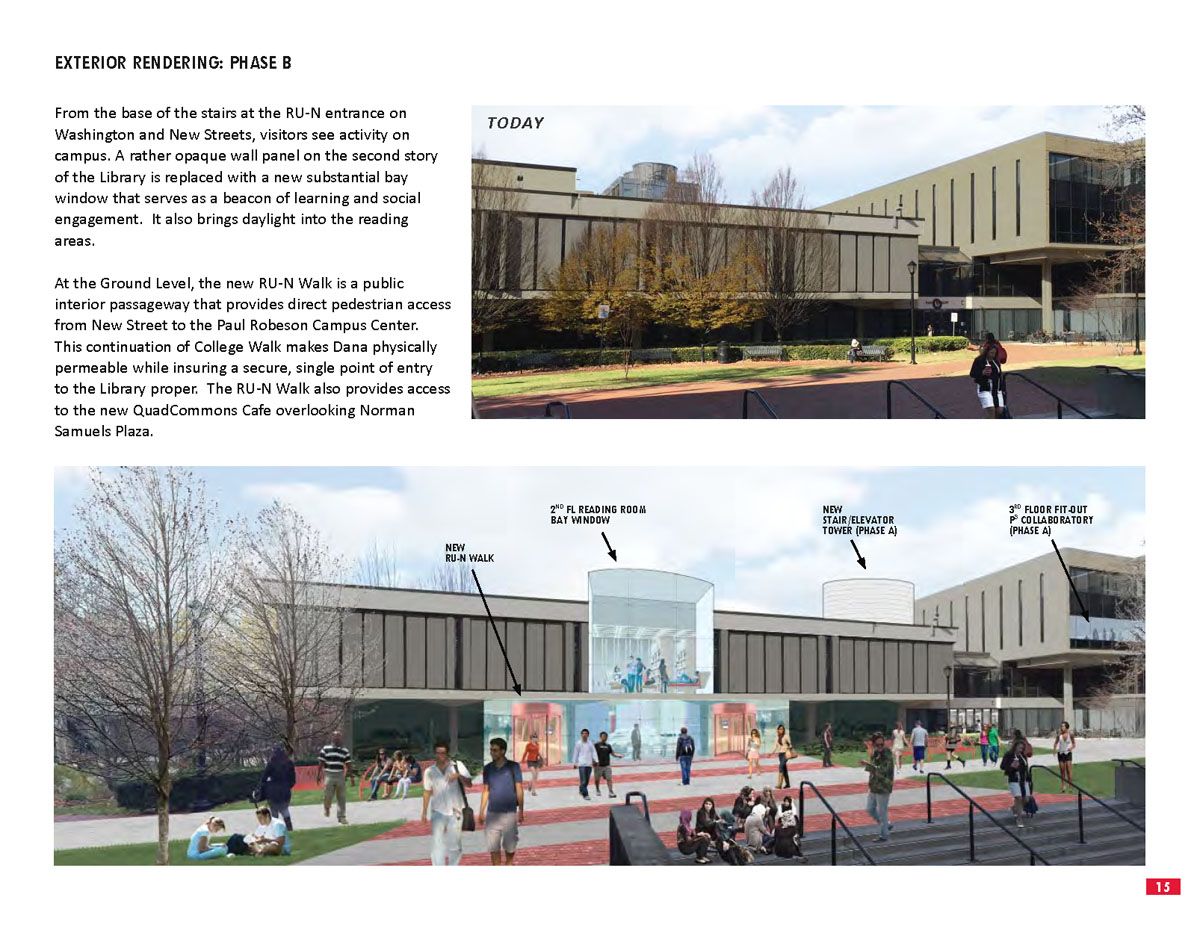
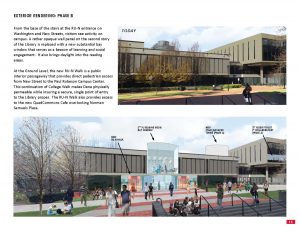 Building upon the Rutgers 2030 Physical Master Plan and the Rutgers University–Newark strategic plan, this project is one of two student-focused renovation and expansion projects to be included as part of the university’s capital improvement fund (CIF) grant.
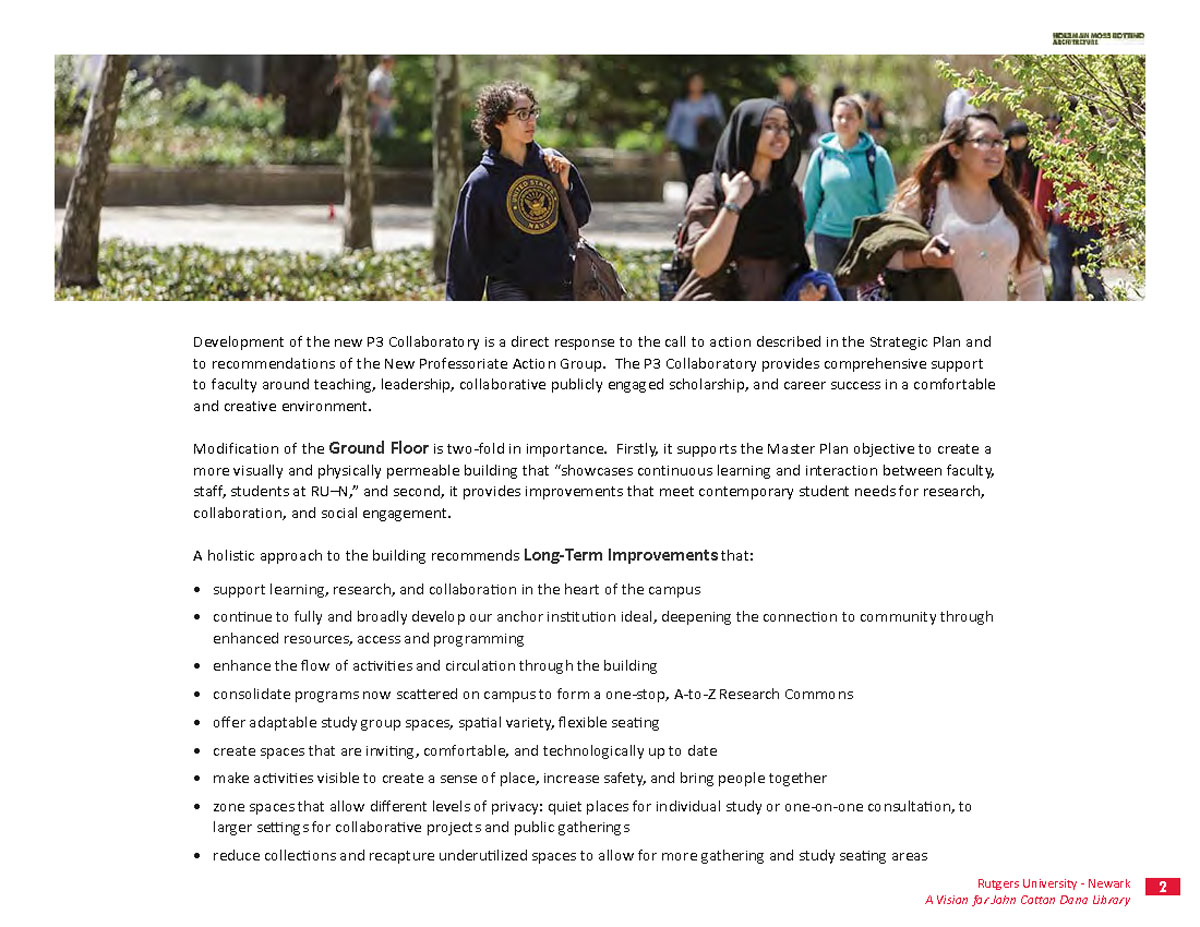
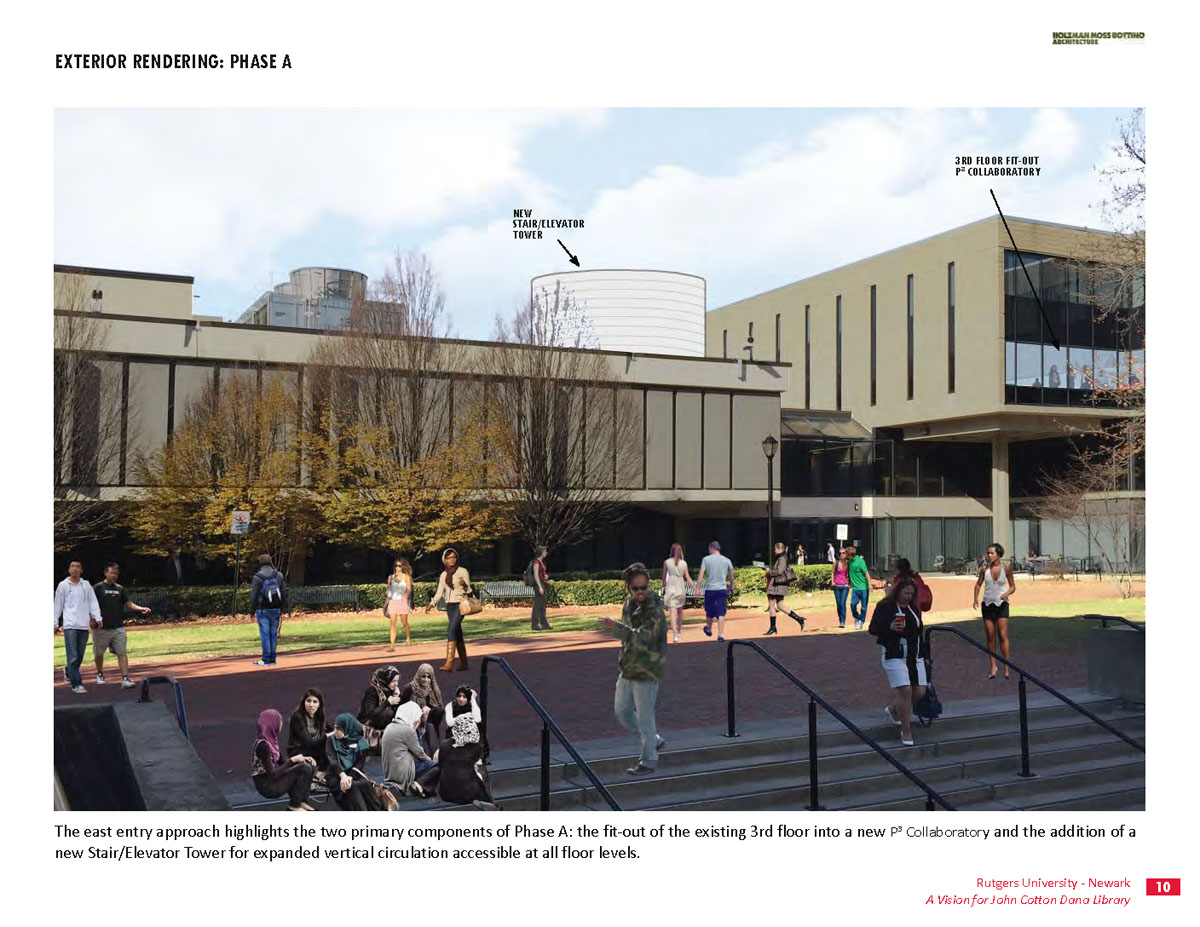
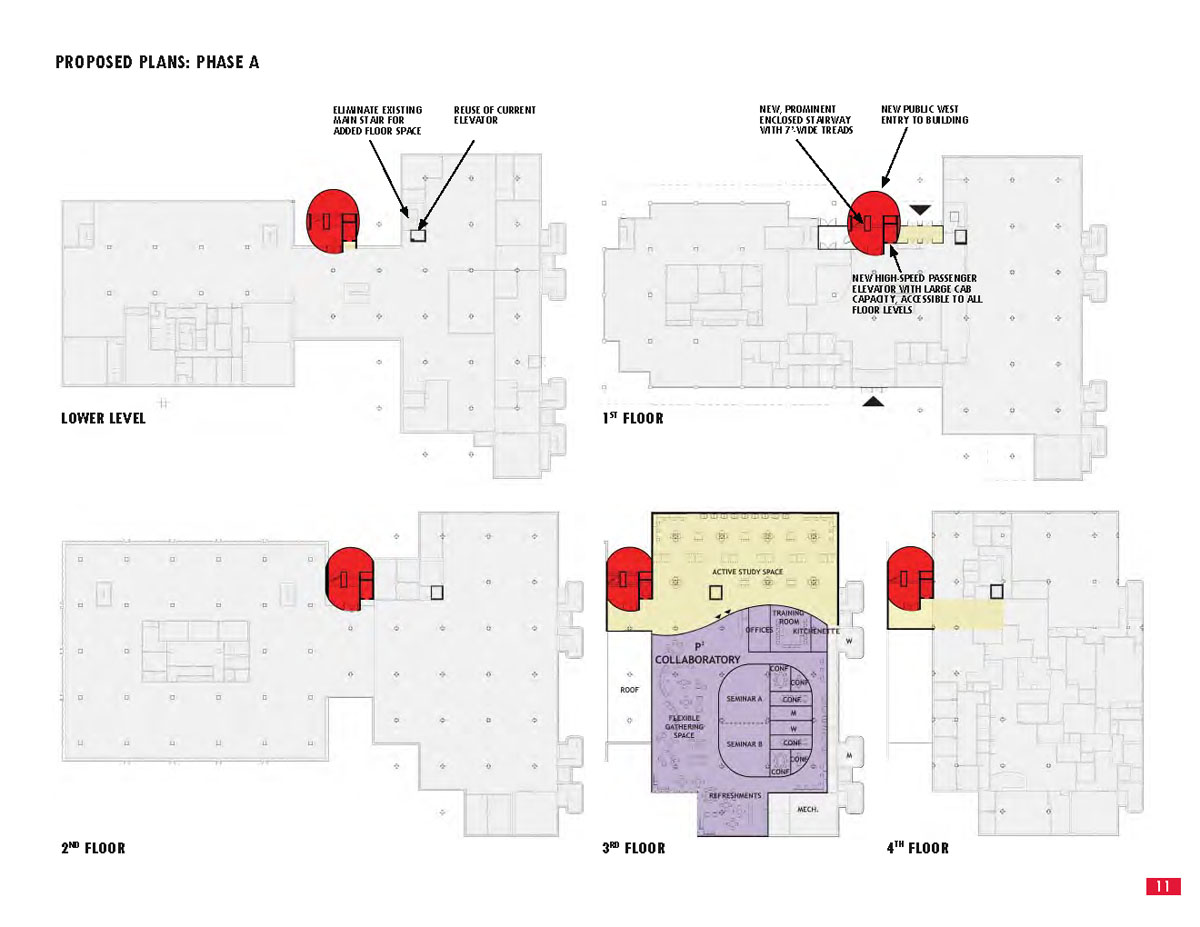
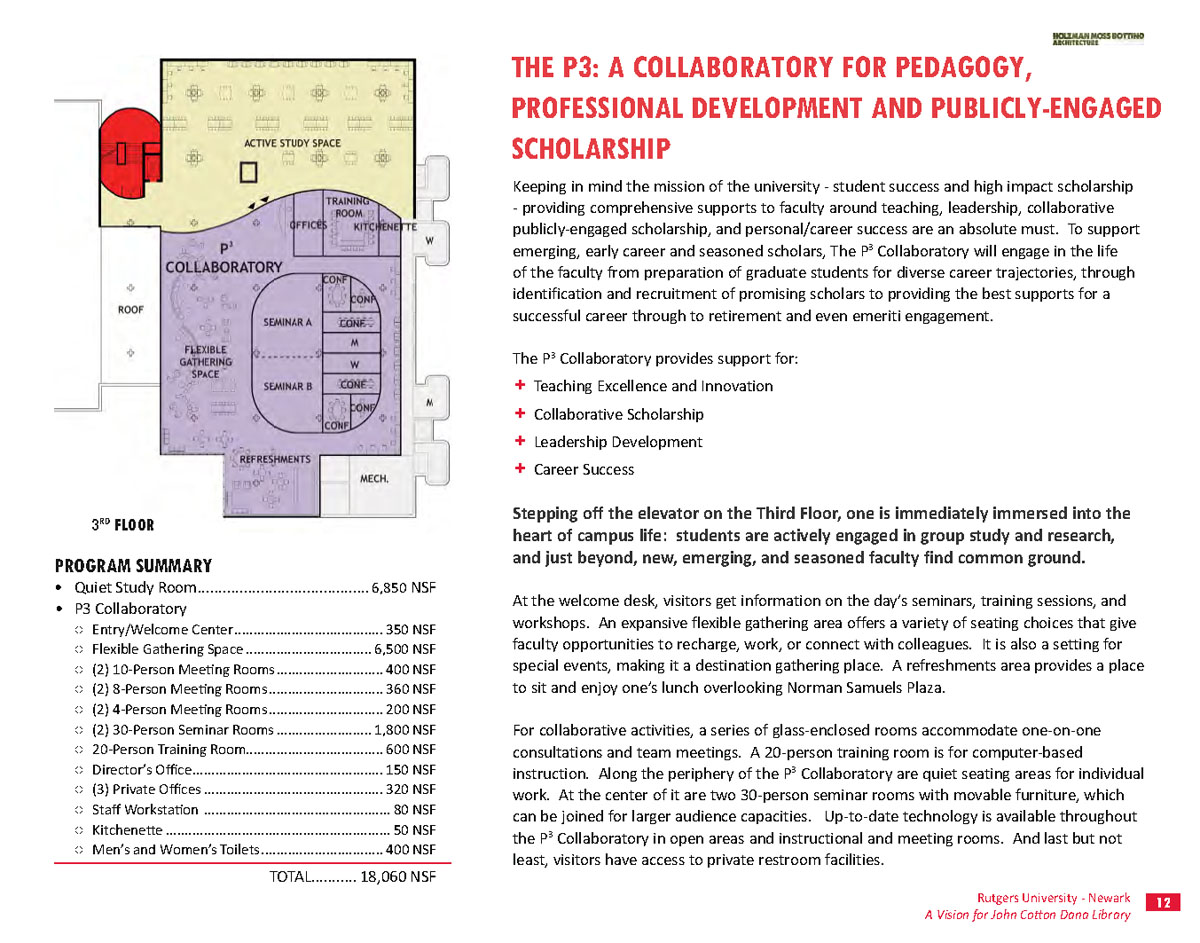
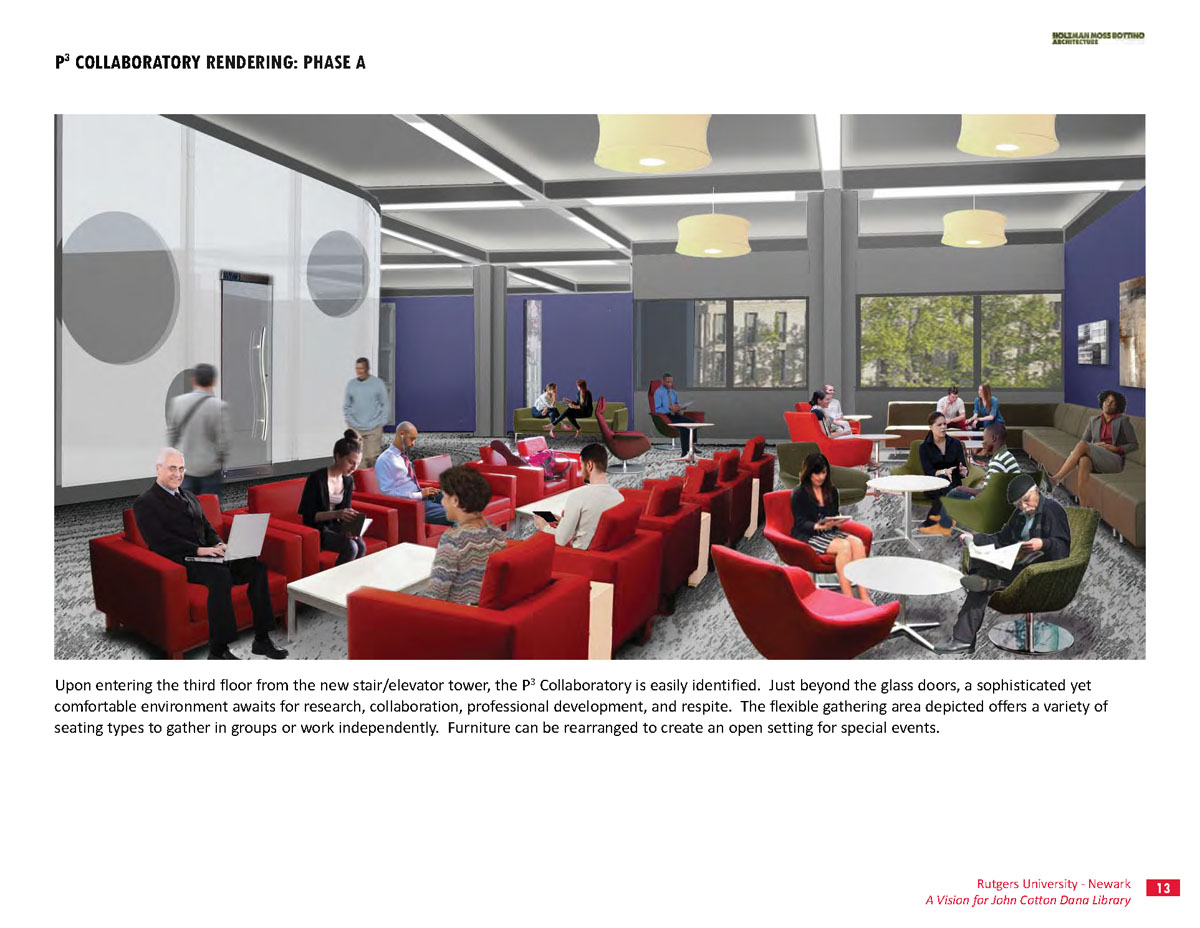
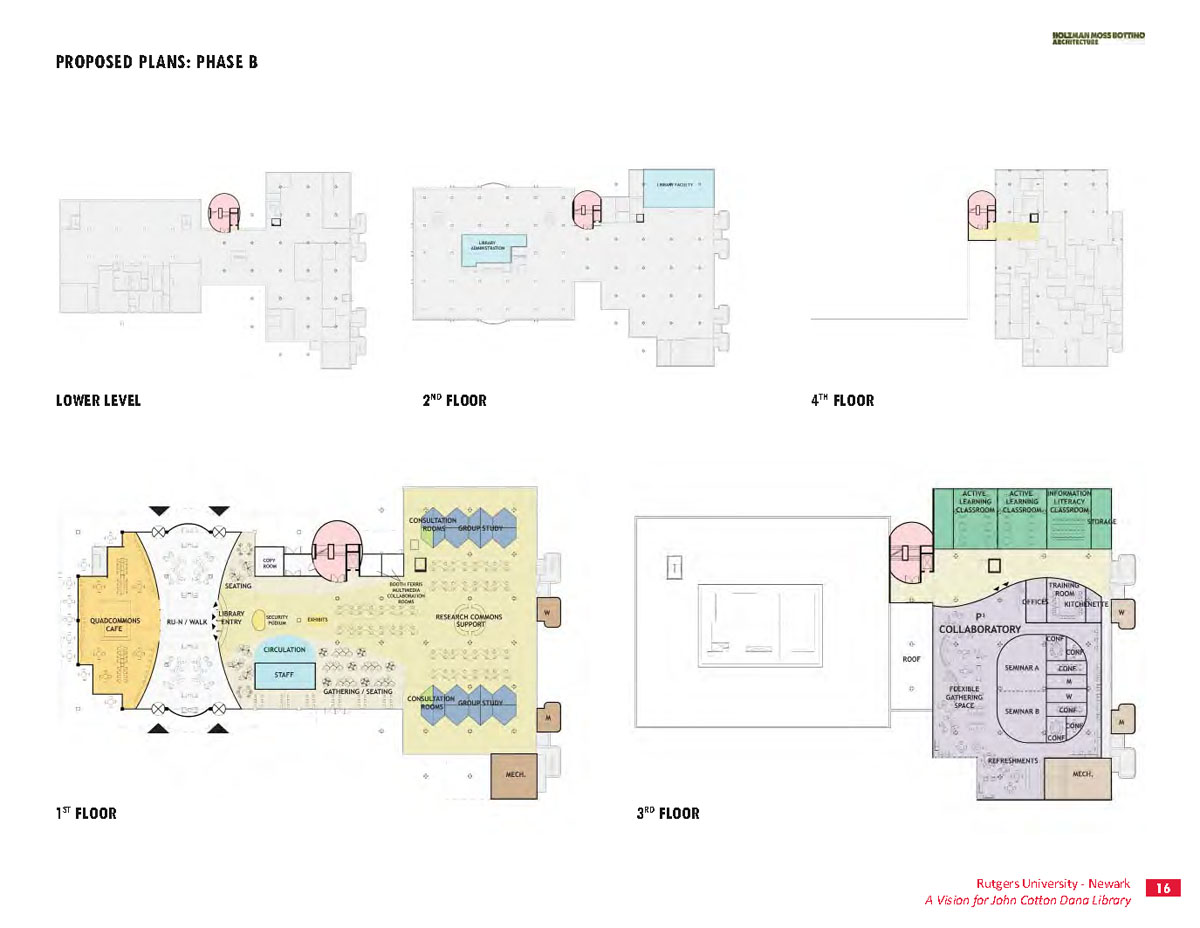
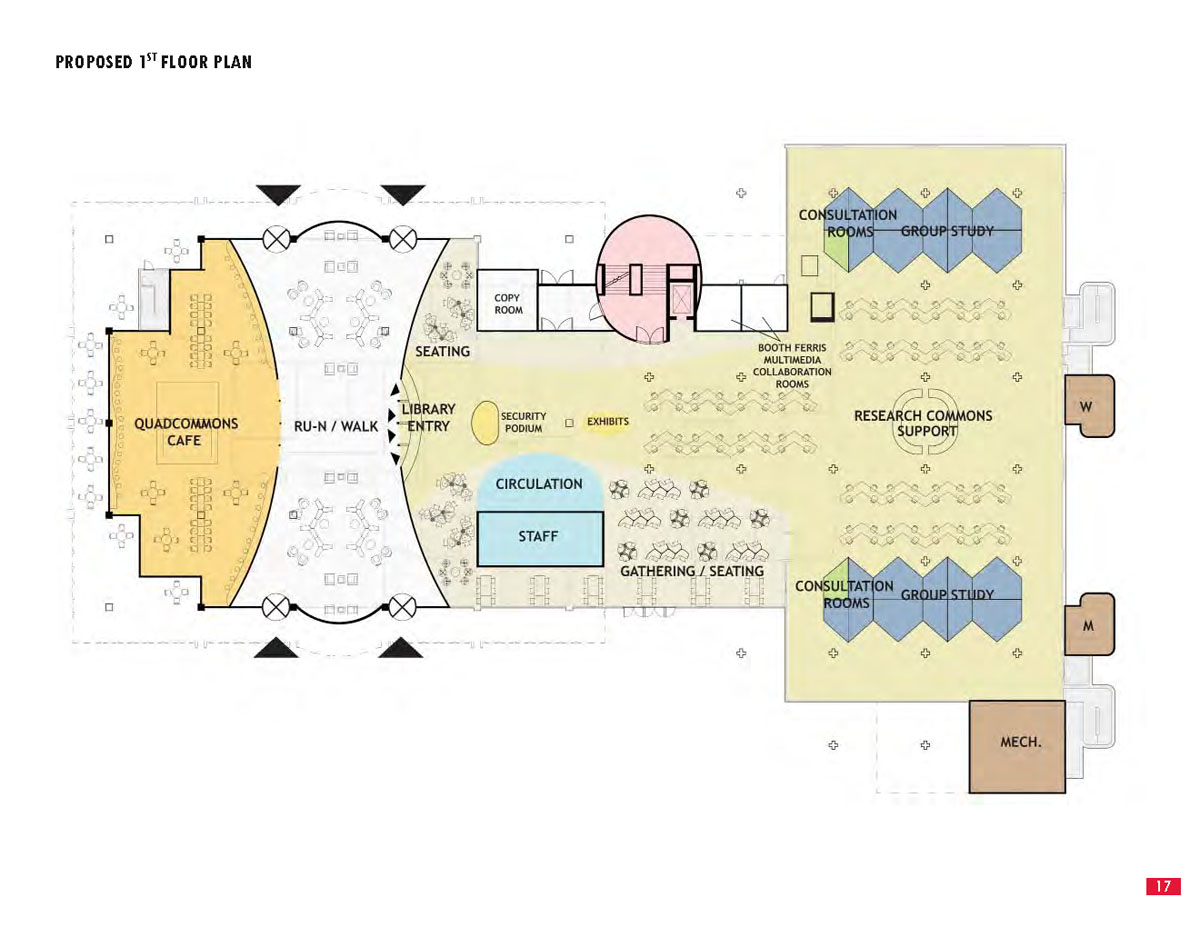
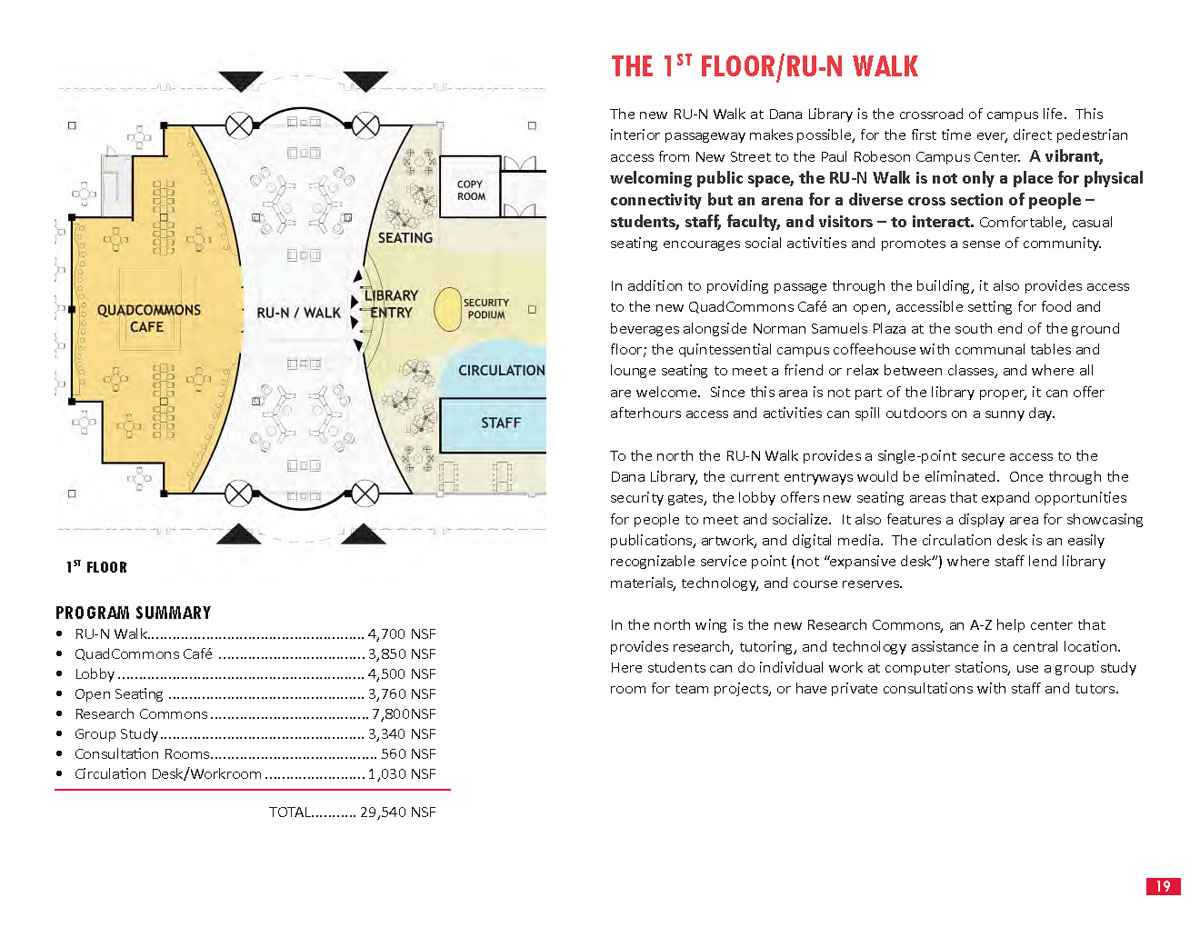
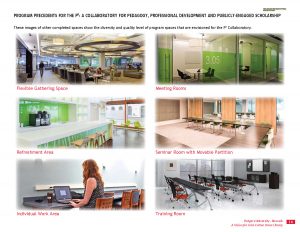 The P3 Collaboratory is a university unit that will provide comprehensive support to instructional faculty and graduate students focused on teaching, leadership, collaborative publicly engaged scholarship, and career development. To accommodate the expected increase in traffic, the plan also includes the installation of a new high capacity elevator and a grand stairway.