The Rutgers Meets Japan digital collection invites users to explore the people and places that shaped a pivotal moment in global education and cultural exchange.
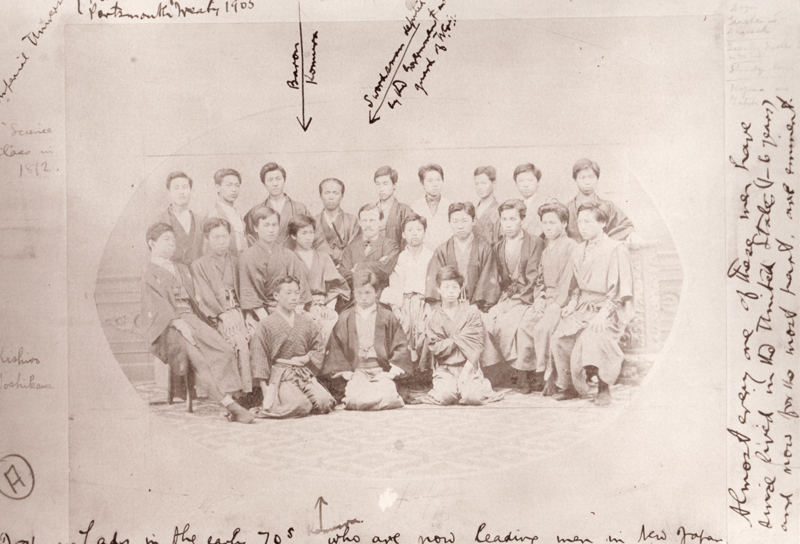
We are pleased to announce the launch of Rutgers Meets Japan, a new digital companion collection that brings to life a remarkable trans-Pacific story of intellectual exchange, cultural connection, and shared history. Developed in conjunction with the book Rutgers Meets Japan: A Trans-Pacific Network of the Late Nineteenth Century, this digital collection expands upon the book’s narrative by providing open access to a rich set of historical photographs drawn from the William E. Griffis Collection.
The collection features portraits of some of Rutgers’ earliest Japanese students, as well as images of alumni who traveled to Japan as teachers and missionaries during the late 19th century. These photographs offer a rare visual window into a formative period of U.S.-Japan relations, capturing individuals, institutions, and everyday scenes across locations such as Fukui, Yokohama, Tokyo, and Shizuoka. In addition to images reproduced in the book, the digital companion includes many photographs that could not be published due to space constraints, significantly broadening access to these materials for researchers, students, and the public.
Funded by a grant from the New Jersey Historical Commission, the project involved the careful digitization, transcription, and annotation of materials, ensuring both accessibility and scholarly value. By pairing rigorous historical scholarship with digital access, Rutgers Meets Japan invites users to explore the people and places that shaped a pivotal moment in global education and cultural exchange.
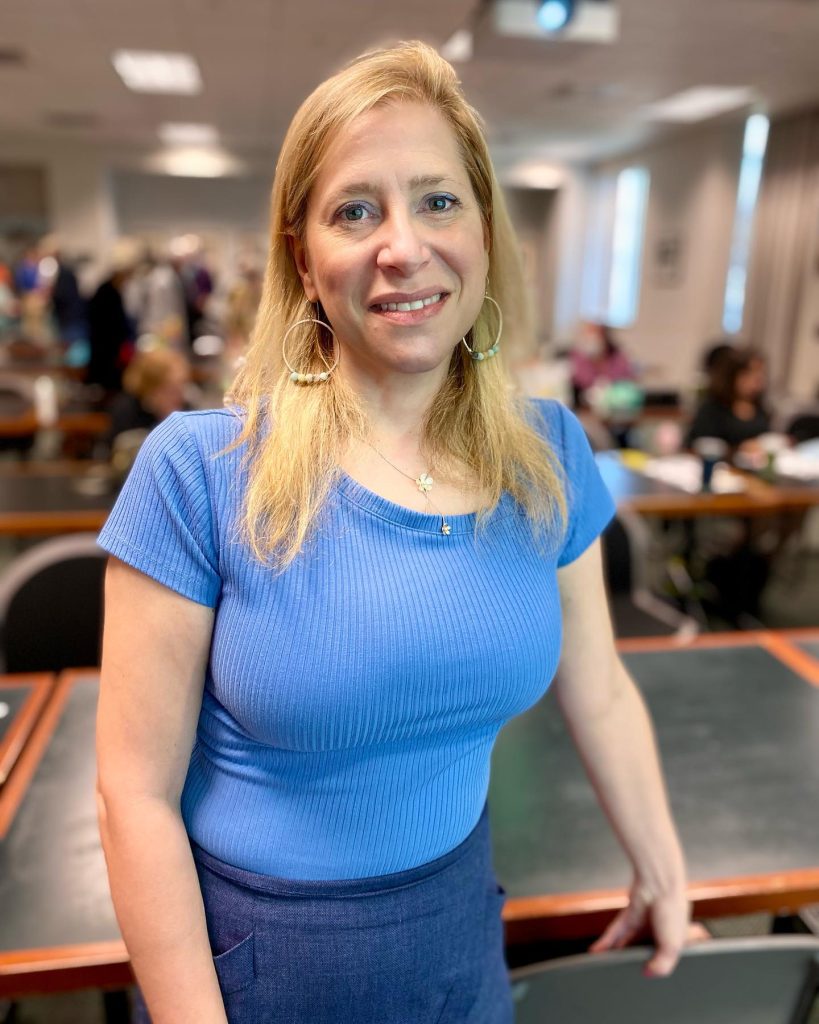
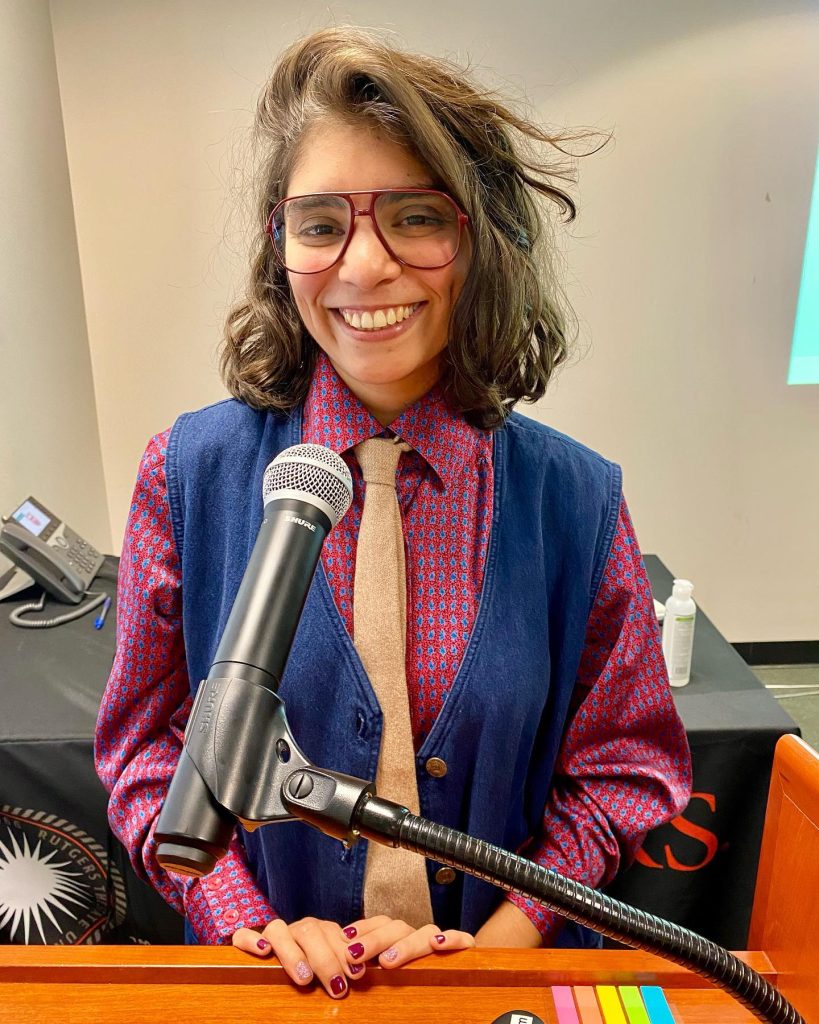
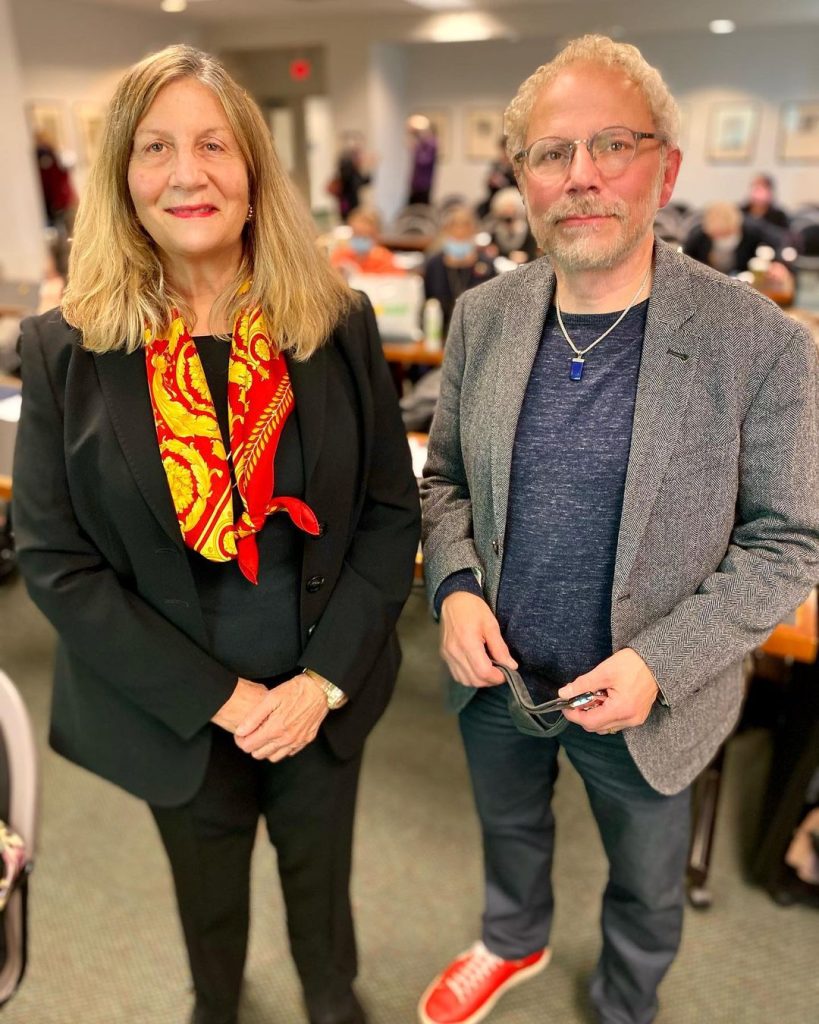
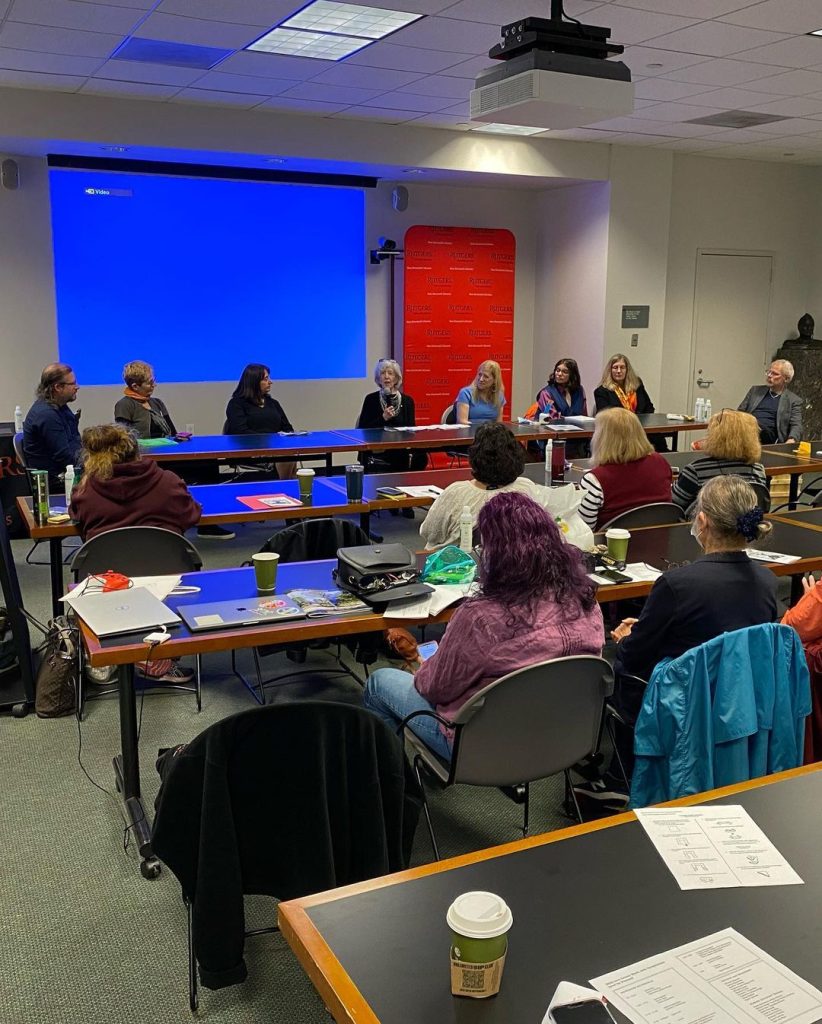
The launch of this digital collection also coincided with an event held on April 17, Rutgers Meets Japan: In Conversation with the Authors. This event was held in the Alexander Library Pane Room and featured presenters Haruko Wakabayashi and Fernanda Perrone, with Janet Walker moderating.
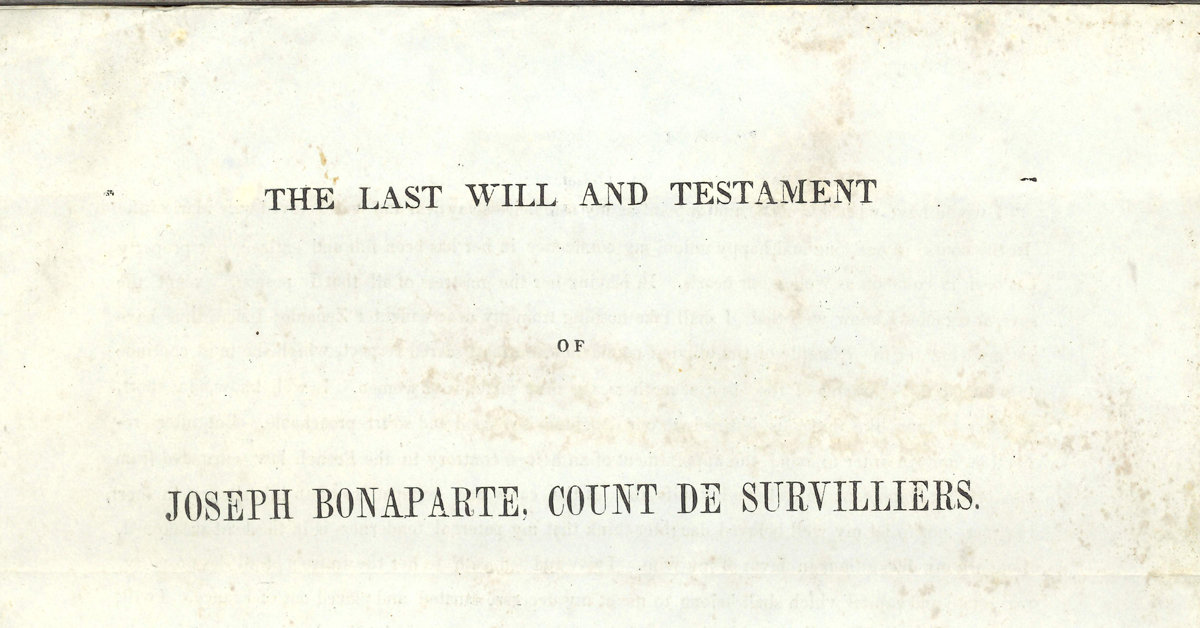
The last will and testament of Joseph Bonaparte, the former King of Naples, King of Spain and the Indies, and the older brother of Napoleon.
As the metadata archivist at Special Collections and University Archives (SC/UA), I have had the privilege of working with our collections on a daily basis. Though I’ve just been able to scratch the surface of our ample and unique holdings, I’ve had the joy of making old records publicly accessible while creating new records for materials that were never previously described. This undertaking has allowed me to unearth and publicize various collections that I would consider treasures, and I’m happy to share just a few of those with you here.
Legacy Finding Aids
The first part of my endeavor involved getting previously written finding aids, known as “legacy finding aids,” into our collection management system, ArchivesSpace. Many of these legacy finding aids were decades old, written by staff and faculty members that no longer work here, and only exist as PDFs, their physical counterparts long since gone. These documents were published by creating a new, base-level finding aid in ArchivesSpace for each collection and then attaching the legacy finding aid to the resource record as a digital object hosted through RUCore. Among the dozens of legacy finding aids published via this route are the Joyce Kilmer papers (MC 1547) and the Nicholas F. Brady senatorial papers (MC 660).
Joyce Kilmer was a New Brunswick-born writer and poet, best known for his work “Trees,” published in 1913. He was killed just five years later in France during World War I. Here at SC/UA, we have scrapbooks of his writings created by his parents over a century ago.
The Nicholas F. Brady senatorial papers relate to the work Senator Brady undertook while in Congress. Brady served as a United States senator for eight months in 1982 following the resignation of Harrison A. Williams. As of February 2026, Brady is the oldest living former U.S. senator.
New Finding Aids Published
Since publishing the legacy finding aids that hid on our internal servers for so many years, I’ve been able to turn my attention to new collections that were never described in any format. In order to find out which boxes fit this criteria, I’ve been creating an inventory of our spaces, particularly of Room 022 (B-Level, Alexander Library). This comprehensive account of our collections allows me to easily discover which materials have been sitting dormant on our shelves and are in need of archival description.
Comparable to how legacy finding aids were handled, new finding aids are created in a similar fashion. Generally, only a basic, box-level finding aid is written, as we’re prioritizing the publication of many finding aids rather than the thorough description of substantially fewer collections. This has led me to publishing almost 100 new finding aids to date. Favorites of mine include the Delaware and Raritan Canal Commission records (MC 1331), the Emerson B. Garrison photographs (MC 1620), and the Joseph Bonaparte papers (MC 1624).
The Delaware and Raritan Canal was a feat of engineering when it was completed in 1834, shortening the journey from New York City to Philadelphia by a hundred miles. The collection at SC/UA consists of land agreements between townships and residents that made it possible for this transportation system to be built.
The Emerson B. Garrison photographs contain images of Cumberland County and adjacent areas of New Jersey dating back to at least the early 20th century. The style of some of the photographs suggest that some of the undated prints might have been created as early as the 1890s!
Perhaps the jewel that I’ve found in Room 022 is the one-box collection on Joseph Bonaparte, the former King of Naples, King of Spain and the Indies, and the older brother of Napoleon. Following the fall of Napoleon and his subsequent exile, Joseph fled Europe and settled in Bordentown, NJ; the papers we hold primarily relate to the affairs of his estate and other legal matters, including a printed version of his last will and testament.
Benefits of the Project
The initiative to publish these finding aids offers many benefits to SC/UA. Not only are we providing our patrons with information on collections that have never before been accessible in a digital format, but the push to publish box-level finding aids has allowed us to gain intellectual control over our holdings and free up physical space in our storage areas. When surveying a collection, I am able to consolidate materials into fewer boxes, as oftentimes half-full boxes appear on our shelves, taking up unnecessary space that should be designated for other materials. This will undoubtedly help us as our collections are returned from off-site storage facilities so that we may more quickly and efficiently assist our patrons.
In the coming months, I know I will uncover many more treasures that SC/UA has to offer; I’m looking forward to sharing those with you in the future.
Fernanda Perrone’s career has been marked by significant contributions to the archival profession, particularly in documenting underrepresented groups, mentoring emerging archivists, and fostering international collaborations.
Fernanda Perrone, archivist and head of the exhibitions program for Special Collections and University Archives, will be inducted later this month as a Fellow of the Society of American Archivists (SAA) during an awards ceremony at the 89th Annual Meeting of the Society of American Archivists in Anaheim, California. The distinction of Fellow is the highest honor bestowed on individuals by the SAA and is awarded for outstanding contributions to the archives profession.
A distinguished archivist with over 30 years of experience, Perrone earned a PhD from Oxford University, where she focused her research on women’s education. This laid the groundwork for her professional focus on women’s history throughout her career. She has spent her decades-long career at Rutgers University Libraries, beginning as an assistant in the manuscript department at SCUA and eventually earning a full professorship. Since 2003, she has served in her current role of archivist and head of the exhibitions program.
Perrone’s career has been marked by significant contributions to the archival profession, particularly in documenting underrepresented groups, mentoring emerging archivists, and fostering international collaborations. In her position at Rutgers, she has developed diverse subject expertise in women’s history, gender studies, the history of Rutgers, and the history of westerners in Japan during the late 19th and early 20th centuries.
Her work curating and promoting the William Elliot Griffis Collection, which documents the experience of Westerners in Japan during the late 19th and early 20th centuries, has led to the development of international partnerships. Through her outreach, a group of scholars who studied Korean materials in the Rutgers collections discovered a set of unique photographs. Due to the destruction of many rare historical objects during the Korean War, photos like these represent an important cultural recovery. This discovery led to a collaboration with the National Archives of Korea to digitize the recovered photographs. Currently, Perrone is co-authoring an edited volume entitled Rutgers Meets Japan: A Trans-Pacific Network of the Late Nineteenth Century. For the book, coming out from Rutgers University Press this year, she invited scholars in art, history, and Asian studies to analyze the early transnational relationship between Rutgers University and Japan.
Perrone is particularly recognized as an expert on the archives of women’s religious communities. Her scholarly output includes numerous publications on women’s religious education, state-level voting rights history, and women artists’ archives, with notable works such as The Douglass Century: Transformation of the Women’s College at Rutgers University and On Account of Sex: Women’s Suffrage in Middlesex County, New Jersey. In 2013, she contributed a chapter to Perspectives on Women’s Archives (SAA). Her chapter, as well as the book, has spanned disciplines to reach historians, librarians, and other scholars thinking about the effect and importance of women’s archives. Her broad impact is also evident through her international and interdisciplinary speaking engagements: from New Jersey and Texas state and regional historical associations to MARAC and SAA to the Universities of Keio and Rikkyo in Tokyo, Japan.
Speaking about Perrone’s work, one supporter wrote that she has an “unwavering dedication to researching, preserving, and advocating for the archival record of women. She has remained steadfast in her commitment to ensuring that SAA recognizes and includes women’s experiences in the historical record.” Another supporter remarked, “Dr. Fernanda Perrone represents the best that the archival profession has to offer. She is a leading figure who unselfishly gives her time and energy to promote her profession.”
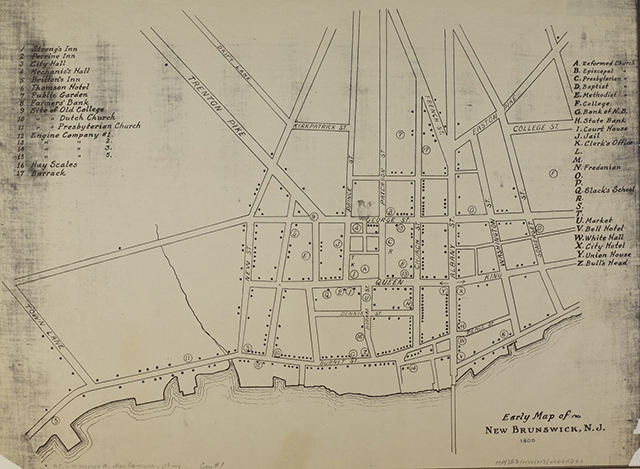
Included in the Rutgers collection are some rare and unique items from Special Collections and University Archives, such as this “Early Map of New Brunswick,” which Francesca Giannetti, digital humanities librarian at Rutgers University Libraries, often uses in her mapping workshops to invite discussion about the similarities and differences with Google Maps, with which familiarity can generally be assumed. The comparison surfaces the ahistoricity of Google’s interface as well as its slightly different prioritization of markers for commercial interests over public institutions and churches. Less frequently noticed is the fact that north is actually to the right in the historical map. Probing the reasons why New Brunswick might have been positioned above the Raritan River can be used as an invitation to examine the motivations and ideological underpinnings behind other cartographic conventions, such as meridians and projections.
The Libraries’ participation in the BTAA Geoportal will help increase exposure to the Rutgers cartographic and GIS collections and open the geospatial door to the state of New Jersey. To better serve their users, the Libraries are gradually updating older JPEG presentation files with IIIF-compatible pyramidal TIFFs.
Special thanks are owed to Karen Majewicz, Melinda Kernik, and members of the BTAA-GIN Metadata Committee for their assistance with data cleanup, the addition of bounding boxes, and IIIF troubleshooting. The metadata and digital library work of many Libraries employees is now visible in the BTAA Geoportal, including that of Rhonda Marker, Isaiah Beard, Chad Mills, Al King, and Sue Oldenburg.
We are delighted to announce that Erika Gorder has been appointed University Archivist.
Erika began working at Rutgers University Libraries in 1992 as an assistant archivist and, after time at several other repositories, returned in 1997 as an archivist at the Institute of Jazz Studies. She has worked in University Archives, serving as Interim, Associate, and Acting University Archivist since 1998.
Erika earned a master’s degree in history and archival studies from New York University, a master of library and information science degree from Rutgers University, and a bachelor’s degree from Rutgers College.
Please join us in congratulating Erika on a well-deserved appointment.
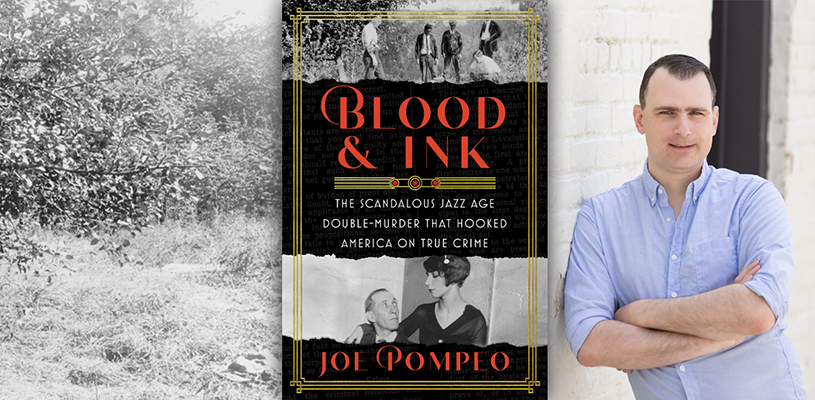
Blood & Ink explores the slayings of star-crossed New Jersey lovers and how the century-old cold case fed America’s obsession with true crime stories. While conducting his research for the book, Pompeo relied heavily on Special Collections and University Archives (SC/UA), which he says houses the definitive academic archive on the murders. Pompeo used SC/UA’s Hall-Mills Collection, Wallace Conover Papers, and Stevens family letters. This presentation forms part of SC/UA’s Research Salon series, which features researchers who have used SC/UA’s resources in their work. The series is co-sponsored by the New Jersey Studies Academic Alliance.
Blood & Ink was published by William Morrow in September 2022, marking the 100th anniversary of the double murder of Reverend Edward Hall, rector of St. John the Evangelist Episcopal Church in New Brunswick, and Eleanor Mills, a singer in the church choir. The couple was reputedly having a scandalous affair, and their bodies were discovered artfully posed on a notorious lover’s lane on the border of New Brunswick and Somerset. Edward Hall’s wife, Frances, who was related to the wealthy Johnson family, and Eleanor Mills’ husband, Jim, were early suspects in the case. The bungled investigation by the police took years and failed to bring the criminals to justice. The trial featured eccentric characters such as Jane Gibson, a pig farmer who came forward with a purported eyewitness account of the murder and, at one point, testified from a stretcher brought into the courtroom. As well as investigating the fascinating details of the case, Pompeo shows how the rise of New York tabloid journalism and the resulting wars between papers of the 1920s kept the story alive. In an epilogue, Pompeo suggests his own theories on the still-unsolved case.
Over the years, many authors have tried to solve the case, including famed attorney William Kunstler, whose The Minister and the Choir Singer: The Hall-Mills Murder Case (1964) attributed the murders to the Ku Klux Klan. Another theory was offered by former dean Mary S. Hartman, who lived in Frances Hall’s house, now the residence of the Douglass Dean, in “The Hall-Mills Murder Case: The Most Fascinating Un-solved Homicide in America,” The Journal of the Rutgers University Libraries, 1984. The case has also inspired novels and plays, most recently Thou Shall Not, performed at St. John the Evangelist Church by Thinkery & Verse. Blood & Ink is unique in placing the case in the context of the rise of tabloid journalism and the popularity of true crime in the 1920s.
Symposium attendees enjoy Sandra Fernández’s artist presentation.
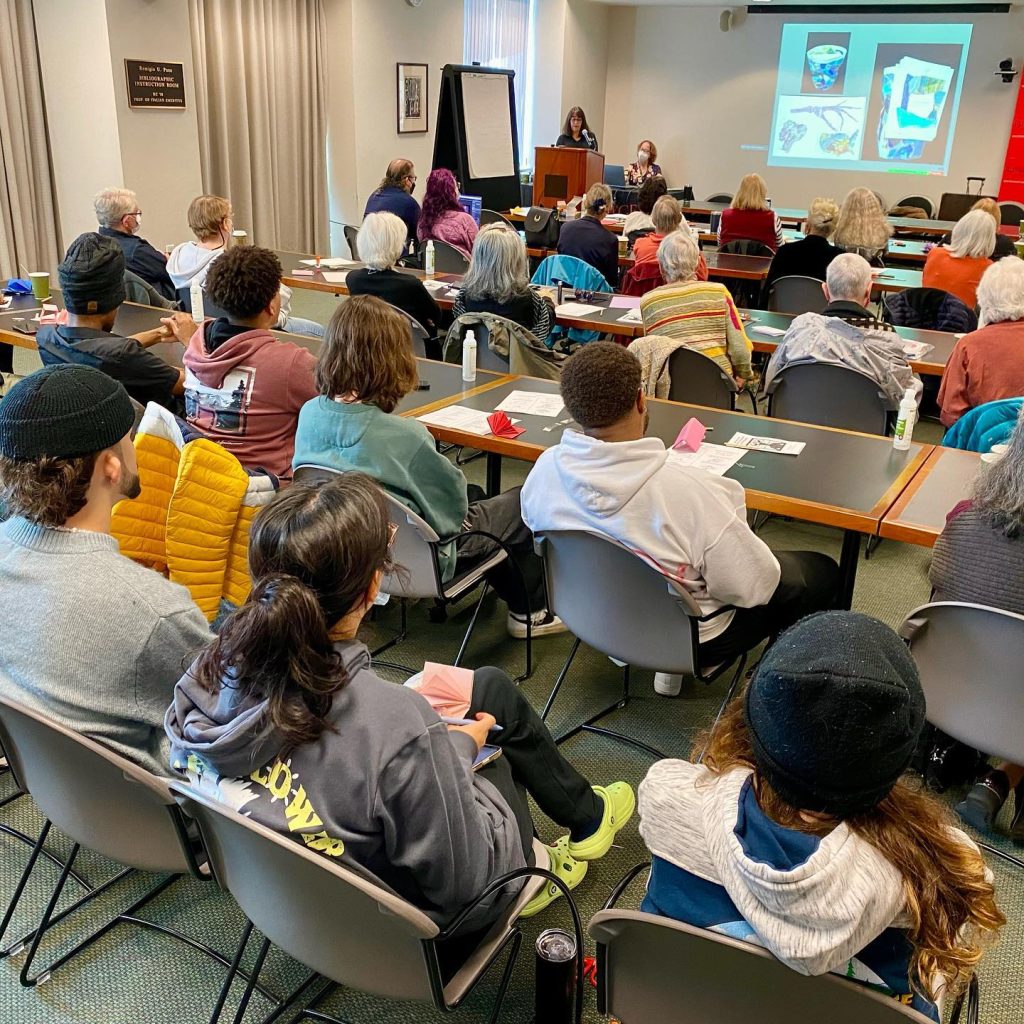
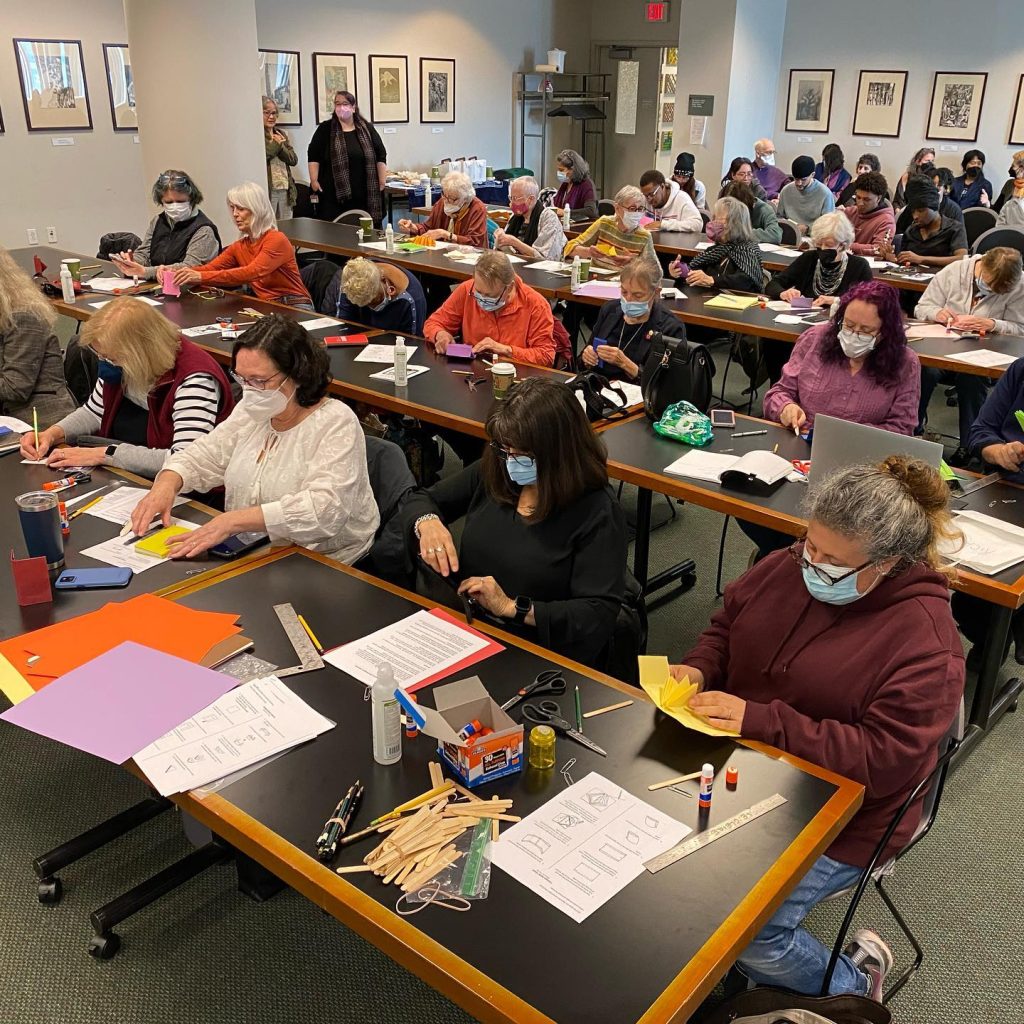
Special Collections and University Archives (SC/UA) hosted the 28th Annual New Jersey Book Arts Symposium (NJBAS) on November 4. The free event drew a capacity crowd in Alexander Library’s Pane Room and featured a workshop, artist presentations, and a panel discussion conducted by notable artists, curators, historians, and technologists. The program included:
To learn more about the NJBAS, please visit exhibits.libraries.rutgers.edu/nj-book-arts. Grant funding for the New Jersey Book Arts Symposium was provided by the Middlesex County Board of County Commissioners through a grant award from the Middlesex County Cultural and Arts Trust Fund. The NJBAS Advisory Board members are Karen Guancione, artistic director; Michael Joseph, founding director; Sonia Yaco, executive director; Martin Antonetti; Judith K. Brodsky; Fernanda Perrone; Amanda Thackray; Suzie Tuchman, and Kate Van Riper.
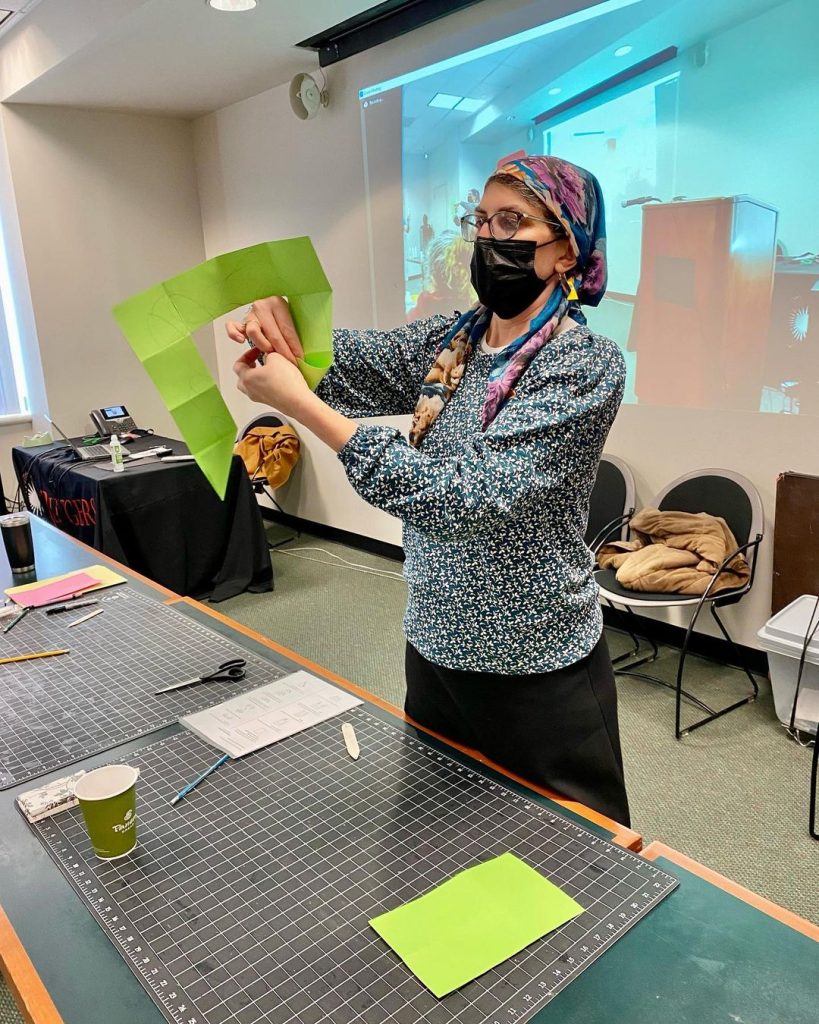
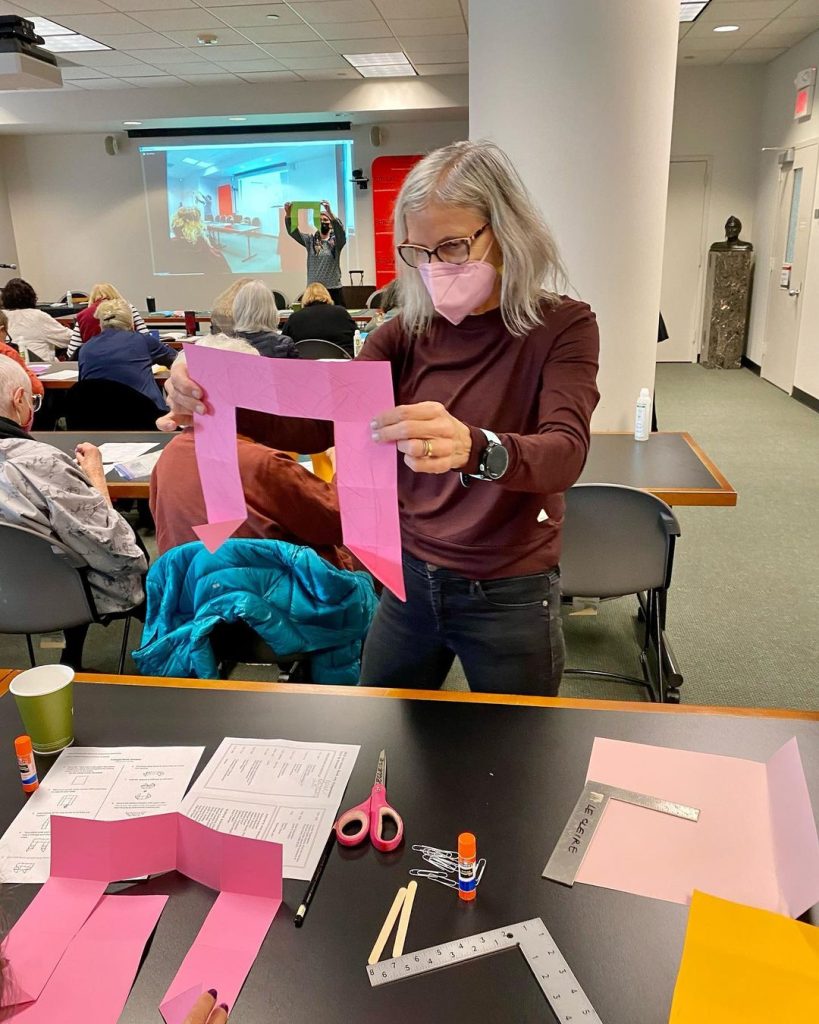
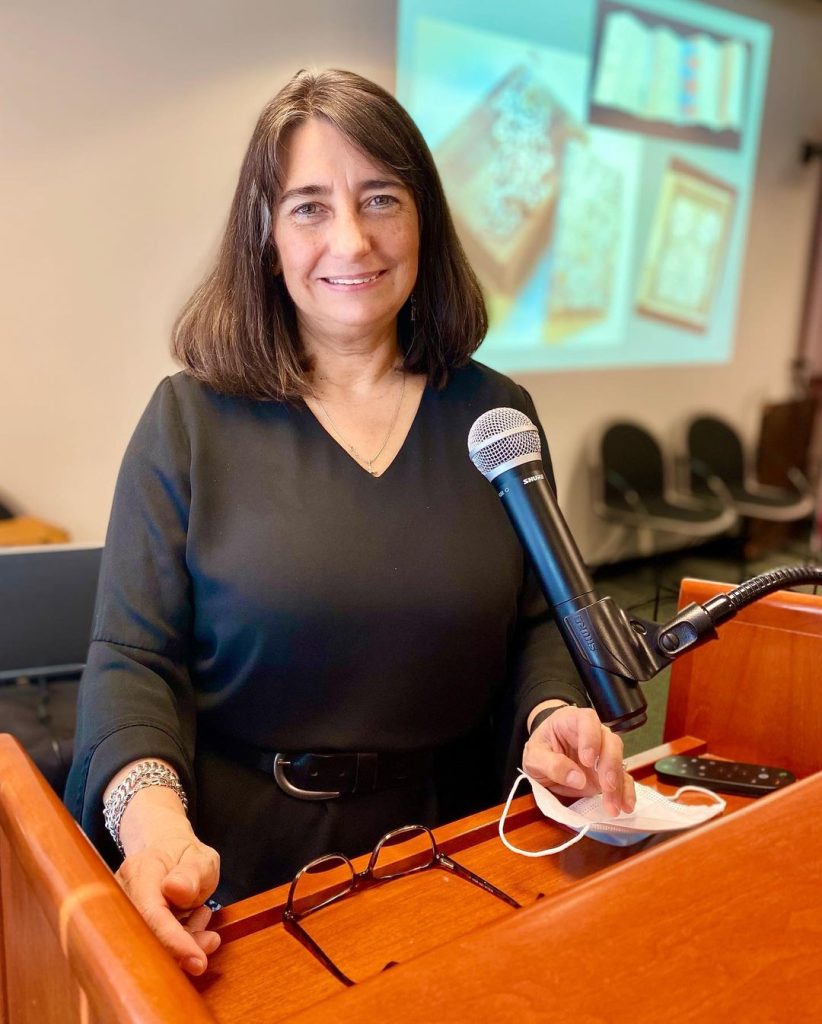
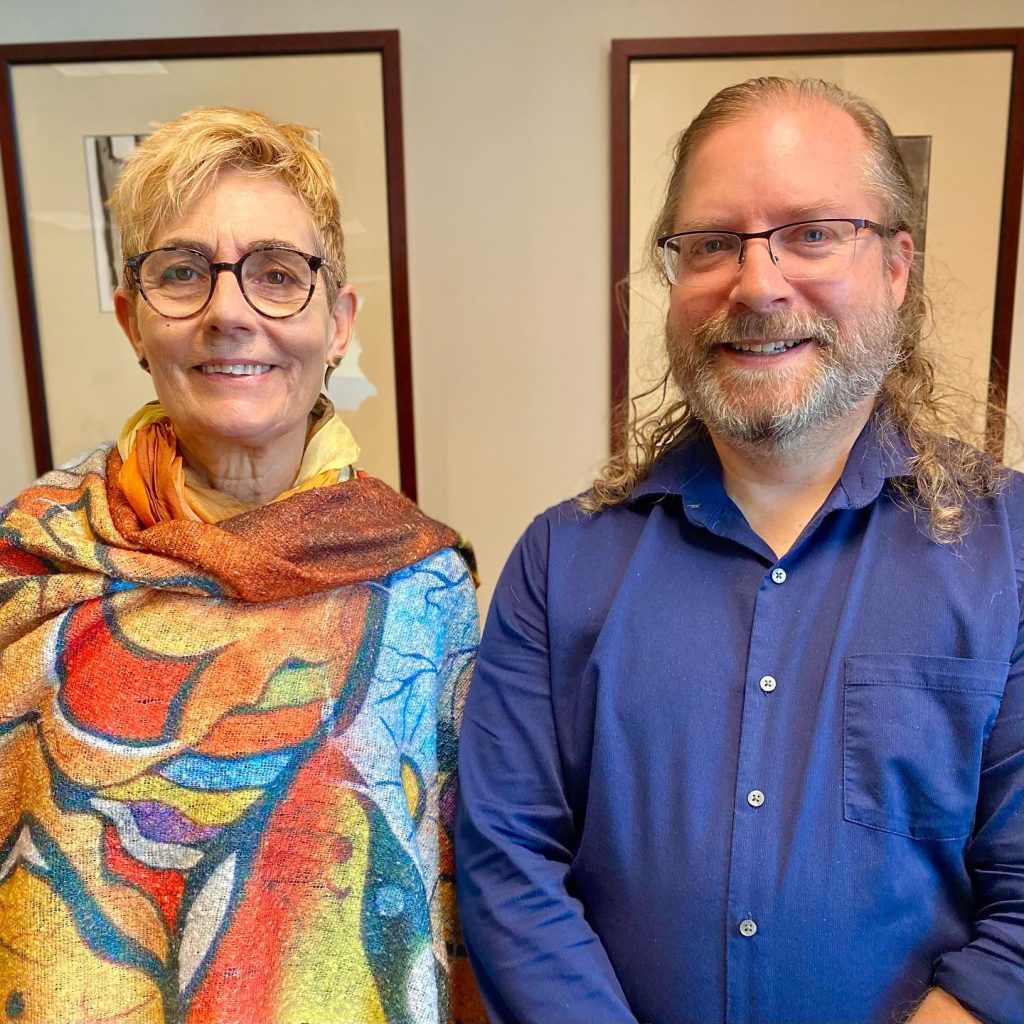
Suzie Tuchman conducts the triangle bookmaking workshop.Catherine LeCleire Wright shows symposium attendees how to create a triangle book.NJBAS attendees make triangle books during the workshop.Artist Sandra C. Fernández delivered a moving presentation about her life and work. Fernández is an Ecuadorian American artist currently living in New Jersey. Her work is rooted in the transborder experiences of exile, dislocation, relocation, memory, and self-conscious identity construction/reconstruction.Béatrice Coron, a renowned paper-cutting artist, and Rick Anderson, Director of Virtual Worlds at Rutgers, are collaborating on The Identity Project, an experiment both in form and content using technology to create an interactive artist book. This collaboration allows words and images to interact and behave in new and exciting ways. The Identity Project is presented by SC/UA. Learn more about the project at go.rutgers.edu/coron.Amee Pollack is a mixed-media and book artist and Senior Advisor and Student Success Counselor in the Department of Art & Design at the Mason Gross School of the Arts. She spoke about her art, which includes three-dimensional, fold-out book sculptures she had created with her artistic partner and close friend, Laurie Spitz, who passed away in 2017. Works by Spitz & Pollack, as their collaboration was known, are in the permanent collections of over 50 organizations, including the Brooklyn Museum, Cooper Hewitt Smithsonian Design Museum, New York Public Library Print Collection, and Yale University. Read more at masongross.rutgers.edu/why-i-made-this-amee-pollack and ameejpollack.com.Featured artist and historian Javiera Barrientos presented “A Personal Catalogue: Bookwork in Contemporary Latin America” and highlighted works by Carlos Oquendo, Maria Lucia Cattani, Francisca Prieto, Isol, Javiera Pintocanales, and Mariana Tocornal.During her curator presentation, Virginia Fabbri Butera interviewed Michael Cooper about the late Rocco Scary’s bookwork. Rocco Scary (1960–2022) was a multidisciplinary artist whose work on paper, in sculpture, and with artist books explored the concept of the identifiers or “triggers” for memory. To learn more about Scary, please visit roccoscary.com. Butera is the director of the Therese A. Maloney Art Gallery. She is also chairperson of the art, dance, and music program and a tenured professor of art history at @saintelizabethuniversity. Cooper is the creative director at Altech Corporation and principal of Cooper Graphics and Cooper Art Works LLC. He has over 40 years of fine art and commercial art experience.NJBAS executive director Sonia Yaco (left) and noted artist and art educator Judith K. Brodsky. Brodsky led the engaging panel discussion that concluded the New Jersey Book Arts Symposium. The lively discussion offered attendees an opportunity to hear more from the guest artists and ask questions. Brodsky highlighted the commonalities between the topics, including technology, social issues, and a sense of play, and encouraged the artists to share their thoughts and processes and talk about the future of books and bookmaking. Brodsky is a Distinguished Professor Emerita in the Mason Gross School of the Arts Department of Visual Arts and the Founding Director of the Rutgers Center for Innovative Print and Paper, which was renamed the Brodsky Center in her honor in 2006 (now The Brodsky Center at PAFA).Panel discussion with the NJBAS’ guest speakers.From left: Karen Guancione, Sandra Fernández, and Sonia Yaco. Guancione is the NJBAS’ artistic director. She creates a vision of the symposium each year and moderates the event. Michael Joseph (below) is the founding director of the NJBAS. He and Karen guide the selection of the artists and help to shape the event. As executive director, Yaco coordinates the event, secures funding, and with Karen and Michael, connects with the New Jersey book arts community.Michael Joseph, founding director of the NJBAS.
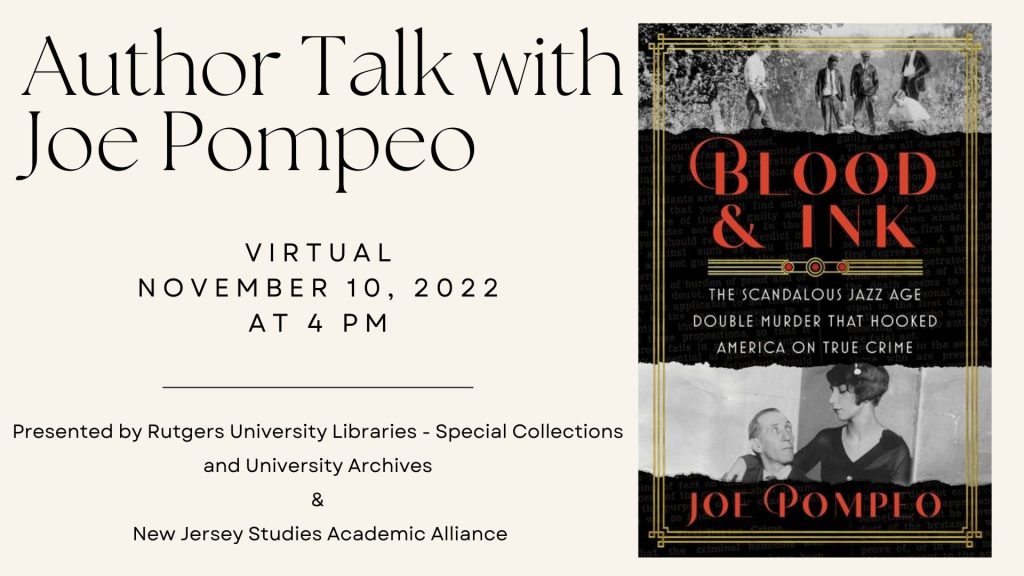
Rutgers University Libraries Special Collections and University Archives (SC/UA) and the New Jersey Studies Academic Alliance (NJSAA) are pleased to host an author talk with Vanity Fair correspondent and Rutgers University alumnus Joe Pompeo on Thursday, November 10, 2022, at 4:00 p.m. via Zoom. Pompeo will speak about his new book on the notorious Hall-Mills murder case, Blood & Ink: The Scandalous Jazz Age Double Murder That Hooked America on True Crime. Please register at this link or visit libcal.rutgers.edu/event/9365079 for more information.
Blood & Ink was published by William Morrow this month, marking the 100th anniversary of the double murder of Reverend Edward Hall, rector of St. John the Evangelist Episcopal Church in New Brunswick, and Eleanor Mills, a singer in the church choir, who were reputedly having a scandalous affair. Their bodies were discovered artfully posed on a notorious lovers’ lane on the border of New Brunswick and Somerset. Edward Hall’s wife, Frances, who was related to the wealthy Johnson family, and Eleanor Mills’ husband Jim were early suspects in the case. The bungled investigation by the police took years and failed to bring any criminals to justice. The much-anticipated trial featured eccentric characters such as Jane Gibson, a pig farmer who came forward with a purported eyewitness account of the murder, at one point testifying from a stretcher brought into the courtroom. As well as investigating the fascinating details of the case, Pompeo shows how the rise of New York tabloid journalism and the resulting wars between papers of the 1920s kept the story alive. In an epilogue, Pompeo suggests his own theories on the still-unsolved case.
Joe Pompeo (photo by New Moon Photography)
In his well-researched book, Pompeo used the Hall-Mills Collection, as well as the Wallace Conover Papers and the Stevens family letters from SC/UA. This presentation forms part of SC/UA’s Research Salon series, which features researchers who have used SC/UA’s resources in their work. It is co-sponsored by the New Jersey Studies Academic Alliance.
Over the years, many authors have tried to solve the case, including famed attorney William Kunstler, whose The Minister and the Choir Singer: The Hall-Mills Murder Case (1964) attributed the murders to the Ku Klux Klan. Another theory was offered by former dean Mary S. Hartman, who lived in Frances Hall’s house, now the residence of the Douglass Dean, in “The Hall-Mills Murder Case: The Most Fascinating Un-solved Homicide in America,” The Journal of the Rutgers University Libraries, 1984. The case has also inspired novels and plays, most recently Thou Shall Not, performed at St. John the Evangelist Church by Thinkery & Verse. Blood & Ink is unique in placing the case in the context of the rise of tabloid journalism and the popularity of true crime in the 1920s.
Joe Pompeo is a correspondent at Vanity Fair who previously worked at publications including Politico and The New York Observer. His writing has also appeared in The New York Times, Bloomberg Businessweek, the Columbia Journalism Review, and many other outlets. He lives in Montclair, New Jersey, with his wife and children.
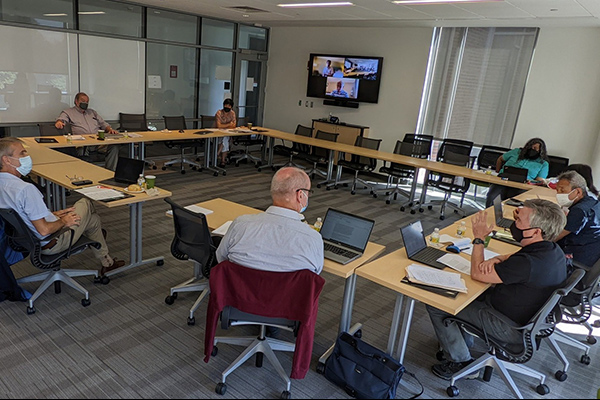
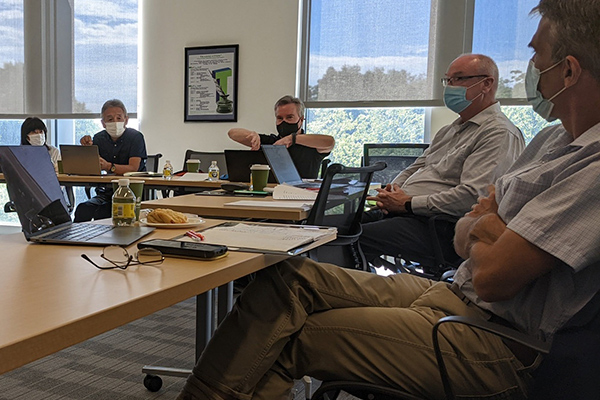
From August 11–13, a group of scholars met in New Brunswick to work on a new book. Tentatively titled, In Search of True Ways: Rutgers and Japan during the Early Meiji Period, this book is being edited by Haruko Wakabayashi of Rutgers’ Department of Asian Languages and Cultures and Fernanda Perrone of Rutgers University Libraries Special Collections and University Archives (SC/UA). This project is unusual in that it combines scholarship written in English with that written in Japanese, giving a broad perspective and bringing to light much new information.
Like all of Rutgers Libraries, SC/UA faculty and staff had to quickly find ways to continue to support research and instruction as the university shifted to a remote environment last year. And like most of our colleagues in archives and special collections around the country, and indeed around the world, we spent much of summer and early fall 2020 planning ways to enhance access to digital materials, offer Zoom research consultations, and provide remote classroom instruction, all while working (primarily) remotely.
Faced with the challenge to increase digital resources with very limited access physical access to our collections materials, we decided to look to existing resources that we could leverage and work with from home. In SC/UA we make hundreds of high-resolution scans for patrons every year, typically for publication in books, journals, magazines, television and film productions, and for a variety of online projects. These images are stored on an internal server for potential future internal and external use. It was almost as if all of these images were waiting for their moment to shine.
Dave Kuzma and I collaborated on planning the site during fall 2020. Dave undertook the nuts and bolts work of the site, spending much of the fall semester polishing his Omeka skills, identifying images, cleaning them up for optimal display, and creating metadata, and will do more of this work moving forward. Tara Maharjan, Isaiah Beard, and Sam McDonald have provided technical expertise. Thanks to Sonia Yaco and Rhonda Marker for their support of this project.
While “Primary Source Highlights” is still in its infancy, we are adding images regularly, so we encourage you to check back frequently. This site is also now part of our Digital Resources Guide, which continues to serve as a one-stop-shop for centralized, easy access to all of SC/UA’s digitized resources, from manuscripts to maps to instructional videos. This guide also includes digitized material related to the work and mission of SC/UA, including Rutgers sites that feature digital content from SC/UA, and New Jersey history-related digital collections and resources. We welcome and encourage you to share “Primary Source Highlights,” as well as SC/UA’s other digitized resources, with the students, faculty, staff, and community members with whom you engage.