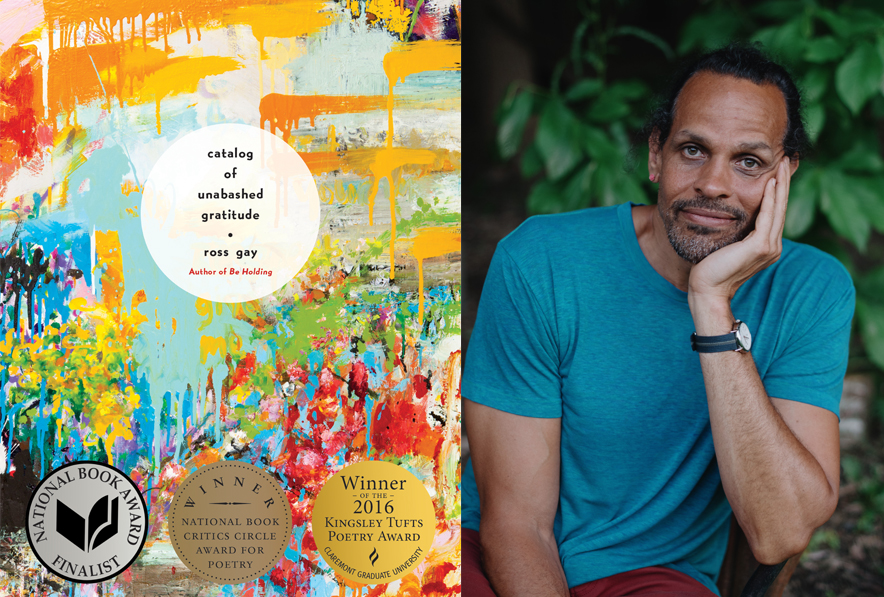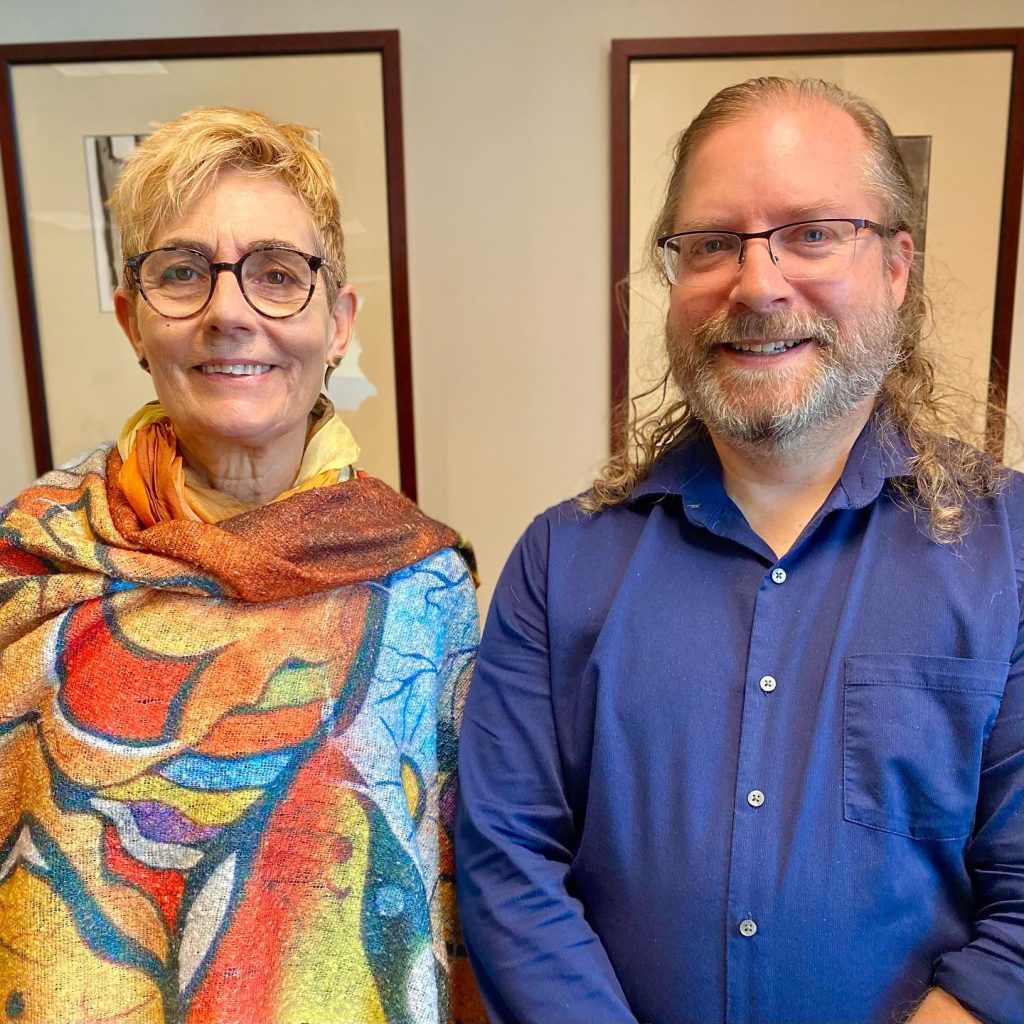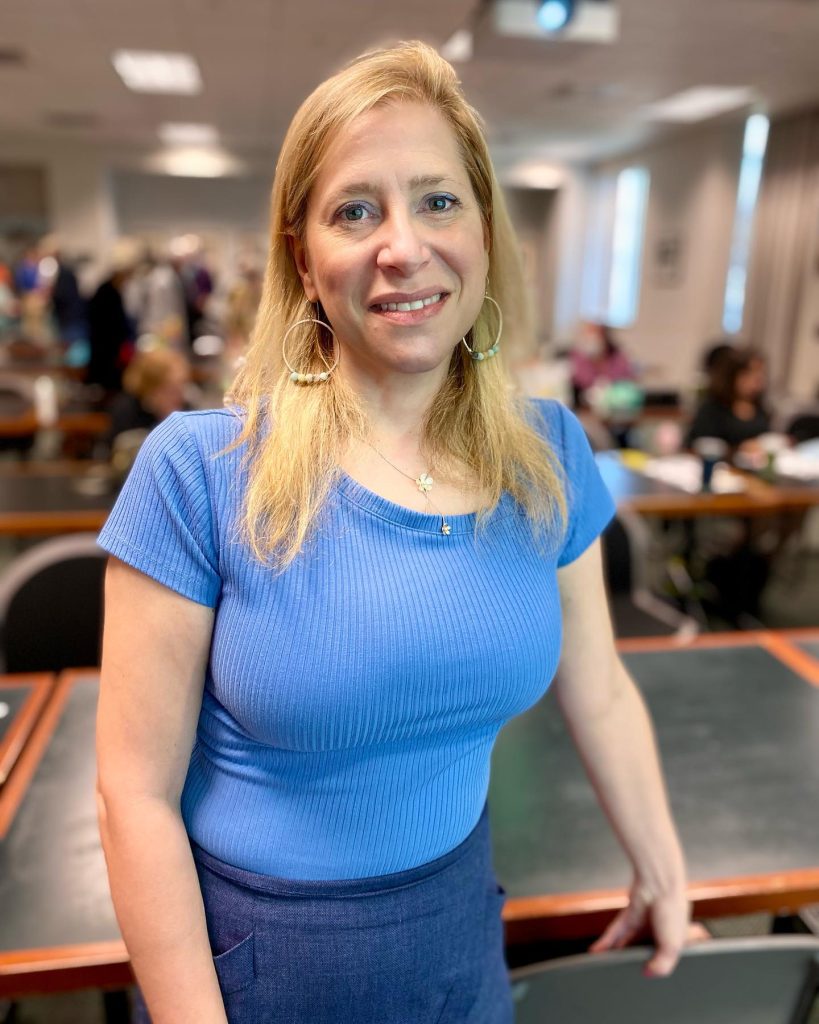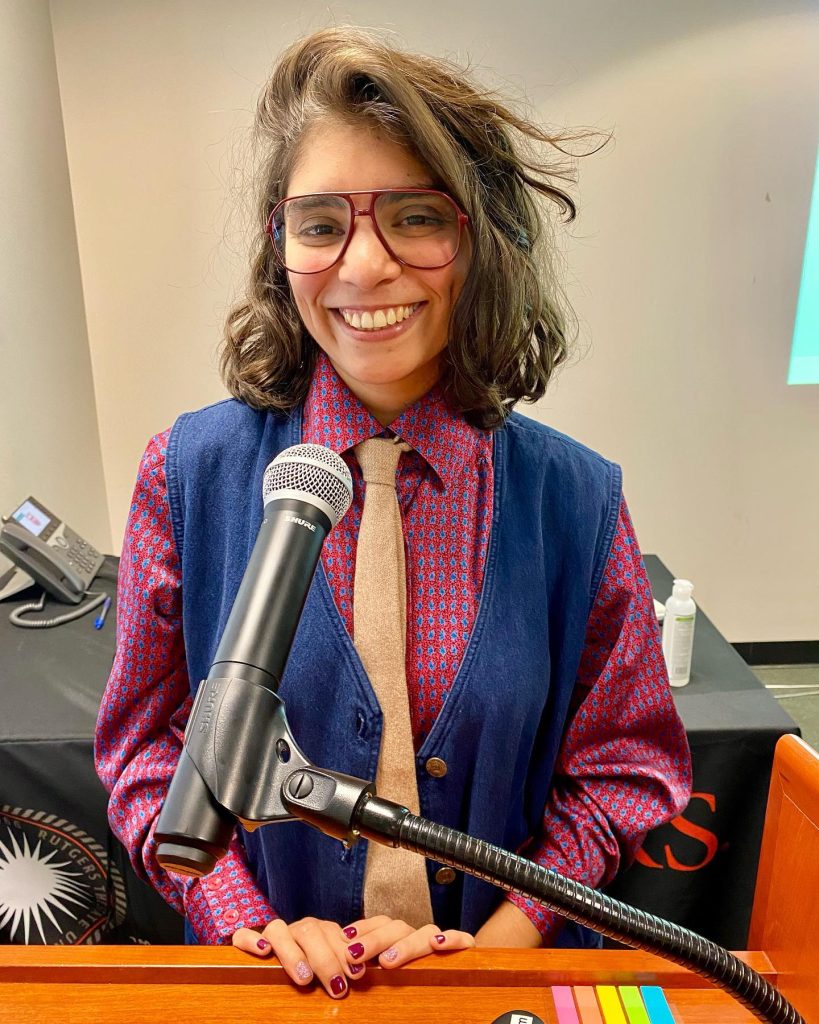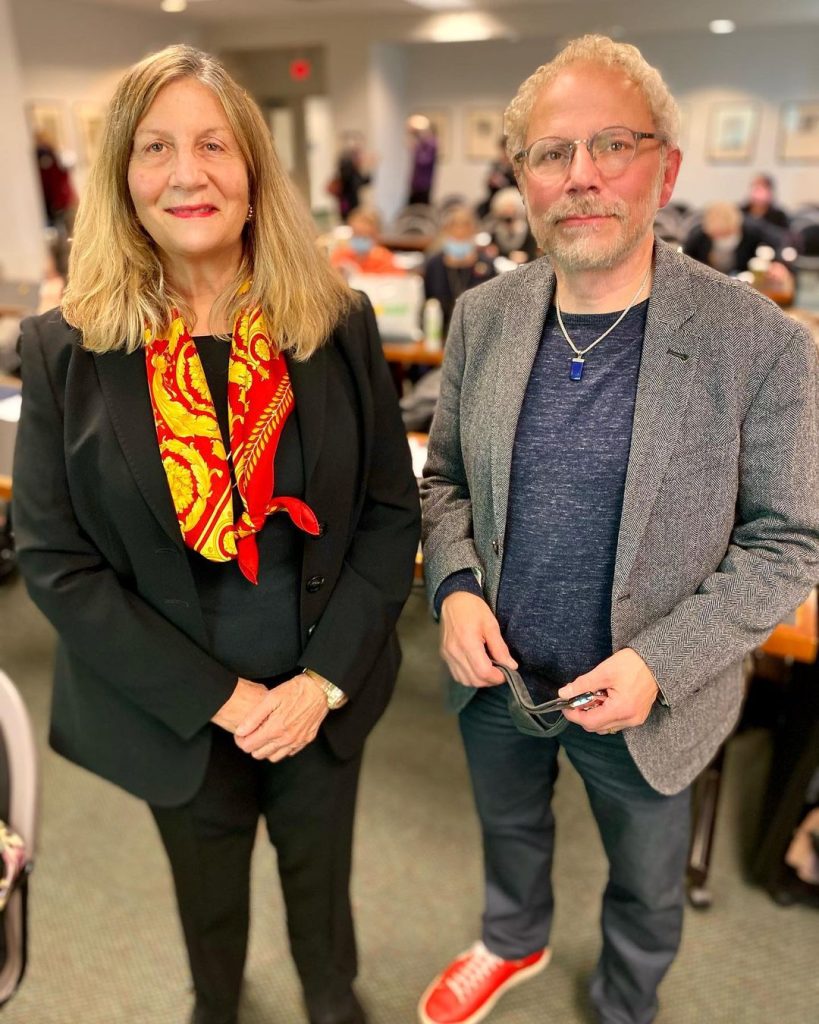
“Ross Gay’s poetry collection celebrates life and goodness and that which nourishes us, fleetingly and forever, through love and loss,” said Noreen Scott Garrity, director of the Rutgers-Camden Center for the Arts. “He touches on everyday living and notices what we often take for granted. We are looking forward to welcoming guests to share in this enjoyable literary experience.”
Complimentary copies of Gay’s book will be available on a first-come, first-served basis in early November, and participants will have the opportunity to contribute to a What Are You Grateful For? installation piece constructed by the Rutgers-Camden Center for the Arts.
Launched in 2006, the National Endowment for the Arts (NEA) Big Read aims to inspire meaningful conversations, artistic responses, and new discoveries and connections in participating communities. In partnership with Arts Midwest, the NEA supports programming centered around one of 15 different contemporary books.
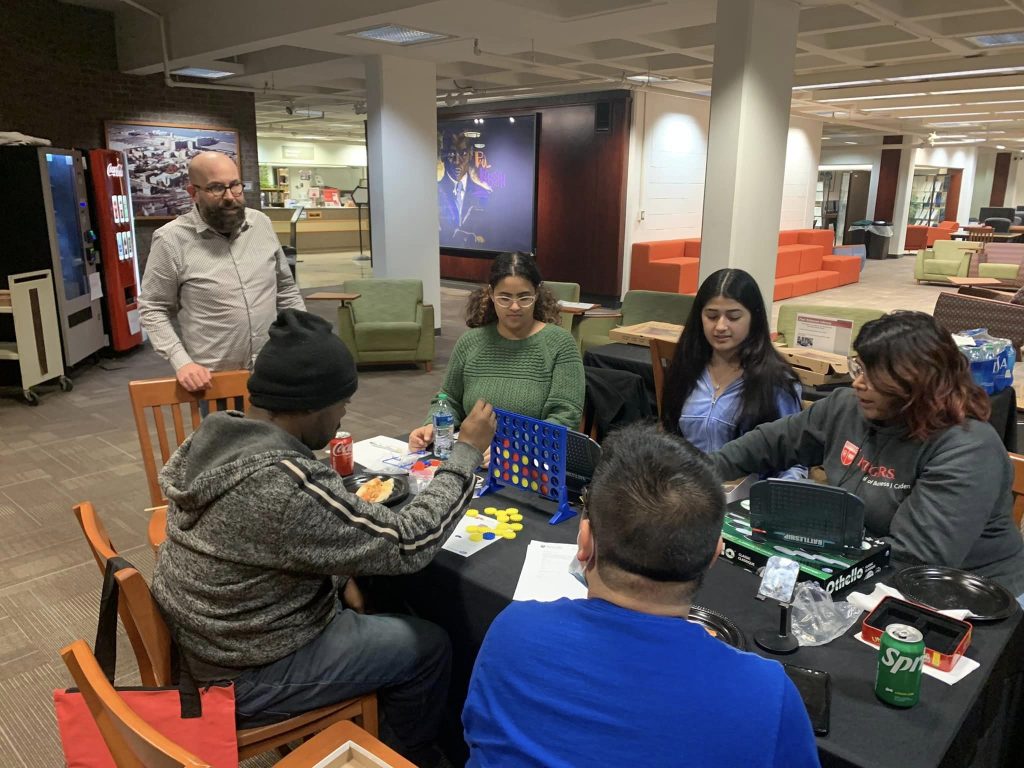
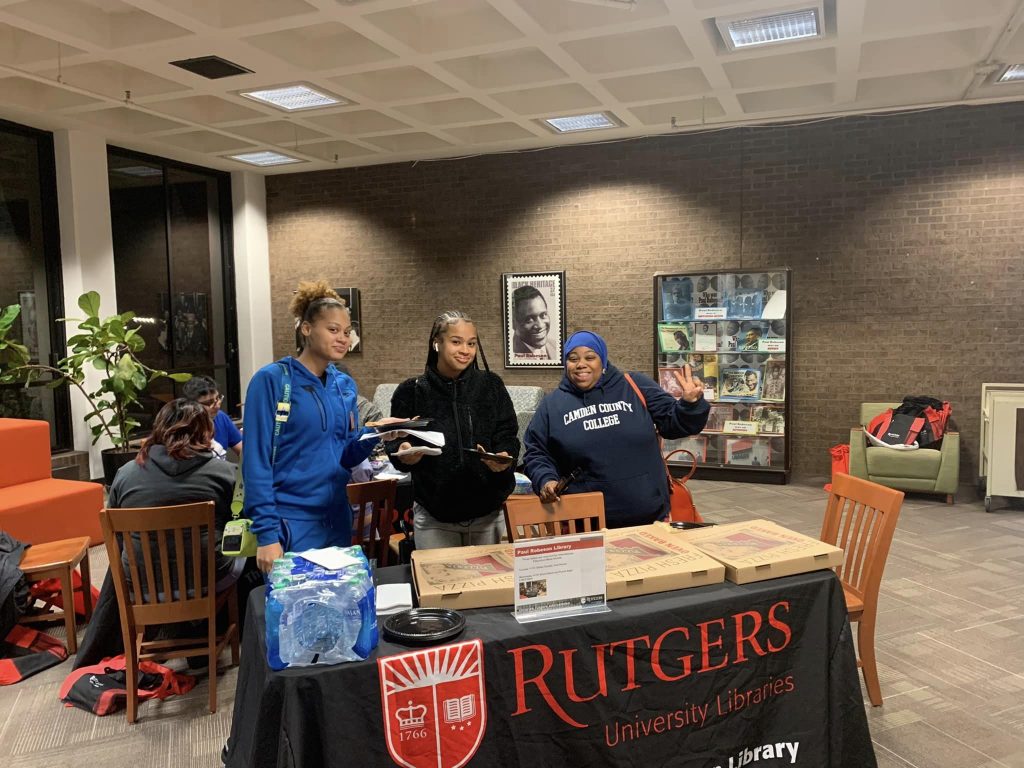
Robeson Library hosted two events for Rutgers–Camden’s International Education Week (November 14–18). On Tuesday, November 15, the Global Studies Department held an International Quizzo game. On Wednesday, November 16, Robeson’s Bart Everts and Edward Robinson facilitated a Game and Puzzle Night which brought together Rutgers and Camden County College students for a night of classic board games, puzzles, food, and friendship. Click this link to view more photos.
As part of a long-standing agreement, Robeson Library serves as the research library for the Camden campuses of Camden County College and Rowan University.
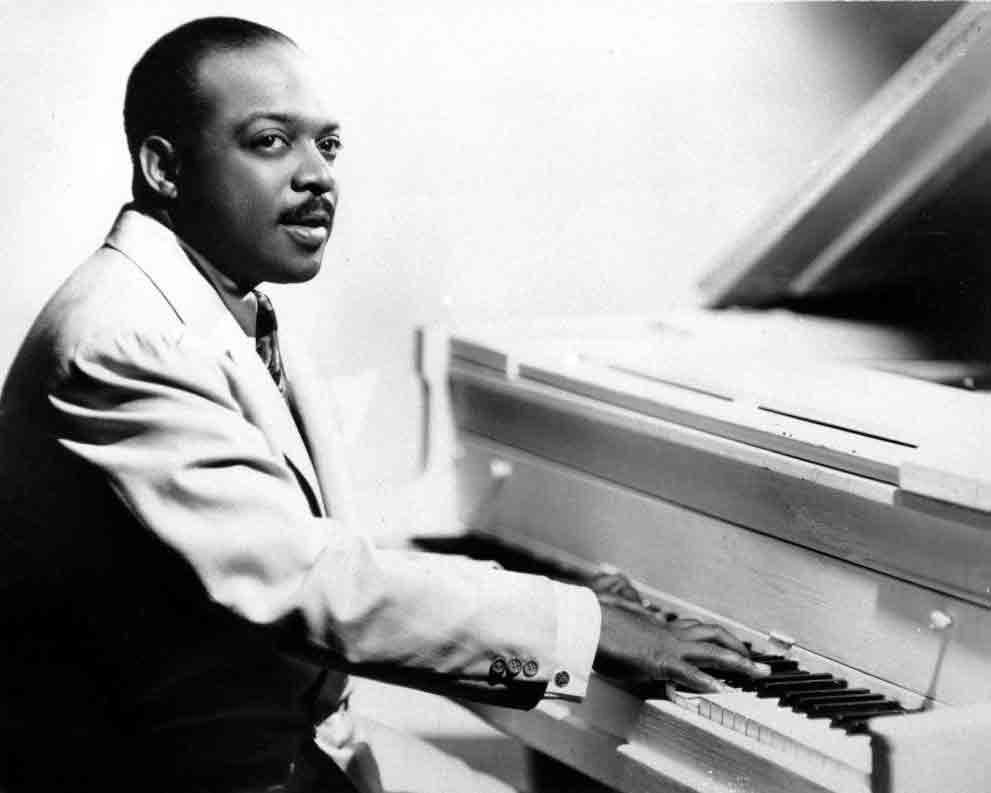
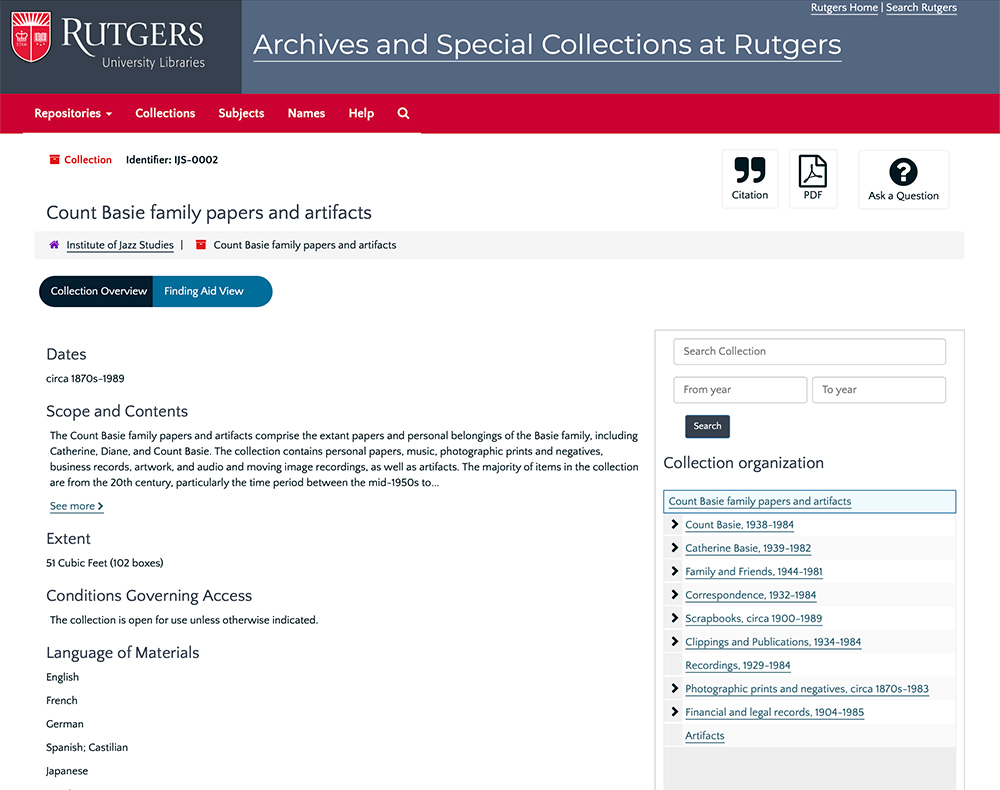
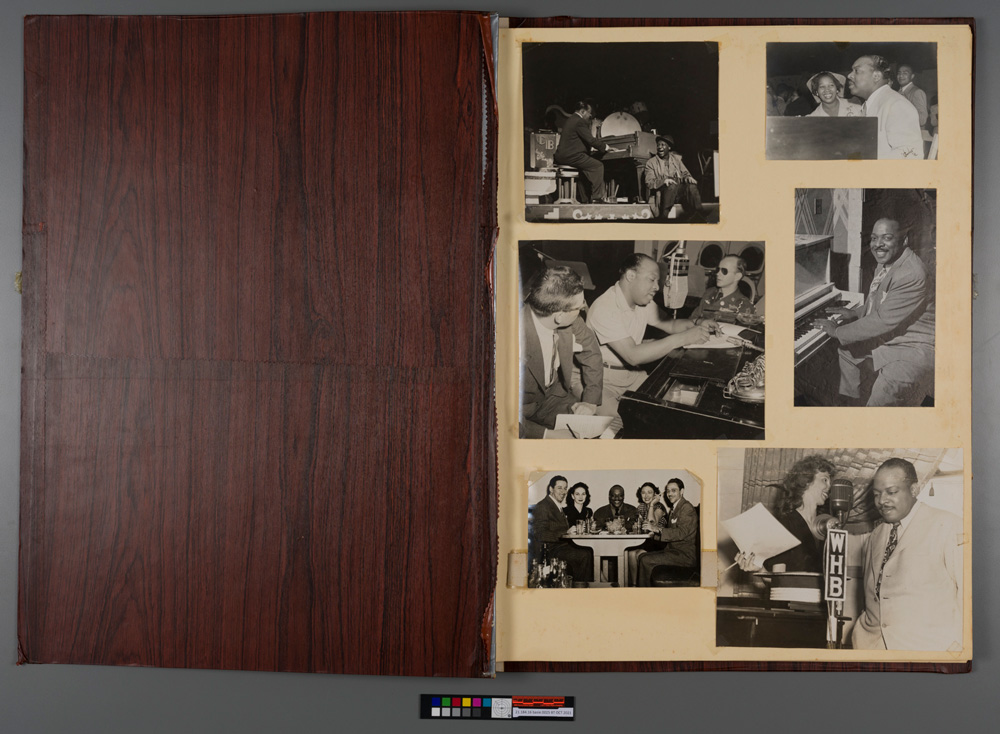
A native of Red Bank, New Jersey, William James “Count” Basie (1904–1984) was one of the giants of jazz, a global icon, and still one of the most influential, popular, and recognized figures in American music. The Institute acquired Basie’s papers and artifacts in 2018 and is responsible for ensuring its long-term preservation. The roughly 200-cubic-foot collection, consisting of more than 1,000 items, is unparalleled in its size and thorough documentation of Basie’s life and career, as well as those of his wife, Catherine, and daughter, Diane.
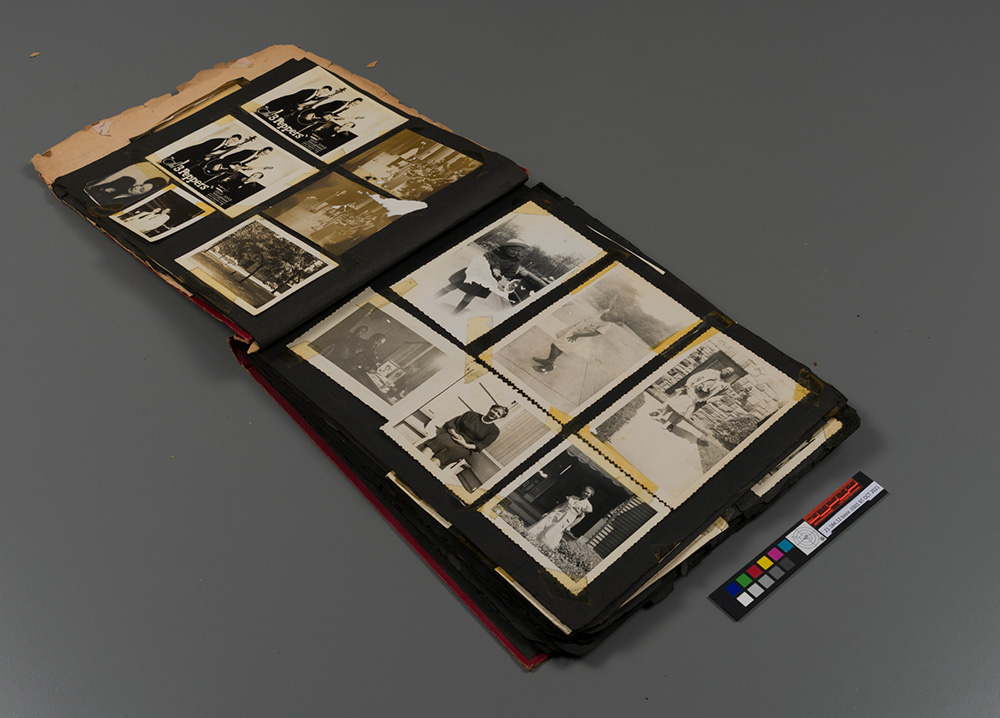
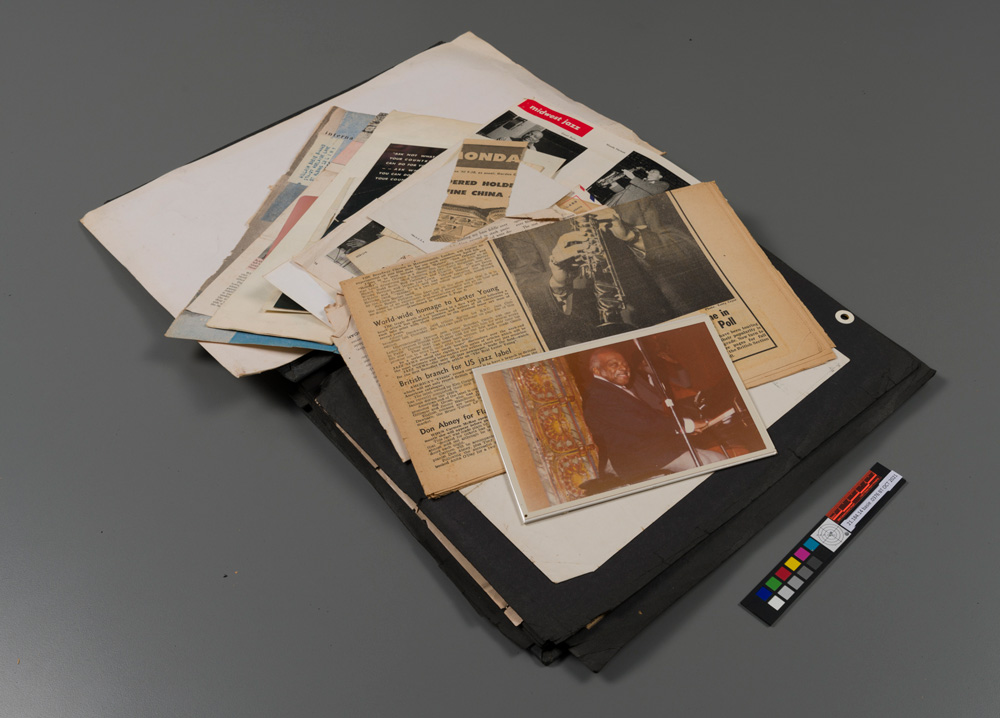
Basie family photo album (photo courtesy of the Conservation Center for Art & Historic Artifacts).Basie news clippings album (photo courtesy of the Conservation Center for Art & Historic Artifacts).Basie photo album with musical performance pictures (photo courtesy of the Conservation Center for Art & Historic Artifacts).
The papers portion of his collection is now available to the public for research and enjoyment. The artifacts and the remainder of the collection will be accessible in mid-2023. Please visit libraries.rutgers.edu/basie to access the finding aid.
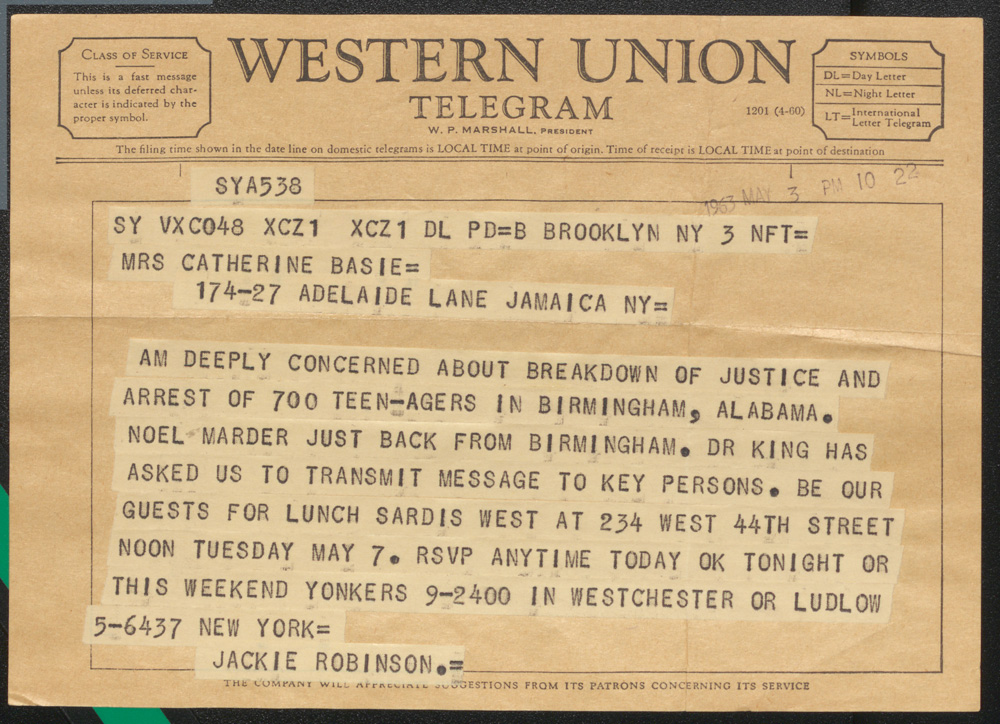
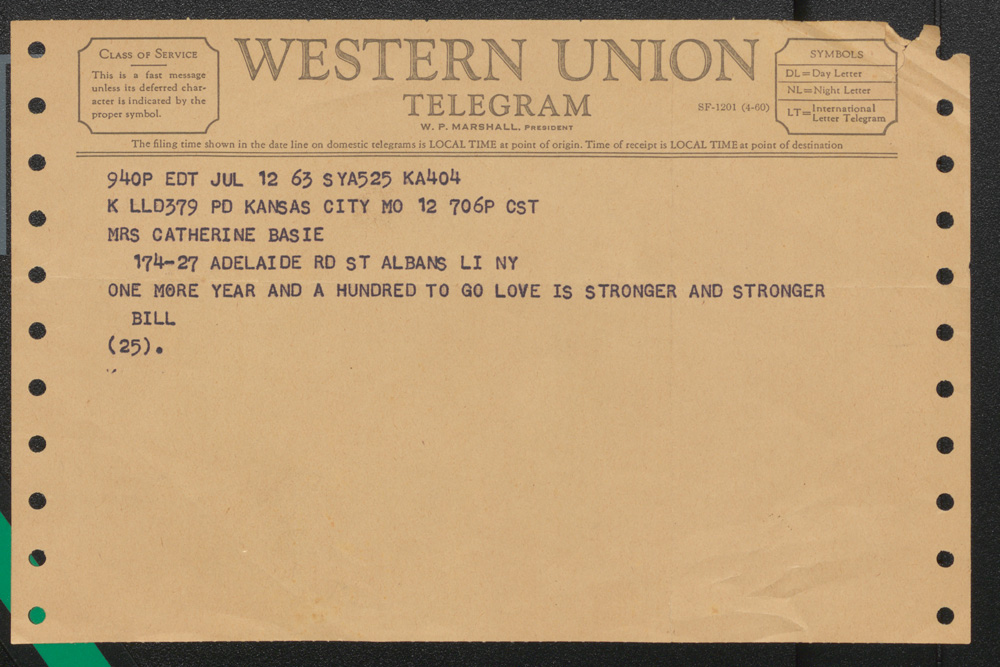
Martin Luther King Jr.’s telegram to Catherine Basie, 1962.Baseball great Jackie Robinson’s telegram to Catherine Basie, 1963.Count Basie’s telegram to Catherine Basie on their anniversary (signed “Bill”; 1963).
About the Collection
The Basie Family Papers and Artifacts document the vast impact of Count Basie’s enduring and storied career in jazz and American history and provide an unparalleled view of his family and private life. The collection is an essential resource for researchers in jazz, music, post-war American history, and American culture, especially black American culture. It is also critical for scholars, educators, writers, filmmakers, students, and the general public because of its breadth and depth.
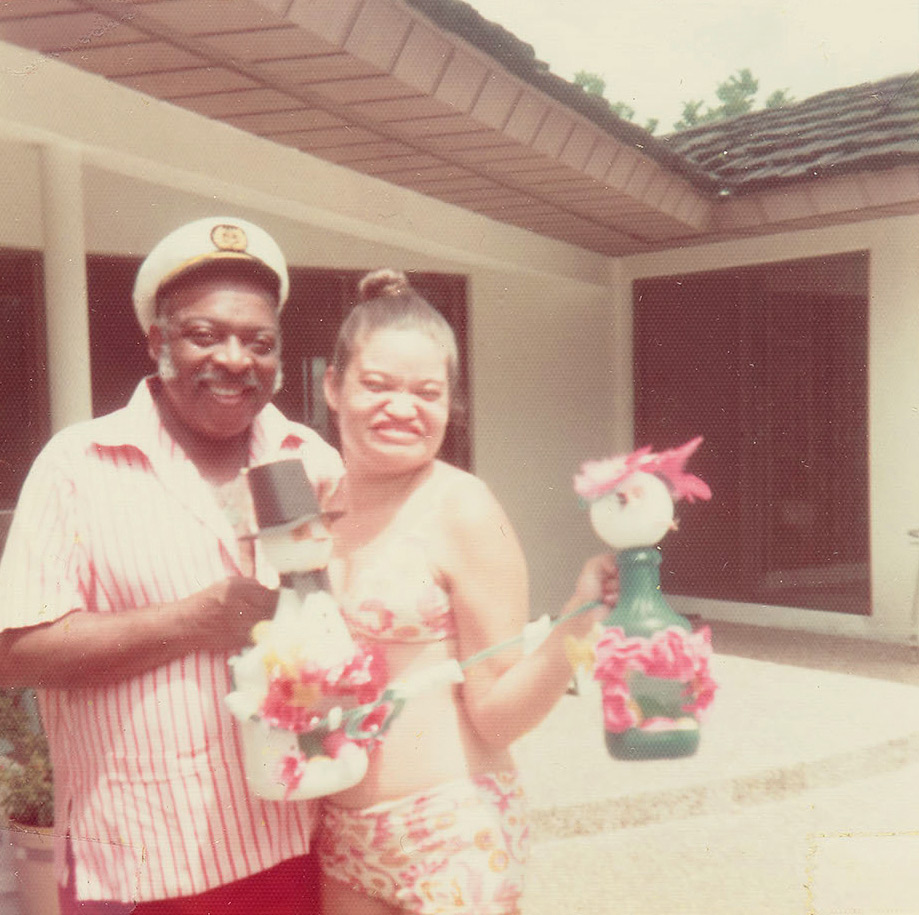
Count Basie with his daughter, Diane.
The collection contains extensive primary sources and objects ranging from Basie’s earliest years in Kansas City until his death. One-of-a-kind artifacts comprise approximately half of the items, including Basie’s piano and organ, select home furnishings, artwork, apparel, and accessories. Although the materials cover the entirety of Basie’s lifetime, the artifacts represent the latter years of his life and career particularly well, including many accolades, awards, honorary degrees, and proclamations he received during that period. Unique archival materials never before available to researchers comprise about one-third of the collection, including personal papers, business records, photographs, clippings, scrapbooks, ephemera, correspondence, and audio and moving image recordings.
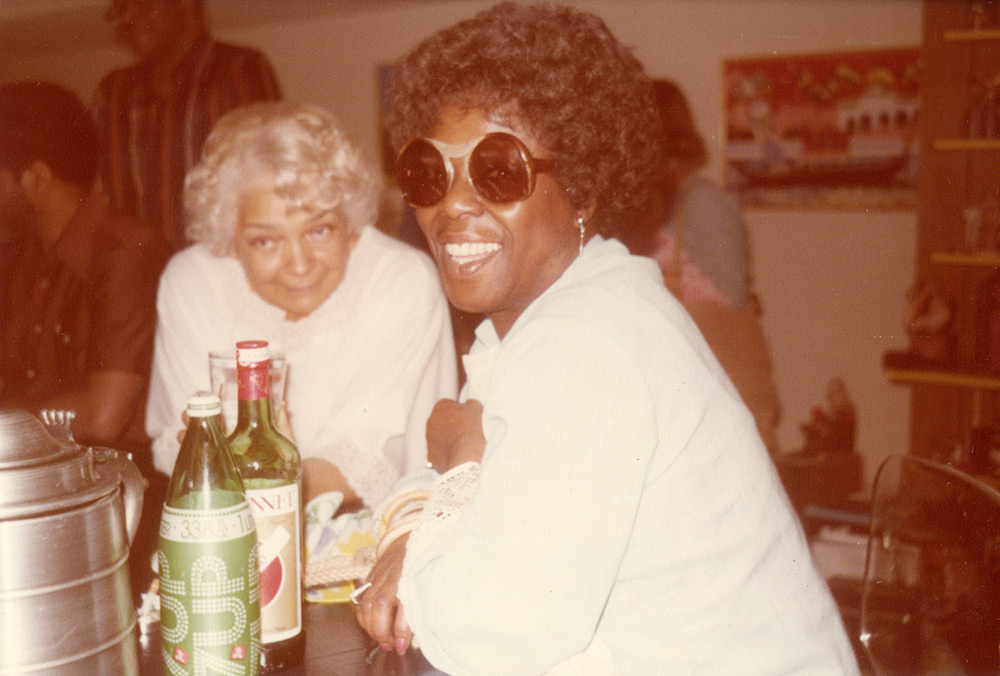
Catherine Basie (left) with legendary jazz singer Sarah Vaughan.
Catherine Basie’s life and accomplishments are also well documented in the collection, including her extensive civic and charity work (for which she was recognized by the major leaders of the day), her background as a dancer and singer, her social network, and the centrality of family in her home life.
The Institute of Jazz Studies is the world’s foremost archives and research library exclusively dedicated to jazz, an American art form that has transformed the world. Founded in 1952 by pioneer jazz scholar Marshall Stearns (1908–1966), IJS has been a leading institution in the preservation and access of jazz heritage. The Institute relocated from Stearns’ apartment to Rutgers University–Newark in 1966 and is part of the Rutgers University Libraries. In 1994, IJS moved to spacious new quarters on the fourth floor of the John Cotton Dana Library at Rutgers–Newark.
Rutgers Health Sciences Libraries (HSL) is pleased to announce the November issue of its Impact e-newsletter. Please click this link to read the latest HSL news, events, and features, including:
New journals: Behavioral Medicine and Annals of LGBTQ Public and Population Health
New video tutorial on finding journals
Welcome to our new work/study students
Subscribe today to get Impact delivered to your inbox!
Blood & Ink explores the slayings of star-crossed New Jersey lovers and how the century-old cold case fed America’s obsession with true crime stories. While conducting his research for the book, Pompeo relied heavily on Special Collections and University Archives (SC/UA), which he says houses the definitive academic archive on the murders. Pompeo used SC/UA’s Hall-Mills Collection, Wallace Conover Papers, and Stevens family letters. This presentation forms part of SC/UA’s Research Salon series, which features researchers who have used SC/UA’s resources in their work. The series is co-sponsored by the New Jersey Studies Academic Alliance.
Blood & Ink was published by William Morrow in September 2022, marking the 100th anniversary of the double murder of Reverend Edward Hall, rector of St. John the Evangelist Episcopal Church in New Brunswick, and Eleanor Mills, a singer in the church choir. The couple was reputedly having a scandalous affair, and their bodies were discovered artfully posed on a notorious lover’s lane on the border of New Brunswick and Somerset. Edward Hall’s wife, Frances, who was related to the wealthy Johnson family, and Eleanor Mills’ husband, Jim, were early suspects in the case. The bungled investigation by the police took years and failed to bring the criminals to justice. The trial featured eccentric characters such as Jane Gibson, a pig farmer who came forward with a purported eyewitness account of the murder and, at one point, testified from a stretcher brought into the courtroom. As well as investigating the fascinating details of the case, Pompeo shows how the rise of New York tabloid journalism and the resulting wars between papers of the 1920s kept the story alive. In an epilogue, Pompeo suggests his own theories on the still-unsolved case.
Over the years, many authors have tried to solve the case, including famed attorney William Kunstler, whose The Minister and the Choir Singer: The Hall-Mills Murder Case (1964) attributed the murders to the Ku Klux Klan. Another theory was offered by former dean Mary S. Hartman, who lived in Frances Hall’s house, now the residence of the Douglass Dean, in “The Hall-Mills Murder Case: The Most Fascinating Un-solved Homicide in America,” The Journal of the Rutgers University Libraries, 1984. The case has also inspired novels and plays, most recently Thou Shall Not, performed at St. John the Evangelist Church by Thinkery & Verse. Blood & Ink is unique in placing the case in the context of the rise of tabloid journalism and the popularity of true crime in the 1920s.
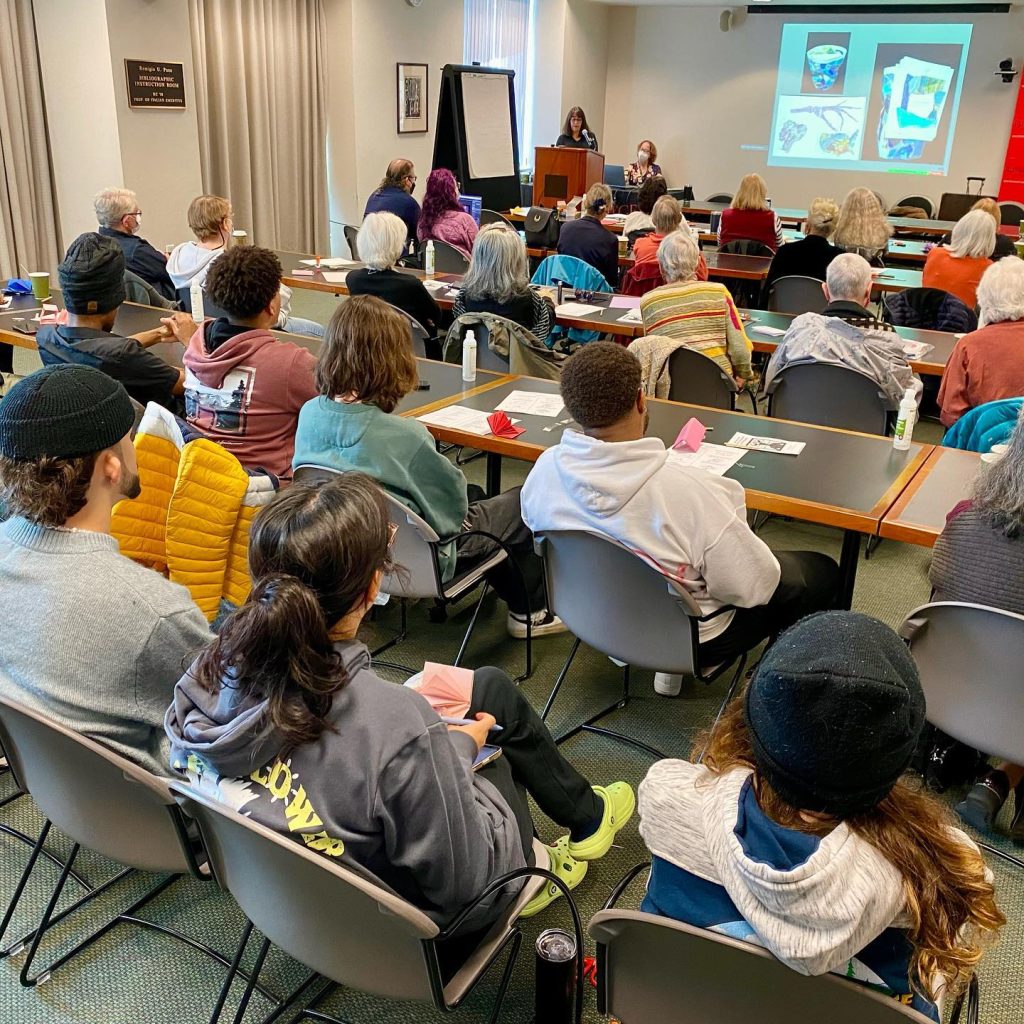
Symposium attendees enjoy Sandra Fernández’s artist presentation.
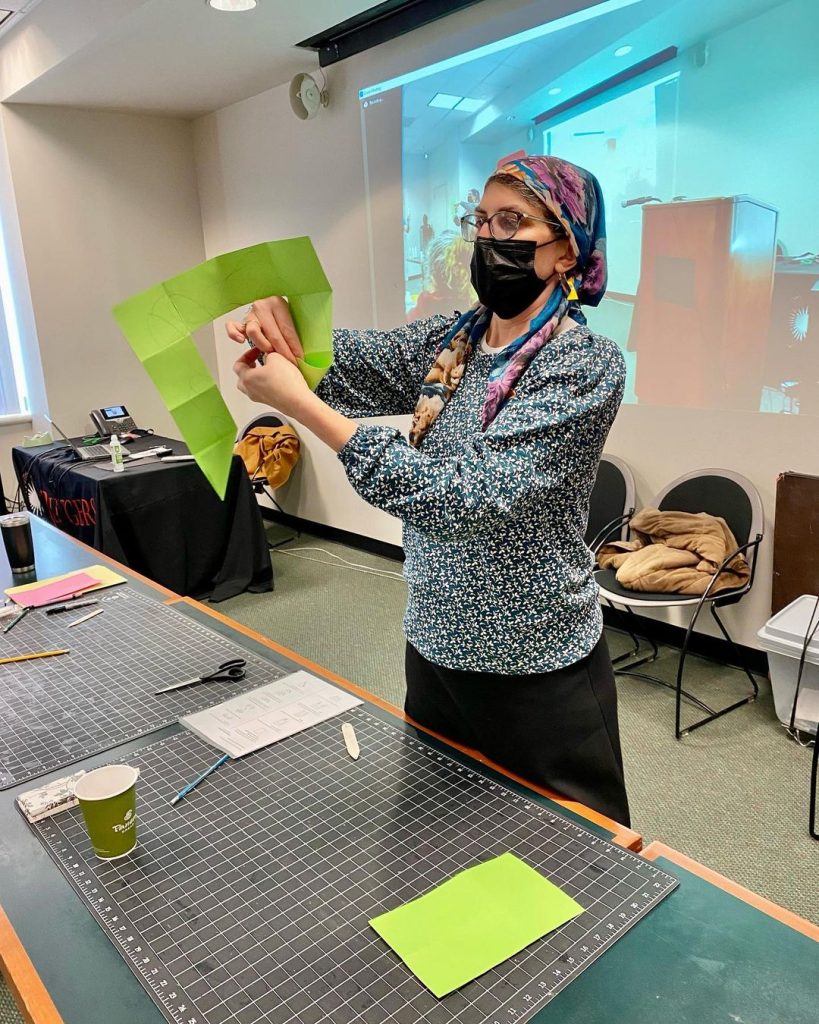
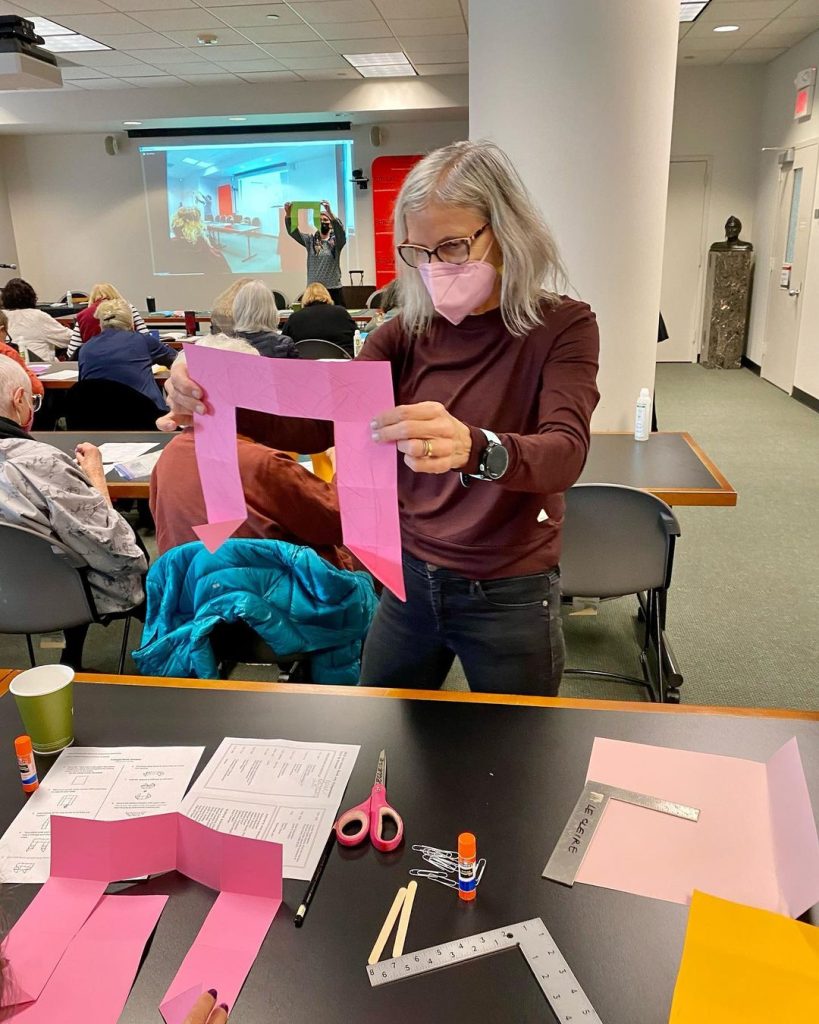
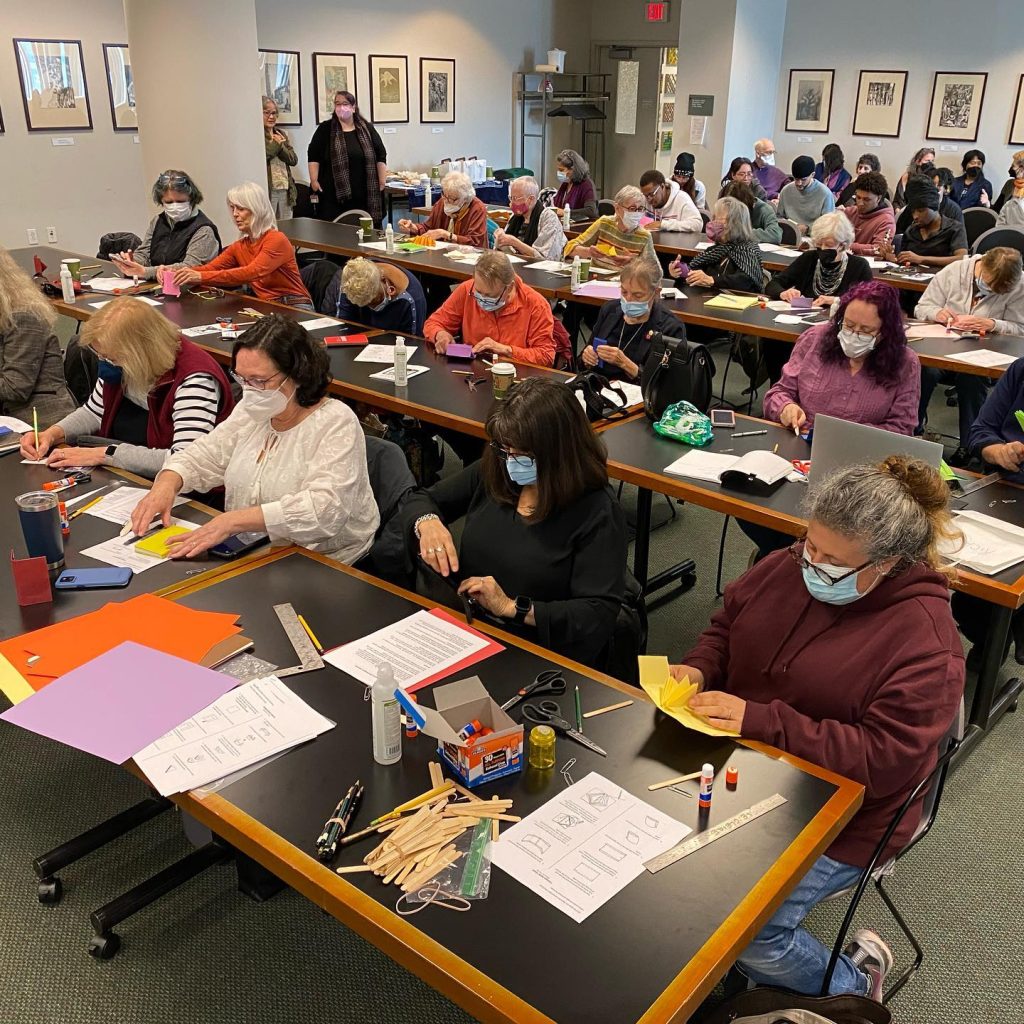
Special Collections and University Archives (SC/UA) hosted the 28th Annual New Jersey Book Arts Symposium (NJBAS) on November 4. The free event drew a capacity crowd in Alexander Library’s Pane Room and featured a workshop, artist presentations, and a panel discussion conducted by notable artists, curators, historians, and technologists. The program included:
To learn more about the NJBAS, please visit exhibits.libraries.rutgers.edu/nj-book-arts. Grant funding for the New Jersey Book Arts Symposium was provided by the Middlesex County Board of County Commissioners through a grant award from the Middlesex County Cultural and Arts Trust Fund. The NJBAS Advisory Board members are Karen Guancione, artistic director; Michael Joseph, founding director; Sonia Yaco, executive director; Martin Antonetti; Judith K. Brodsky; Fernanda Perrone; Amanda Thackray; Suzie Tuchman, and Kate Van Riper.
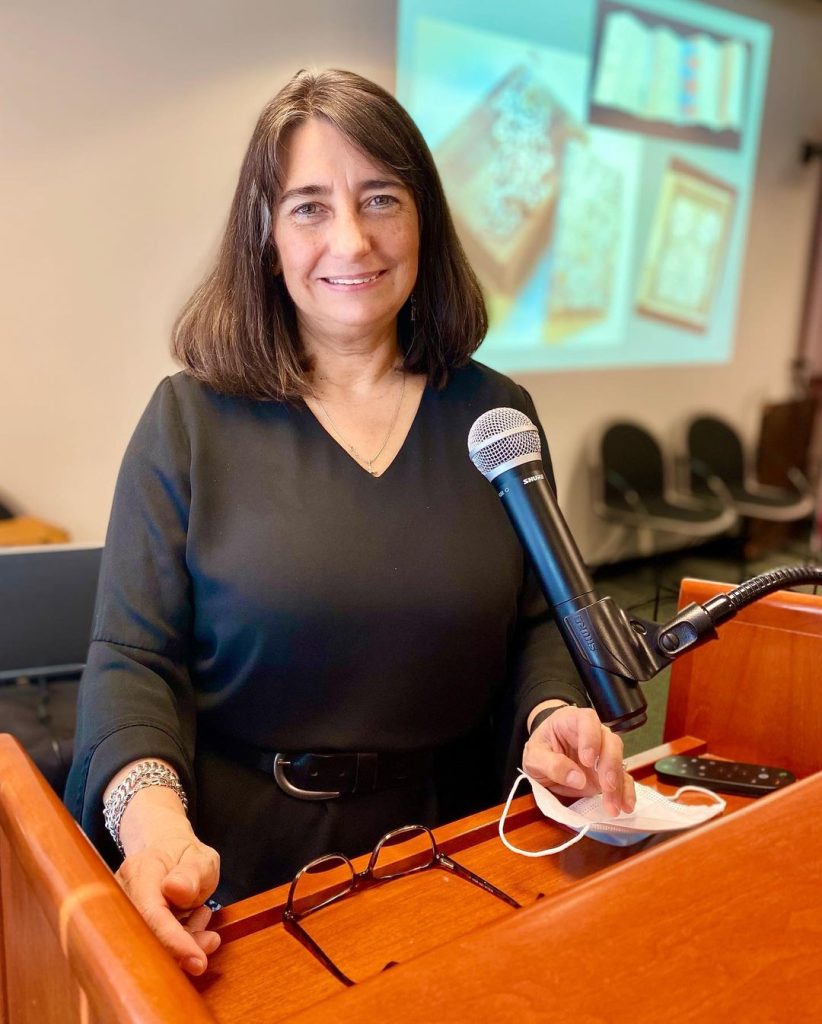
Suzie Tuchman conducts the triangle bookmaking workshop.Catherine LeCleire Wright shows symposium attendees how to create a triangle book.NJBAS attendees make triangle books during the workshop.Artist Sandra C. Fernández delivered a moving presentation about her life and work. Fernández is an Ecuadorian American artist currently living in New Jersey. Her work is rooted in the transborder experiences of exile, dislocation, relocation, memory, and self-conscious identity construction/reconstruction.Béatrice Coron, a renowned paper-cutting artist, and Rick Anderson, Director of Virtual Worlds at Rutgers, are collaborating on The Identity Project, an experiment both in form and content using technology to create an interactive artist book. This collaboration allows words and images to interact and behave in new and exciting ways. The Identity Project is presented by SC/UA. Learn more about the project at go.rutgers.edu/coron.Amee Pollack is a mixed-media and book artist and Senior Advisor and Student Success Counselor in the Department of Art & Design at the Mason Gross School of the Arts. She spoke about her art, which includes three-dimensional, fold-out book sculptures she had created with her artistic partner and close friend, Laurie Spitz, who passed away in 2017. Works by Spitz & Pollack, as their collaboration was known, are in the permanent collections of over 50 organizations, including the Brooklyn Museum, Cooper Hewitt Smithsonian Design Museum, New York Public Library Print Collection, and Yale University. Read more at masongross.rutgers.edu/why-i-made-this-amee-pollack and ameejpollack.com.Featured artist and historian Javiera Barrientos presented “A Personal Catalogue: Bookwork in Contemporary Latin America” and highlighted works by Carlos Oquendo, Maria Lucia Cattani, Francisca Prieto, Isol, Javiera Pintocanales, and Mariana Tocornal.During her curator presentation, Virginia Fabbri Butera interviewed Michael Cooper about the late Rocco Scary’s bookwork. Rocco Scary (1960–2022) was a multidisciplinary artist whose work on paper, in sculpture, and with artist books explored the concept of the identifiers or “triggers” for memory. To learn more about Scary, please visit roccoscary.com. Butera is the director of the Therese A. Maloney Art Gallery. She is also chairperson of the art, dance, and music program and a tenured professor of art history at @saintelizabethuniversity. Cooper is the creative director at Altech Corporation and principal of Cooper Graphics and Cooper Art Works LLC. He has over 40 years of fine art and commercial art experience.NJBAS executive director Sonia Yaco (left) and noted artist and art educator Judith K. Brodsky. Brodsky led the engaging panel discussion that concluded the New Jersey Book Arts Symposium. The lively discussion offered attendees an opportunity to hear more from the guest artists and ask questions. Brodsky highlighted the commonalities between the topics, including technology, social issues, and a sense of play, and encouraged the artists to share their thoughts and processes and talk about the future of books and bookmaking. Brodsky is a Distinguished Professor Emerita in the Mason Gross School of the Arts Department of Visual Arts and the Founding Director of the Rutgers Center for Innovative Print and Paper, which was renamed the Brodsky Center in her honor in 2006 (now The Brodsky Center at PAFA).Panel discussion with the NJBAS’ guest speakers.From left: Karen Guancione, Sandra Fernández, and Sonia Yaco. Guancione is the NJBAS’ artistic director. She creates a vision of the symposium each year and moderates the event. Michael Joseph (below) is the founding director of the NJBAS. He and Karen guide the selection of the artists and help to shape the event. As executive director, Yaco coordinates the event, secures funding, and with Karen and Michael, connects with the New Jersey book arts community.Michael Joseph, founding director of the NJBAS.
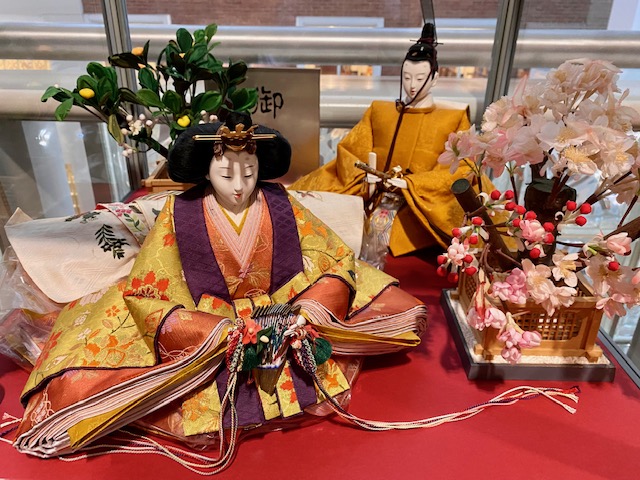
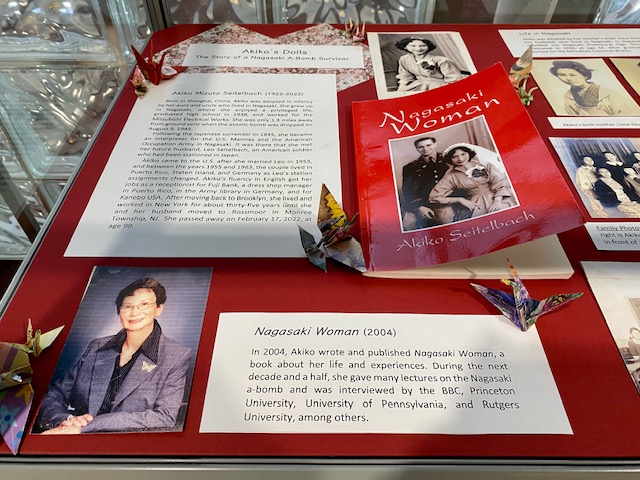
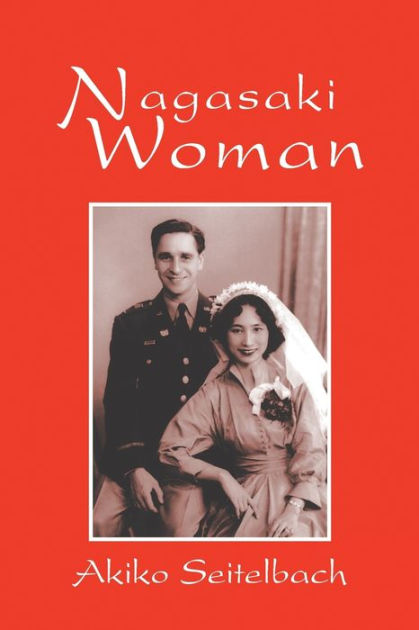
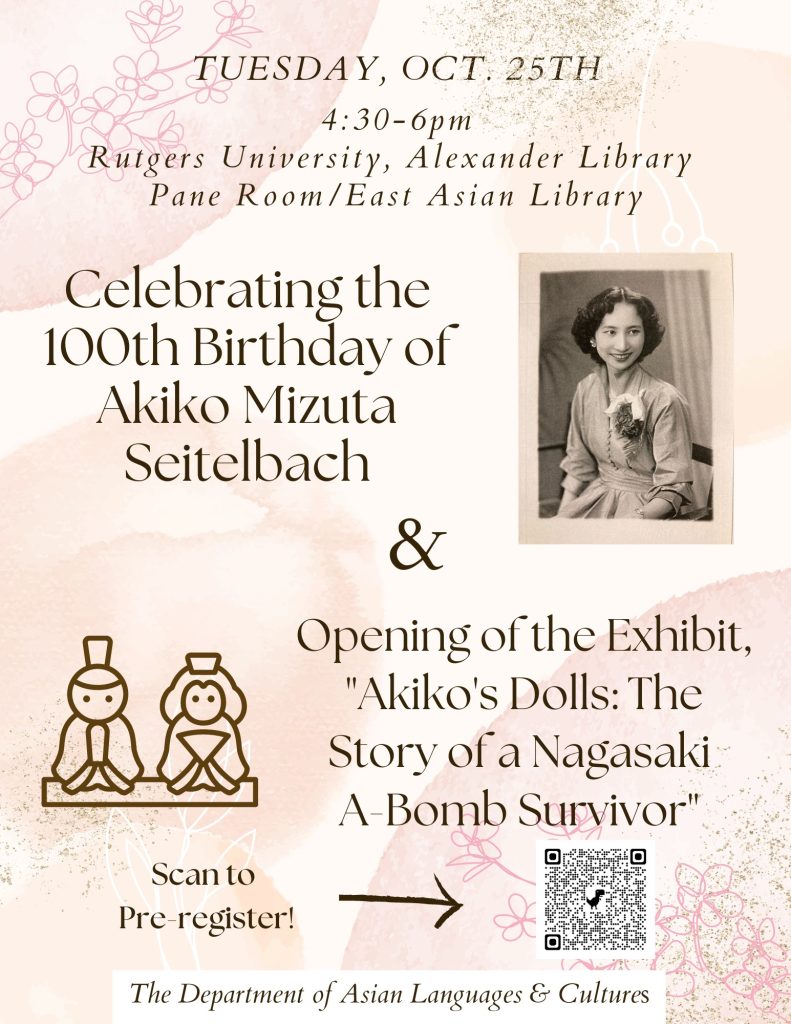
Akiko’s Dolls: The Story of a Nagasaki A-Bomb Survivor is a special exhibition at the East Asian Library that will be displayed through February 2023. The exhibit features dolls, photos, and writings of Akiko Mizuta Seitelbach, a Japanese woman who survived the atomic bombing of Nagasaki. Please stay tuned for more East Asian Library exhibitions.
Dolls for Doll’s Day/Girls’ Day (Hinamatsuri), gift of Akiko Mizuta Seitelbach.
Akiko Mizuta Seitelbach was born on October 25, 1922, in a section of Shanghai that, at the time, was a colony of Japan. Adopted by her aunt and uncle when she was just five months old, Akiko grew up in Nagasaki. She graduated high school in 1938, just as World War II started in Japan. During the war, she worked in the supply office of Mitsubishi Electrical Works. On August 9, 1945, when the atomic bomb was dropped, Akiko was about 1.3 miles from ground zero. She felt firsthand the destruction and desperation of the Japanese people in the days following and after the war ended.
This slideshow requires JavaScript.
Following the Japanese surrender in 1945, Akiko became an interpreter for the U.S. Marines and then the American Army of Occupation in Nagasaki. After marrying an American soldier of the 34th Infantry Regiment in 1953, she came to America and lived at an Army base in Fort Hamilton, Brooklyn. Between 1955 and 1963, Akiko resided in Puerto Rico, Staten Island, then Germany as her husband’s station assignments changed. She worked as a receptionist for Fuji Bank, a dress shop manager in Puerto Rico, in the Army library in Germany, and for Kanebo USA. Following the Cuban Missile Crisis, Akiko moved back to Brooklyn, where she lived and worked for about 35 years until she and her husband moved to Monroe Township, NJ. Akiko passed away aon February 17, 2022.
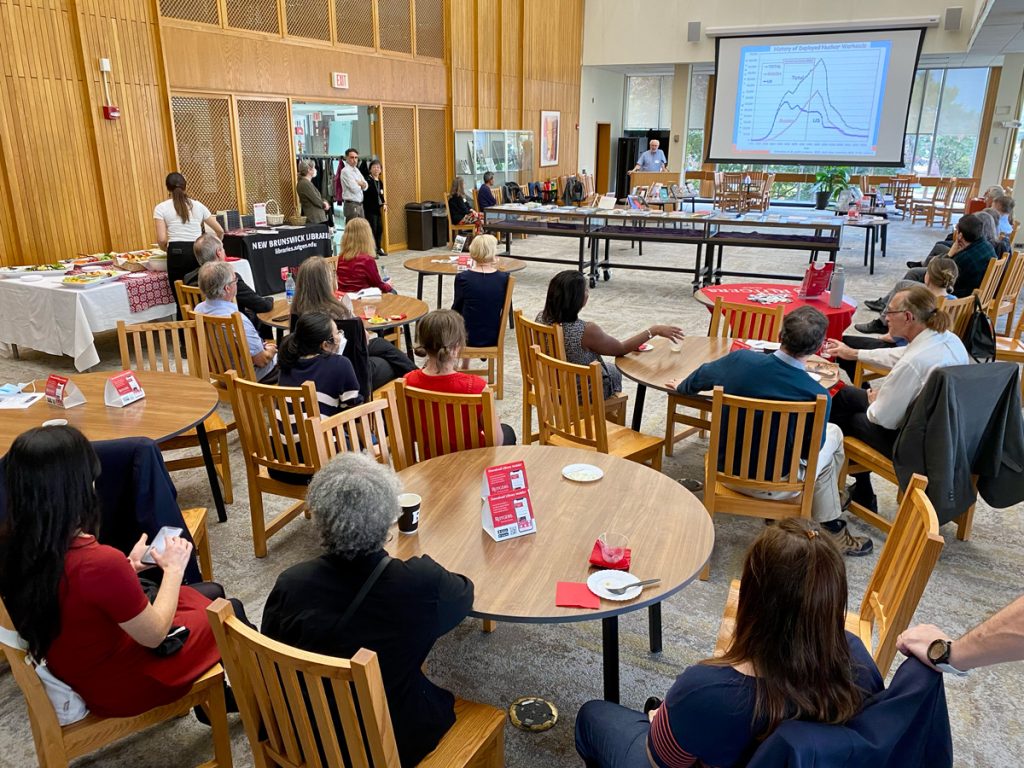
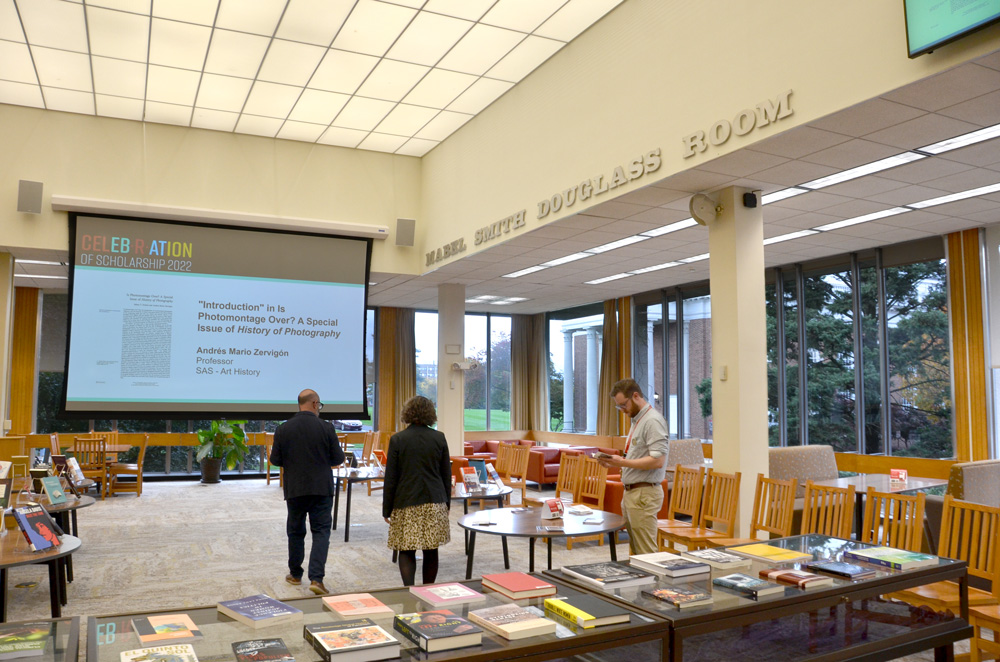
NBL’s Celebration of Scholarship 2022 was held in the Mabel Smith Douglass Room at Douglass Library.
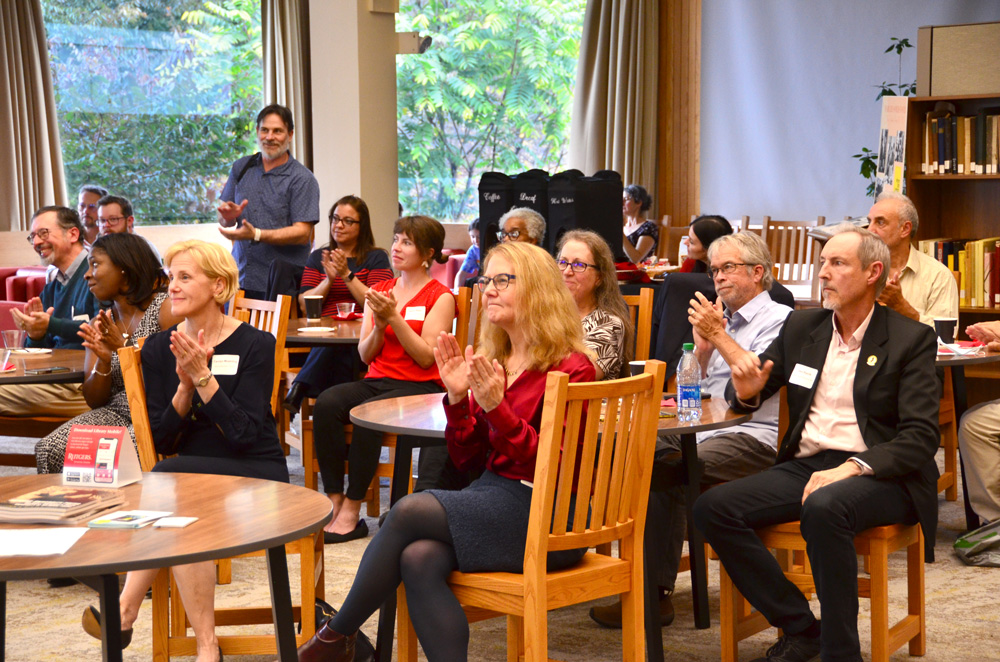
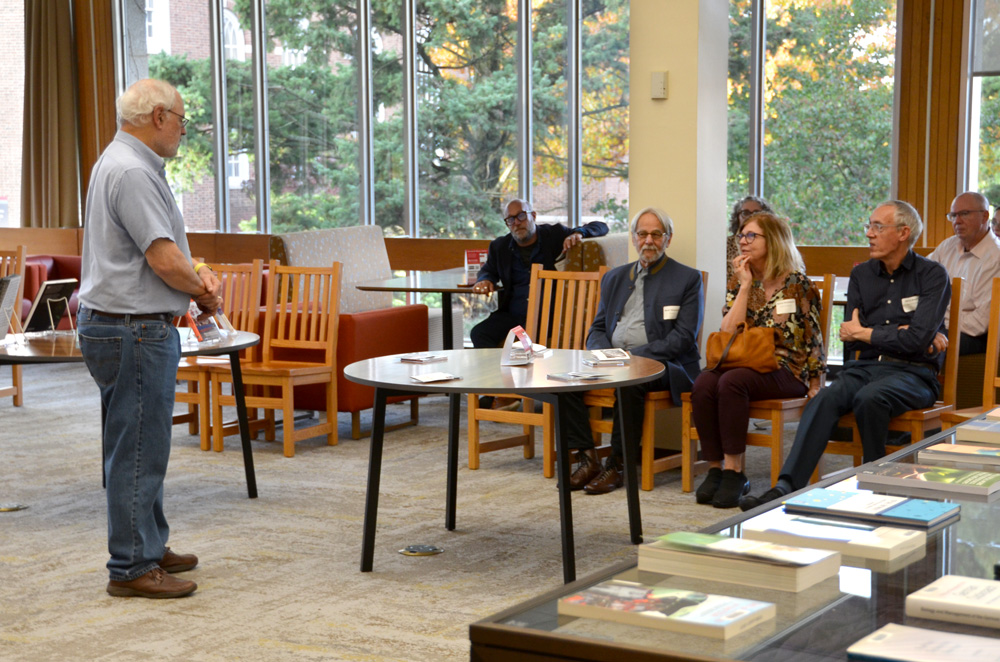
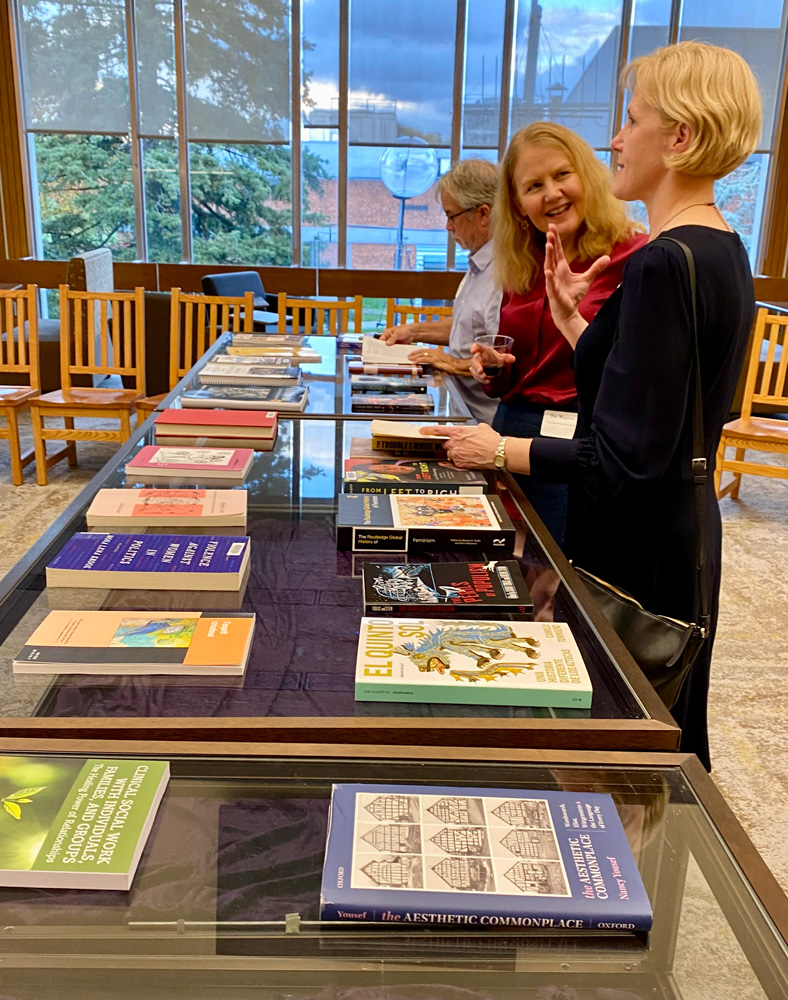
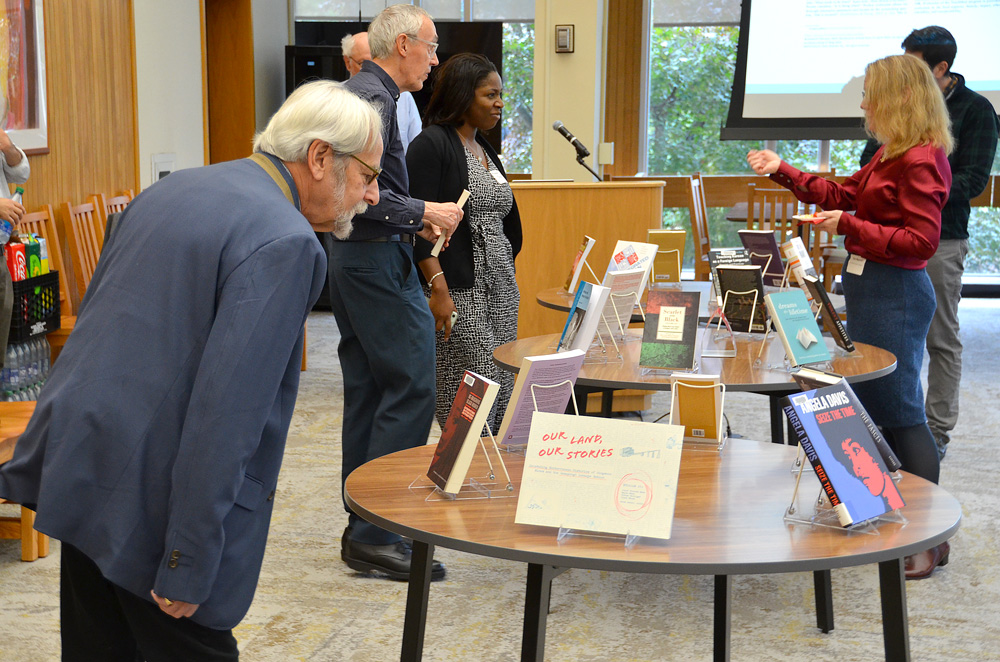
On October 26, New Brunswick Libraries (NBL) hosted their annual Celebration of Scholarship (COS) at Douglass Library to highlight and recognize the scholarly accomplishments of authors and creators across the wide range of disciplines at Rutgers–New Brunswick. More than 60 guests attended the event, which was held in person for the first time since the pandemic.
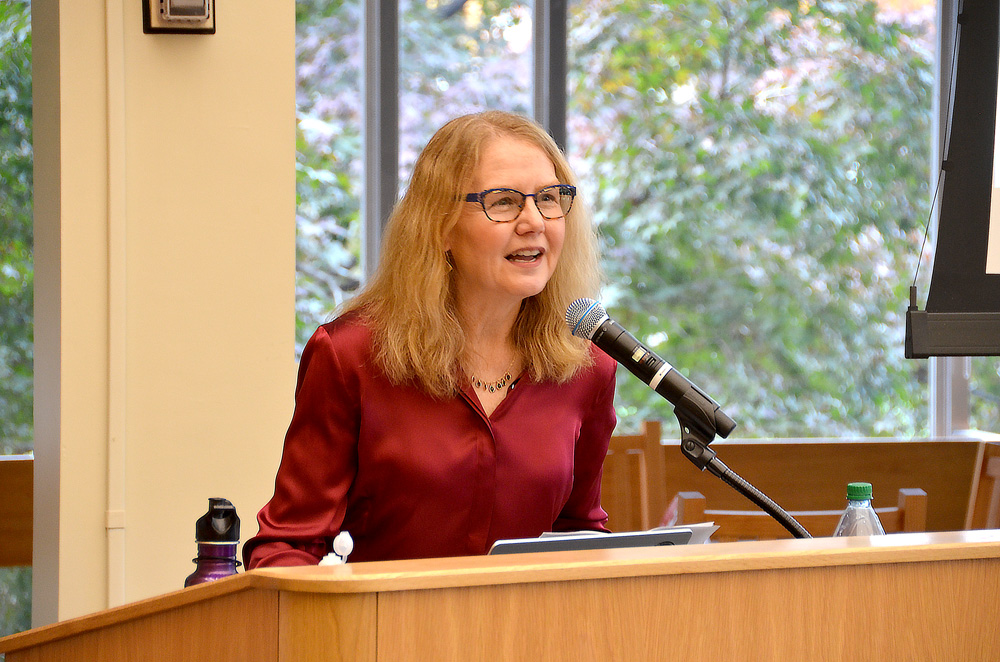
Associate University Librarian for New Brunswick Libraries Dee Magnoni welcomes guests and introduces keynote speaker Dr. Alan Robock.
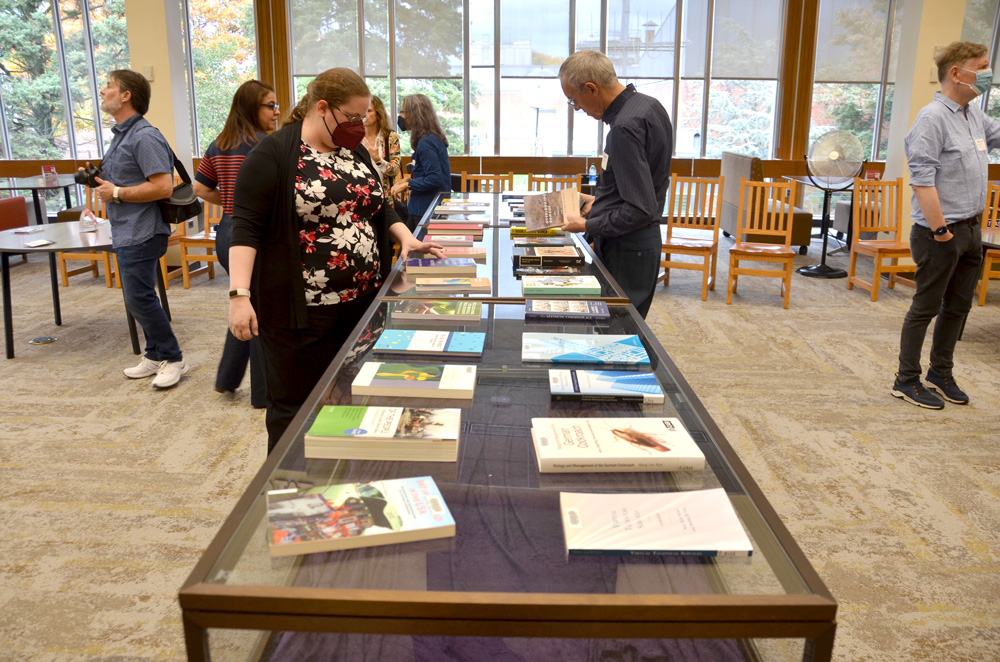
COS 2022 highlighted 256 submissions from all Rutgers–New Brunswick schools, including 135 journal articles, 84 monographs/books, 29 book chapters, seven sound recordings, and one film. These works were displayed in physical and virtual spaces at the library. Follow this link to view the submissions.
This slideshow requires JavaScript.
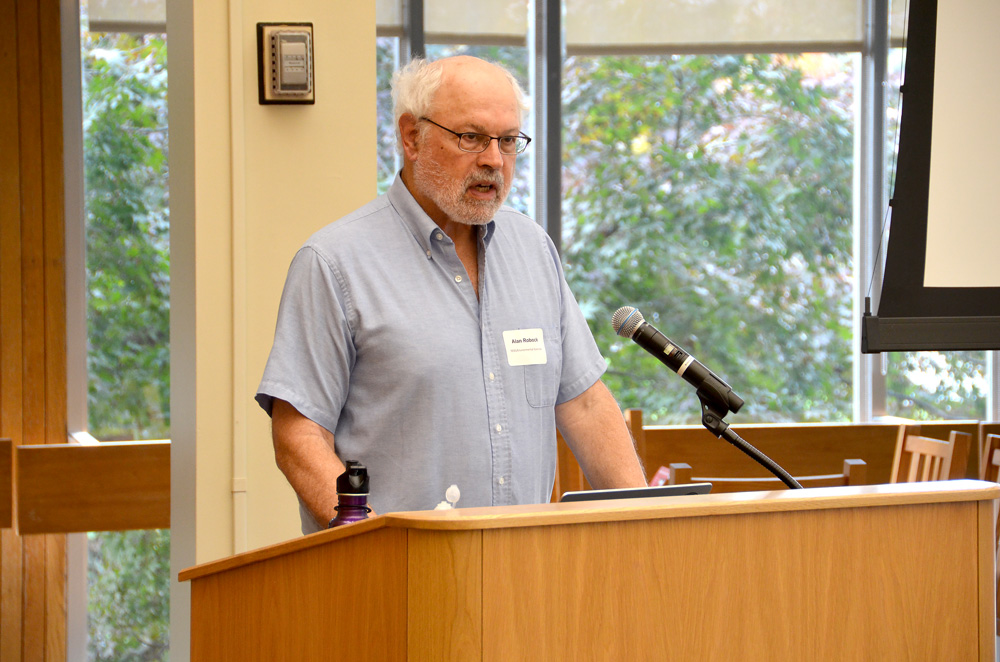
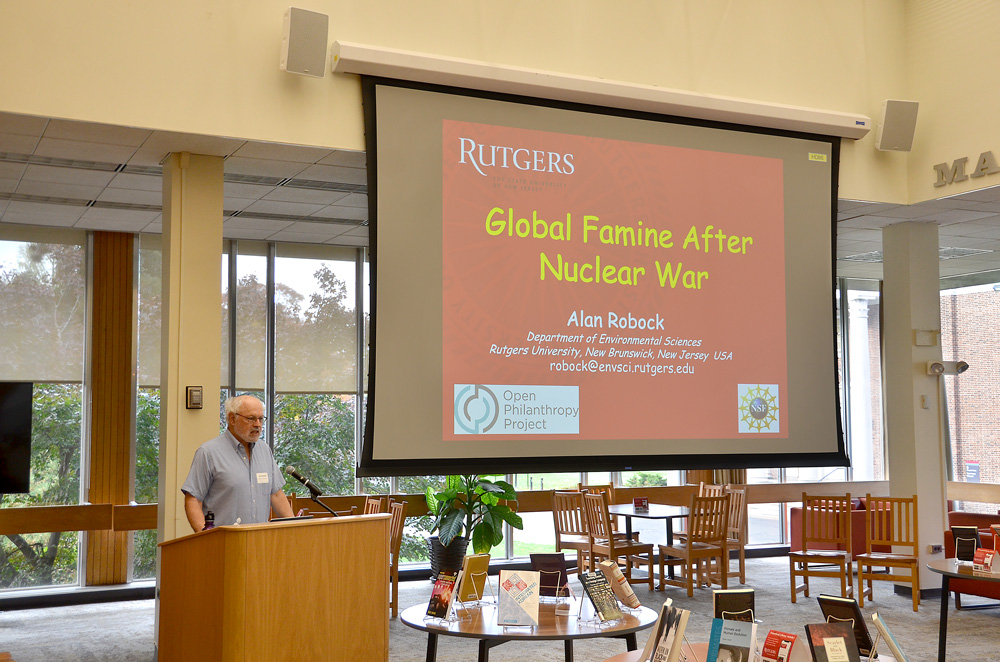
This year’s keynote speaker was renowned climate scientist Alan Robock, a Distinguished Professor of climate science in the Department of Environmental Sciences at Rutgers’ School of Environmental and Biological Sciences. Dr. Robock presented “Global Famine After Nuclear War,” a thoughtful discussion about the catastrophic impact of nuclear war on food security, and then answered questions from the audience.
Dr. Robock at the lectern.Dr. Robock presented “Global Famine After Nuclear War.”
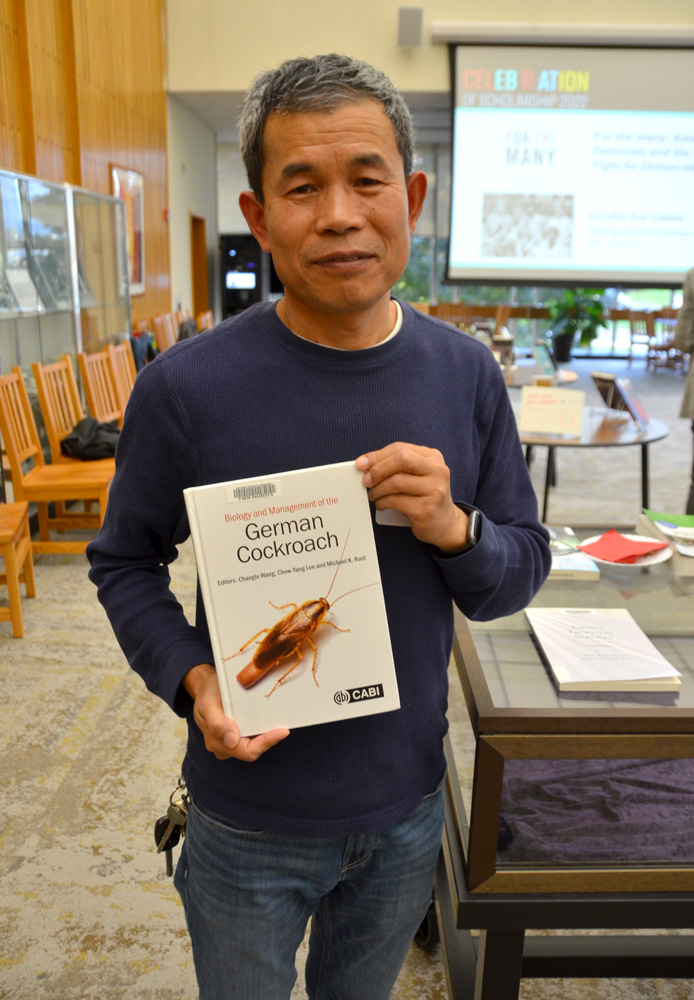
The audience applauds after Dr. Robock’s keynote presentation.Dr. Robock answers questions following his presentation.NBL hosted its Celebration of Scholarship 2022 event at Douglass Library.Guests peruse the Celebration of Scholarship book submissions.Magnoni with Rutgers’ Vice Provost for Undergraduate Education Carolyn Moehling.Associate Professor Martin Gliserman of Rutgers’ School of Arts and Sciences looks over the book display at COS.Dr. Changlu Wang of Rutgers’ Department of Entomology with “Biology and Management of the German Cockroach,” a book he co-wrote with Chow-Yang Lee and Michael K. Rust.
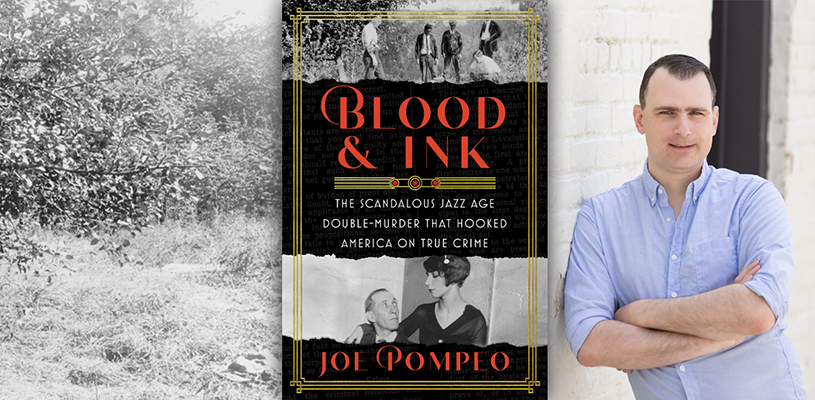
Rutgers University Libraries Special Collections and University Archives (SC/UA) and the New Jersey Studies Academic Alliance (NJSAA) are pleased to host an author talk with Vanity Fair correspondent and Rutgers University alumnus Joe Pompeo on Thursday, November 10, 2022, at 4:00 p.m. via Zoom. Pompeo will speak about his new book on the notorious Hall-Mills murder case, Blood & Ink: The Scandalous Jazz Age Double Murder That Hooked America on True Crime. Please register at this link or visit libcal.rutgers.edu/event/9365079 for more information.
Blood & Ink was published by William Morrow this month, marking the 100th anniversary of the double murder of Reverend Edward Hall, rector of St. John the Evangelist Episcopal Church in New Brunswick, and Eleanor Mills, a singer in the church choir, who were reputedly having a scandalous affair. Their bodies were discovered artfully posed on a notorious lovers’ lane on the border of New Brunswick and Somerset. Edward Hall’s wife, Frances, who was related to the wealthy Johnson family, and Eleanor Mills’ husband Jim were early suspects in the case. The bungled investigation by the police took years and failed to bring any criminals to justice. The much-anticipated trial featured eccentric characters such as Jane Gibson, a pig farmer who came forward with a purported eyewitness account of the murder, at one point testifying from a stretcher brought into the courtroom. As well as investigating the fascinating details of the case, Pompeo shows how the rise of New York tabloid journalism and the resulting wars between papers of the 1920s kept the story alive. In an epilogue, Pompeo suggests his own theories on the still-unsolved case.
Joe Pompeo (photo by New Moon Photography)
In his well-researched book, Pompeo used the Hall-Mills Collection, as well as the Wallace Conover Papers and the Stevens family letters from SC/UA. This presentation forms part of SC/UA’s Research Salon series, which features researchers who have used SC/UA’s resources in their work. It is co-sponsored by the New Jersey Studies Academic Alliance.
Over the years, many authors have tried to solve the case, including famed attorney William Kunstler, whose The Minister and the Choir Singer: The Hall-Mills Murder Case (1964) attributed the murders to the Ku Klux Klan. Another theory was offered by former dean Mary S. Hartman, who lived in Frances Hall’s house, now the residence of the Douglass Dean, in “The Hall-Mills Murder Case: The Most Fascinating Un-solved Homicide in America,” The Journal of the Rutgers University Libraries, 1984. The case has also inspired novels and plays, most recently Thou Shall Not, performed at St. John the Evangelist Church by Thinkery & Verse. Blood & Ink is unique in placing the case in the context of the rise of tabloid journalism and the popularity of true crime in the 1920s.
Joe Pompeo is a correspondent at Vanity Fair who previously worked at publications including Politico and The New York Observer. His writing has also appeared in The New York Times, Bloomberg Businessweek, the Columbia Journalism Review, and many other outlets. He lives in Montclair, New Jersey, with his wife and children.
Rutgers Health Sciences Libraries (HSL) is pleased to announce the inaugural issue of Impact, its new monthly e-newsletter. Please visit go.rutgers.edu/xn910gjj to read the latest HSL news, events, and features:
Save Time: Make an Appointment!
Medical Education Review Blog Celebrates 10th Birthday with 300th Post
Quick Access to PubMed and UpToDate
The next issue will reveal exciting news about EMBASE. Subscribe today to get Impact delivered to your inbox!