Category: University Librarian Report

This the collection of monthly newsletter articles from Krisellen Maloney, Vice President for Information Services and University Librarian.

  • Kicking off Annual Planning and Budget Process with LibQUAL+ Results

    Kicking off Annual Planning and Budget Process with LibQUAL+ Results

    Welcome to July!

    For me, summer has always been a time to catch up, tidy loose ends, reflect, and prepare for the upcoming academic year. As with so many other things, I am learning that at Rutgers things are different.

    As a cost-center, the summer is a time of planning. Our budgets and plans for the following fiscal year have to be ready by October. That means that our plans for 2018 have to be in place this summer. This month, there will be two Cabinet retreats to begin to establish priorities, look at potential projects, and consider budget requests. There will be many conversations in the coming months.

    As we move into planning, one of the most important issues that we will address is the LibQUAL+ results. I talked about these a bit at the Spring Town Hall, but since these will be at the heart of our planning efforts, it is worth spending more time studying these.

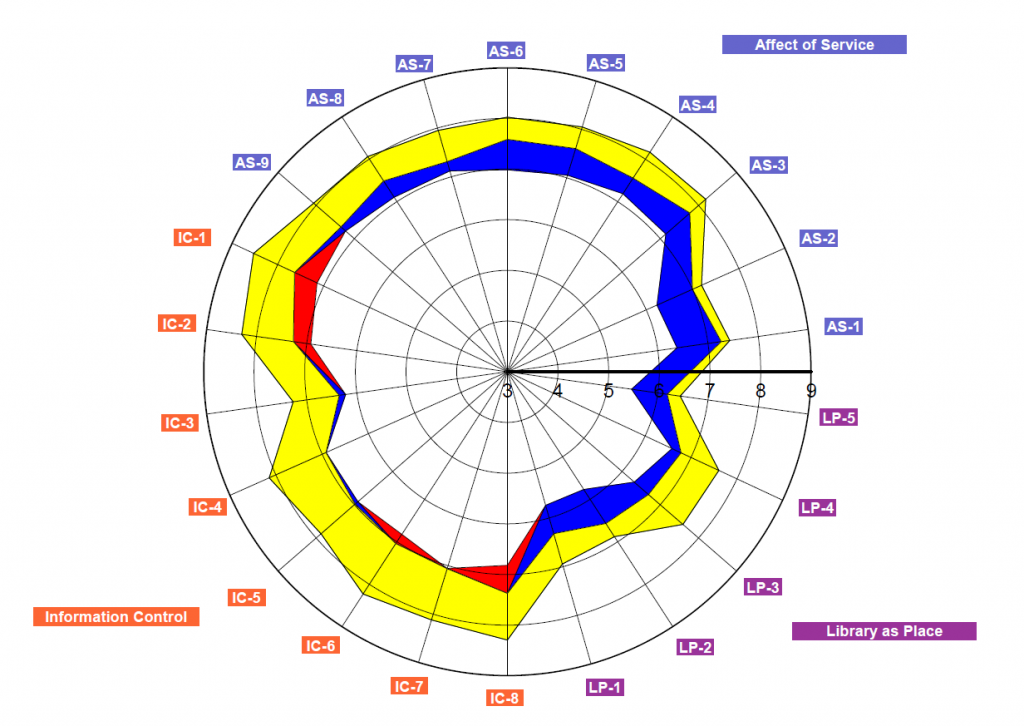
    Overall, our results were good. However, there was a consistent finding, across libraries and universities, that the Information Control dimension did not meet faculty expectations. This graph from the LibQUAL+ results shows the combined results for all 1,200 faculty respondents:

    lib qual survey graph
    This graph is from section 6.2 – Core Questions Summary for Faculty (page 73 of 13501-2 Rutgers University Libraries.pdf available on T:\CENTRAL\Assessments\LibQUAL 2016 Reports).

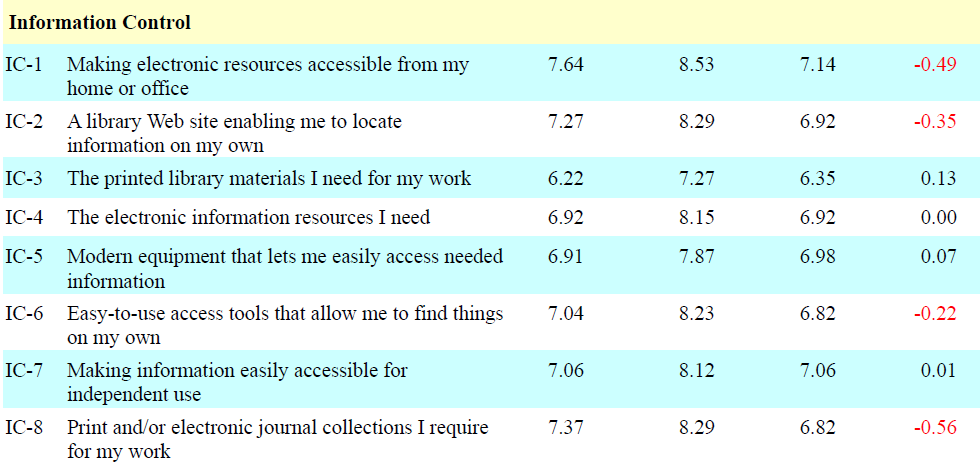
    Here is a table form of the same information:

    lib qual chart
    The first column represents the minimum mean, the second is the desired mean, the third is the perceived mean, and the fourth is the adequacy mean.

    But what does this mean? LibQUAL+ does a good job of showing us where we are doing well and where we might improve. However, LibQUAL+ doesn’t tell us why and understanding why is the first step in solving the problems.

    When we look at IC-1 and IC-8 together, it is not clear if the problem is lack of collections or difficulty finding the collections. How do the website (IC-2) and access tools (IC-6) contribute to the perception that our collections are below expectations? These are not problems that are simply solved by purchasing more collections or by making improvements to the search functions of our website. They require a multi-pronged approach that balance collections needs and ease of discovery.

    This year, using both one-time funding and new funding from the chancellors, we have made some substantial additions to our collections. These additions include:

    • SWANK Digital Campus subscription: 250 feature films selected by instructors
    • UpToDate: an evidence-based clinical resource
    • Sage Journals: Approximately 180 additional Social Sciences, Health Sciences and Science Journals
    • Wiley Journals: Approximately 880 Science, Technology, Medicine, Social Sciences and Humanities Journal
    • EBSCO e-books: 850 e-book titles selected by faculty and students
    • Springer e-books: Approximately 2300 Biomedical/Life Sciences, Engineering, and Medicine
    • American Institute of Physics (AIP) Digital Archive: Digital backfiles of 12 journals and conference proceedings
    • Oxford Journal Archive: Backfiles of about 150 Science and Medicine Journals
    • Wiley Journal: Digital backfiles of about 800 Science, Technology, Medicine, Social Sciences and Humanities Journals

    In addition, we eliminated the fees charged for requesting articles through ILL.

    In the coming year, we need to continue to make smart decisions about new collections and resources and I am confident that the Collection Analysis Group and the Selectors are moving in the right direction. But we must also look more deeply into our access infrastructure, making it easier for faculty to find the information they need. Moving in this direction will take a large amount of coordination, an effort kicked off by the new discovery working group charge.

    The LibQUAL+ results provide us with a tremendous amount of information and highlight opportunities for improvement. I expect that looking deeper at these issues will be a priority in the upcoming year and look forward to seeing what we can accomplish together.

    Save

  • From Townhall to Rutgers Day, We Have a Lot to Celebrate

    From Townhall to Rutgers Day, We Have a Lot to Celebrate

    Hello all –

    I hope you all enjoyed the Townhall meeting last week. It was great to see so many of our colleagues virtually and in-person and to review all the ways we’ve moved forward on the priorities we identified at the State of the Libraries in the fall. The presentation by the architects provided us with a glimpse of how the spaces in our libraries are currently configured providing a baseline for planning for the changes that will meet the needs of the students and faculty. The LibQUAL+ survey results give us insight into what our users really think of the services we provide – which are necessary or optional, where we meet their expectations and where we don’t.  Together, these provide us with a strong foundation for planning.

    We are coming up with ways to share all the graphs and comments from LibQUAL+ with the Libraries’ faculty and staff, so look for this soon. I expect this will generate a lot of discussion and activity for us all, but in the meantime, with Memorial Day behind us and the summer yawning ahead, I wanted to take a breather and look back at one of the most popular and fun events the Libraries take part in…Rutgers Day!

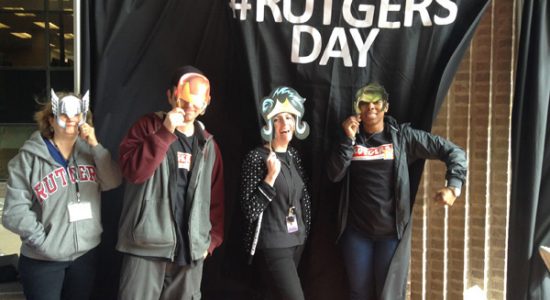
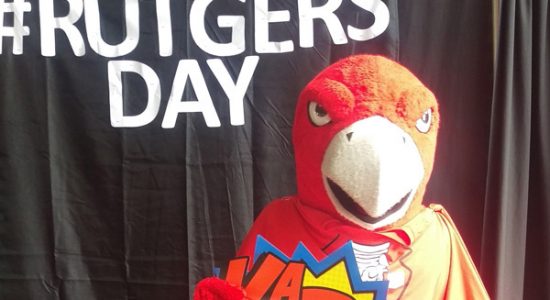
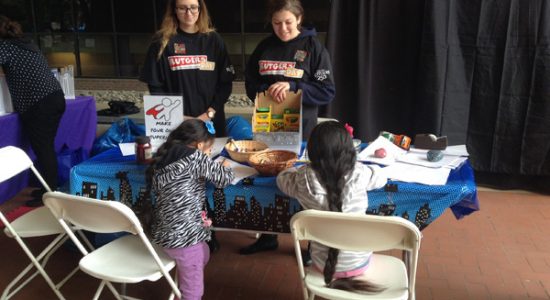
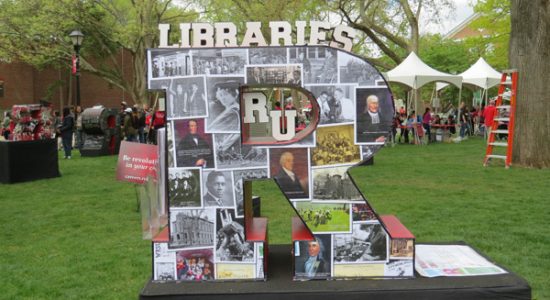
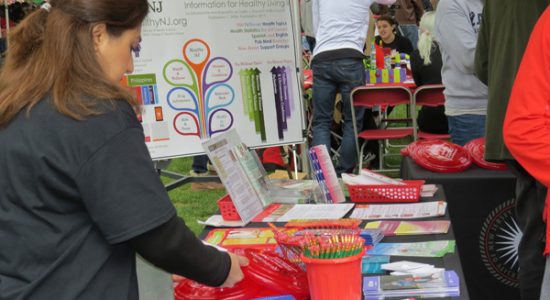
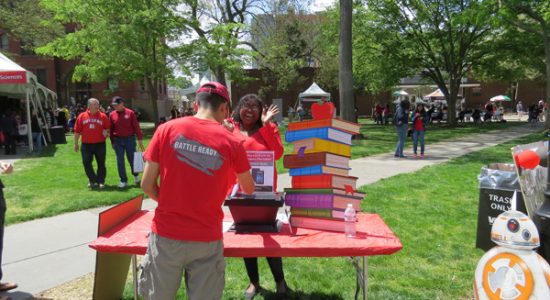
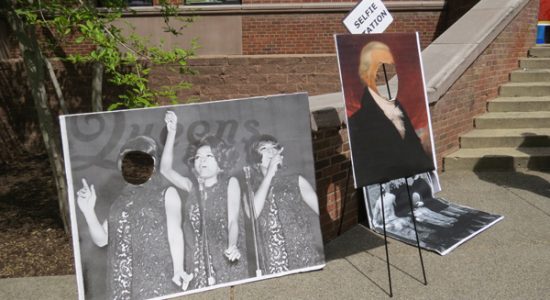
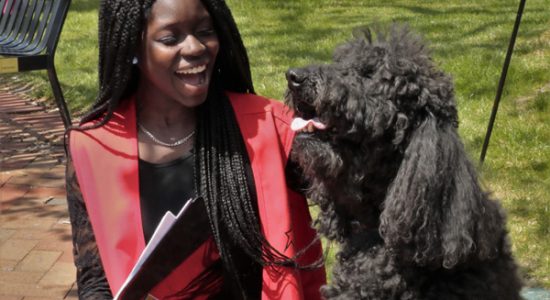
    As you all know, Rutgers Day was expanded to Newark and Camden this year, in addition to sites in New Brunswick at Busch and College Ave. Each site celebrated the day a little differently, but across the board, I heard nothing but praise for our displays and activities. Thank you for taking the time to make the Libraries’ contributions to Rutgers Day exceptional in every way.

    From Newark bringing a bona fide Star Wars actor to campus and showcasing the activities of the archivists and IJS, to Camden collaborating with the public library branch to bring touches of superhero whimsy to campus, to New Brunswick inviting some impressive student athletes to read in our children’s reading corner—major effort went into making sure the Libraries’ booths and stands stood out from the crowd. Thank you to all of the volunteers who took time out of a sunny weekend day to participate in Rutgers Day and a special thanks to the members of the Rutgers Day committee who put it all together!

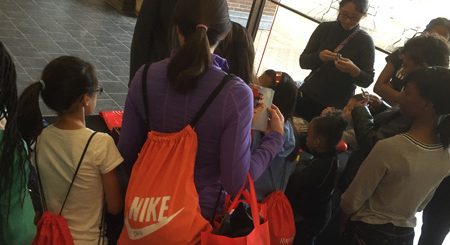
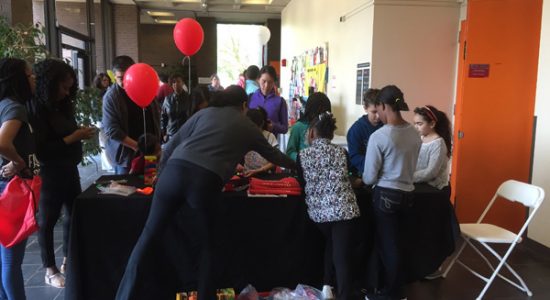
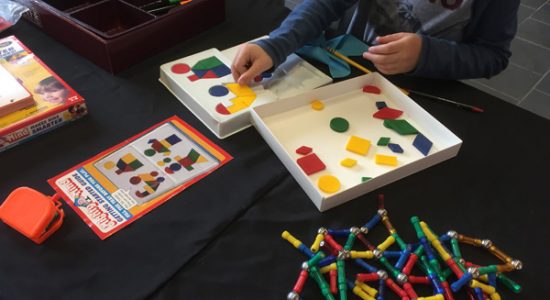
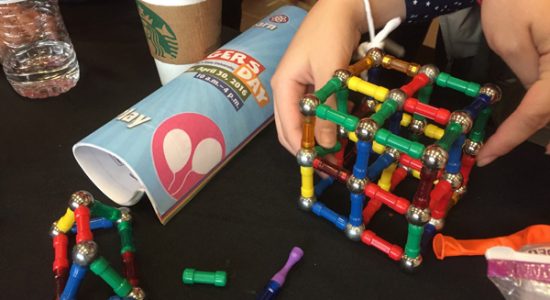
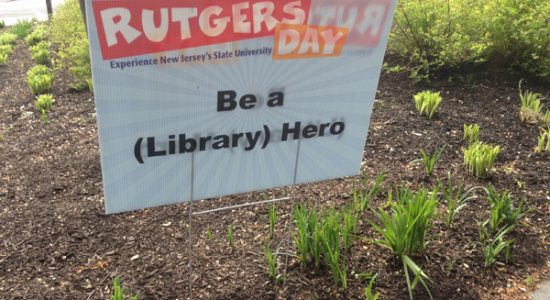
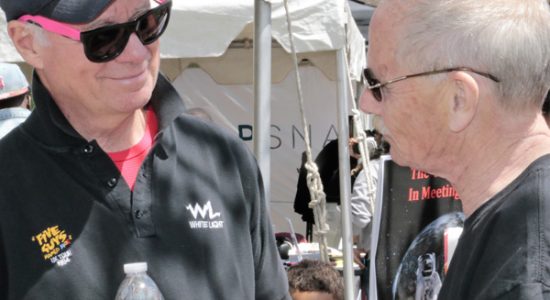
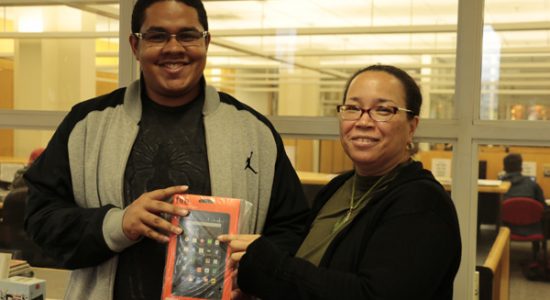
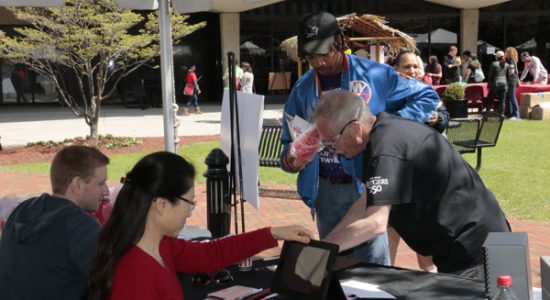
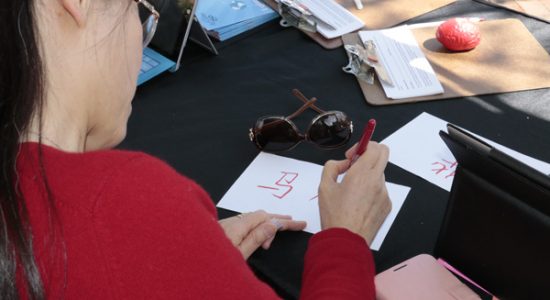
    Most of us only get to see one part of Rutgers Day, so I hope you enjoy the photographs below.

    Thank you,

    Kris


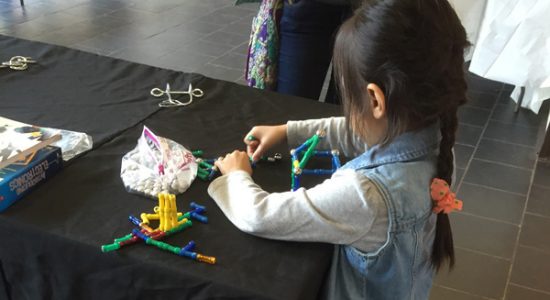
    • Hands-on Rutgers Day activities on the Busch campus.


    Thank you to our Rutgers Day volunteers:

    Busch:

    Students:

    Jenali Patel

    Jacek Zmuda


    Faculty & Staff:

    Mei Ling Lo (Chair)


    Camden:

    Students:

    Amanda Deptula

    Alex Carrigan


    Faculty & Staff:

    Zara Wilkinson (Chair)

    Julie Still

    Vibiana Cvetkovic

    Monique Whittle

    John Gibson

    Melinda Aviles

    Theresa Macklin


    New Brunswick:

    Joe Abraham

    Matt Badessa

    Marty Barnett

    Isaiah Beard

    Jeanne Boyle

    Stacey Carton

    Henry Charles

    Judith Cohn

    Peggy Dreker

    Melissa Gasparatto

    Marianne Gaunt

    Mina Ghajar

    Erika Gorder

    Bela Gupta

    Pam Hargwood (co-chair)

    Zachary Johnson

    Melissa Just

    Kim Kaiser

    Rob Krack

    Linda Langschied

    Tara Maharjan

    Jackie Mardikian

    Jim Niessen

    Erica Parin (co-chair)

    Jessica Pellien

    Tonie Perkins

    Roselyn Riley

    Kati Ritter

    Sheridan Sayles

    Connie Wu

    Tao Yang

    Katrina Zwaaf


    Newark:

    Consuella Askew

    Dorothy Grauer

    Maggie Harris-Clark

    Tad Hershorn (chair)

    James McElroy (Graduate student, assistant to IJS Associate Director Adriana Cuervo)

    Mark Papianni

    Vincent Pelote

    Marlene Reilly

    Chris Singh

    Wen-Hua Ren

    Elizabeth Surles

    Ann Watkins

    Krista White


    If your name does not appear on this list and you volunteered at Rutgers Day, please email Jessica Pellien to have it corrected.


  • University Librarian Report: Update on Budget for 2016-2017

    University Librarian Report: Update on Budget for 2016-2017

    Krisellen Maloney, Vice President for Information Services and University Librarian
    Krisellen Maloney, Vice President for Information Services and University Librarian

    Hello all –

    Few things impact the function of the Libraries more than the outcome of the lengthy budget process we undertake each year. This year, our budget requests were made in the context of the RCM budget model in which the Libraries must demonstrate the value of their requests to the Chancellors at each university and ask for funding of both central and local components of our expenses.

    I am happy to report that many of our requests have been approved, including:

    1. $256,198 – Specialized clinical resources – Central
    2. $200,000 – Nature/Springer STM e books – Central
    3. $21,000 – Pharmacy resources, previously paid directly by Pharmacy – Central
    4. $87,000 – Computer refresh – NB
    5. $24,000 – Computer refresh – RBHS
    6. $10,000 – Extended hours – Newark
    7. $TBD – extended hours – Alex NB (Chancellor funding directly as trial)
    8. $20,000 – Evening staff – RBHS (no longer to be paid directly by NJMS & GSBS)
    9. $TBD – Extended hours – Kilmer NB (Chancellor funding directly cost as trial)
    10. $36,000 – Permanent late hours guard – RBHS
    11. $42,000 – Salary adjustments – RBHS
    12. $14,749 – partial elimination of salary vacancy factor

    You can view the original budget request here. [.docx]

    These allocations directly support the priorities we discussed the State of the Libraries presentation in November 2015 to enhance undergraduate support, identify resources for advanced research support, and optimize collection development and management.

    Although we are still in the process of understanding how best to align our collection-related allocations with University priorities, we knew that our STM collection spending had not kept pace with the changes in the University. Items 1, 2, and 3 will allow us to immediately improve our STM collections and avoid reallocating funding from other areas until a complete study can be conducted. Items 4, 6, and 7 will greatly enhance undergraduate education with extended hours and computer refresh. Graduate students are the primary student base for the RBHS libraries, so parallel group of requests for the Health Sciences will expand service hours and provide a computer refresh (items 5, 8, and 10). Items 11 and 12 will allow RBHS libraries to tie up loose ends related to the integration. In addition, but not on the list, Camden funded a new NTT librarian to provide library support during all hours the library is open.

    The New Brunswick request for expansion of hours (item 7 and 9) to 24/5 in Alex and Kilmer was for over $500K, but the actual funds remain TBD. While we have agreed to move forward with a trial, the Chancellor has asked us to provide some lower cost options for discussion.

    All told, the definite funding totals $711K and if the overnight is funded at even half the level of request, our overall increase will be just below $1M. This is fantastic news!

    The only bad news that we received is that the University will only fund 1% of the 2% salary increases in 2017. For us, that means that we will have to fund approximately $210K of increases with existing salary funds.

    When everything is accounted for, we expect that we will have an additional $750K in permanent funding. We still have to make it over one additional hurdle. In June, the legislature will meet to decide the overall University budget. If University experiences a budget cut, the cut may be passed on to us. Let’s keep our fingers crossed and hope for the best.

    Having this additional budget will help us do so much over the next fiscal year, but it is also a significant reminder of the value of the Libraries and our services to the Chancellors and the institutions we serve. Please join me in celebrating this outcome and also in thanking our many colleagues who helped assemble the budget request and participated in budget meetings.

    Thank you,
    Kris

    Save

  • University Librarian Report: Update on Master Space Plan

    University Librarian Report: Update on Master Space Plan


    Krisellen Maloney, Vice President for Information Services and University Librarian
    Krisellen Maloney, Vice President for Information Services and University Librarian

    Hello all –

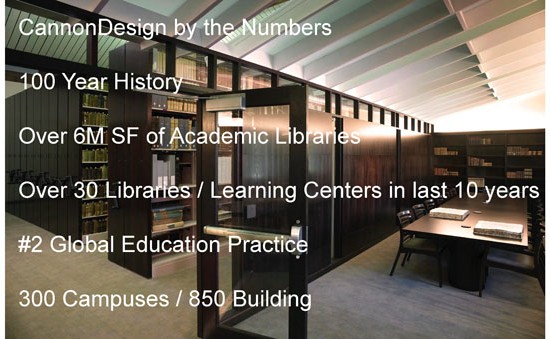
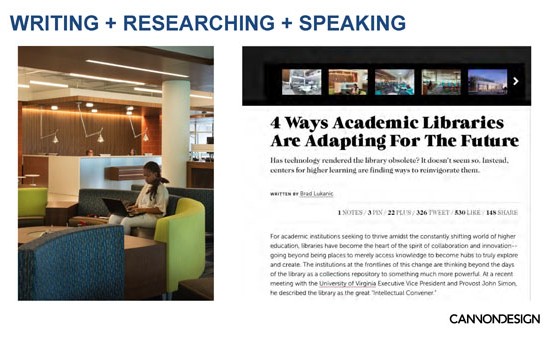
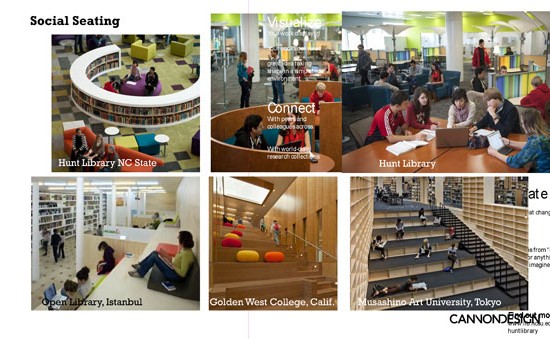
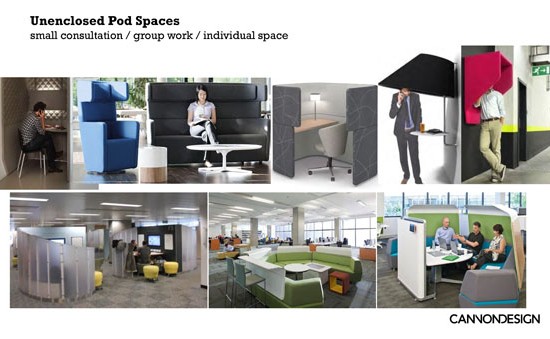
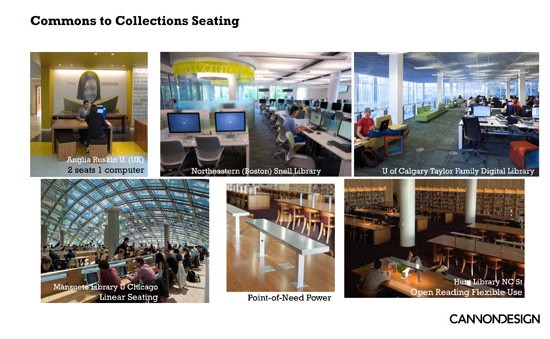
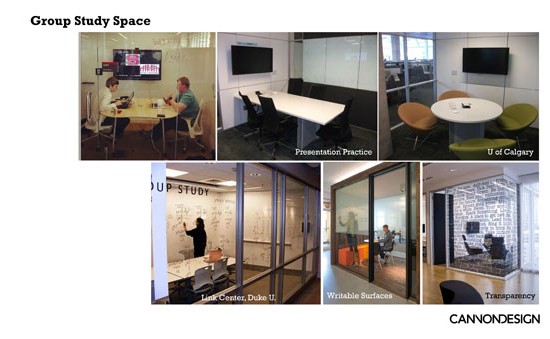
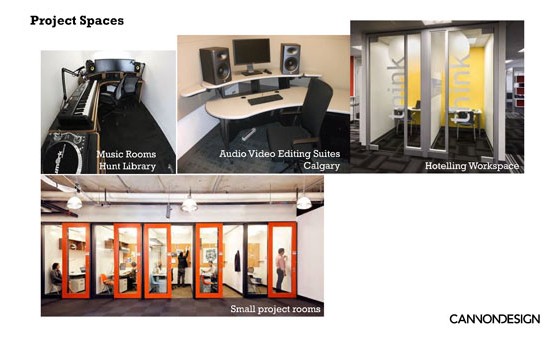
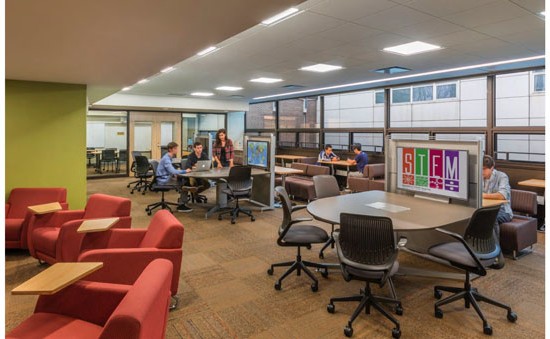
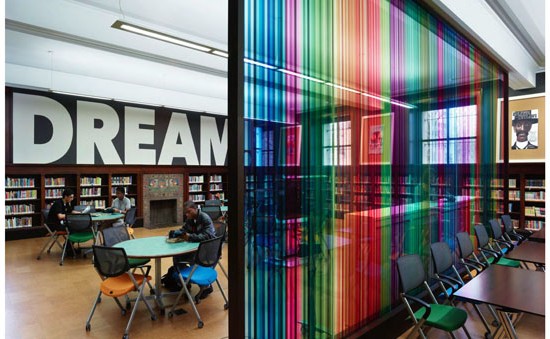
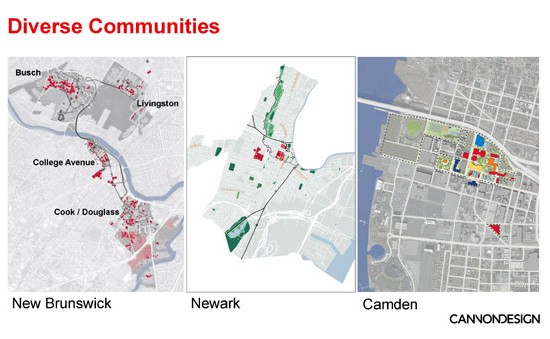
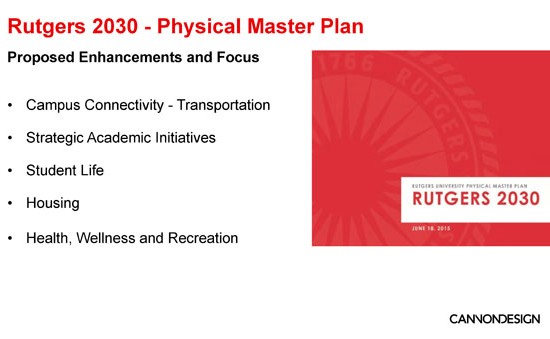
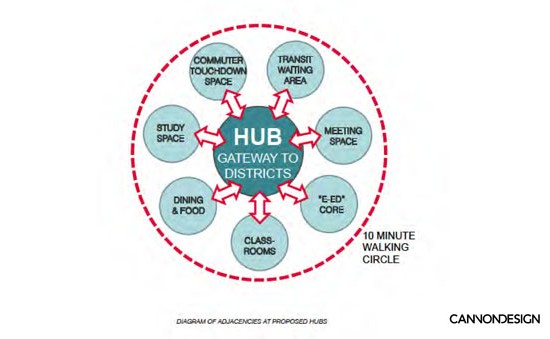
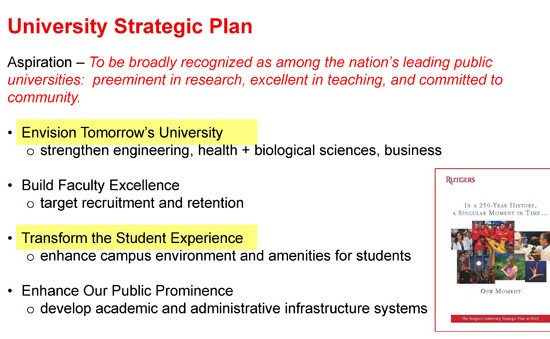
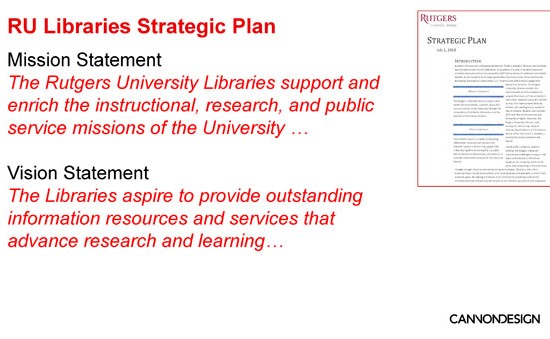
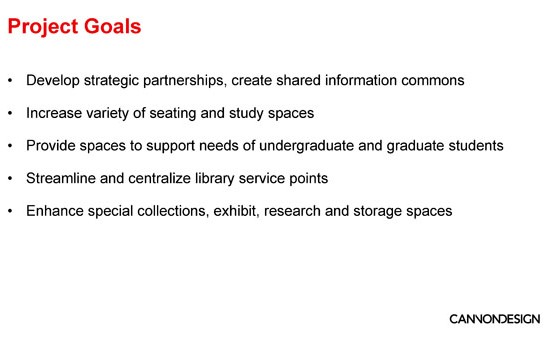
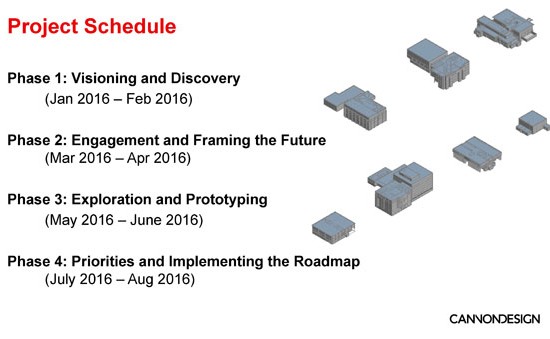
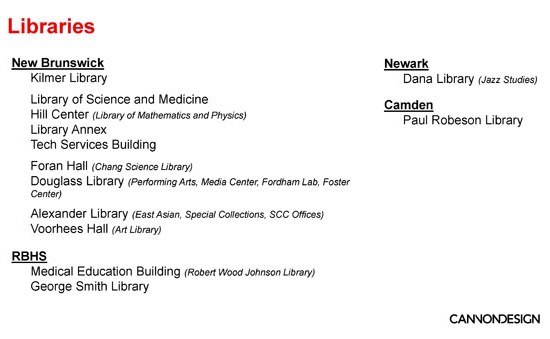
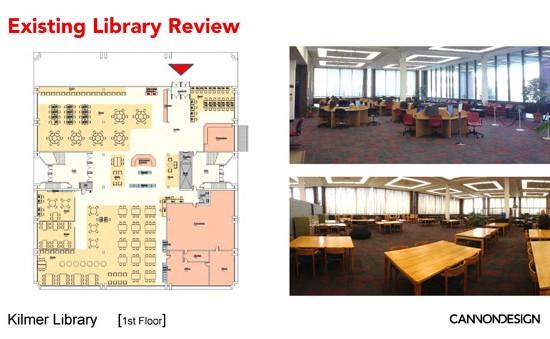
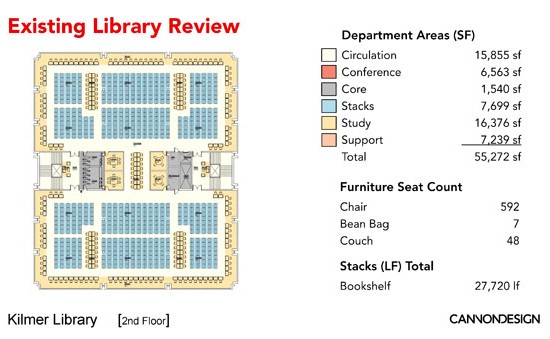
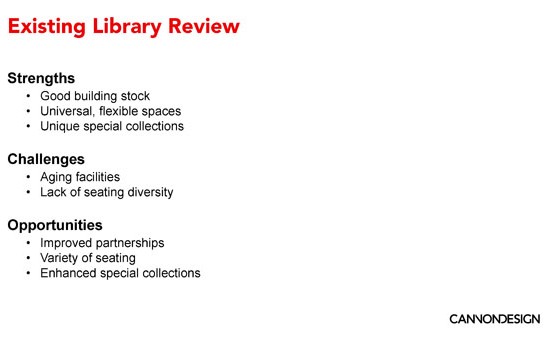
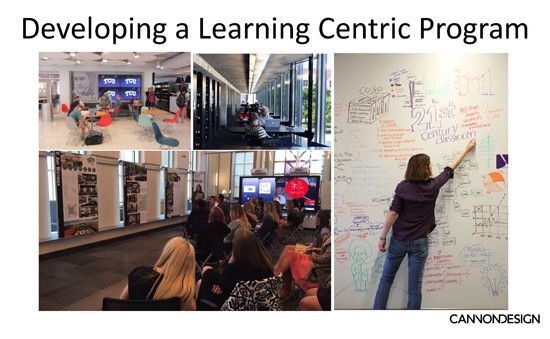
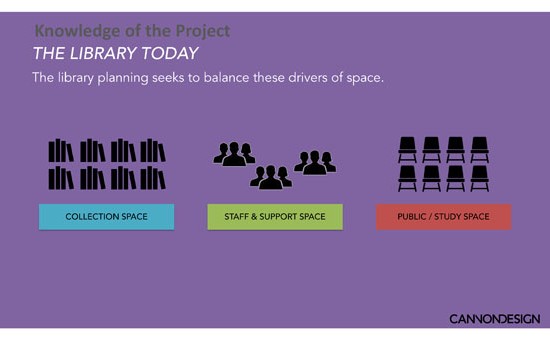
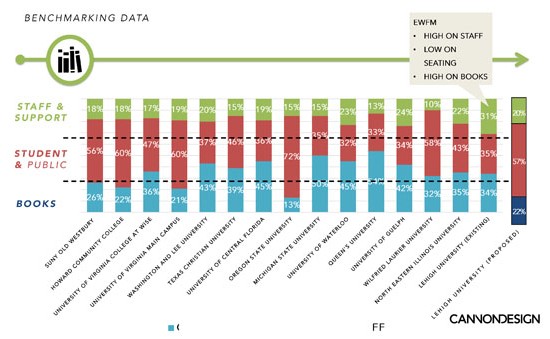
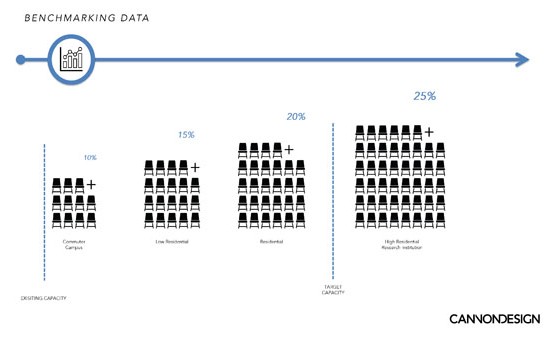
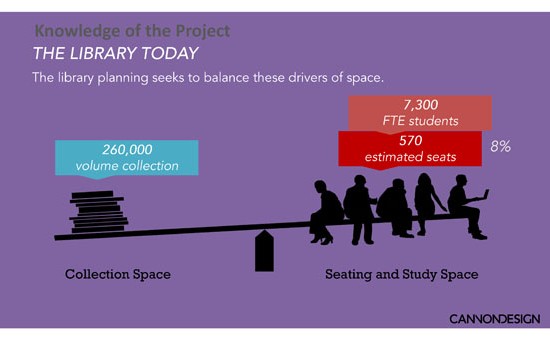
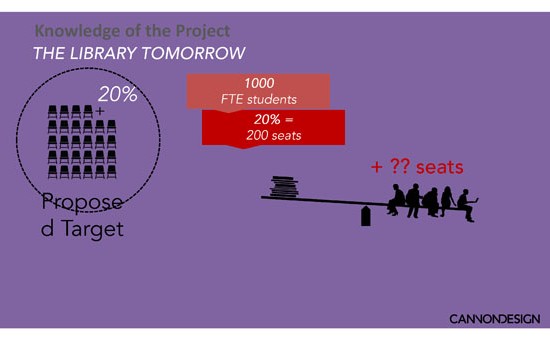
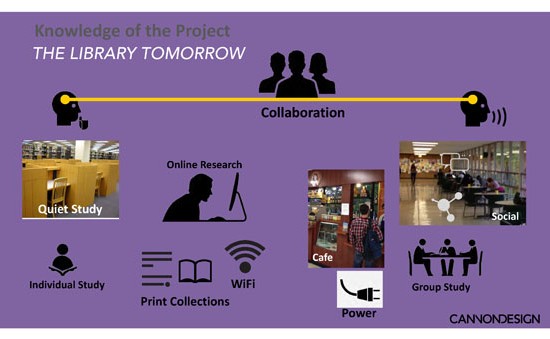
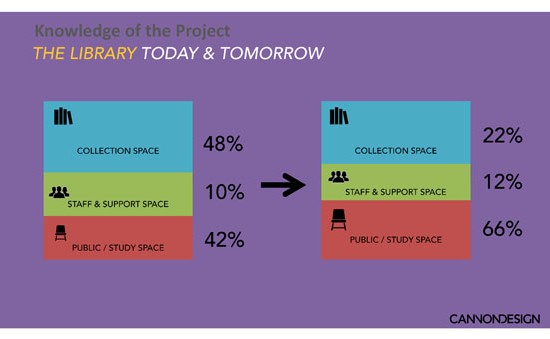
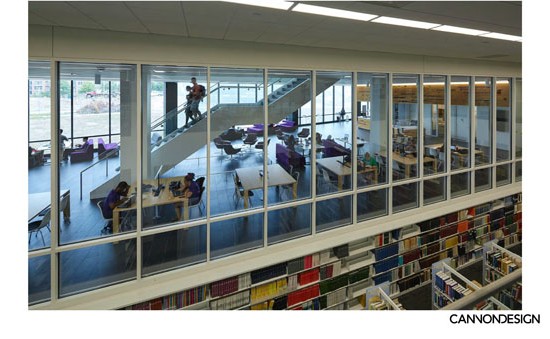
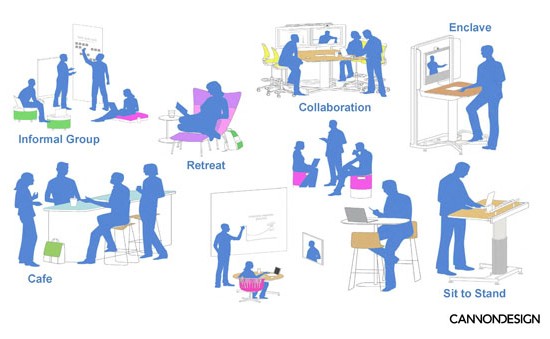
    I hope everyone who was able to attend the presentation by CannonDesign on March 4, 2016 enjoyed their early analysis of our library spaces. This is an exciting process and the architects are going to great effort to understand what is unique about Rutgers University Libraries and how we fit into the overall strategic plan of the University.

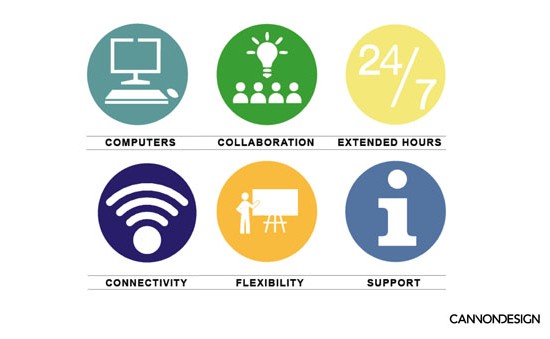
    Hover over the image at the top of this post and use the arrows to review CannonDesign’s presentation.

    As many of you know, the architects spent time in nearly all of the libraries—counting seats, bookshelves, meeting rooms, faculty and staff space, etc—during the months of January and February. They are now transitioning to meeting with focus groups and conducting interviews with students and faculty about the libraries. We are also sharing the results from the LibQUAL+ survey with CannonDesign. The next phase will be to come up with some initial recommendations, followed by the creation of a “roadmap,” or the list of priorities and a plan for how best to make these improvements.

    Currently, there is no funding attached to any of the projects that will be proposed in the master space plan, so there is no firm timeline of when these improvements may be made. However, the plan and priorities that are developed will inform our decisions and planning. For example, requests for modifications in buildings or collections might be weighed against the overall plan created by CannonDesign to make sure we aren’t making a short-sighted decision that impacts our long-term plan.

    CannonDesign will return to make a second presentation of their research and findings at the Town Hall meeting on May 24. In the meantime, thank you to the faculty and staff who have made time to meet with and tour CannonDesign around the buildings. I am also grateful for the thoughtful questions and comments people made at the initial presentation.

    We want this process to be as transparent and inclusive as possible. If you have concerns, questions, or suggestions, please speak with your supervisor or Director.

    Thank you,

    Kris