Category: Uncategorized

  • Special Collections and University Archives Hosts 28th Annual New Jersey Book Arts Symposium

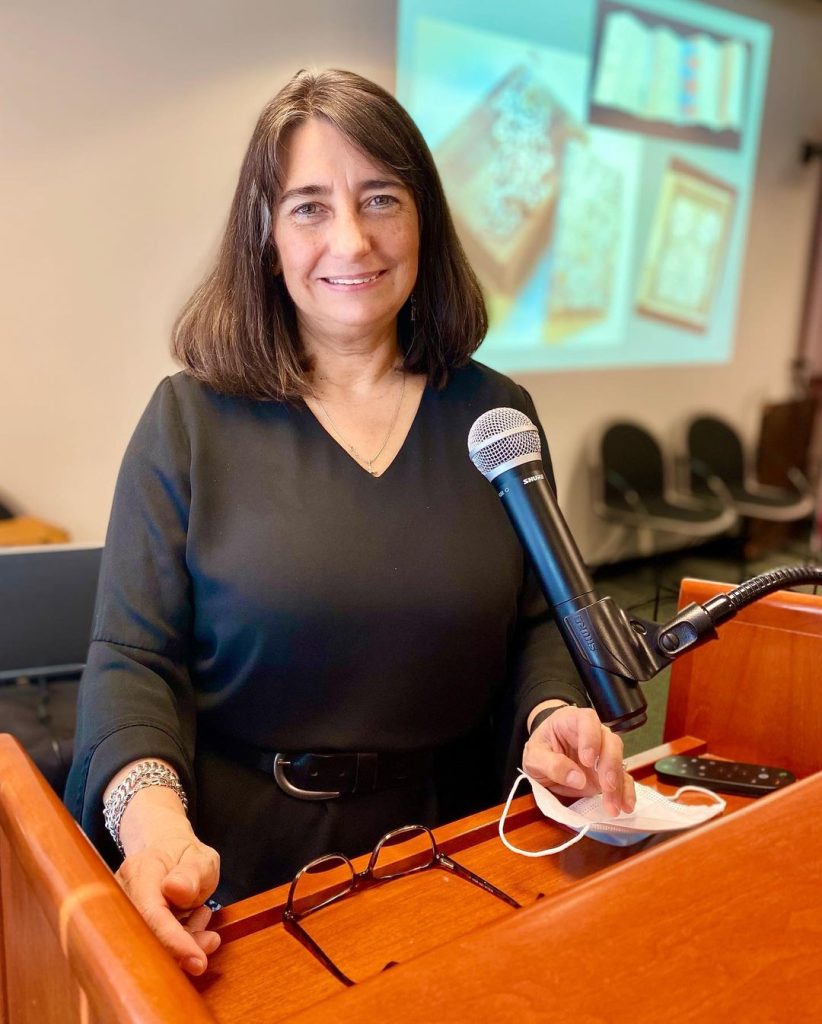
    Sandra Fernández's artist presentation.
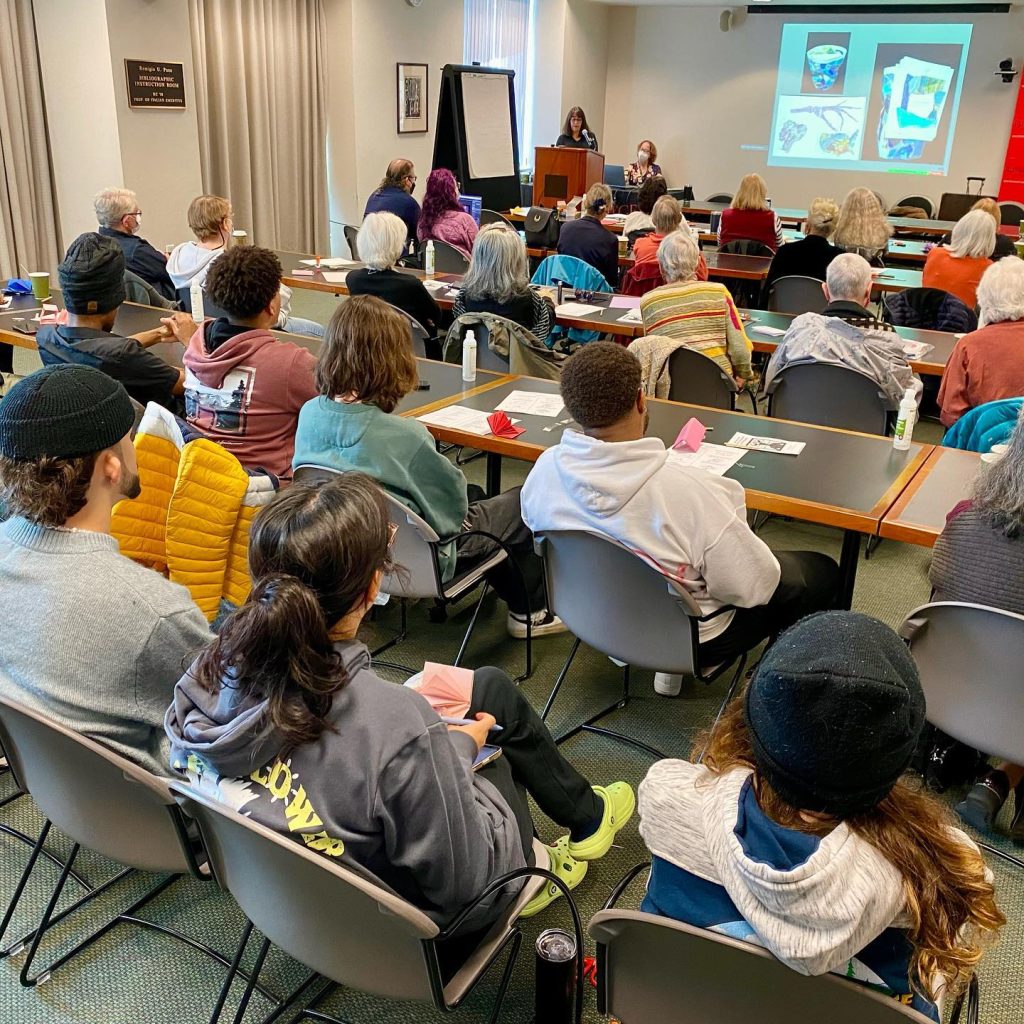
    Symposium attendees enjoy Sandra Fernández’s artist presentation.

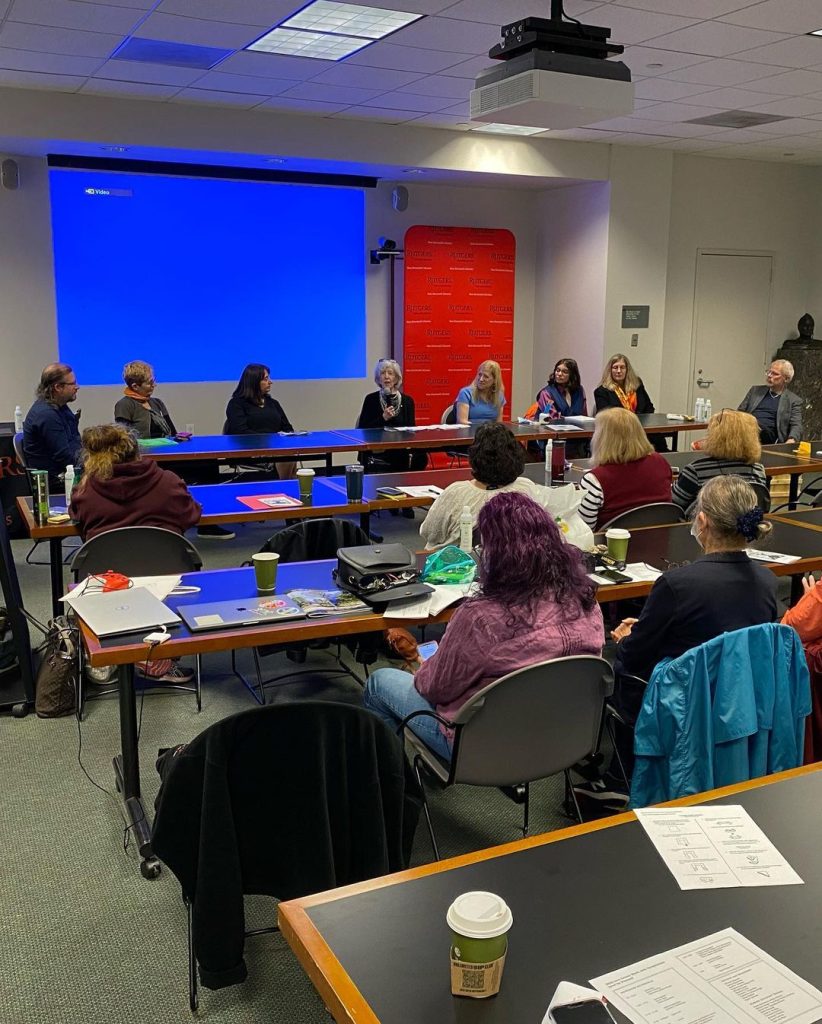
    Special Collections and University Archives (SC/UA) hosted the 28th Annual New Jersey Book Arts Symposium (NJBAS) on November 4. The free event drew a capacity crowd in Alexander Library’s Pane Room and featured a workshop, artist presentations, and a panel discussion conducted by notable artists, curators, historians, and technologists. The program included:

    To learn more about the NJBAS, please visit exhibits.libraries.rutgers.edu/nj-book-arts. Grant funding for the New Jersey Book Arts Symposium was provided by the Middlesex County Board of County Commissioners through a grant award from the Middlesex County Cultural and Arts Trust Fund. The NJBAS Advisory Board members are Karen Guancione, artistic director; Michael Joseph, founding director; Sonia Yaco, executive director; Martin Antonetti; Judith K. Brodsky; Fernanda Perrone; Amanda Thackray; Suzie Tuchman, and Kate Van Riper.

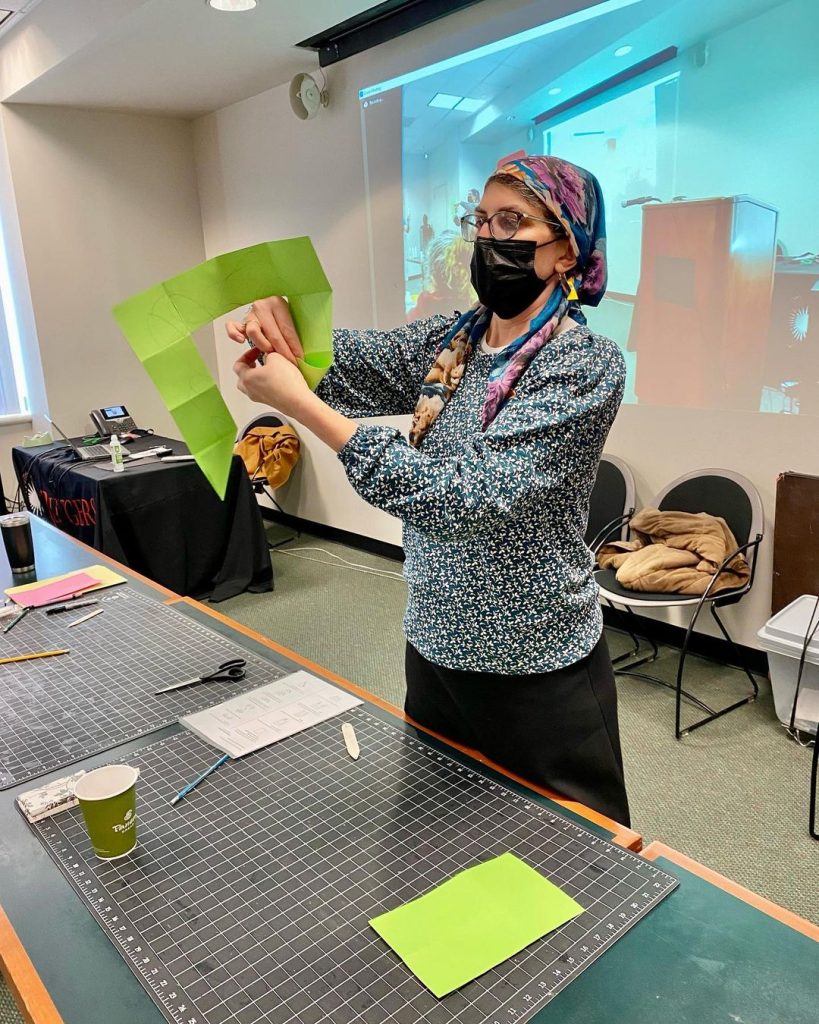
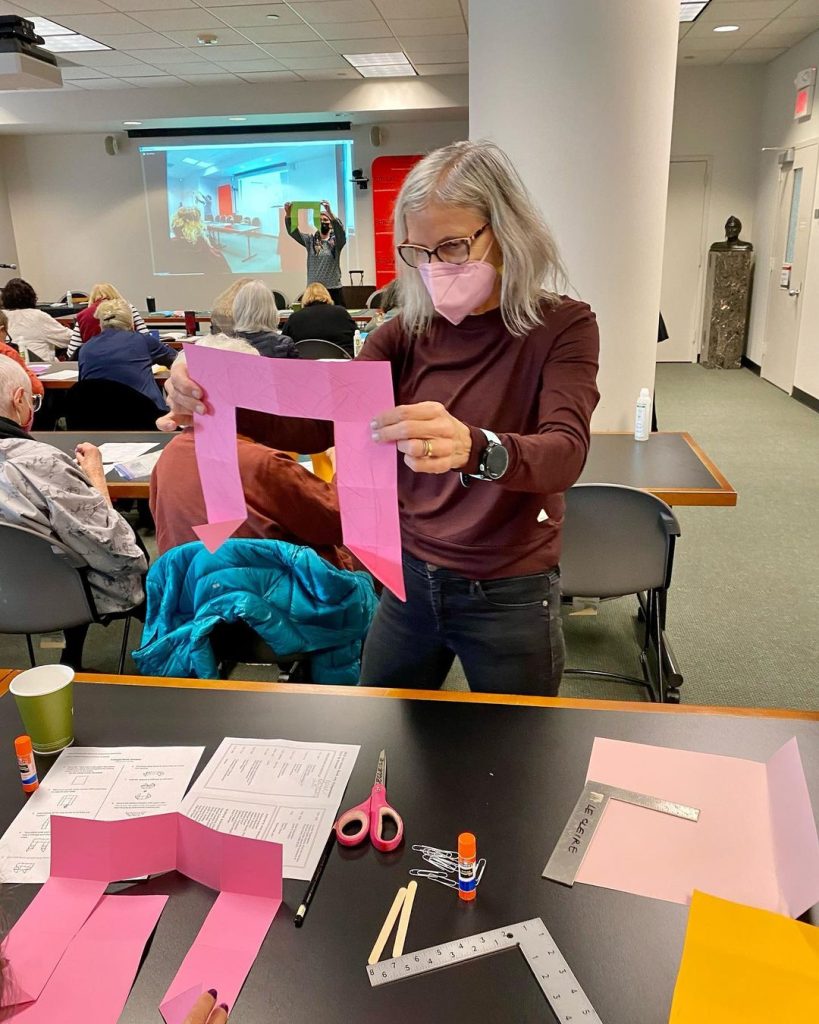
    Suzie Tuchman conducts the triangle book-making workshop.
    Suzie Tuchman conducts the triangle bookmaking workshop.
    Catherine LeCleire conducts the triangle book-making workshop.
    Catherine LeCleire Wright shows symposium attendees how to create a triangle book.
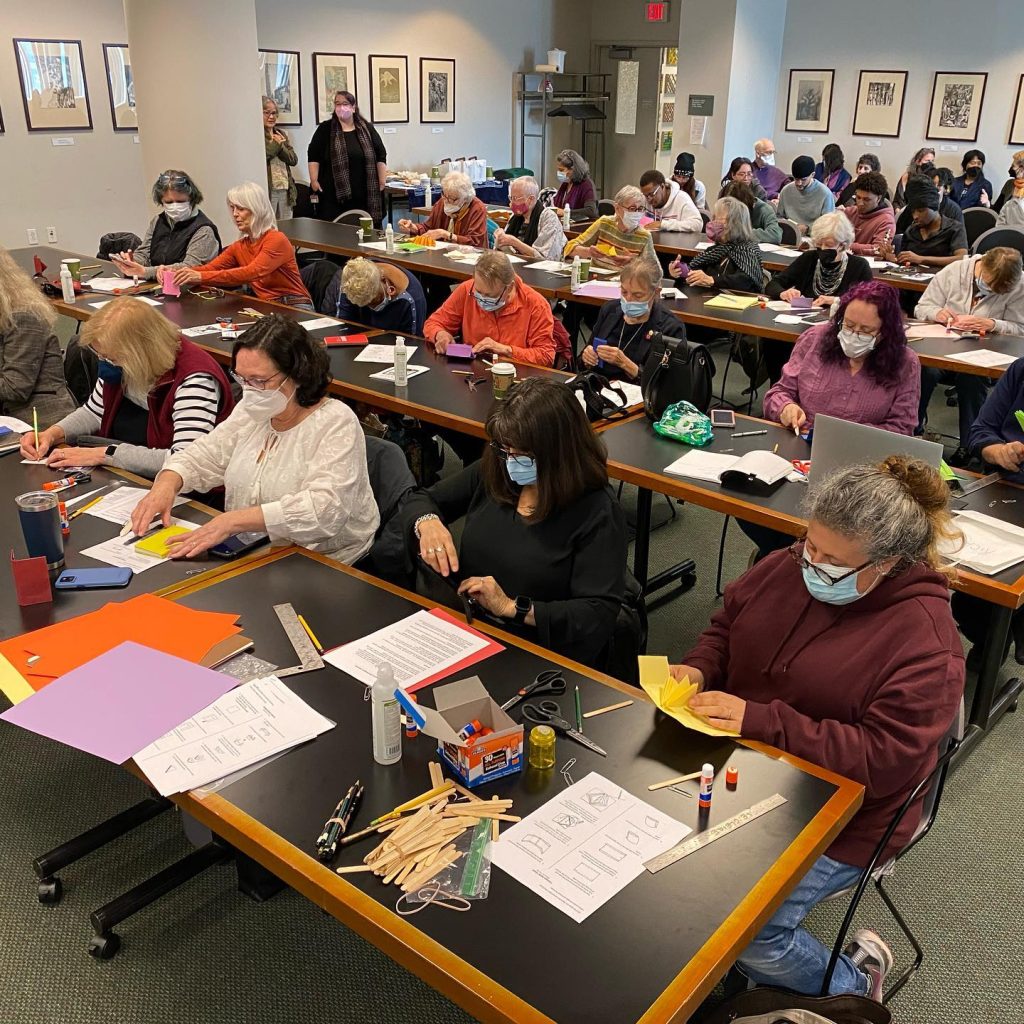
    Triangle book making workshop at the 28th Annual New Jersey Book Arts Symposium.
    NJBAS attendees make triangle books during the workshop.
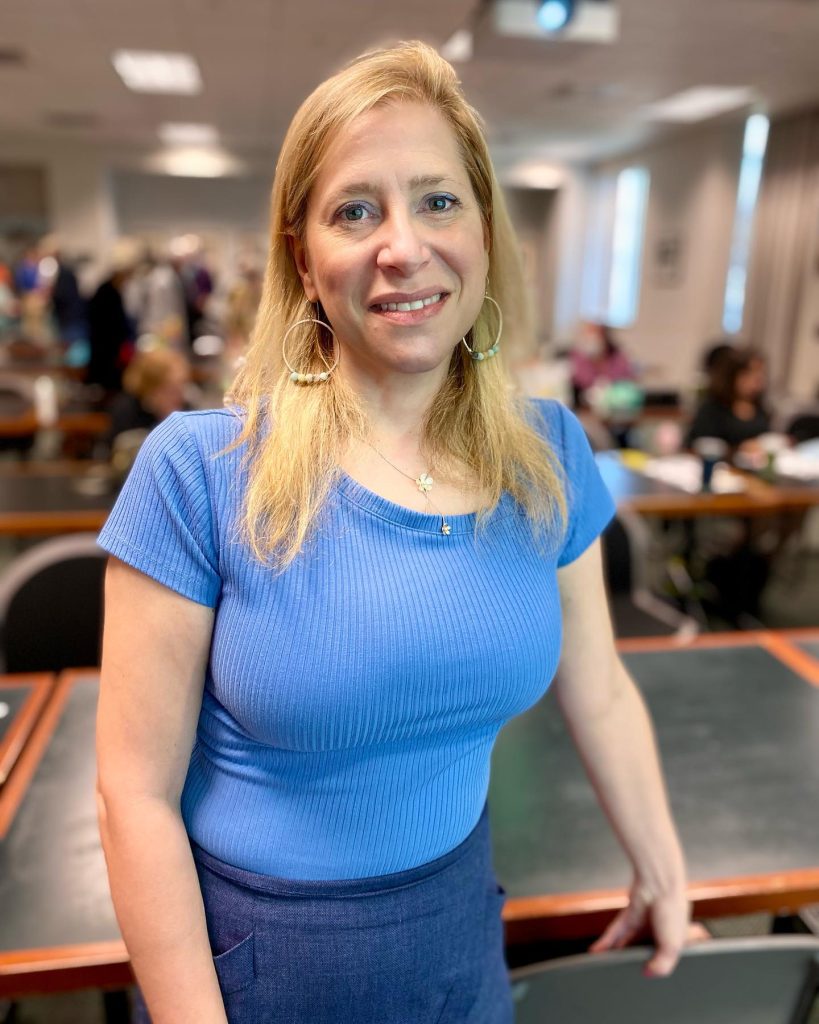
    Artist Sandra C. Fernández.
    Artist Sandra C. Fernández delivered a moving presentation about her life and work. Fernández is an Ecuadorian American artist currently living in New Jersey. Her work is rooted in the transborder experiences of exile, dislocation, relocation, memory, and self-conscious identity construction/reconstruction.
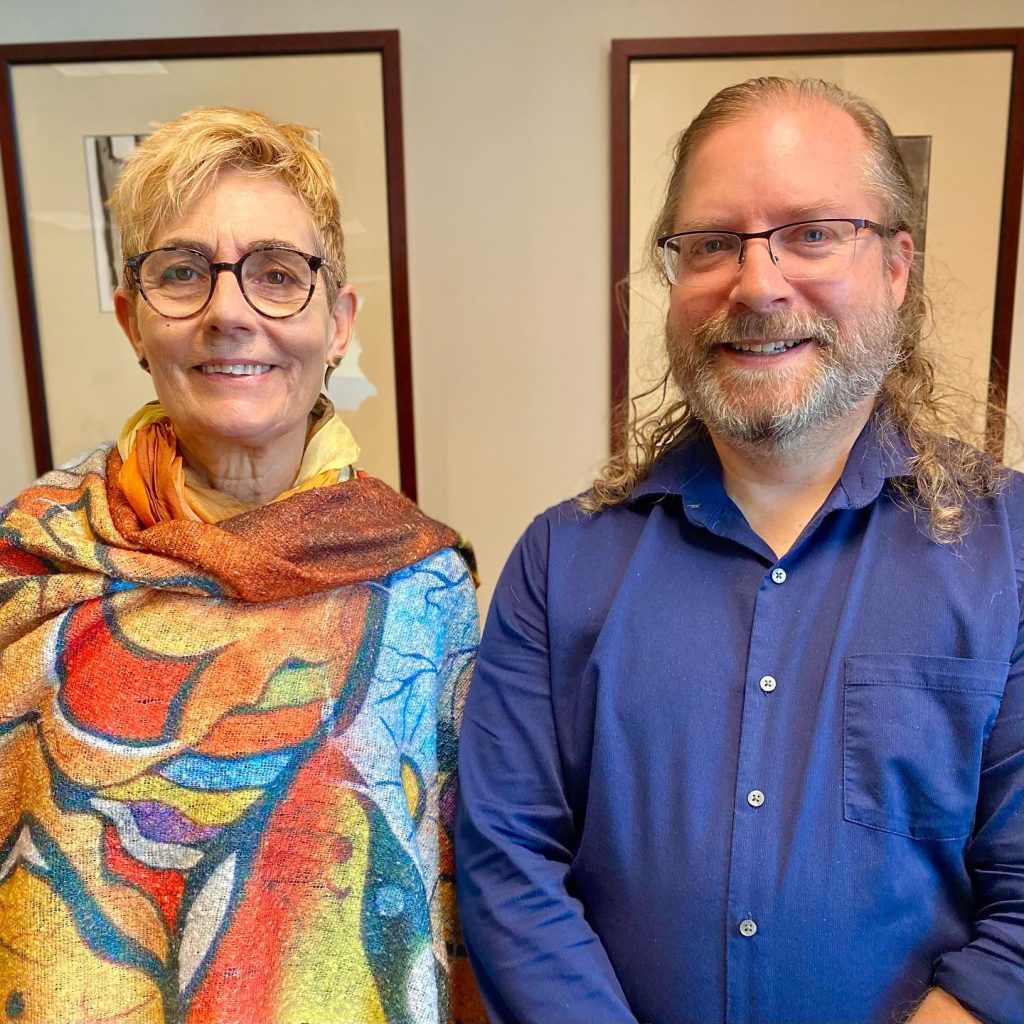
    Béatrice Coron and Richard Anderson.
    Béatrice Coron, a renowned paper-cutting artist, and Rick Anderson, Director of Virtual Worlds at Rutgers, are collaborating on The Identity Project, an experiment both in form and content using technology to create an interactive artist book. This collaboration allows words and images to interact and behave in new and exciting ways. The Identity Project is presented by SC/UA. Learn more about the project at go.rutgers.edu/coron.
    Mixed-media and book artist Amee Pollack.
    Amee Pollack is a mixed-media and book artist and Senior Advisor and Student Success Counselor in the Department of Art & Design at the Mason Gross School of the Arts. She spoke about her art, which includes three-dimensional, fold-out book sculptures she had created with her artistic partner and close friend, Laurie Spitz, who passed away in 2017. Works by Spitz & Pollack, as their collaboration was known, are in the permanent collections of over 50 organizations, including the Brooklyn Museum, Cooper Hewitt Smithsonian Design Museum, New York Public Library Print Collection, and Yale University.
    Read more at masongross.rutgers.edu/why-i-made-this-amee-pollack and ameejpollack.com.
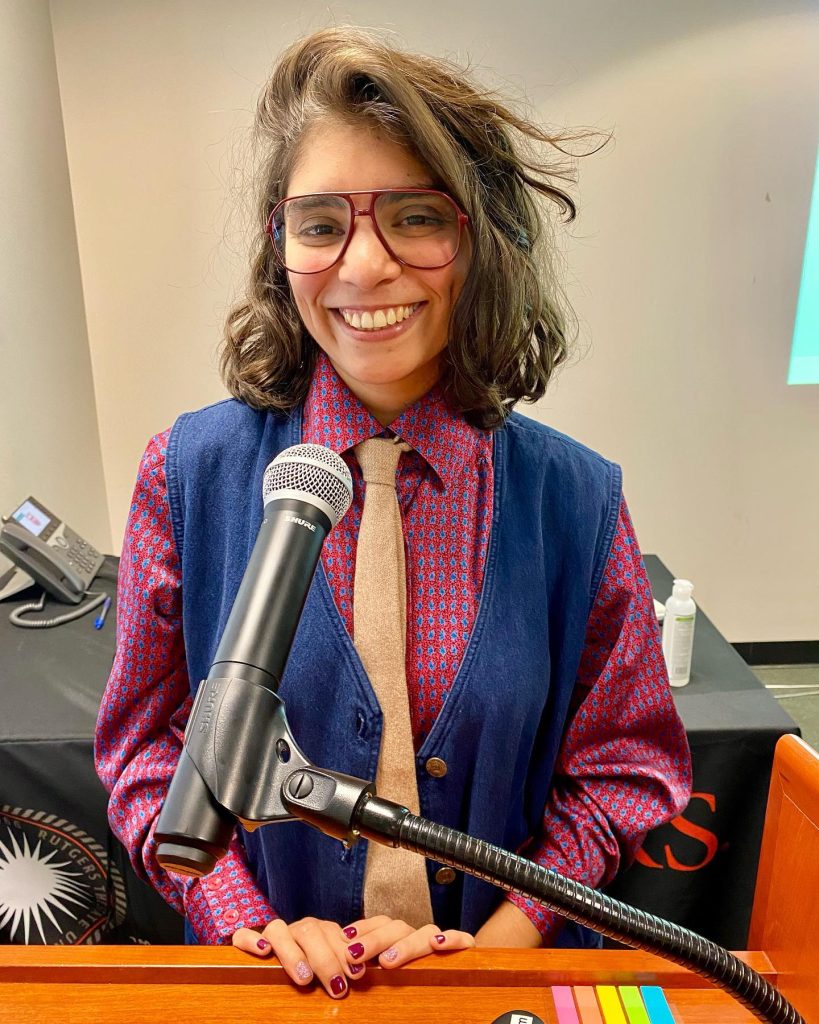
    Featured artist and historian Javiera Barrientos.
    Featured artist and historian Javiera Barrientos presented “A Personal Catalogue: Bookwork in Contemporary Latin America” and highlighted works by Carlos Oquendo, Maria Lucia Cattani, Francisca Prieto, Isol, Javiera Pintocanales, and Mariana Tocornal.
    Virginia Fabbri Butera and Michael Cooper.
    During her curator presentation, Virginia Fabbri Butera interviewed Michael Cooper about the late Rocco Scary’s bookwork. Rocco Scary (1960–2022) was a multidisciplinary artist whose work on paper, in sculpture, and with artist books explored the concept of the identifiers or “triggers” for memory. To learn more about Scary, please visit roccoscary.com. Butera is the director of the Therese A. Maloney Art Gallery. She is also chairperson of the art, dance, and music program and a tenured professor of art history at @saintelizabethuniversity. Cooper is the creative director at Altech Corporation and principal of Cooper Graphics and Cooper Art Works LLC. He has over 40 years of fine art and commercial art experience.
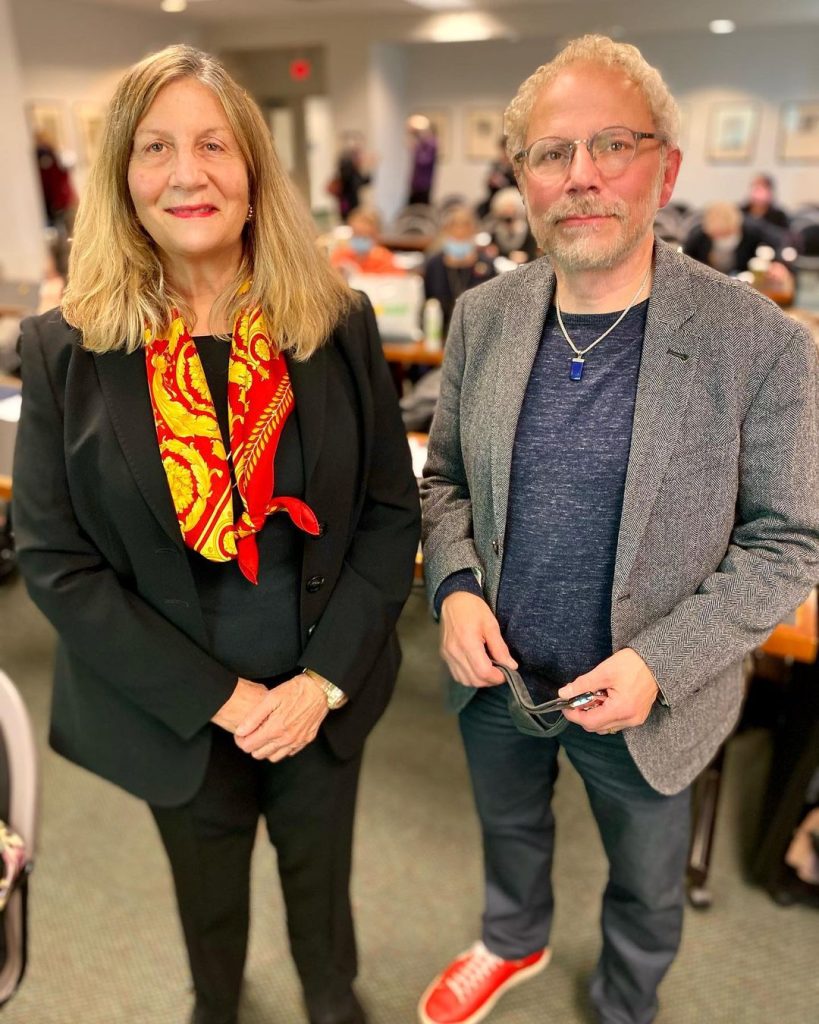
    Sonia Yaco and Judith Brodsky.
    NJBAS executive director Sonia Yaco (left) and noted artist and art educator Judith K. Brodsky. Brodsky led the engaging panel discussion that concluded the New Jersey Book Arts Symposium. The lively discussion offered attendees an opportunity to hear more from the guest artists and ask questions. Brodsky highlighted the commonalities between the topics, including technology, social issues, and a sense of play, and encouraged the artists to share their thoughts and processes and talk about the future of books and bookmaking. Brodsky is a Distinguished Professor Emerita in the Mason Gross School of the Arts Department of Visual Arts and the Founding Director of the Rutgers Center for Innovative Print and Paper, which was renamed the Brodsky Center in her honor in 2006 (now The Brodsky Center at PAFA).
    Judith K. Brodsky leads panel discussion.
    Panel discussion with the NJBAS’ guest speakers.
    Karen Guancione, Sandra Fernández, and Sonia Yaco.
    From left: Karen Guancione, Sandra Fernández, and Sonia Yaco. Guancione is the NJBAS’ artistic director. She creates a vision of the symposium each year and moderates the event. Michael Joseph (below) is the founding director of the NJBAS. He and Karen guide the selection of the artists and help to shape the event. As executive director, Yaco coordinates the event, secures funding, and with Karen and Michael, connects with the New Jersey book arts community.
    Michael Joseph, founding director of the Symposium.
    Michael Joseph, founding director of the NJBAS.
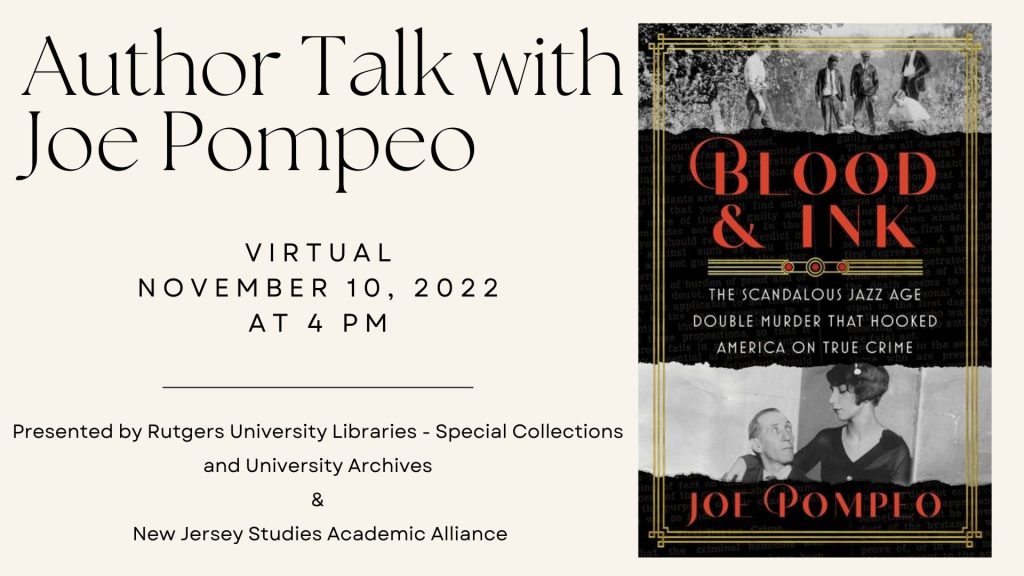
  • Author Talk with Joe Pompeo on Infamous New Jersey Cold Case

    Author Talk with Joe Pompeo.

    Rutgers University Libraries Special Collections and University Archives (SC/UA) and the New Jersey Studies Academic Alliance (NJSAA) are pleased to host an author talk with Vanity Fair correspondent and Rutgers University alumnus Joe Pompeo on Thursday, November 10, 2022, at 4:00 p.m. via Zoom. Pompeo will speak about his new book on the notorious Hall-Mills murder case, Blood & Ink: The Scandalous Jazz Age Double Murder That Hooked America on True Crime. Please register at this link or visit libcal.rutgers.edu/event/9365079 for more information.

    Blood & Ink was published by William Morrow this month, marking the 100th anniversary of the double murder of Reverend Edward Hall, rector of St. John the Evangelist Episcopal Church in New Brunswick, and Eleanor Mills, a singer in the church choir, who were reputedly having a scandalous affair. Their bodies were discovered artfully posed on a notorious lovers’ lane on the border of New Brunswick and Somerset. Edward Hall’s wife, Frances, who was related to the wealthy Johnson family, and Eleanor Mills’ husband Jim were early suspects in the case. The bungled investigation by the police took years and failed to bring any criminals to justice. The much-anticipated trial featured eccentric characters such as Jane Gibson, a pig farmer who came forward with a purported eyewitness account of the murder, at one point testifying from a stretcher brought into the courtroom. As well as investigating the fascinating details of the case, Pompeo shows how the rise of New York tabloid journalism and the resulting wars between papers of the 1920s kept the story alive. In an epilogue, Pompeo suggests his own theories on the still-unsolved case.

    Joe Pompeo
    Joe Pompeo (photo by New Moon Photography)

    In his well-researched book, Pompeo used the Hall-Mills Collection, as well as the Wallace Conover Papers and the Stevens family letters from SC/UA. This presentation forms part of SC/UA’s Research Salon series, which features researchers who have used SC/UA’s resources in their work. It is co-sponsored by the New Jersey Studies Academic Alliance.

    Over the years, many authors have tried to solve the case, including famed attorney William Kunstler, whose The Minister and the Choir Singer: The Hall-Mills Murder Case (1964) attributed the murders to the Ku Klux Klan. Another theory was offered by former dean Mary S. Hartman, who lived in Frances Hall’s house, now the residence of the Douglass Dean, in “The Hall-Mills Murder Case: The Most Fascinating Un-solved Homicide in America,” The Journal of the Rutgers University Libraries, 1984. The case has also inspired novels and plays, most recently Thou Shall Not, performed at St. John the Evangelist Church by Thinkery & Verse. Blood & Ink is unique in placing the case in the context of the rise of tabloid journalism and the popularity of true crime in the 1920s.

    Joe Pompeo is a correspondent at Vanity Fair who previously worked at publications including Politico and The New York Observer. His writing has also appeared in The New York Times, Bloomberg Businessweek, the Columbia Journalism Review, and many other outlets. He lives in Montclair, New Jersey, with his wife and children.

  • Stephen Modica Contributes to Systematic Review

    Stephen Modica (MLS), Health Sciences Librarian at the George F. Smith Library of the Rutgers Health Sciences Libraries, is a contributing author on a recently published Systematic Review (SR) entitled, Exercise in the Aquatic Environment for People With Primary Hip Osteoarthritis: A Systematic Review and Meta-analyses. Osteoarthritis arthritis (OA) of the hip affects 31 million Americans, and aquatic exercise is one of the options to manage this condition. The literature search for this SR began in the spring of 2015 using Ovid MEDLINE, CINAHL, and PEDro (Physiotherapy Evidence Database), illustrating the time it takes to complete an SRed. Stephen contributed to the methodology, and the final search strategies are published in the article. Stephen has been a Librarian for Information and Education Services at Smith Library since 1997.

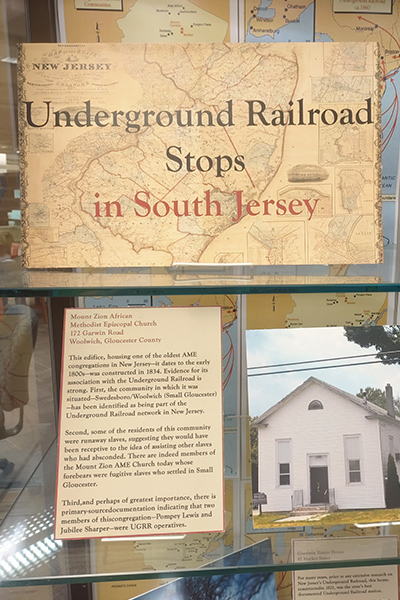
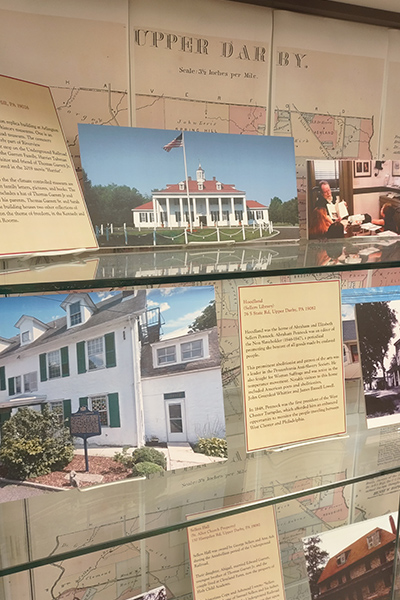
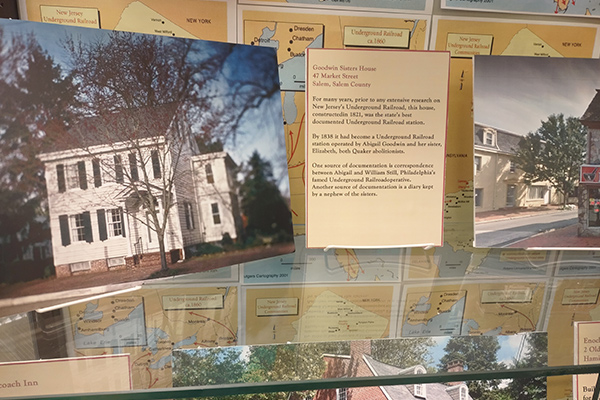
  • On Exhibit at Robeson Library: “Underground Railroad Sites of Greater Philadelphia”

    Underground Railroad Sites of Greater Philadelphia Exhibit at Robeson Library.

    Underground Railroad Sites of Greater Philadelphia is a new exhibit at the Robeson Library in Camden features notable Underground Railroad sites in the Philadelphia region, including The Peter Mott House in Lawnside, Mother Bethel AME Church in Philadelphia, and several locations along the newly created Upper Darby Underground Railroad Walking Trail in Delaware County.

    The Underground Railroad was a network of pathways, homes, churches, and other structures where abolitionists like William Still assisted Black freedom seekers on their route north to free lands. The Philadelphia region was often the first stop in free territory for people escaping the horrors of slavery. The City of Philadelphia and surrounding communities in South Jersey and Pennsylvania are home to several sites that once served as safe harbors for self-liberated Black people, who were considered fugitives under United States law.

    Curated by Robeson librarians John Powell and Bart Everts (who worked on the Upper Darby Trail as a member of the Township’s Historical Commission), this exhibit gives insight into the struggles of the 19th century and the role of allyship under systemic oppression.

    Underground Railroad Sites of Greater Philadelphia is on display until September 26, 2022. For a complete list of the region’s Underground Railroad sites and related library resources, please visit our Underground Railroad Sites of Greater Philadelphia research guide at libguides.rutgers.edu/urrphl.

    Underground Railroad Sites at Greater Philadelphia exhibit at Robeson Library

    Photos by John Powell

  • Ermira Mitre Publishes Second Collection of Poetry, “LOTUS”

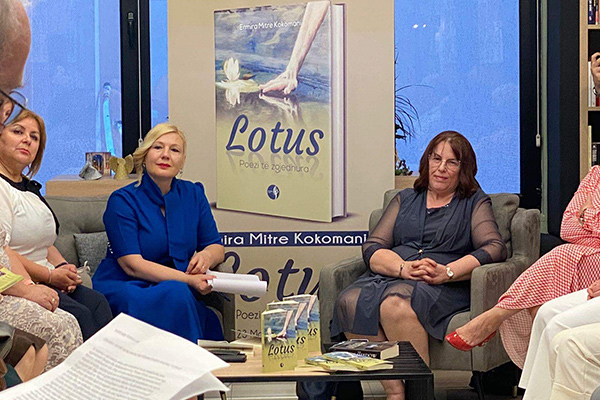
    "Lotus" book event for Ermira Mitre.

    Ermira Mitre, a Library Technician at Smith Library, published her second poetry collection in May. Written in Albanian, LOTUS was featured at a book launch in Ermira’s hometown of Durrës, Albania, and a book fair in Kosovo.

    Local writers, poets, and poetry enthusiasts attended the book launch organized by Ermira’s publisher and the Durrës public library. Several writers critiqued LOTUS, and four poets read from the book. A local news station’s segment about the event can be viewed at youtube.com/watch?v=hkqJAU0NpgY.

    Ermira Mitre is a bilingual poet, essayist, and translator. Her poetry has appeared in various international and national poetry anthologies and journals, including Jerry Jazz Musician, Red Wheelbarrow Poets Journals, THE POET Anthology Series, Live Encounters, Kistrech Poetry Festival, Mediterranean Poetry, and Montclair Write Group. She published her first book of poetry, Soul’s Gravity, in Albanian and translated the fiction novel The King’s Shadow from Albanian into English. Currently, Ermira is writing her first English poetry collection, Blooming as a Sacred Lotus, as well as a bilingual anthology (English and Albanian).

  • Test Driving Alma Digital: A New Tool for Making Digital Collections Available Online

    The challenges of the past year have really demonstrated the importance of our online resources and digital projects. We’ve been able to forge new partnerships and strengthen relationships with academic departments across the university, thanks to our ability to pivot and provide the digital resources our students and researchers really need, even if they can’t visit us in person. Our digital resources, however, are useful to our patrons and online visitors only if the tools used to deliver them work well. In an effort to further expand our capabilities, we’re been testing something new for our expanding digital projects toolbox.
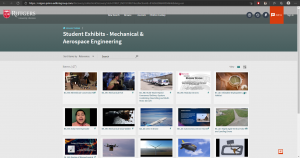
    Alma Digital is an extension of the Ex Libris services we already use for the discovery of information resources and other online services. It adds collection management and delivery capabilities for digital resources and gives us more options to make our digital collections discoverable. If we choose, we can make a digital collection in Alma Digital discoverable in our QuickSearch interface, better unifying how we share our digital resources. To get a feel for how Alma Digital works, and how it can serve our needs, Central IT and members of Instructional and Publishing Support (IPS) have been looking for potential digital projects to pilot test this platform. For our initial test, we chose the New Brunswick Student Exhibits collection.

    One of the biggest success stories of the past year has been the partnerships forged between the Libraries and our schools in showcasing student research. Since last year, we’ve been working with both Camden and New Brunswick schools to bring what used to be in-person research symposia to the virtual space. When we began this initiative, it required a lot of work from Libraries faculty and staff to manage deposited presentations and make them accessible online. With the demand for service growing for our second year, we were expecting the number of deposits to more than double from last year. It was clear we needed a better way than the manual process put in place during our first attempt.

    We learned that Alma Digital provides a method for managing deposits and accepting patron-driven content using deposit forms. Using this capability, the team behind the New Brunswick Student Exhibits was able to streamline the process for students sending in their presentations. This gave us a way to quickly manage both the media students were sending in and the metadata describing that media.

    The results so far have pretty impressive: in one week, we processed the same number of presentations that we received in over three months last year… and the students taking part aren’t even close to finished with sending us their work. Using Alma’s digital lobby, we’ve also offered an easily searchable way for to students to explore their work and that of their classmates, offering up documents, infographics, poster PDFs, podcasts and video summaries.

    What we’ve learned so far is that Alma Digital does an excellent job of collection management and delivery for digital collections with born digital content – resources that originally started as a digital document. We hope to continue exploring what other types of digital collections Alma Digital will be useful for. As we get more digital collection proposals from library unites, I hope to work with collection sponsors to see what tools in our toolbox will work best to tell each digital collection’s story.

    Visit the collections here:

  • Creating Virtual Intellectual Communities with Summer Tales

    by Nicholas Allred, Jennifer Coffman, Judit Ward

    With much of campus life and instruction set to become virtual this fall, libraries as well as the rest of the university are figuring out how to offer rewarding programming and instruction over digital platforms. Books can be picked up, databases accessed remotely, but how does one create the sense of an intellectual community in a way that’s not only socially distant, but suitable for an online platform? How can we host events and programs that aren’t just pale imitations of in-person activities, but are designed from the start around the limitations and possibilities of platforms like Canvas — “born virtual,” so to speak?

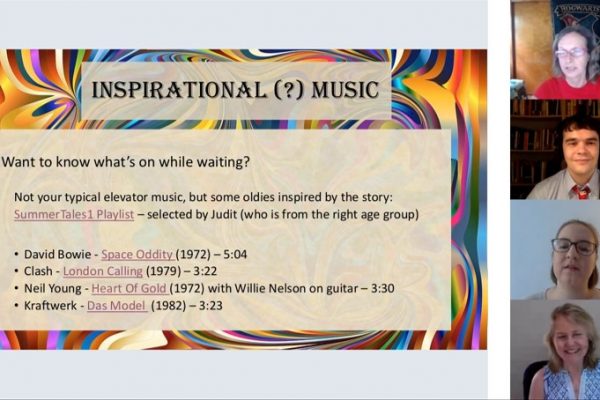
    The Summer Tales virtual reading club, a collaboration between New Brunswick Libraries and the Division of Continuing Studies, has explored some of the possibilities this summer. In the 2019-20 academic year — simpler times! — our team at the Chang Science Library (librarian Judit Ward, graduate assistant Jennifer Coffman, and graduate specialist Nicholas Allred) had piloted a recreational reading initiative called Books We Read, a hybrid program encompassing a Books We Read LibGuide and reading suggestions alongside in-person events. Once the pandemic hit in March, we ramped up the online aspect starting with a Books We Read Online LibGuide, highlighting digital collections for pleasure reading and suggesting books for the current moment — from the uncanny relevance of Daniel Defoe’s Journal of a Plague Year to the escapism of contemporary fantasy and Jules Verne’s Around the World in Eighty Days. When the Division of Continuing Studies approached us about implementing a summer reading club, we were eager to put what we had learned into practice.

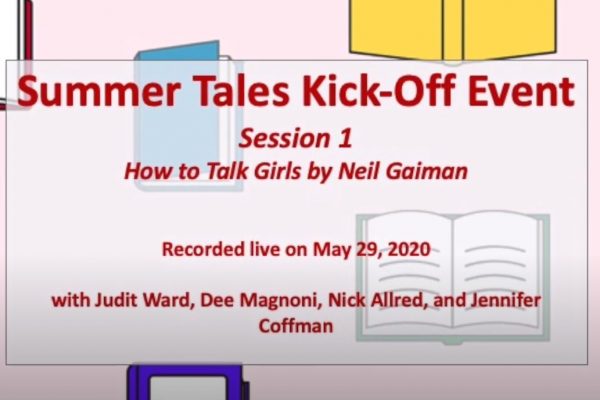
    The core of the Summer Tales program was an ongoing discussion of three short stories: Neil Gaiman’s “How to Talk to Girls at Parties,” F. Scott Fitzgerald’s “Sleeping and Waking,” and Joyce Carol Oates’ “Where Is Here?” The shorter the better, we reasoned: students hungry for more could easily find recommendations from us and from each other, but the main texts would be bite-sized enough for anyone to participate, regardless of busy schedules or reading pace. The texts were chosen for relatability as well. Each dealt with themes likely to be familiar to college students: awkward conversations at parties, late-night existential angst, and the peculiar feeling of returning to one’s childhood home as an adult. We hoped that these texts could be engaging on any number of levels: that they would be easy to talk about and impossible to exhaust.

    Discussions would take two forms: a text forum on Canvas with new topics rolled out weekly, and a live video conference session for each story. Students could choose how and how much they wanted to participate. The Canvas site had dozens of participants (56 by the end of the summer), and we soon discovered that different students engaged in different ways: some weighed in regularly on each topic and responded to their peers, while our analytics showed that others who didn’t post were nonetheless avidly following the discussion — a total of 6,150 page views, not counting staff! At first, coming from a teaching paradigm, we wondered what we could do to bring these “lurkers” into the conversation. We came to realize, however, that part of the beauty of this online recreational reading program was the different levels of engagement it could offer. Students who wanted a seminar- or book club-style discussion could enjoy one, while those who simply wanted to read along and listen to the thoughts of their peers could do so without feeling like eavesdroppers. The asynchronous nature of the discussions also worked around busy schedules: students could post whenever they liked, from wherever they liked. No curated Zoom background necessary! The result was often long, thoughtful posts that participants had clearly spent time on in a way that one simply can’t in a synchronous setting.

    There’s an immediacy to a live conversation that a forum can’t replicate, of course, and so to satisfy that need we had videoconferences for each story as well. It was difficult to get the same turnout for a specific day and time as we had for our asynchronous forums, but the core group who came were eager to participate (saving us the embarrassment of our fear of having to talk to ourselves)! While these were sometimes small gatherings, our largest event of the summer was a videoconference on our last story — more on that later.

    Students really connected with the stories: many related their own personal experience to the situations that the stories depicted. For instance, the first selection, about an awkward teenage boy who tries to chat up “girls” at a party without realizing that they are in fact aliens, brought up memories of first crushes and adolescent angst. Participants talked about what was similar or different in their own experience of high school: trying (sometimes failing) to impress others while simultaneously coming into one’s own identity by fits and starts. In the live discussion, we pivoted from the fumbling narrator to the “girls” he talks with but fails to understand: how their own experience as aliens trapped in strange and ill-fitting human bodies also captures an aspect of teenage experience.

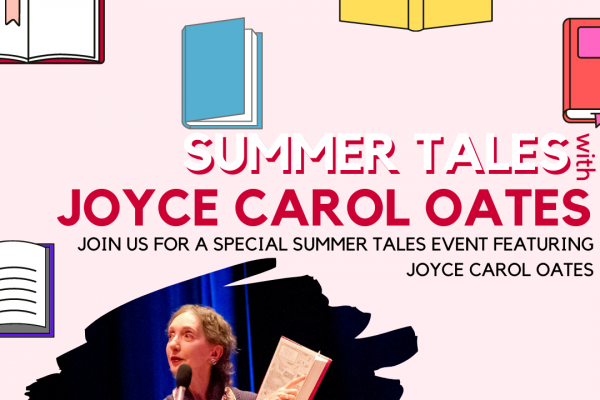
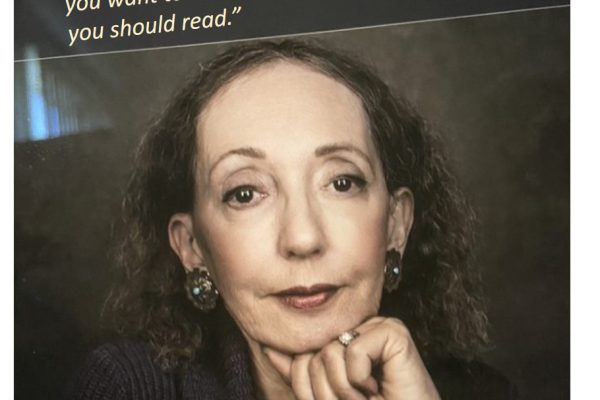
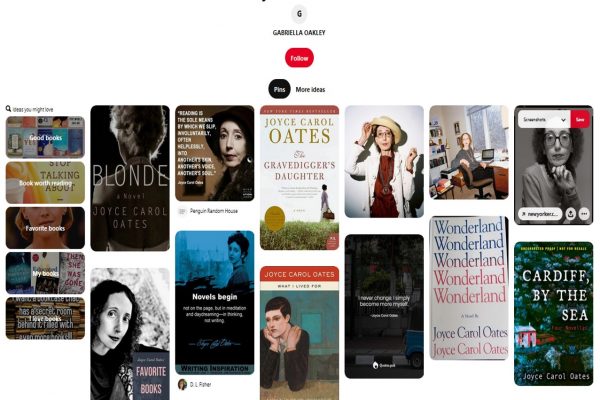
    The final live event of the summer was, fittingly, a kind of headliner: a conversation with Joyce Carol Oates, one of America’s most acclaimed writers and recently a Visiting Distinguished Professor at Rutgers. The event drew interest befitting Oates’ profile: hundreds of registrations and approximately two hundred attendees. Anticipating the possibility of such high turnout, we made two decisions that proved key to the event’s success. First, we asked attendees to submit their questions for Oates at registration, so that we could collate them and incorporate representative questions into our interview. This way we could be sure to cover the topics of widest interest without the unwieldiness of “calling” on people in an enormous virtual “room” and exposing ourselves to more technical problems. Second, at the suggestion of our partners at the Division of Continuing Studies, we had Oates read an excerpt from the short story we selected for Summer Tales. This proved especially key with so many attendees present who hadn’t been following along all summer: by beginning with the short story and questions about it we were able to let the conversation develop organically from a particular piece of writing to more general thoughts about the craft, without leaving audience members unfamiliar with the story in the dark. Special thanks for making the event a success are due to Jennifer Valera, Krystal-Ann Ladao, and Kylie Corda of the Division of Continuing Studies, as well as Dee Magnoni of New Brunswick Libraries and Carl Sposato for technical support — not to mention Joyce Carol Oates herself!

    All in all, the Summer Tales program helped us learn how to make the lemons of an online-only environment into lemonade. Virtual programming isn’t quite the same as the in-person kind that we’ve come to miss: along with its limitations come distinct opportunities, like the ability to take one’s time crafting responses in an online discussion or the chance to attend a two-hundred-person event and be guaranteed a front-row seat. We look forward to carrying this experience forward in the fall — if you’re looking for a good read then watch this space for Tales We Read!

  • Protected: COVID social monitoring

    This content is password-protected. To view it, please enter the password below.

  • Quick Takes on Events and News – March 2020

    Bishop Lecture Returns

    The 34th annual Bishop Lecture will feature photographer and author Barbara Mensch, who will speak about how she was inspired by Special Collections and University Archives’ Roebling Collection to create her recent book In the Shadow of Genius: The Brooklyn Bridge and Its Creators (Fordham University Press, 2018). Mensch, who has lived alongside the Brooklyn Bridge for over 30 years, will illustrate her talk with striking photographs, including some taken deep inside. During the reception following the talks, guests will have the opportunity to purchase signed copies of the book.

    Free and open to the public. Refreshments will be served. RSVP here

    Gendering Protest on Display at Douglass

    The Center for Women in the Arts and Humanities is pleased to announce the two-person exhibition, Gendering Protest: Deborah Castillo and Érika Ordosgoitti, which features the work of exiled Venezuelan artists whose art responds to the country’s political turmoil of the last decade.

    Gendering Protest will be on view from January 21 to April 3, 2020, in the Mary H. Dana Women Artists Series Galleries, Douglass Library. The exhibit is curated by art historian and curator Tatiana Flores, associate professor in the Departments of Latino & Caribbean Studies and Art History, Rutgers University. To accompany the exhibition, CWAH will publish a comprehensive online catalog.

    On Wednesday, March 25 at 5 p.m. in the Mabel Smith Douglass Room, Douglass Library, there will be a reception in honor of the artists followed by an artist’s lecture from 5:30 to 6:45 p.m.

    Virgilio Papers Now Online

    Nicholas Virgilio was instrumental in popularizing haiku poetry in the United States and his own poetry received international acclaim. Except for a brief stay in Texas and service in the Navy, he lived in Camden his entire life. In 1962 he discovered a collection of haiku poems in the library at Rutgers University in Camden. A year later, his own first haiku works were published; he continued writing up until his death in 1989.

    This collection contains some of his haiku, including multiple versions of some of his better known poems, showing the development of his work. There are also drafts of correspondence, primarily concerning arrangements and publicity for his work and appearances. The collection includes thousands of unpublished and therefore never before seen haiku.

    Latino Oral History

    Krista White’s Digital Scholarship as Modular Pedagogy (DSMP) initiative is co-sponsoring an event with Newark Public Library about their Latino Oral History collection, which has been a featured collection used by students in the DSMP courses.

    Working Title: Latino Oral Histories: From Start to Finish.  With panelists:

    • Yesenia Lopez – managing an oral history project
    • Vanessa Castaldo – after the interview (transcribing, indexing, editing, etc.)
    • Juber Ayala – accessibility/ promoting the collection
    • Interviewee (tbd) – experience of being interviewed
    • Potential moderator: Dr. Katie Singer

    The program will be accompanied with a digital tour of our oral history collections and audio clips from some of our interviews.

    Date and location: Wednesday, April 1, Newark Public Library, 6:00–8:00 p.m. in Centennial Hall. 6:00–6:30 reception (light refreshments served), 6:30–8:00 p.m. program, community question and answers. Free and open to the public.

    More Published Poetry

    Congratulations to Ermira Mitre, whose English poetry was recently published in the literary magazine Mediterranean Poetry in Sweden.

    LOVE FOR MY HOMELAND

    I love your playful style, Albania,
    since I was a baby; still a gentle child,
    plunged myself blissfully, on your gusty roads,
    where my dream altered into a butterfly,
    chasing my shadow toward avant-garde.

    I love your prodigious Adriatic Sea coasts,
    the belly laugh of love, coiling on roses,
    melodious sounds, dance steps, moccasins,
    the echo, the zest of the flattering dances,
    the capricious sorceress of the wild tribes,
    unfolding the vivacity of the artifice.

    Read the full poem here.

    Vote for Adriana

    Adriana Cuervo is running as a 2020 candidate for Council of the Society of American Archivists. “We are at a critical juncture where different constituencies within the profession are championing diverging views on the future of the Society, and this is the time where SAA’s values will provide the grounding to move into what our profession will look like in the years to come,” she said. Learn more here.

  • Quick Takes on Events and News – May 2019

    Talking Vocational Awe at ACRL

    Congratulations to Fobazi Ettarth, who was one of the invited presentations at the annual ACRL conference in Cleveland, Ohio last month. Fobazi’s talk was titled “Becoming a ‘Bad Librarian’: Dismantling Vocational Awe in Librarianship” and you can view the slides below, courtesy of her blog:

    The talk also spurred an interview with American Libraries magazine, which you can read here.


    A Cataloger, Cataloged

    This month, Dominique Dixon got quite the unique tattoo on her wrist, featuring the call number for catalogers (Z682.4 .C38) along with her last name (D59). “I’m so enamored of cataloging that I essentially cataloged myself!” she said. Now how’s that for dedication to the job?


    Have a Heart

    Dr. Daniel Shindler of Robert Wood Johnson University Hospital, president of the NJ chapter of the American College of Cardiology, requested a 3D printed heart showing a vascular ring defect to be created on the 3D printer at Douglass Library. Files of the heart were obtained fro

    m the NIH website at the 3D print exchange and printed by Stacey Carton. The model was presented to Congressman Frank Pallone of the 6th district in April as an example of surgeries being performed at RWJUH, and Stacey was invited to attend the presentation at RWJUH and meet the congressman. Congrats, Stacey!


    A Published Poet

    Congratulations to Ermira Mitre, whose first book of poetry was published in Albania, her home country. Written in in Albanian, the title of the book is Soul’s Gravity. As if this accomplishment were not enough, Ermira is already working on another book of poetry in English. Kudos, Ermira—we’ll look forward to the next volume!


    Opening the Schapiro Papers

    Please join Special Collections and University Archives in New Brunswick on Tuesday, May 7 to celebrate the opening of the Miriam Schapiro Papers. The opening, which will take place from 4 to 6 p.m. on the 4th floor of the Alexander Library, will feature audio stations playing digitized cassette tapes of interviews with and by Miriam Schapiro and a few of her lectures. The event will also showcase a slideshow of digitized images from the archives, a display of the finding aid, and a small exhibit of items from the collection. Hors d’oeuvres and drinks will be served.