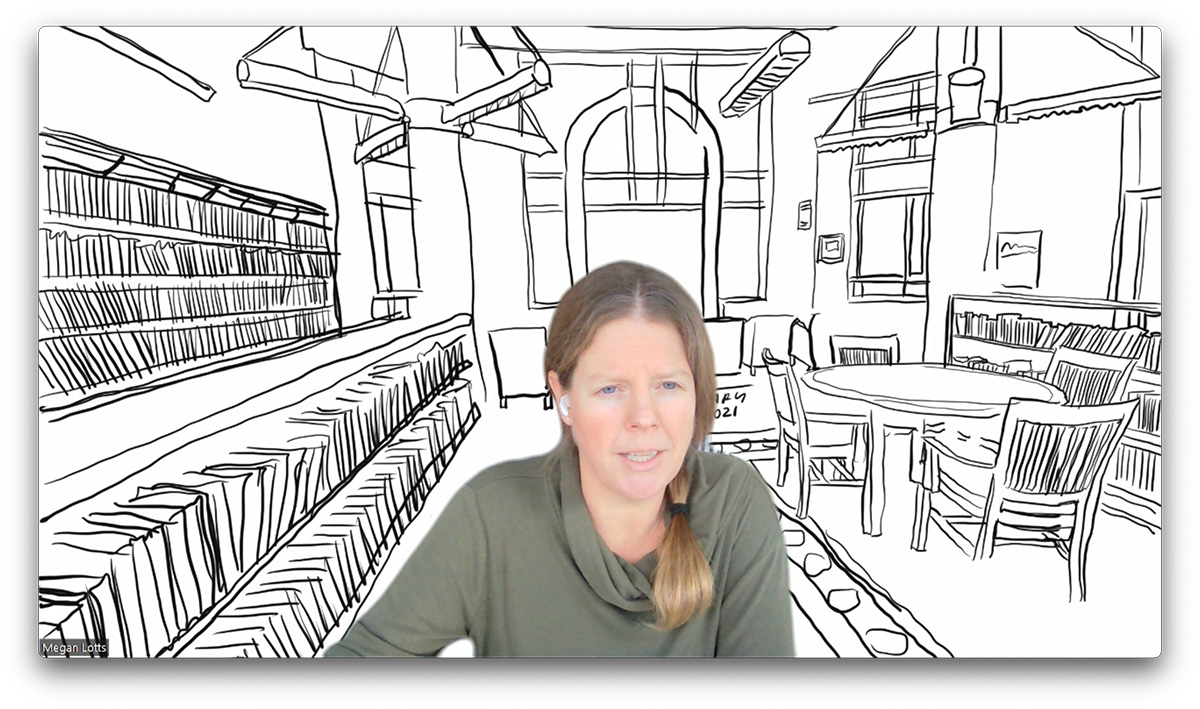
Congratulations to Art Librarian Megan Lotts for having her drawing of Scott Hall (from inside the Art Library) selected for the cover of this month’s C&RL News! Read the newsletter at this link.
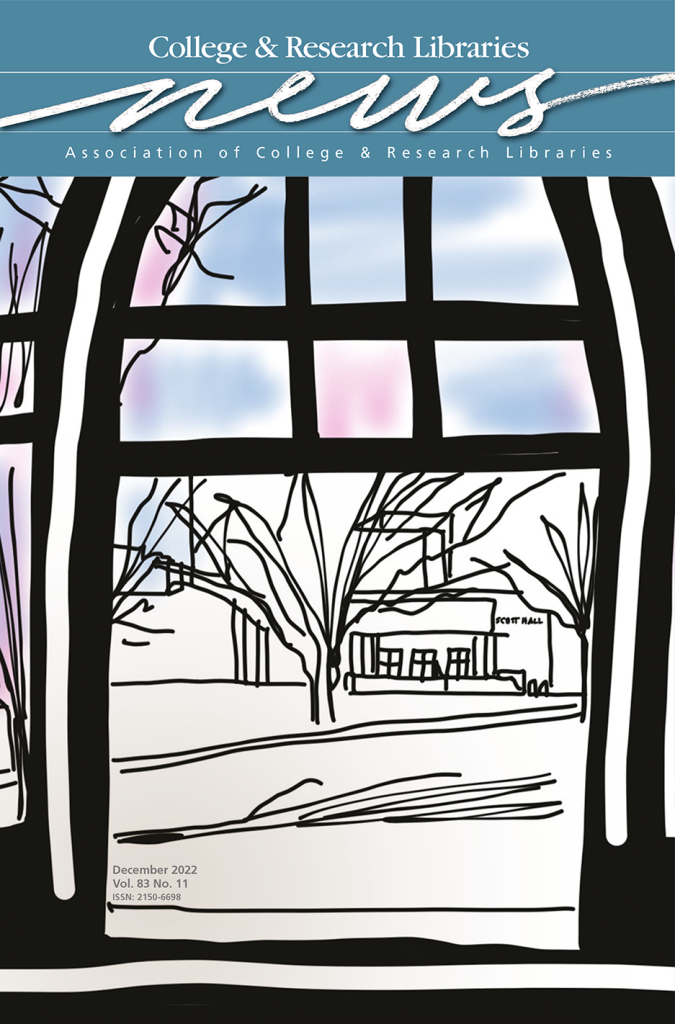
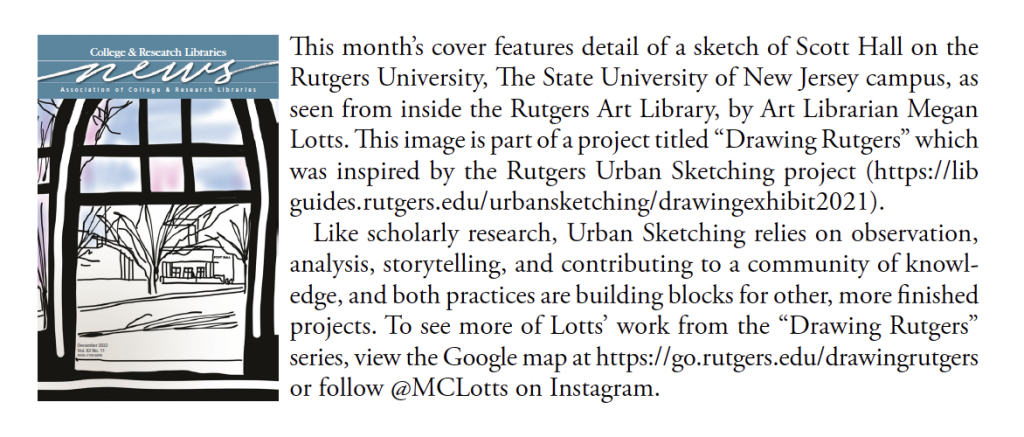

Congratulations to Art Librarian Megan Lotts for having her drawing of Scott Hall (from inside the Art Library) selected for the cover of this month’s C&RL News! Read the newsletter at this link.

As a Big Ten Academic Alliance (BTAA) member, Rutgers University Libraries has permanently purchased all Adam Matthew Digital content published from 2019 to 2022, totaling 16 new collections and seven new modules added to our existing collections. In 2020, through Partnership for Academic Library Collaboration and Innovation (PALCI), Rutgers University Libraries permanently purchased all Adam Matthew content published through 2018. With this new purchase, Rutgers now owns all Adam Matthew content published through 2022.
With this collective purchase as part of the BIG Collection initiative, each BTAA member institution gained all the Adam Matthew collections published through the end of 2022 that it did not yet own. By working collectively, BTAA was able to achieve a reduction of 90% off the list price, and each member’s payment was pro-rated based on the Adam Matthew collections and modules it already owned, so Rutgers paid only for the content it did not yet own.
Please see the list of Rutgers’ new collections and modules below. We have added every new collection to the Databases list. An easy way to view a list of the new collections is to look at the December 2022 section of the New Databases page. In some cases, we already owned modules in a collection, and now, we have gained an additional module or modules in that same collection. In these cases, we already had a databases list entry for the collection, so we simply added the new module information to the existing database page’s Description section. We are adding all the new collections and modules to QuickSearch as well. Please note that all Rutgers’ Adam Matthew content is also cross-searchable via AM Explorer.
Adam Matthew Digital produces digitized primary source collections by sourcing original documents and other materials from libraries, museums, and archives worldwide. Because Adam Matthew is based in the United Kingdom, many of the collections concentrate on British history, culture, and literature. However, many other topics are also represented, and the primary source materials have many interdisciplinary uses.
Please add the Adam Matthew collections to your instructional materials and share them with faculty and students. If you are a subject librarian, please check which collections are relevant to your subject areas. Given the large volume and the need for quick accessibility, preliminary subjects have been assigned to the new collections. Please contact Electronic Resources Librarian Elizabeth York if you want a database added to one of your subjects or to be a Best Bet for your subject(s). Also, please notify Elizabeth if any subject assignments need to be corrected.
New Collections:
America in World War Two
Digitized primary sources illustrating United States military and civilian involvement in WWII.
Central Asia, Persia & Afghanistan, 1834-1922
Digitized files from the British Foreign Office regarding Central Asia, Persia, and Afghanistan.
Colonial Caribbean
Digitized files from the British Colonial Office regarding the Caribbean.
Early Modern England
Digitized primary sources illustrating everyday life in 16th- and 17th-century England.
Ethnomusicology: Global Field Recordings
Digitized field recordings and accompanying materials from around the world.
Food and Drink in History
Digitized primary sources documenting food and drink in global history.
Foreign Office Files for Southeast Asia, 1963-1980
Digitized files from the National Archives of the United Kingdom regarding Southeast Asia.
The Gilded Age and Progressive Era
Digitized primary sources documenting United States culture, industry, and politics during the late 19th and early 20th centuries.
Interwar Culture
Digitized periodicals published in the United States and Britain between the World Wars.
Life at Sea
Digitized primary sources documenting Anglo-American sea travel from 1600-1900.
Mass Observation Project
Digitized archive of the Mass Observation Project, a public opinion survey program conducted by the University of Sussex, dating from 1981-2009.
Nineteenth Century Literary Society: The John Murray Publishing Archive
Digitized primary source materials from the John Murray publishing company, a major British publishing house.
Poverty, Philanthropy, and Social Conditions in Victorian Britain
Digitized primary sources documenting poverty and efforts to alleviate it in 19th-century Britain.
Sex and Sexuality
Digitized primary sources, including materials from the Kinsey Institute, documenting attitudes toward sexuality, gender, and sexual behavior in the United States, Great Britain, and Australia from the 19th to 21st centuries.
Shakespeare’s Globe Archive
Digitized production and architectural archives of the reconstructed Shakespeare’s Globe theater in London.
Victorians on Film
Digitized films produced during the Victorian era, primarily in Great Britain.
New Modules:
Digitized collection of the materials on North American colonies held in the Colonial Office files at The National Archives of the United Kingdom in London. Rutgers previously owned only Modules I-IV. We now also own Module V: Growth, Trade and Development.
Digitized archives of the London administration of the East India Company and the pre-1947 government of India. Rutgers previously owned only Modules I-II. We now also own Modules III-V:
Digitized primary sources documenting medical history during times of armed conflict dating from the mid-19th to the mid-20th century. Rutgers previously owned only Module I. We now also own Module II: 1928-1949.
Service Newspapers of World War 2
Digitized newspapers originally produced by members of various service branches on both sides of the conflict. Rutgers previously owned only Module I. We now also own Module II, which contains additional newspaper titles.
Digitized films originally produced in Communist countries during the 20th century. Rutgers previously owned only Modules I and II. We now also own Module III: Culture and Society.

Stop by the following NBL locations for finals week/stressbuster events:

Paul Robeson Library, in partnership with the Rutgers–Camden Center for the Arts, is hosting an exhibit for the NEA Big Read/Catalog of Unabashed Gratitude by Ross Gay now through December 9, 2022.
“Ross Gay’s poetry collection celebrates life and goodness and that which nourishes us, fleetingly and forever, through love and loss,” said Noreen Scott Garrity, director of the Rutgers-Camden Center for the Arts. “He touches on everyday living and notices what we often take for granted. We are looking forward to welcoming guests to share in this enjoyable literary experience.”
Complimentary copies of Gay’s book will be available on a first-come, first-served basis in early November, and participants will have the opportunity to contribute to a What Are You Grateful For? installation piece constructed by the Rutgers-Camden Center for the Arts.
Launched in 2006, the National Endowment for the Arts (NEA) Big Read aims to inspire meaningful conversations, artistic responses, and new discoveries and connections in participating communities. In partnership with Arts Midwest, the NEA supports programming centered around one of 15 different contemporary books.
For more information, visit the Big Read website.
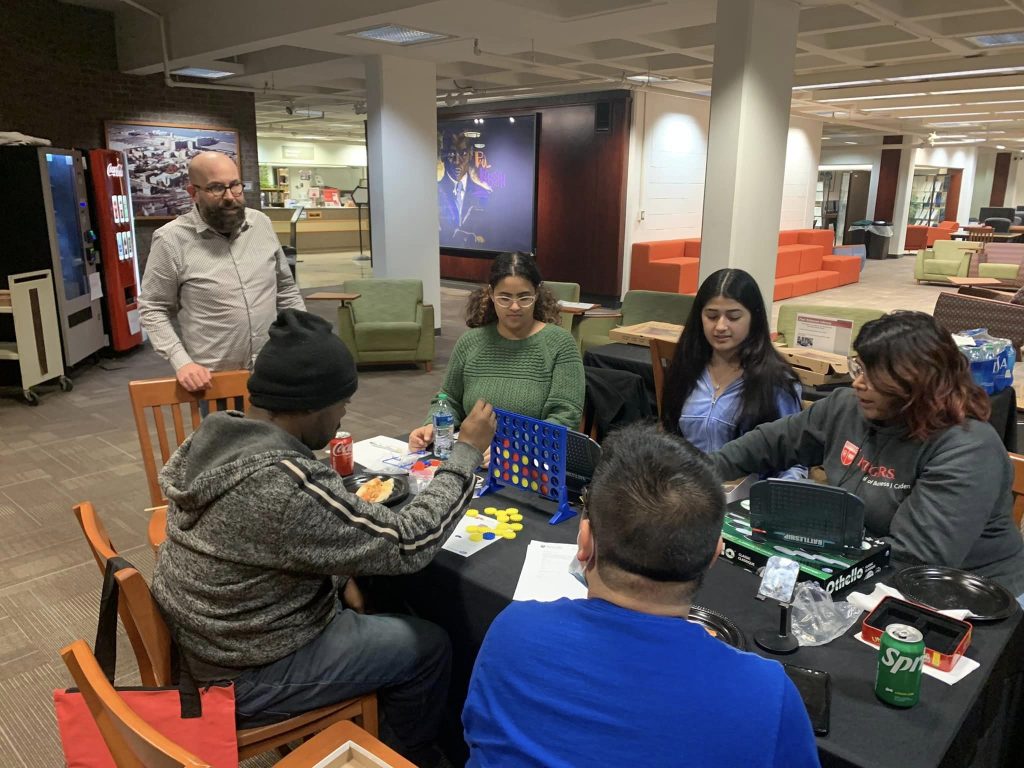
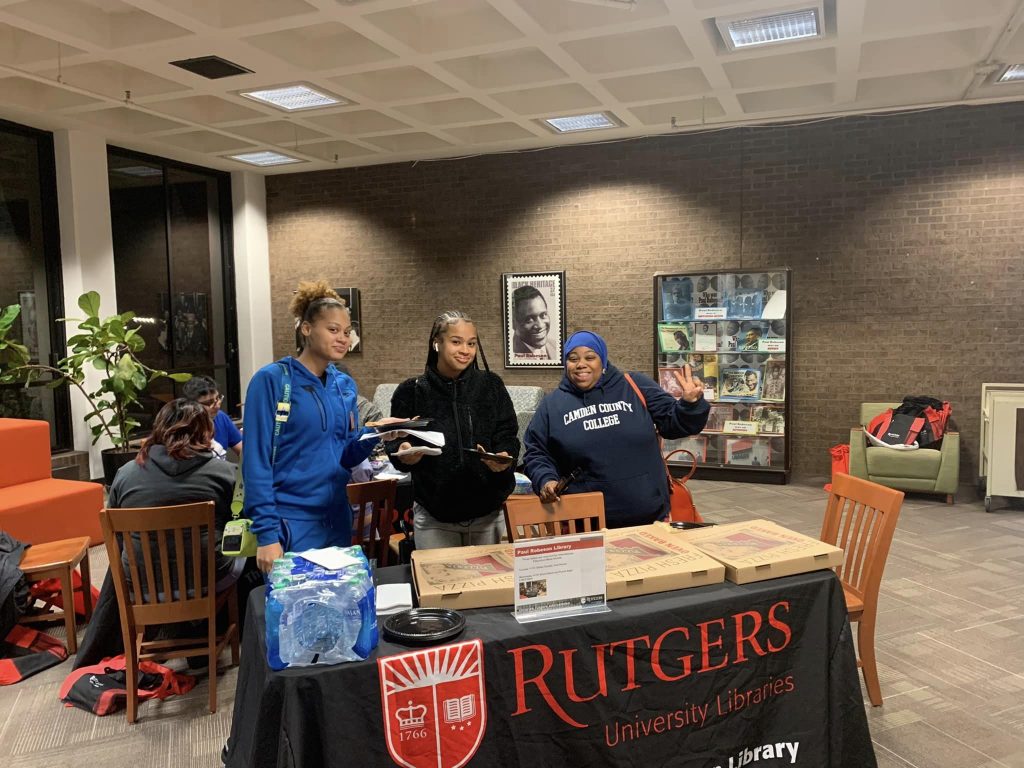
Robeson Library hosted two events for Rutgers–Camden’s International Education Week (November 14–18). On Tuesday, November 15, the Global Studies Department held an International Quizzo game. On Wednesday, November 16, Robeson’s Bart Everts and Edward Robinson facilitated a Game and Puzzle Night which brought together Rutgers and Camden County College students for a night of classic board games, puzzles, food, and friendship. Click this link to view more photos.
As part of a long-standing agreement, Robeson Library serves as the research library for the Camden campuses of Camden County College and Rowan University.
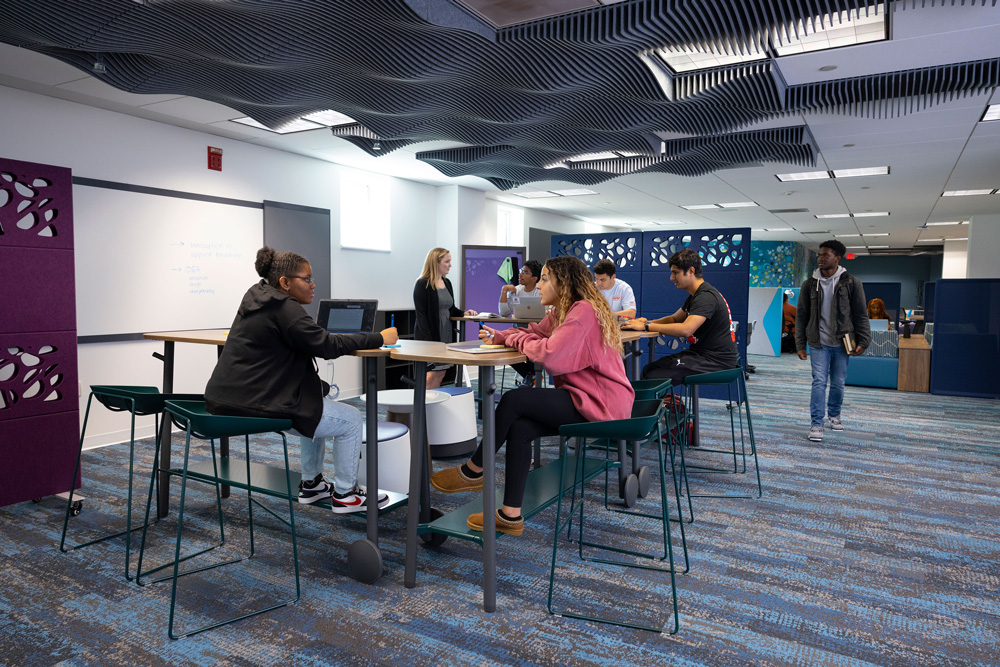
Rutgers University Libraries are proud to announce the opening of the Hatchery Innovation Studio, an innovation and creation center located in Alexander Library on the College Avenue campus. This new library space is the first of its kind at Rutgers and offers students a wide range of flexible, collaborative spaces to work on projects, practice pitches, and explore design and entrepreneurship ecosystems.
The Hatchery provides a stimulating environment where students can ideate; learn from each other, faculty, and industry innovators; and discover passions, challenges, and solutions. The 4,000-square-foot studio can accommodate up to 85 people and features 11 flexible meeting and creative areas; multimedia equipment, including a television, entertainment system, and computers; contemporary, modular furniture; dry-erase boards and art supplies; and a ping pong table.
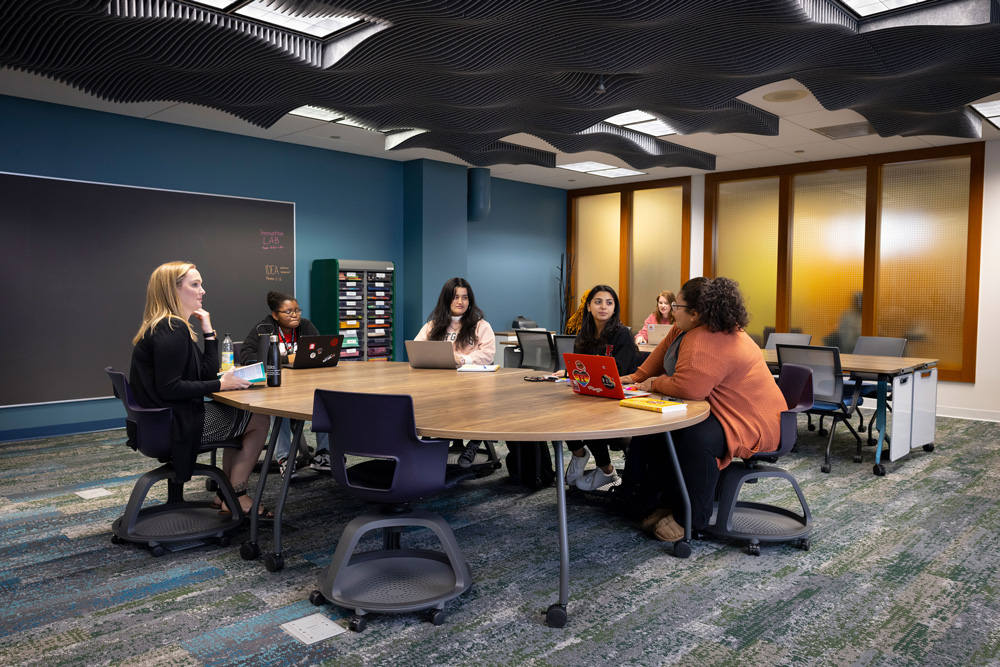
The Hatchery is a strategic partnership between Rutgers–New Brunswick Libraries and Rutgers’ Innovation, Design, and Entrepreneurship Academy (IDEA). The mission of IDEA is to integrate design and entrepreneurial thinking into the student experience. During the program, students participate in research, design challenges, and entrepreneurial thinking, as well as contribute to interdisciplinary projects focused on solving complex societal challenges.
To learn more about the Hatchery and to take a virtual tour, please visit libraries.rutgers.edu/hatchery.
On October 25, 2022, the Libraries celebrated the Hatchery’s grand opening with more than 60 guests. IDEA staff provided tours of the space, and IDEA students offered live project demonstrations.

Consuella Askew, Vice President for University Libraries and University Librarian, delivered welcome remarks, together with Prabhas Moghe, Executive Vice President for Academic Affairs; Francine Conway, Chancellor-Provost of Rutgers–New Brunswick; and Dee Magnoni, Associate University Librarian at Rutgers–New Brunswick Libraries. Three IDEA students—Fauzan Amjad ’24, Kritika Singh ’24, and Scott Rubin ’24—shared their experiences about the Hatchery and the IDEA program.

“The Hatchery is a unique space that developed from a partnership between the Rutgers University Libraries, Rutgers University Leadership, and IDEA,” Askew said. “It provides a dynamic environment serving as a third space for our students to connect with our library and disciplinary faculty members, and our community members, to engage in the innovation process.”
Askew noted, “The Hatchery would not have been possible without the generosity and support from University Academic Affairs and Rutgers–New Brunswick. I thank Prabhas and Francine for their ongoing contributions and advocacy of this unprecedented space and the Libraries.”

Moghe recounted the history of the Hatchery’s development and expressed his excitement for the new space and its potential for innovation.

Conway discussed the Hatchery’s role within the university: “The Hatchery is directly aligned with Rutgers–New Brunswick’s Academic Master Plan in its vision of bringing students together from diverse schools and disciplines for valuable, hands-on problem-solving.” She added, “I am excited for this partnership that will help students unlock new skills, explore the subjects that most deeply interest them, and build valuable experience that will propel them into the future.”

Magnoni expressed her gratitude to the university and the IDEA community: “The Hatchery is an innovation space that began with a conversation, took shape through a design process with IDEA students and staff, teaching faculty, and Division of Continuing Studies personnel. Consuella Askew provided the runway to proceed, Prabhas Moghe championed the effort, and Fran Conway supplied the scaffolding for our future success with the Rutgers–New Brunswick Academic Master Plan. Cheers to our tremendous collaborators, supporters, and partners!”
Read Magnoni’s Hatchery article at this link.
Veronica Armour, Director of IDEA, said, “We are excited for this partnership—IDEA is a first-year program that provides space for students to explore the innovation process by thinking about what problems they would like to solve. There is no better place for us to be situated than in the library to be able to build this community of student scholars, faculty, and industry mentors towards the discovery and exploration of interesting ideas.”
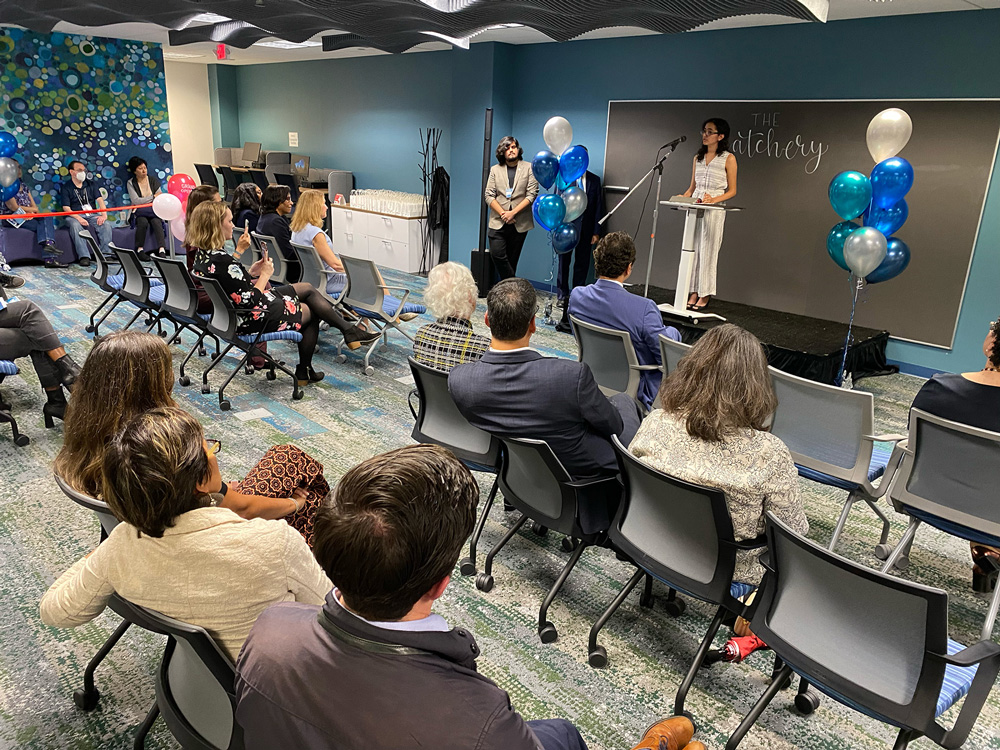
IDEA students gave presentations at the Hatchery’s grand opening.


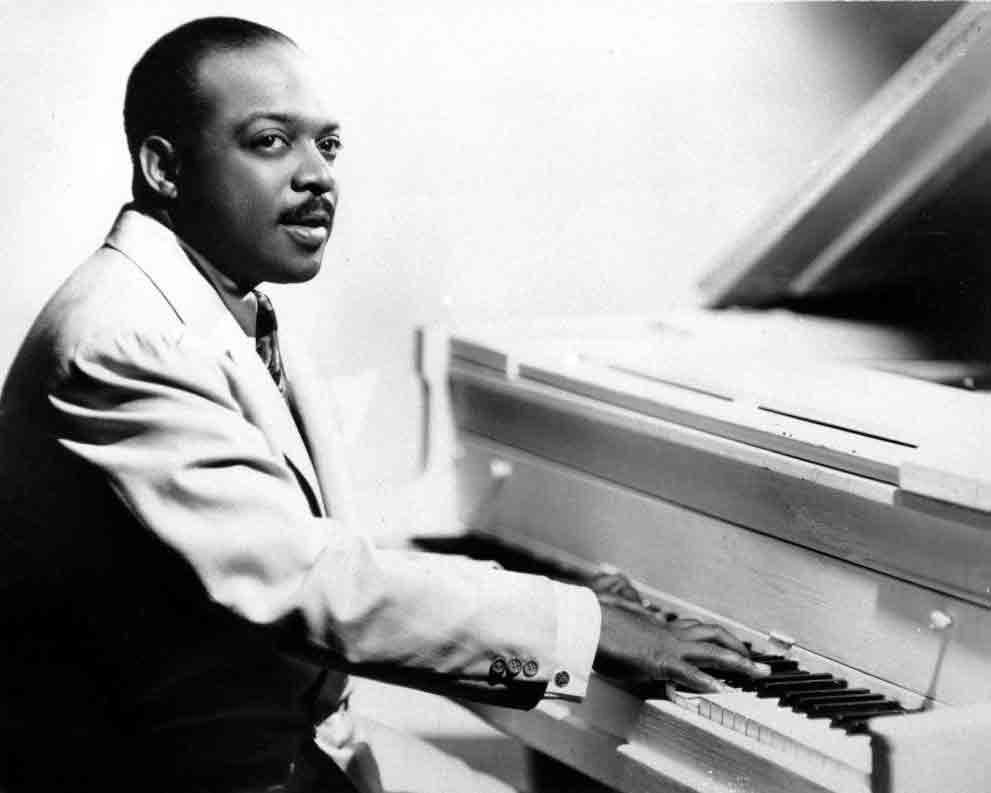
The Institute of Jazz Studies (IJS) is pleased to announce the launch of the long-awaited Count Basie Family Papers and Artifacts finding aid.
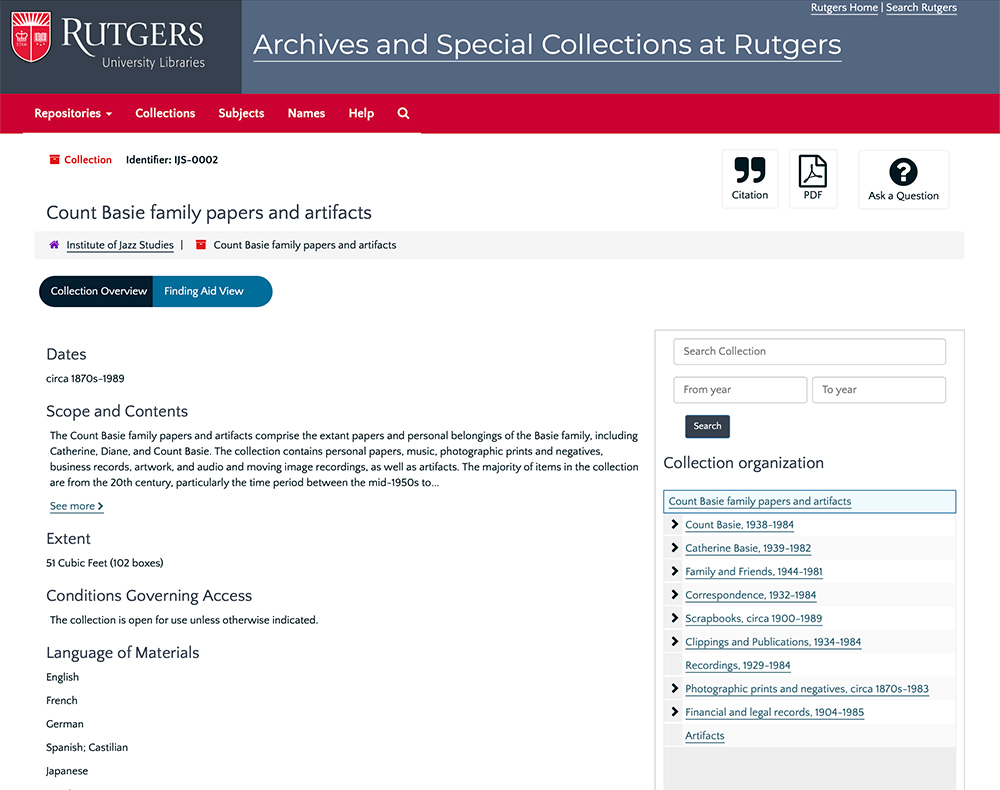
A native of Red Bank, New Jersey, William James “Count” Basie (1904–1984) was one of the giants of jazz, a global icon, and still one of the most influential, popular, and recognized figures in American music. The Institute acquired Basie’s papers and artifacts in 2018 and is responsible for ensuring its long-term preservation. The roughly 200-cubic-foot collection, consisting of more than 1,000 items, is unparalleled in its size and thorough documentation of Basie’s life and career, as well as those of his wife, Catherine, and daughter, Diane.
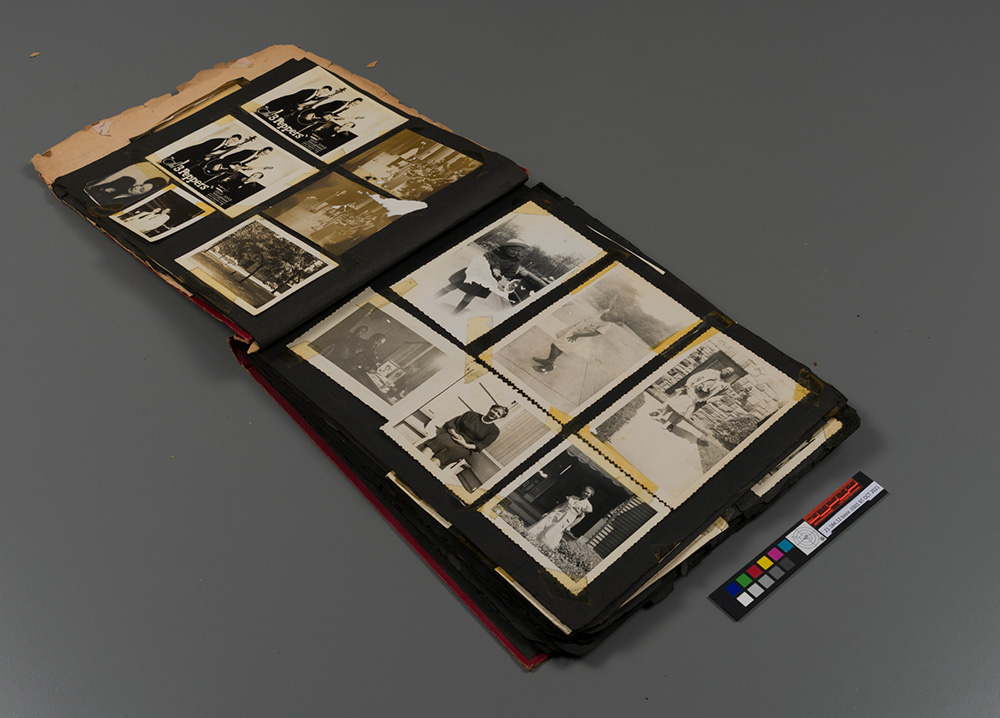
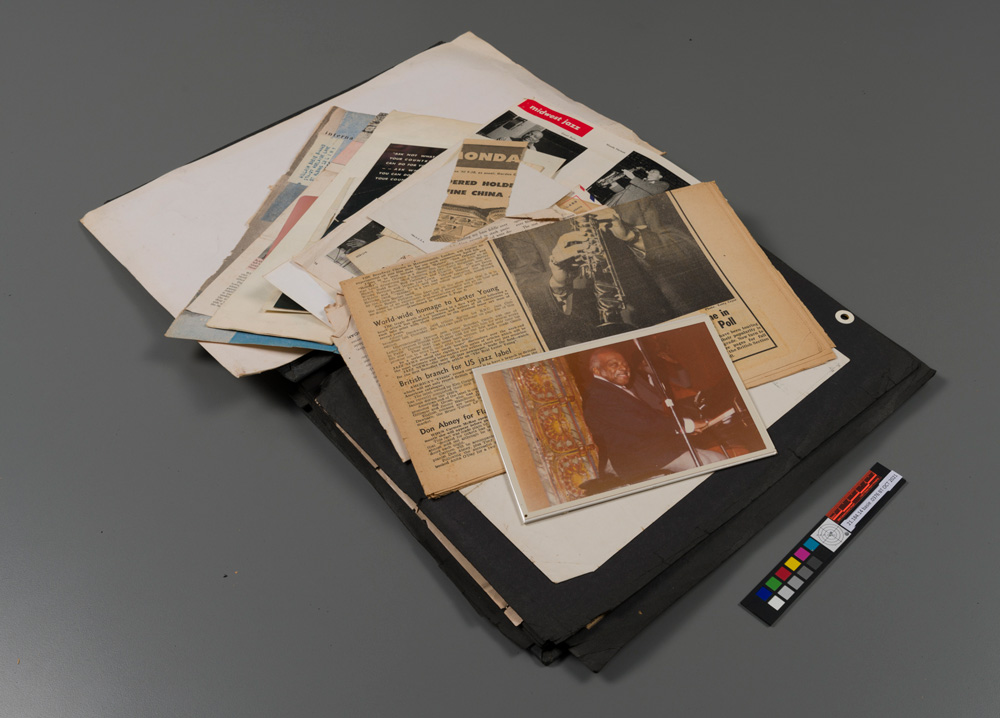
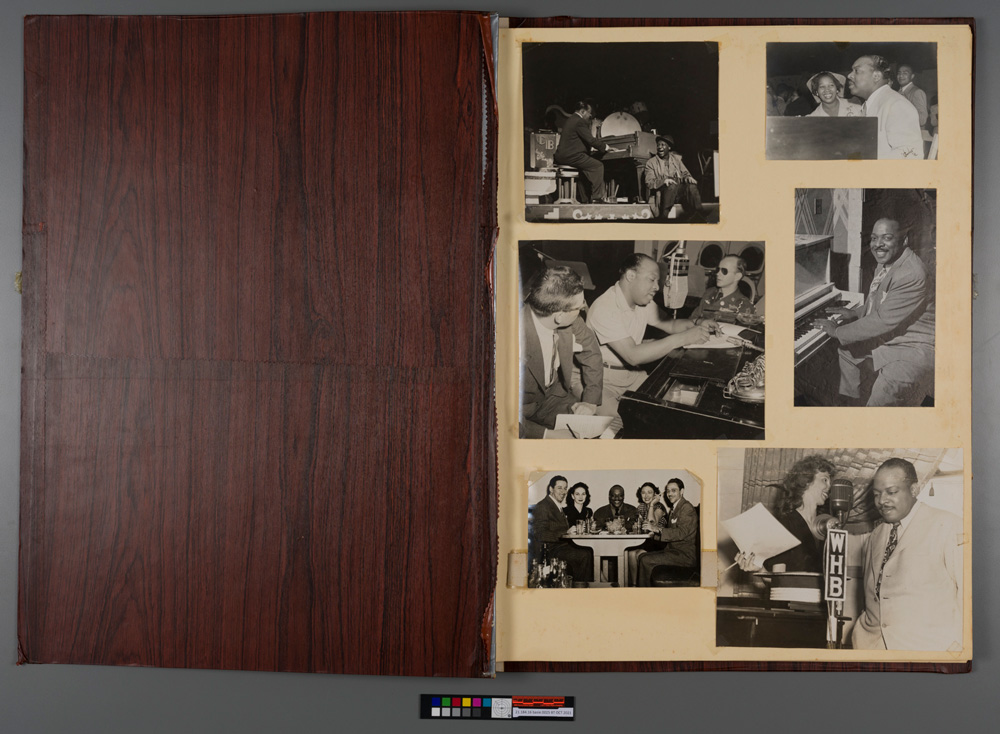
The papers portion of his collection is now available to the public for research and enjoyment. The artifacts and the remainder of the collection will be accessible in mid-2023. Please visit libraries.rutgers.edu/basie to access the finding aid.

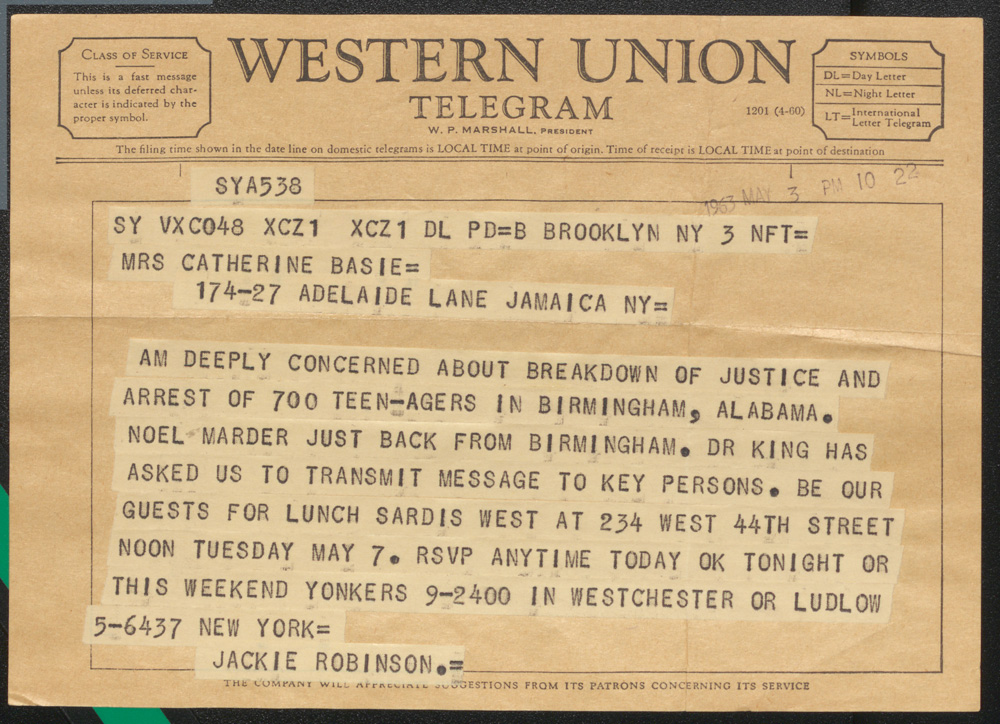
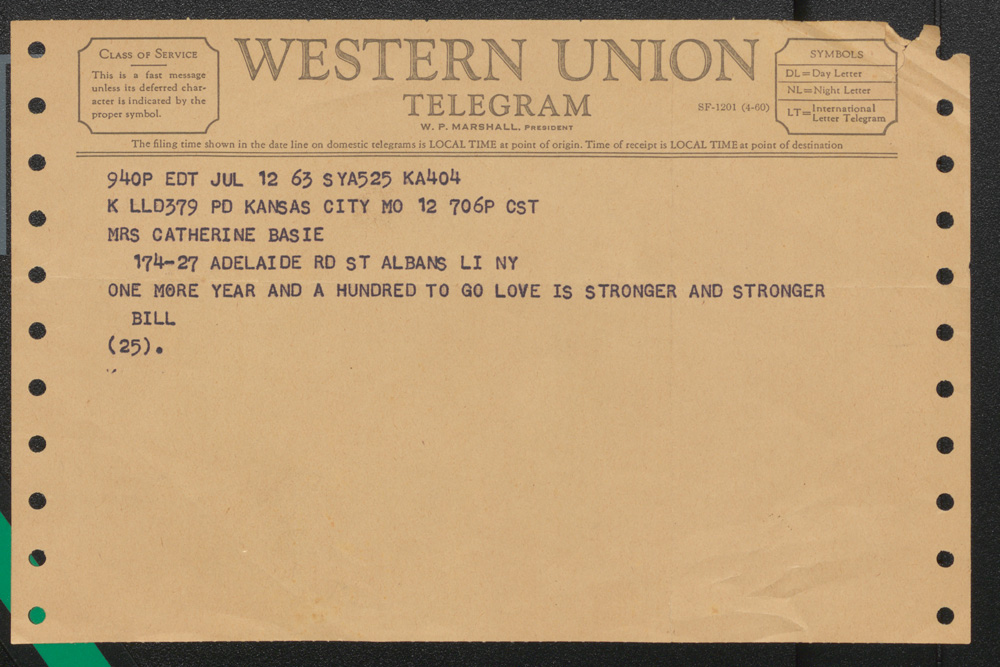
The Basie Family Papers and Artifacts document the vast impact of Count Basie’s enduring and storied career in jazz and American history and provide an unparalleled view of his family and private life. The collection is an essential resource for researchers in jazz, music, post-war American history, and American culture, especially black American culture. It is also critical for scholars, educators, writers, filmmakers, students, and the general public because of its breadth and depth.
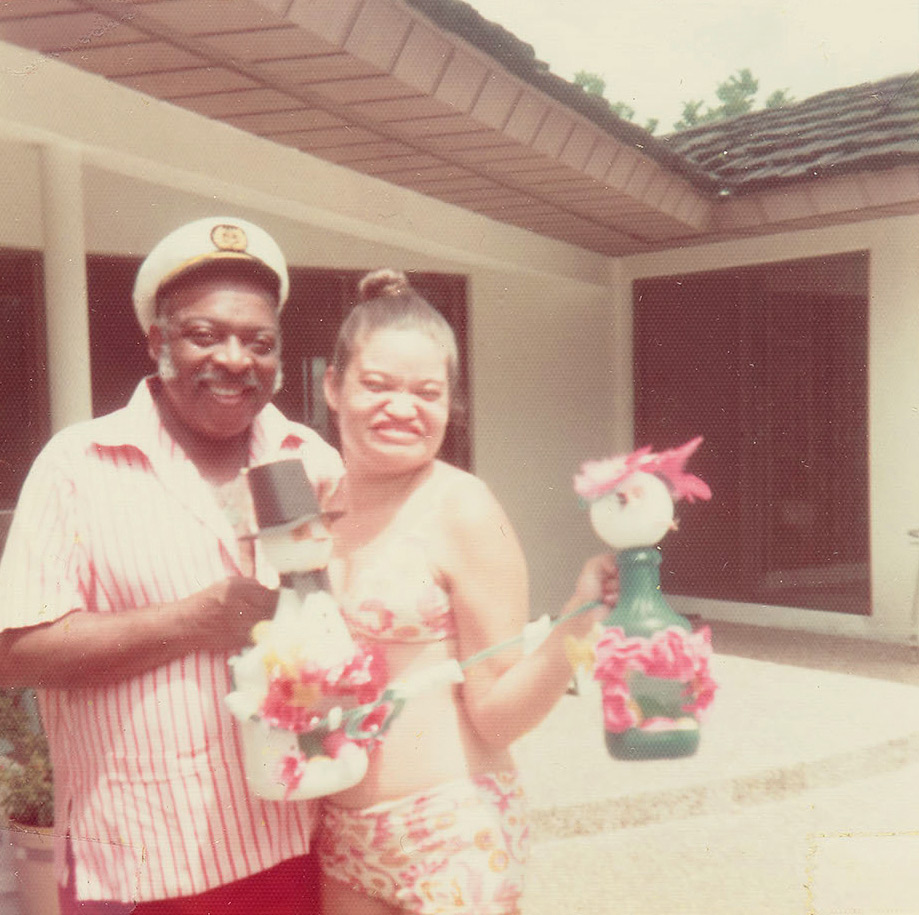
The collection contains extensive primary sources and objects ranging from Basie’s earliest years in Kansas City until his death. One-of-a-kind artifacts comprise approximately half of the items, including Basie’s piano and organ, select home furnishings, artwork, apparel, and accessories. Although the materials cover the entirety of Basie’s lifetime, the artifacts represent the latter years of his life and career particularly well, including many accolades, awards, honorary degrees, and proclamations he received during that period. Unique archival materials never before available to researchers comprise about one-third of the collection, including personal papers, business records, photographs, clippings, scrapbooks, ephemera, correspondence, and audio and moving image recordings.
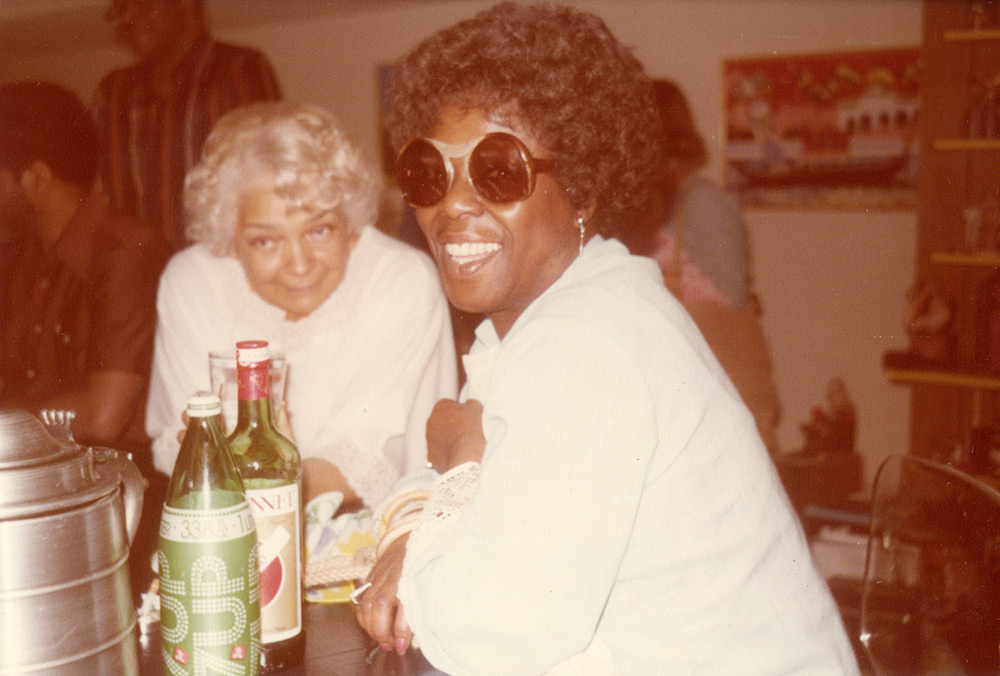
Catherine Basie’s life and accomplishments are also well documented in the collection, including her extensive civic and charity work (for which she was recognized by the major leaders of the day), her background as a dancer and singer, her social network, and the centrality of family in her home life.
The Count Basie Collection Archival Processing Project is funded in part by the New Jersey Historical Commission, a division of the New Jersey Department of State, in addition to funding from the Institute of Museum and Library Services, National Park Service, National Endowment for the Arts, and National Endowment for the Humanities.
The Institute of Jazz Studies is the world’s foremost archives and research library exclusively dedicated to jazz, an American art form that has transformed the world. Founded in 1952 by pioneer jazz scholar Marshall Stearns (1908–1966), IJS has been a leading institution in the preservation and access of jazz heritage. The Institute relocated from Stearns’ apartment to Rutgers University–Newark in 1966 and is part of the Rutgers University Libraries. In 1994, IJS moved to spacious new quarters on the fourth floor of the John Cotton Dana Library at Rutgers–Newark.
To learn more about the Institute of Jazz Studies, please visit libraries.rutgers.edu/ijs.
Unless otherwise noted, all photos are courtesy of the Institute of Jazz Studies, Count Basie Family Papers and Artifacts.
Although the Thanksgiving holiday is behind us, expressing thanks does not have a time limit. I want to express my gratitude for your extraordinary dedication, perseverance, and hard work. In a year filled with change, your commitment to delivering exceptional service to our users remained constant. On behalf of the Libraries Leadership Team, I thank each of you for your service.
I also want to thank you for the thoughtful discussions and incisive feedback received regarding our organizational restructure. We are moving forward with option 2 as it resonated with many of you and best positions us to address the evolving expectations and priorities of our university community. Although we have much work in front of us, this decision marks an exciting milestone in this three-phase process.
In Phase I of the organizational restructure, the immediate next steps will be filling new leadership roles, particularly the AVP for Campus and Special Libraries. (These are currently working titles and may slightly change as we think through the details of these roles.) It is important to highlight that the AVP for Campus and Special Libraries will provide focused day-to-day support for the AULs. Additionally, this position will work directly with the AULs to identify synergies across our local libraries to leverage resources that can lead to increased efficiencies. The intent is to have this position filled and solidified by the end of spring 2023, so they can serve as part of the transition team during Phase II.
Phase II will focus on the functional areas and services reporting up through each AVP. We must ensure the services the Libraries offer directly align with the university’s needs and priorities. Phase III will focus on the organization of our workforce across the system.
The restructure will be a long and deliberate process that will take us the better part of 18 months. During this critical juncture for the Libraries, your continued contributions and support throughout this process are deeply appreciated.
I am very pleased to announce the revised RUL Mission Statement and RUL Aspirations Statement were overwhelmingly approved and will be formally adopted (view them on the Libraries’ website at this link). They will serve as our North Star as we move forward with our organizational structure and strategic planning process. As we get further into both those efforts, we may need to revisit and tweak the statements to ensure they fully reflect the work we are doing and aspire to do. I want to thank the RUL Affirmation Group (Isaiah Beard, Laura Costello, Joseph Deodato, Bart Everts, Francesca Giannetti, John Gibson, Tom Glynn, Naomi Gold, Krista Haviland, Amy Joyner, Nancy Kranich, Triveni Kuchi, Barry Lipinski, Mei Ling Lo, Yan Lu, Christie Lutz, Orla Mejia, Tracey Meyer, Ermira Mitre, Sue Oldenburg, Cathy Pecoraro, Michele Petosa, Ayesha Salim, Elizabeth Surles, Roberta Tipton [retired], Bob Vietrogoski, Victoria Wagner, Mary Beth Weber, Zara Wilkinson, Drue Williamson, and Phil Wilson) for their diligence and thoughtfulness as they worked through the process for the last eight months or so, which resulted in these statements. I also appreciate your taking the time to vote and share your thoughts about these statements.
Lastly, we have added a new section to The Agenda to reinforce our commitment to diversity, equity, and inclusion in the workplace. The DEI Spotlight highlights the vital work of the DEI Committee, upcoming training and events, DEI resources, and more. I encourage you to explore the Spotlight and the resources highlighted (see the link in the top navigation bar).
Rutgers Health Sciences Libraries (HSL) is pleased to announce the November issue of its Impact e-newsletter. Please click this link to read the latest HSL news, events, and features, including:
Subscribe today to get Impact delivered to your inbox!
In November 2022, the Rutgers University Libraries Mentoring Program Committee hosted a two-part program to give authors insight and confidence to share their ideas and expertise through publishing: “Part 1: Editors Panel” (November 2) and “Part 2: Authors Panel” (November 17).
Experienced editors and authors discussed the fundamentals of research, writing, and publishing. They addressed topics such as turning an idea into a publication, dealing with deadlines and writer’s block, and collaborating with co-authors.
For more information about the Mentoring Program Committee, please visit staff.libraries.rutgers.edu/faculty-mentoring.
Laura Costello is the director for strategic planning and assessment for Rutgers University Libraries. Laura has authored and co-authored three books, seven book chapters, and over 20 peer-reviewed articles and other publications. Her research focuses on assessment in diverse areas of the library, including reference and user services, collections, and library spaces. She serves as a regular peer reviewer for the open-access journal Evidence Based Library and Information Practice (EBLIP). Her most recent publication is a co-authored article on the impact of the COVID-19 pandemic on virtual reference services published in The Journal of the Association for Information Science and Technology (JASIST).
Melissa De Fino is the special collections and formats metadata librarian for Rutgers University Libraries. Melissa is the co-author of the recently published book Virtual Technical Services: A Handbook, which stemmed from her experiences during the COVID-19 quarantine period and has led to conference presentations and an interview invitation for the Lucidea “Think Clearly” blog. She served as the editor of the Technical Services Quarterly column “Tech Services on the Web” for five years. Melissa has published peer-reviewed articles about the changing nature of technical services librarianship and has served as a peer reviewer for several articles. Melissa was an ALA Emerging Leader in 2008 and was RUL’s first Emerging Leader.
Megan Lotts is the art librarian at the Art Library of Rutgers University Libraries. Megan teaches research workshops, builds collections, facilitates programming and events, and closely engages with students and faculty researching in the arts. She has presented her research nationally and internationally and published articles in portal: the Libraries and the Academy, Art Documentation, Journal of Library Administration, College and Research Libraries News, and more. In 2021, the American Libraries Association published her book Advancing a Culture of Creativity in Libraries: Programming and Engagement. Her research interests include creativity, outreach and engagement, makerspaces, play, and the work of library liaisons. She is known for her work in implementing LEGO® play, creating a culture of creativity, and curating the exhibition spaces at the Rutgers University Art Library. She also teaches a semester-long seminar, “Playing to Learn in Higher Education.”
Caryn Radick is the digital archivist for Special Collections and University Archives of Rutgers University Libraries. Caryn was a Special Collections and University Archives processing archivist from 2004 until 2011, when she assumed her current role. She oversees the New Jersey Digital Newspaper Project, which provides digitized historic newspapers. Her research interests include the intersection of archives and fiction and surfacing mysteries and puzzles found in archives. She has published articles in The American Archivist, Archivaria, and Nursing-Clio. Caryn served as an associate editor for the Journal of Archival Organization and the Journal of the Rutgers University Libraries. She is the 2021 recipient of the New Jersey Studies Academic Alliance’s Teaching Award for her Byrne Seminar class “Only in New Jersey! New Jersey’s History in Newspapers.”
Yingting Zhang is the research services librarian at the Robert Wood Johnson (RWJ) Library of the Health Sciences of Rutgers University Libraries and an adjunct assistant professor in the RWJ Medical School Department of Medicine, Rutgers University. Yingting also serves as the liaison librarian to the School of Public Health and the Cancer Institute of New Jersey. She is a Distinguished Member of the Academy of Health Information Professionals. She serves on the Rutgers Health Sciences Institutional Review Board (IRB) and the Executive IRB. Yingting has authored and co-authored 14 peer-reviewed journal articles and six non-peer-reviewed papers. She is currently working on a book chapter related to research on digital identity and writing an article on her experience providing systematic reviews for the past seven years.
Marianne Ryan is the dean of University Libraries at Loyola University Chicago. Since 2015, Marianne has served as the editor of portal: Libraries and the Academy, published by Johns Hopkins University Press and part of its Project Muse collection. Marianne also served as the Management column editor of Reference and User Services Quarterly and on the editorial board of Library Leadership & Management. She has published numerous articles, including “How to Get Your Article Published: Twenty Tips from Two Editors.”
Ken Varnum is the senior program manager and discovery strategist at the University of Michigan Library. Ken’s research and professional interests include discovery systems, library analytics, and technology in the library setting. He has been the editor of Information Technology and Libraries (ITAL) since 2017 and has edited five books, the most recent being New Top Technologies Every Librarian Needs to Know, published in 2019. ITAL is one of ALA Core’s three official journals and is open access.
Adriana Cuervo is the head of Archival Collections and Services at the Institute of Jazz Studies in the John Cotton Dana Library, Rutgers University–Newark. Adriana oversees the day-to-day operations of the Institute of Jazz Studies—the world’s largest and most comprehensive jazz research facility. She has had a long career in music and performing arts special collections and previously worked at the Sousa Archives and Center for American Music at the University of Illinois at Urbana-Champaign. She enjoys working in the preservation, access, and promotion of cultural heritage and has published several articles. Adriana served on the editorial board of American Archivist for four years.
Nancy Kranich teaches at the Rutgers University School of Communication and Information and conducts special projects for Rutgers University Libraries. She served as President of the American Library Association in 2000–2001, focusing on the role of libraries in democracies. Nancy is currently editing a special issue on reimagining the civic role of libraries for Library Quarterly. She serves on the editorial boards of Library Quarterly: Information, Community and Policy and the Journal of Information Policy. She is also a frequent pre-publication peer reviewer for several scholarly journals. She has published countless articles and has served as editor and contributor to Libraries and Democracy for ALA Editions.