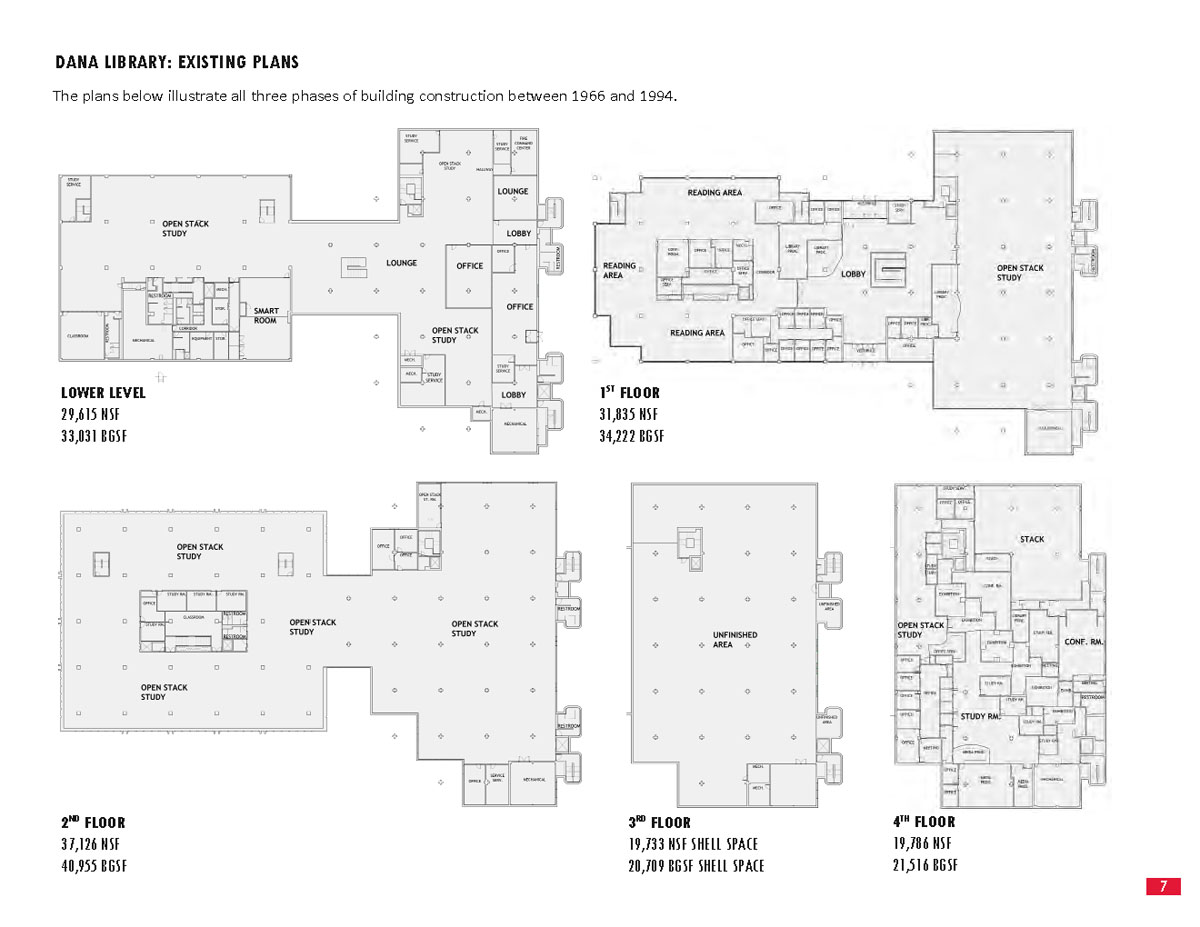
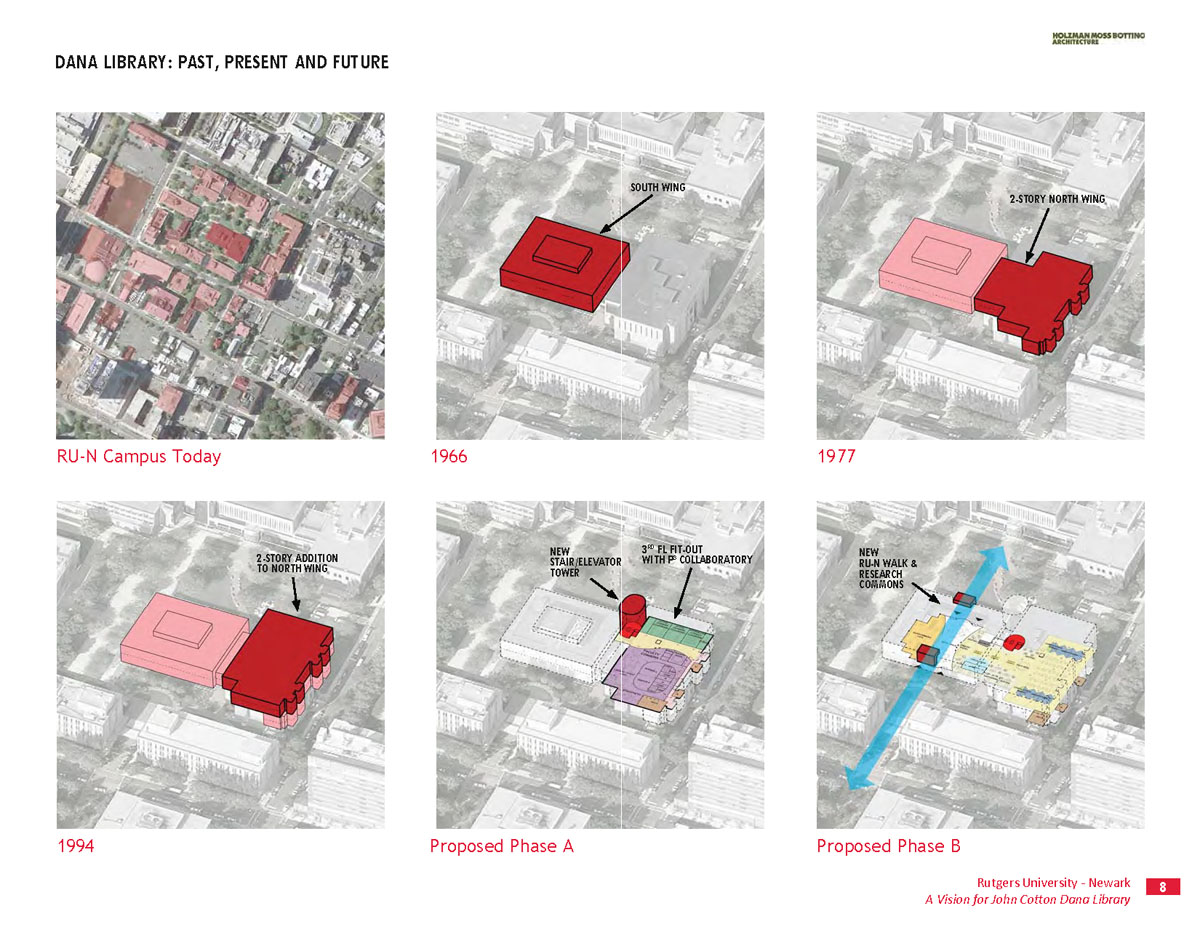
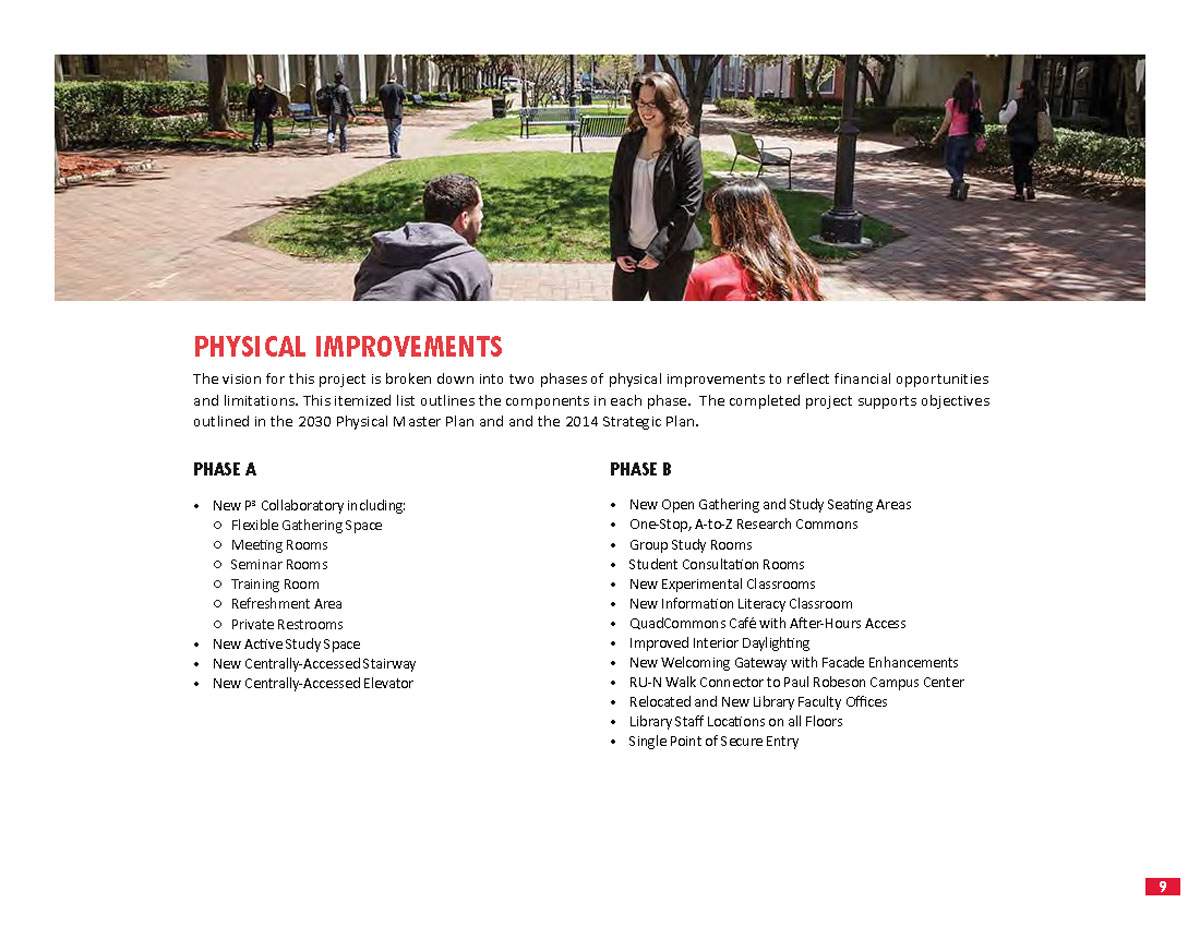
 On May 13th, 2016, Dana Library hosted its second annual staff development day which was centered on exploring the question, “What does it mean to be a user centered academic library in the 21st century?” A “user centered” library was defined as one that optimizes the library experience around how users can, want, or need to use it, rather than forcing the users to change their behavior to accommodate it. Impending renovations to our third floor and the concurrent Rutgers University Library master facilities planning process for an overall building renovation prompted the need for us to take a critical look at where we are now in terms of services, collections and space and where we envision ourselves to be in the future. The full day agenda included invited speakers from the Rutgers University–Newark (RU-N) Division of Student Affairs representing the Office of ADA Services and Veteran Affairs, Counseling Services, and Judicial Affairs, and Student Development/Educational Programming, along with the Rutgers University Center for Organizational Leadership and Development.
After a brief welcome and introduction to the day, the RU-N Division of Student Affairs started the program of events off with a highly informative and engaging session on student wellness and campus safety. The Dana faculty and staff learned more about the resources and processes concerning our students’ care and well-being while attending RU-N. Topics covered include the Campus Awareness Response and Education (CARE) Team, ADA Services, and understanding student behaviors. The latter portion of the presentation included an interactive role play activity based on the five basic styles for conflict management. This experiential activity, was entertaining—we identified a number of potential Emmy award winning actors amongst us—and allowed us to more easily identify conflict styles, along with potential methods to manage them.
The Dana faculty had already been engaged in a data gathering process to inform our self-analysis. The remainder of the morning consisted of presenting the data collected and compiled, sharing demographic information about the community we serve, and getting a detailed look at the services we provide, along with usage data. The information shared in the presentations served as background and context for the facilitated small group discussions regarding our services that took place in the afternoon. Recognizing that our services are for the most part centralized with little room for experimentation, faculty and staff discussed services that we would continue, those that might be discontinued or tweaked, and the potential for creating new services. The afternoon was full of rich and seemingly robust discussion evidenced by the resulting recommendations.
The activities of the 2016 Dana Staff Development Day serve to move us closer to the user centered library we aspire to be, as we become more aware and self-reflective of how we interact with our users and each other. Our work continues as we take action on those recommendations that can be easily realized in the short turn and enfolding those with long term implications into future goals for our library.
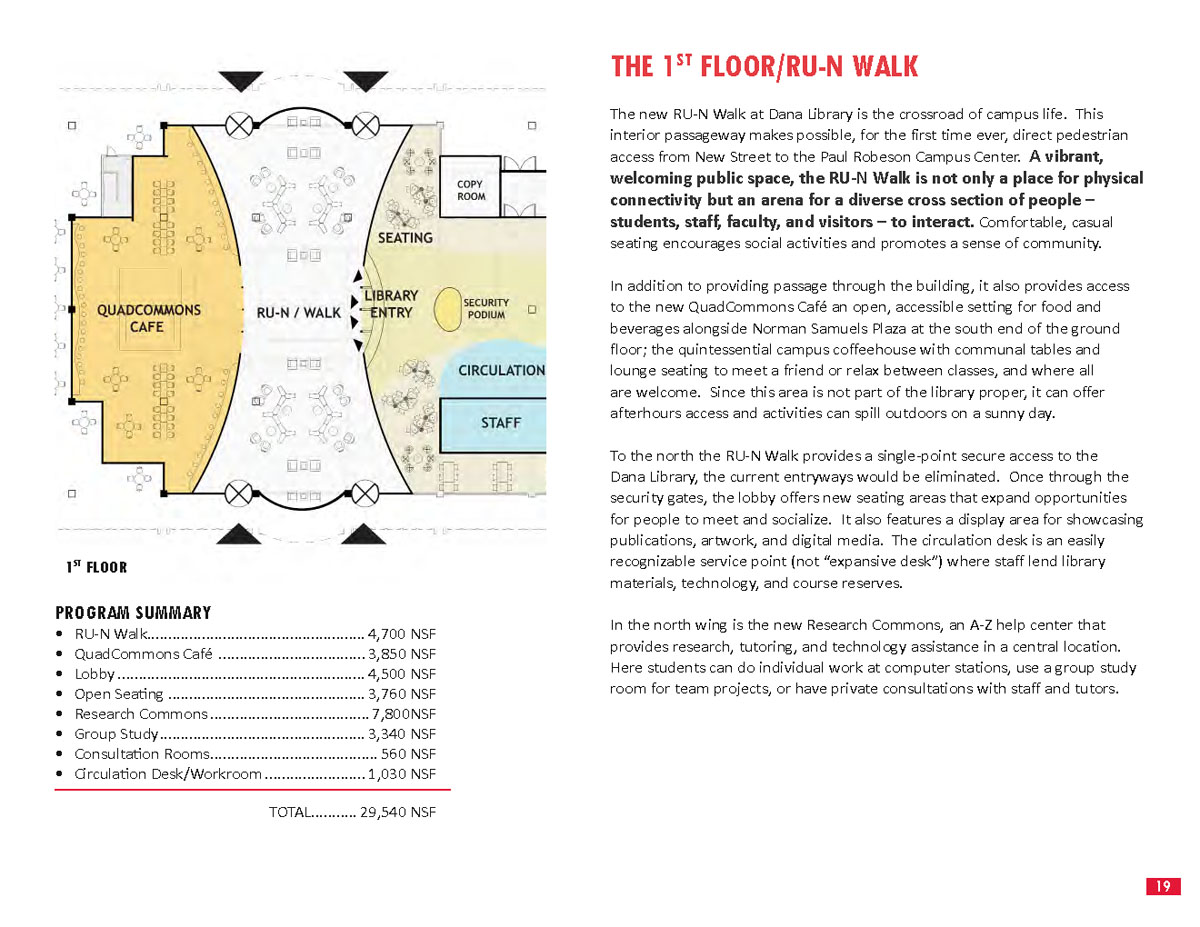
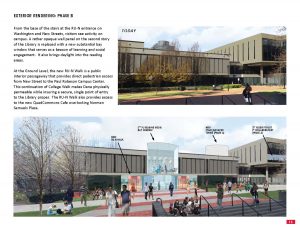 Building upon the Rutgers 2030 Physical Master Plan and the Rutgers University–Newark strategic plan, this project is one of two student-focused renovation and expansion projects to be included as part of the university’s capital improvement fund (CIF) grant.
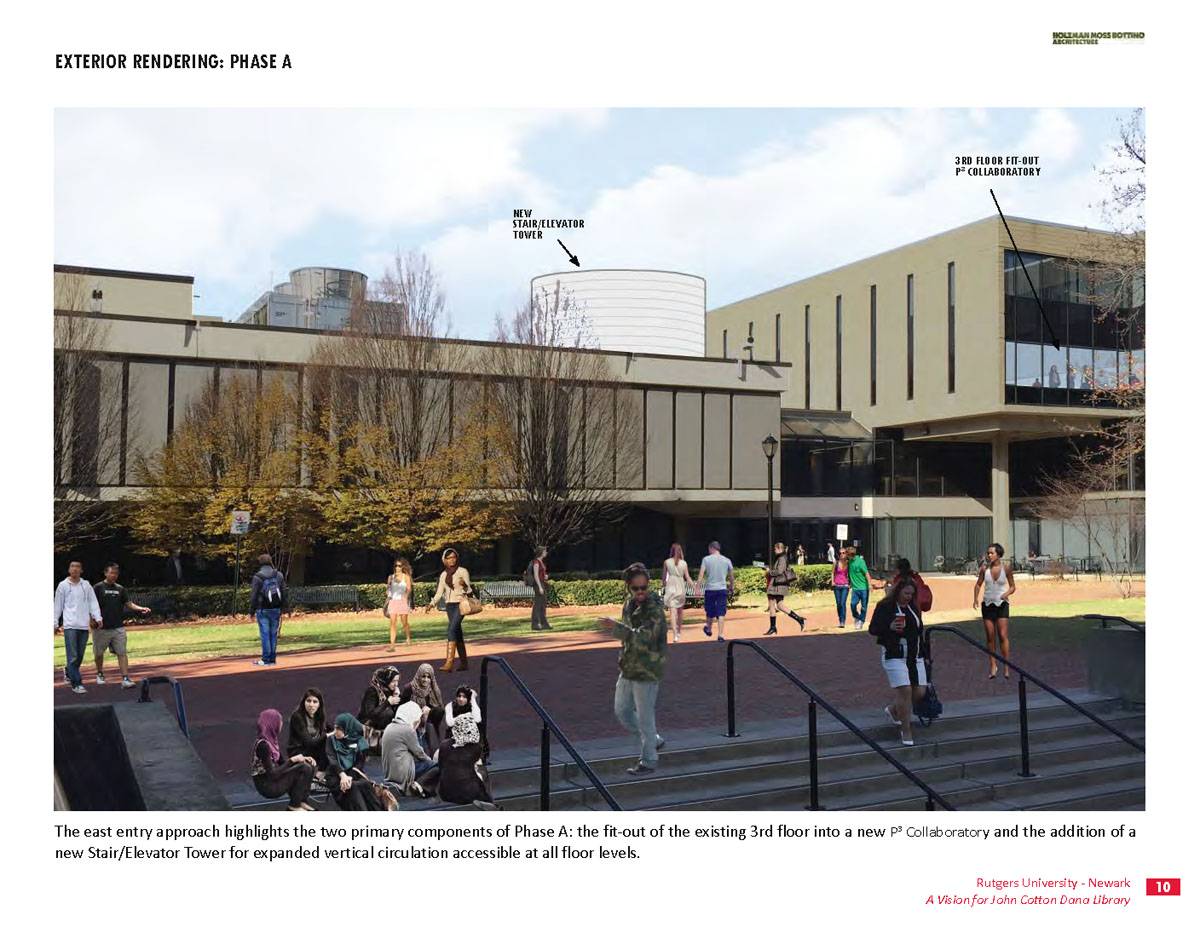
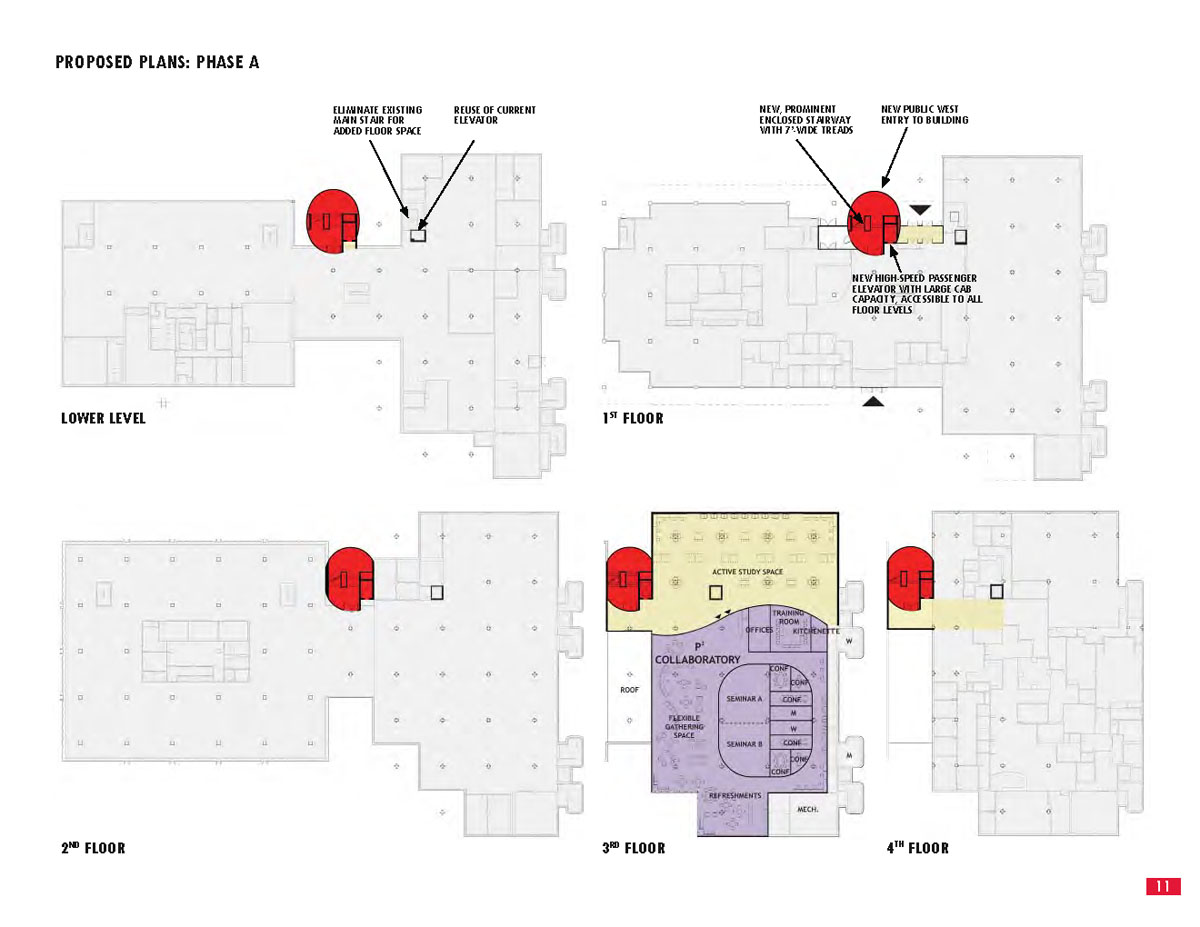
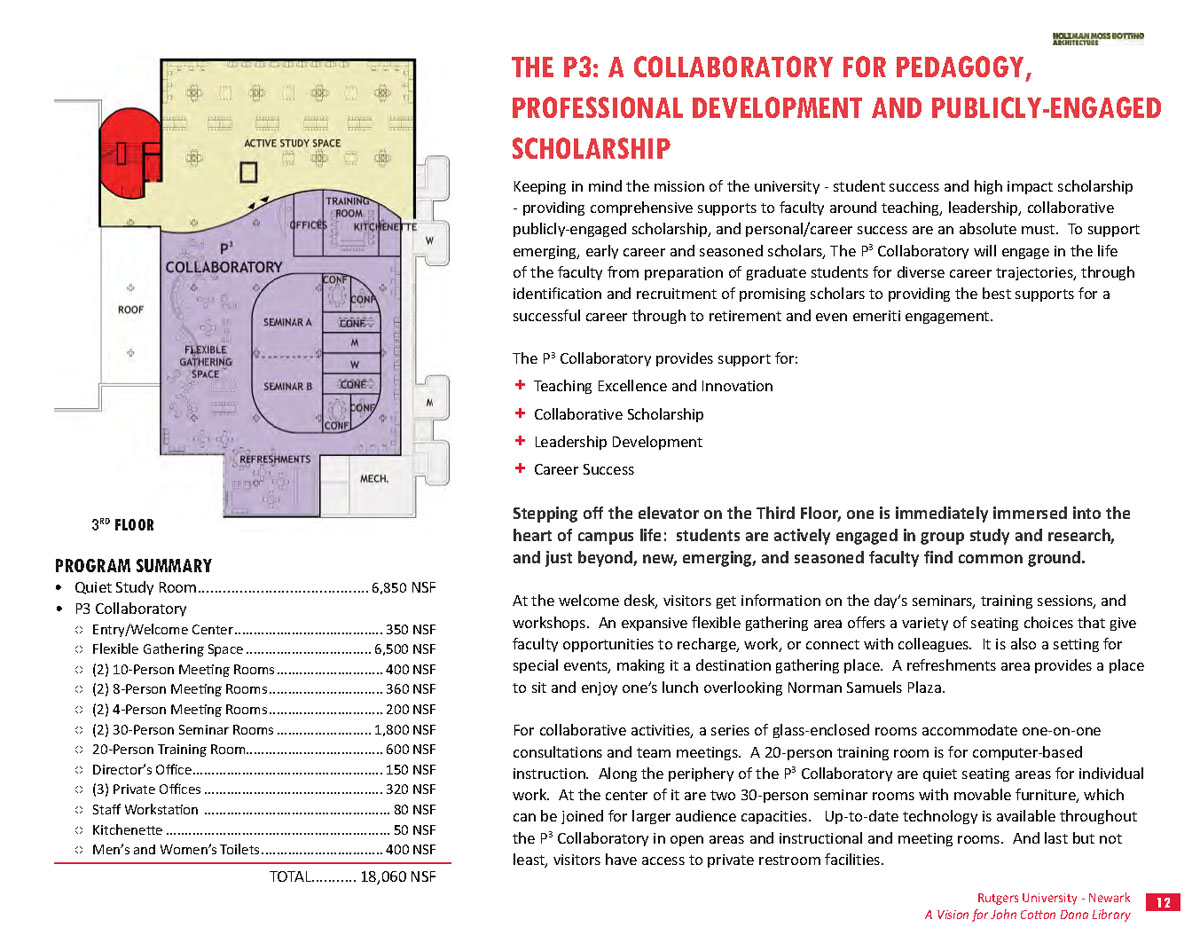
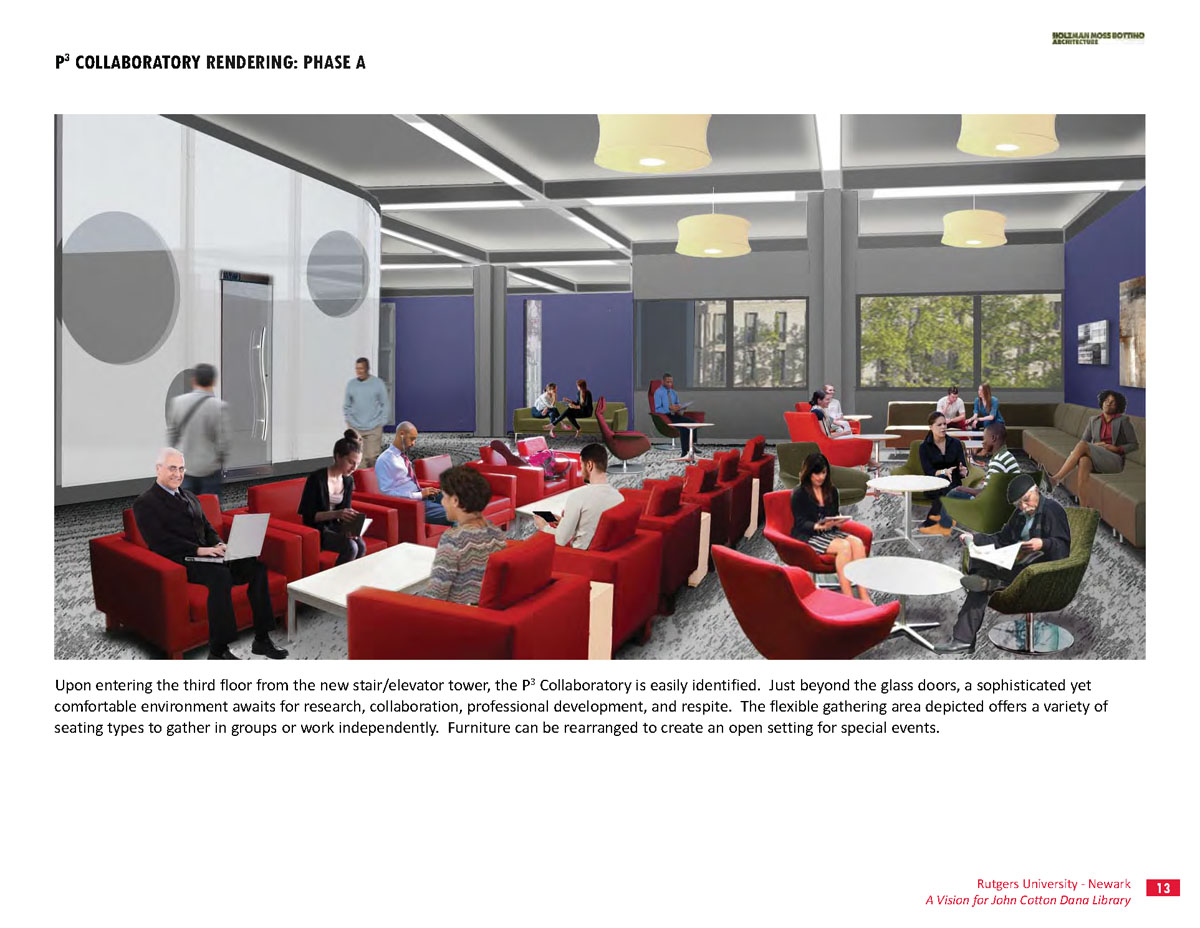
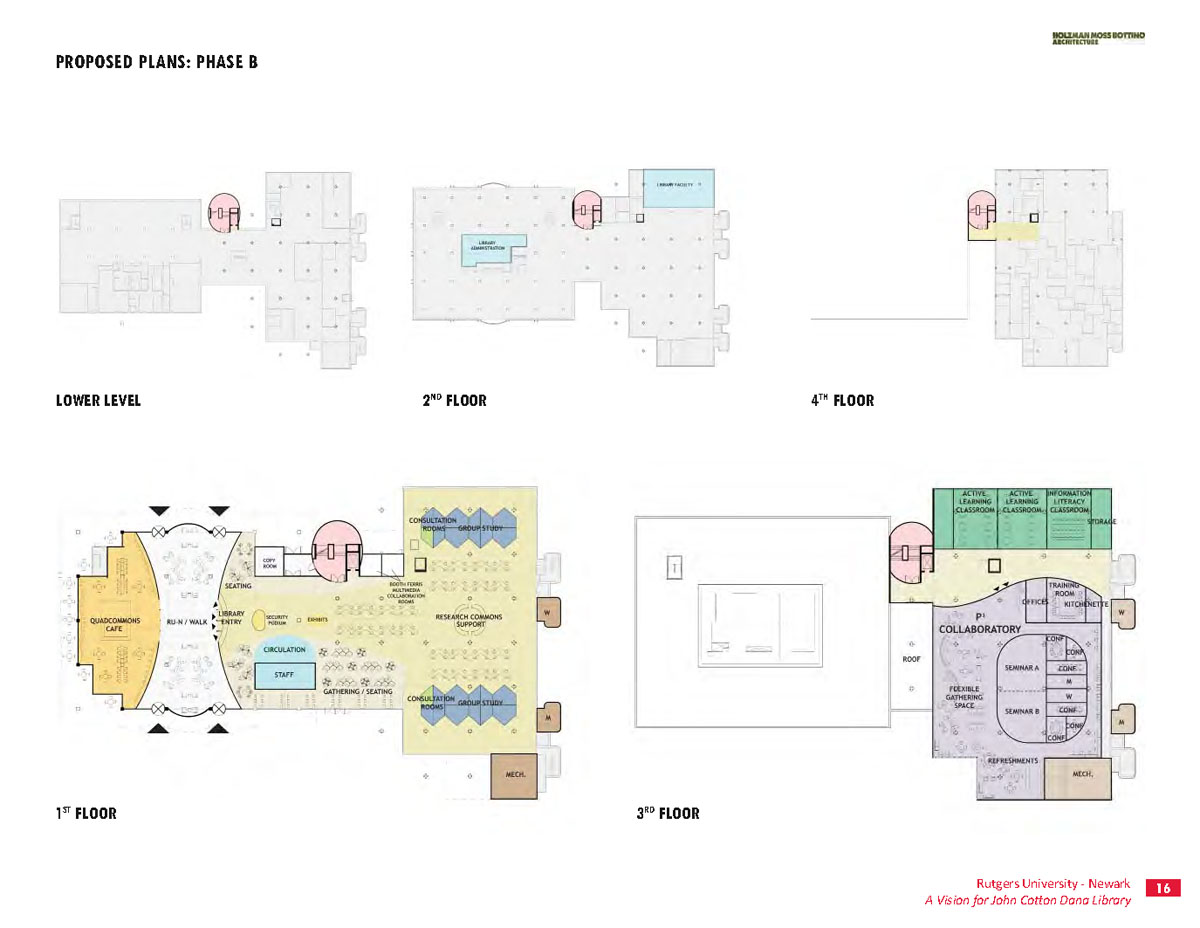
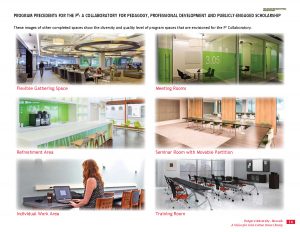 The P3 Collaboratory is a university unit that will provide comprehensive support to instructional faculty and graduate students focused on teaching, leadership, collaborative publicly engaged scholarship, and career development. To accommodate the expected increase in traffic, the plan also includes the installation of a new high capacity elevator and a grand stairway.