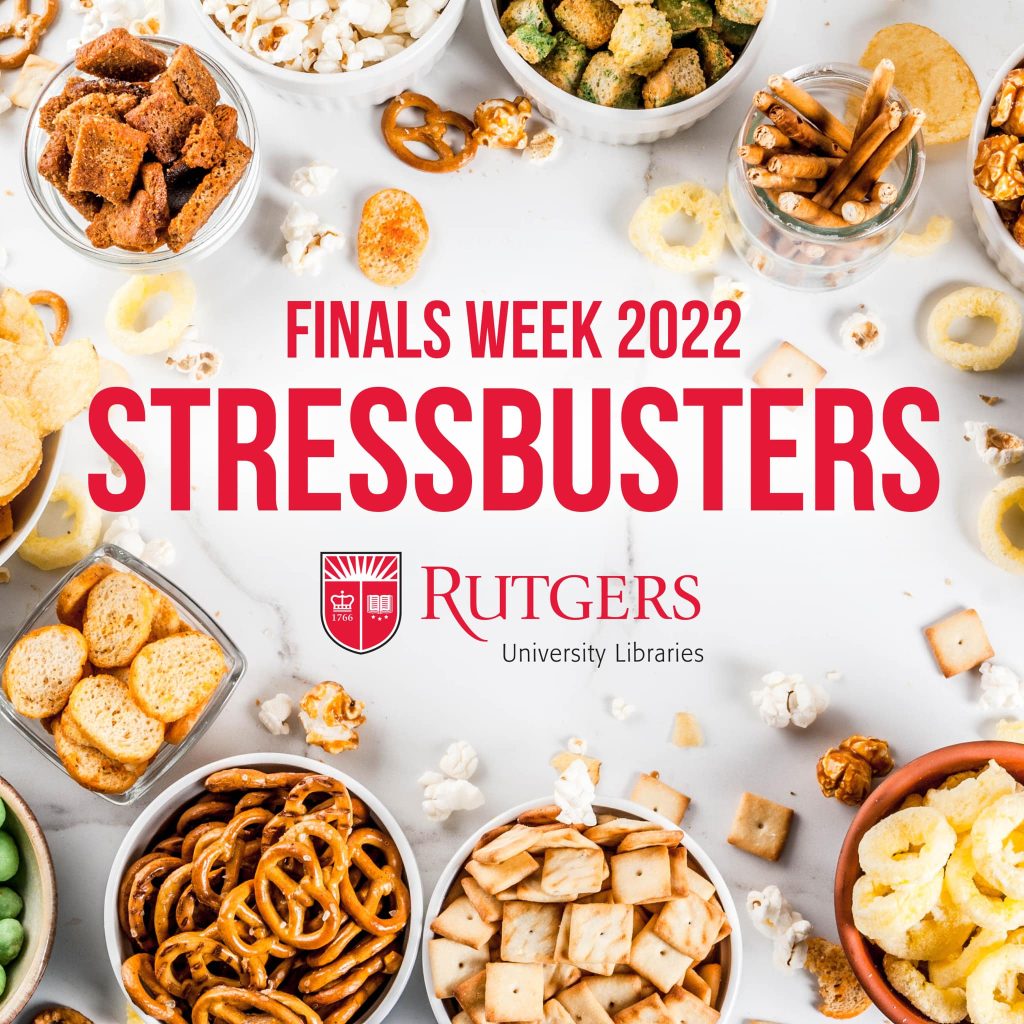
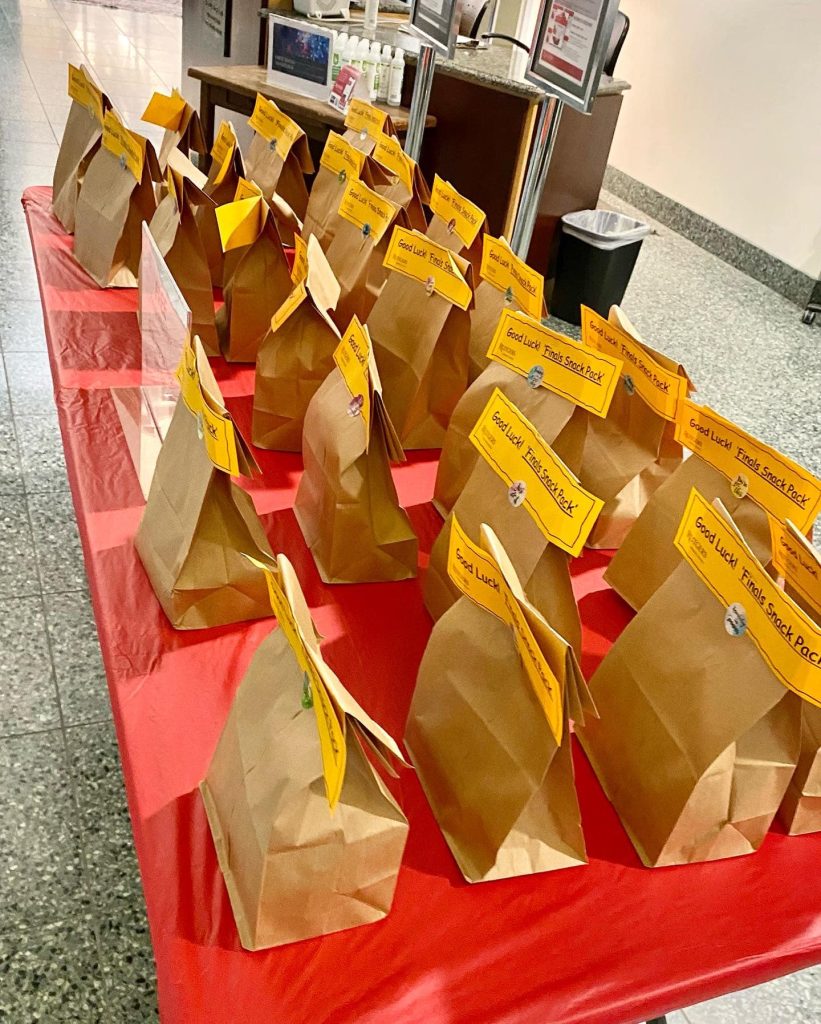
Rutgers University Libraries hosted numerous stressbuster events to help students destress during finals week. Students enjoyed copious free snacks and activities during their study breaks.
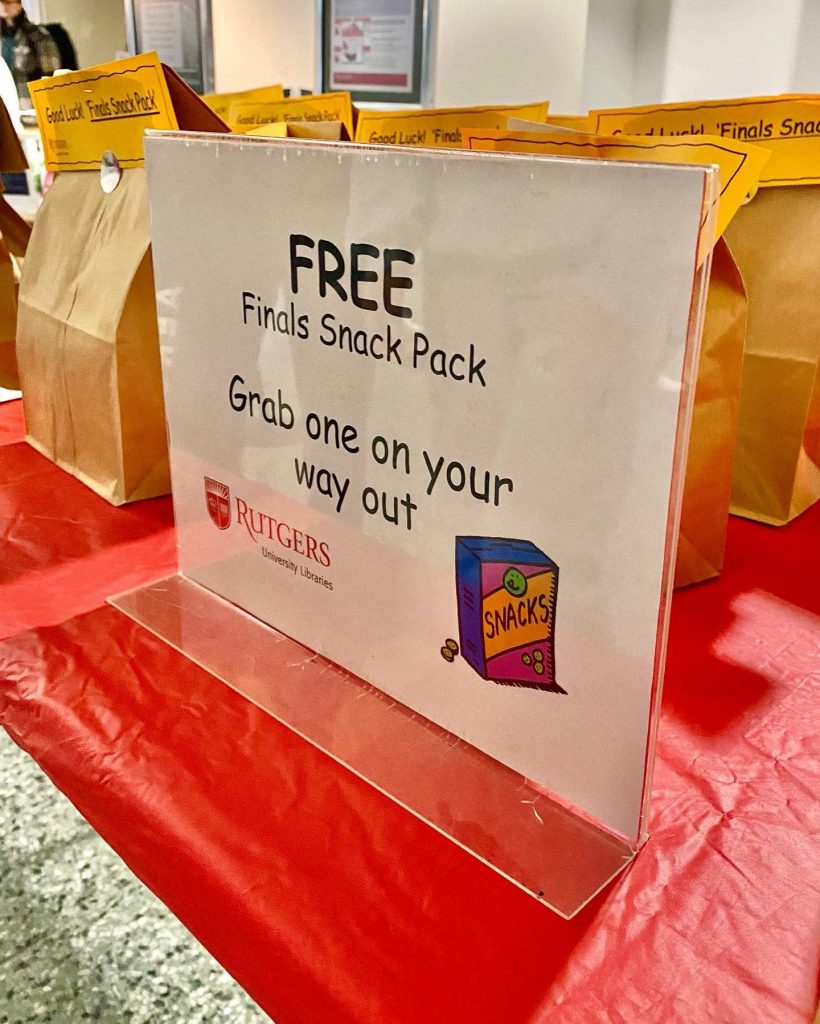
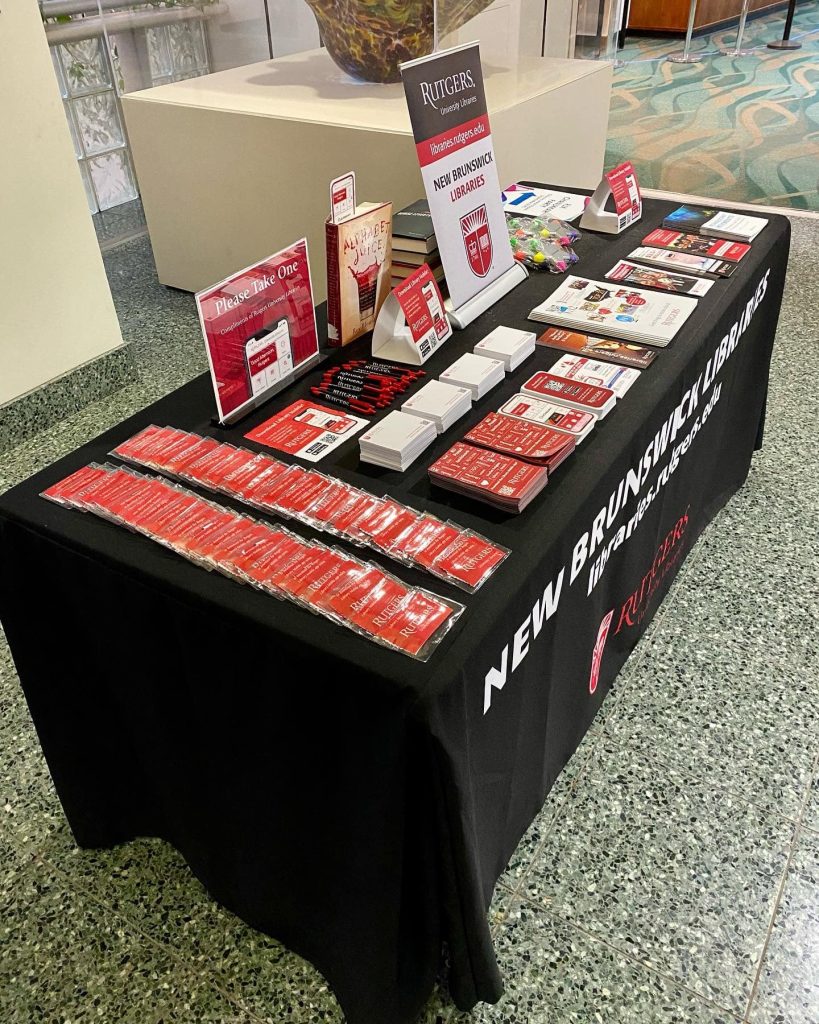
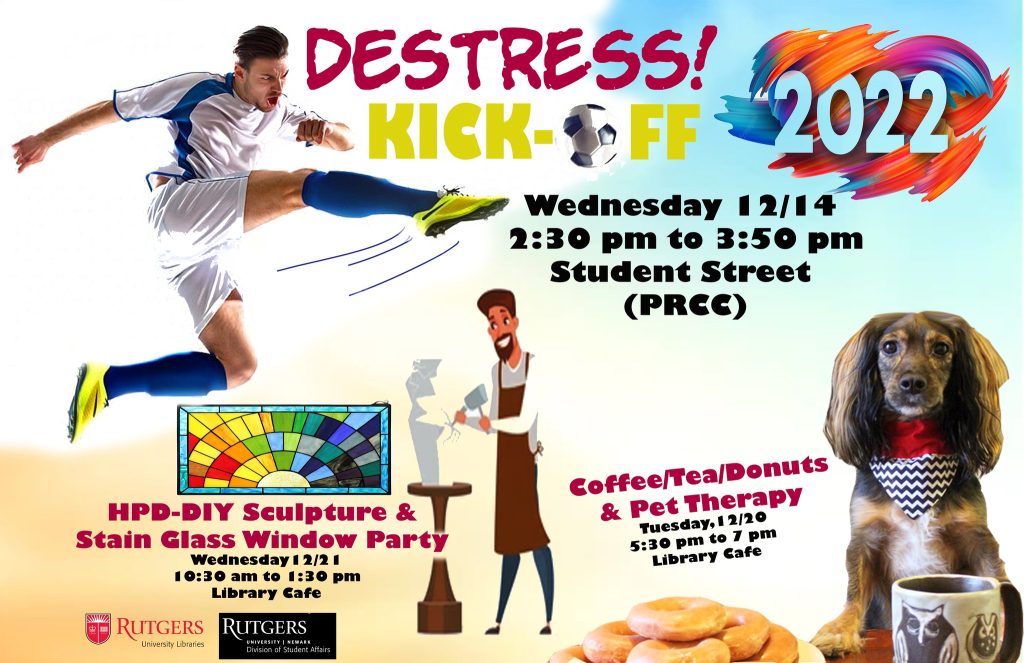
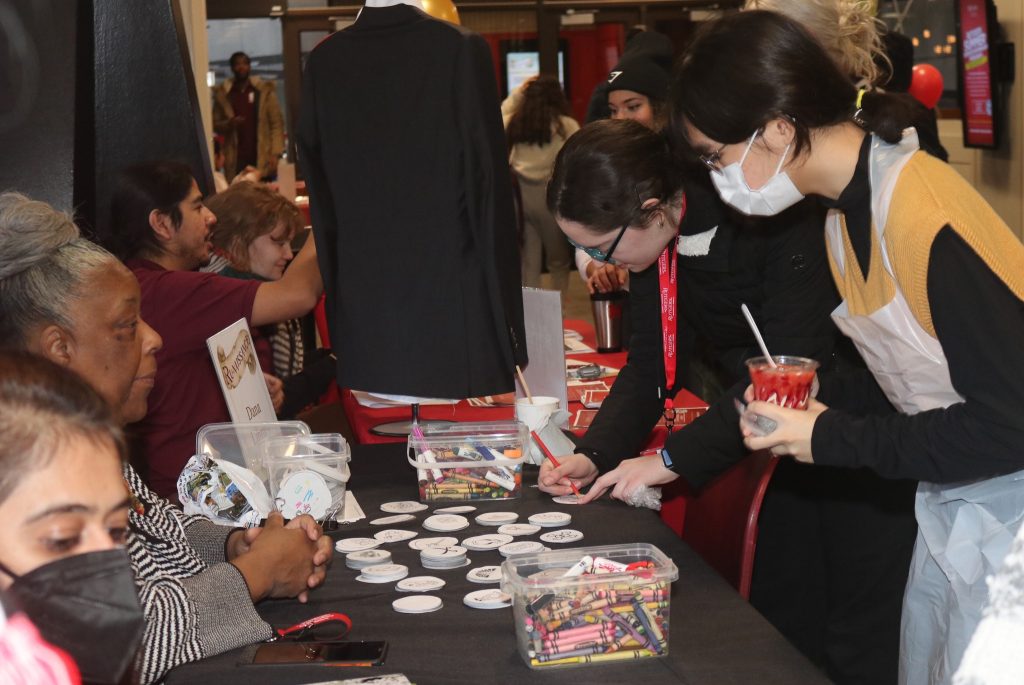
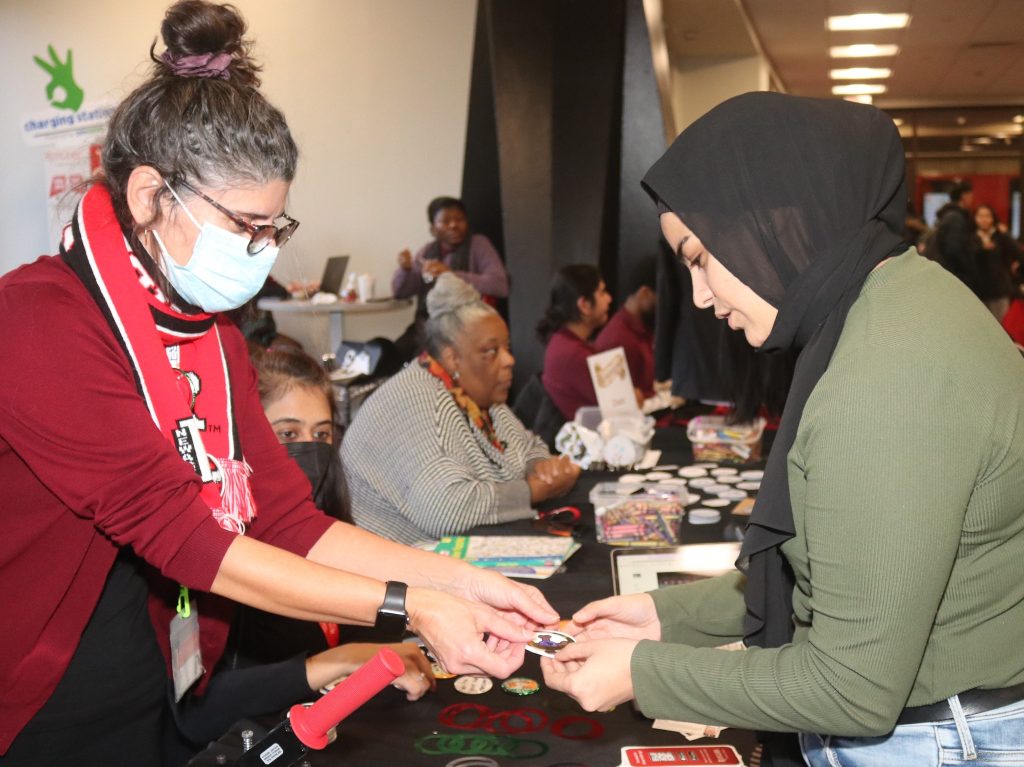
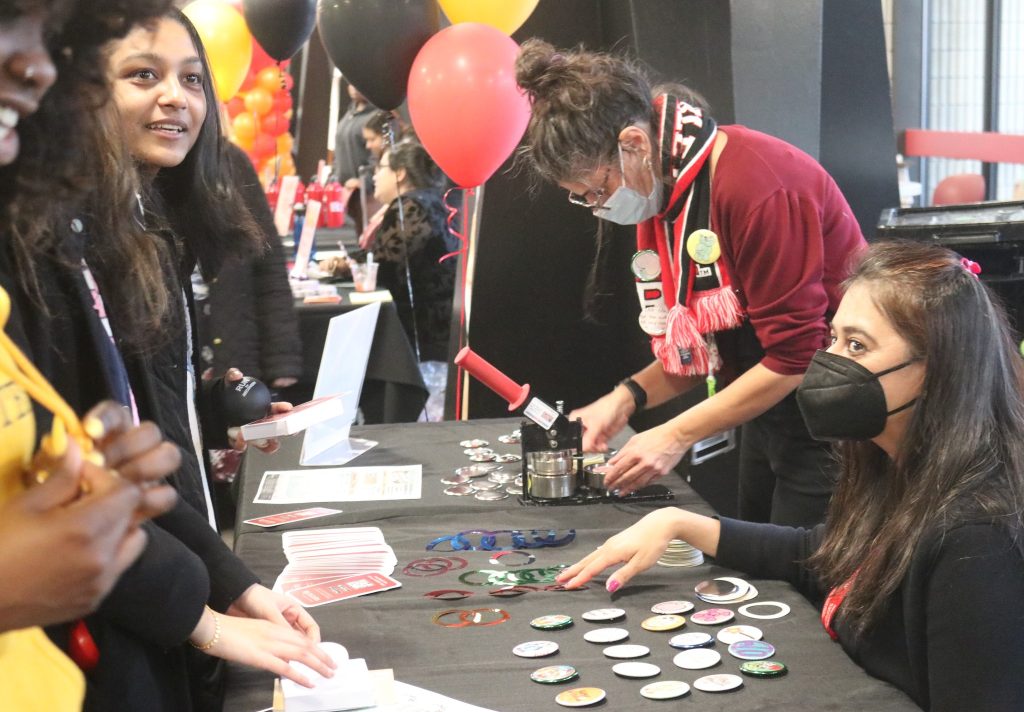
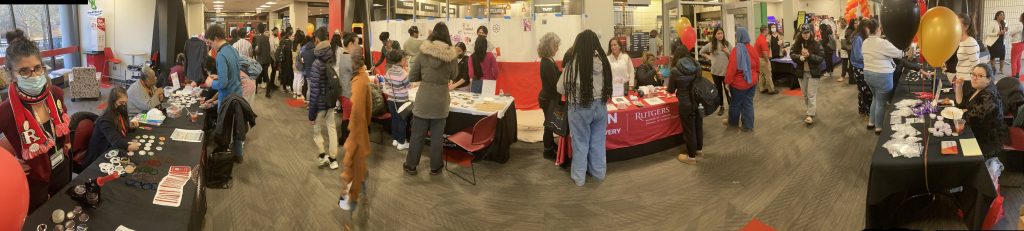
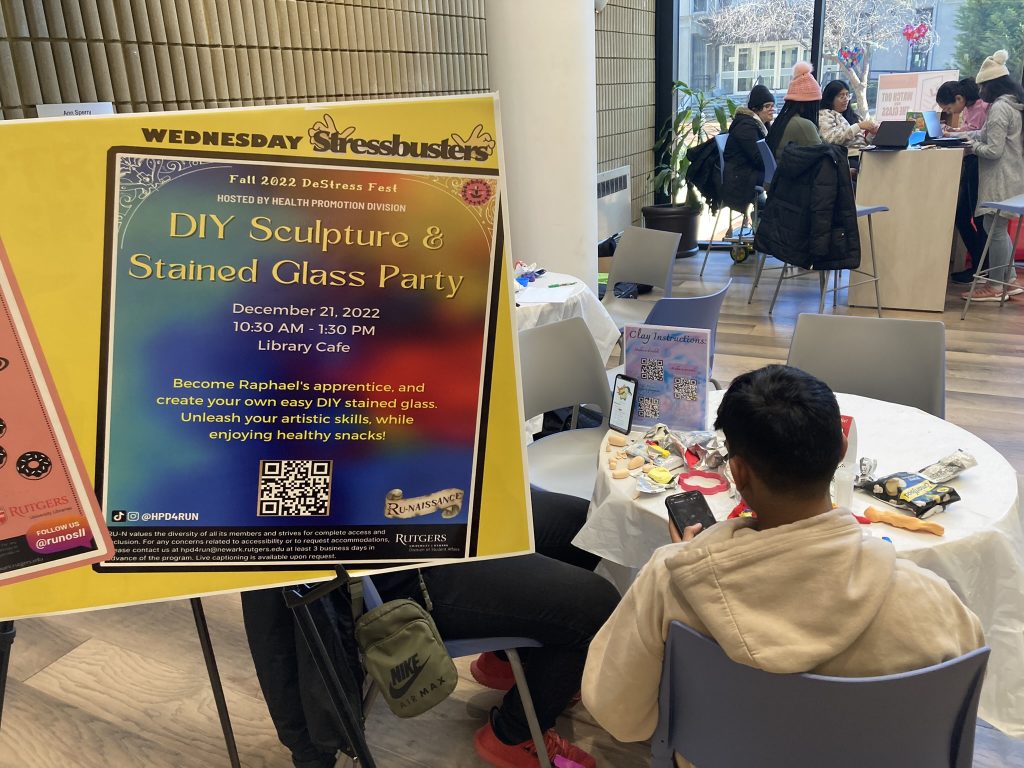
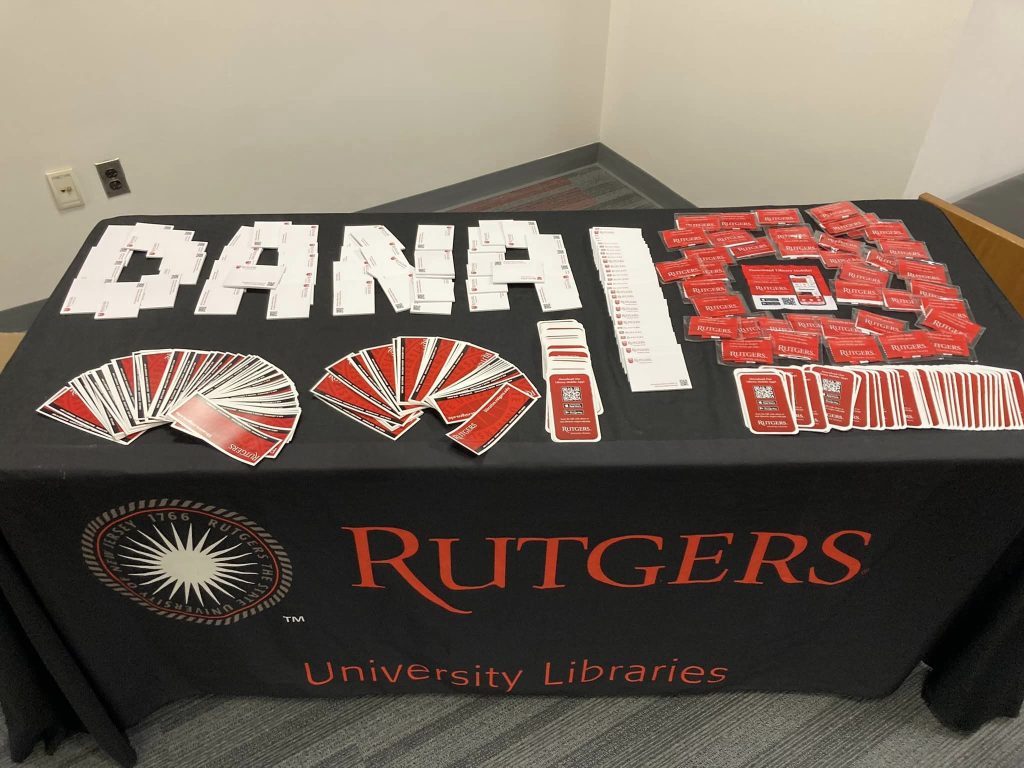
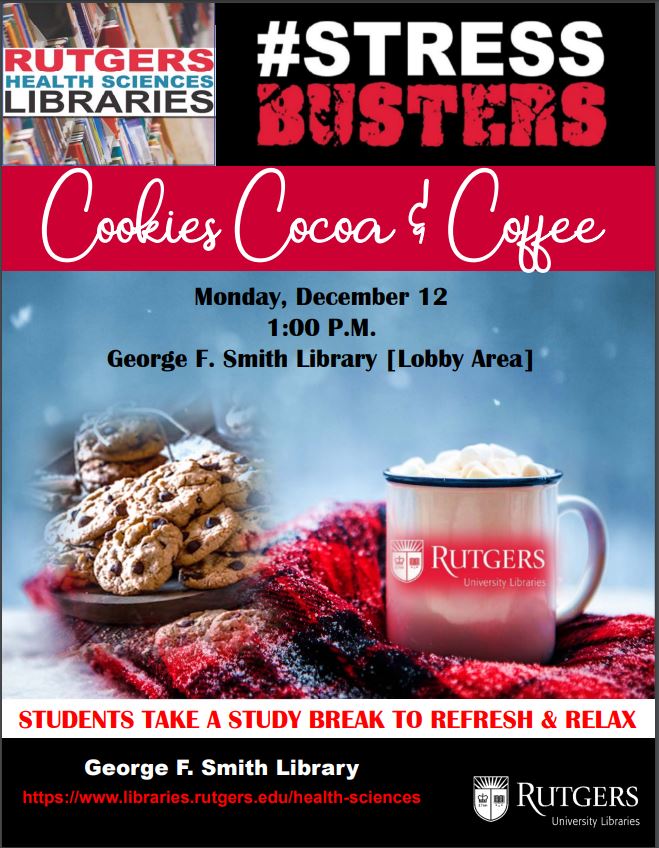
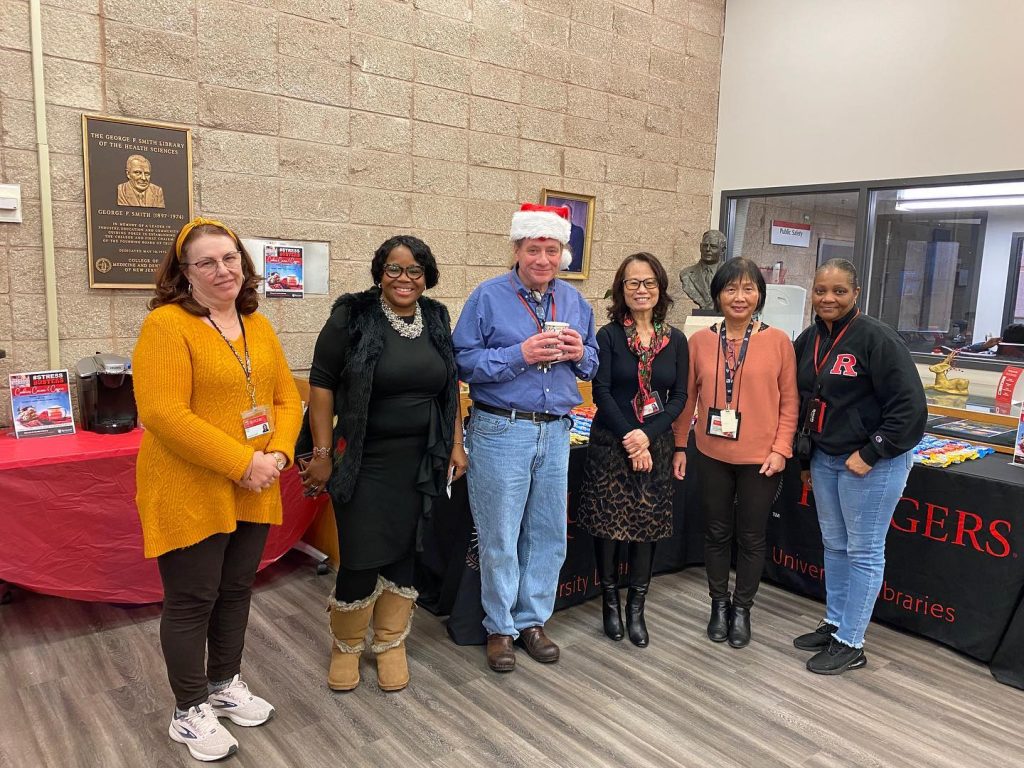
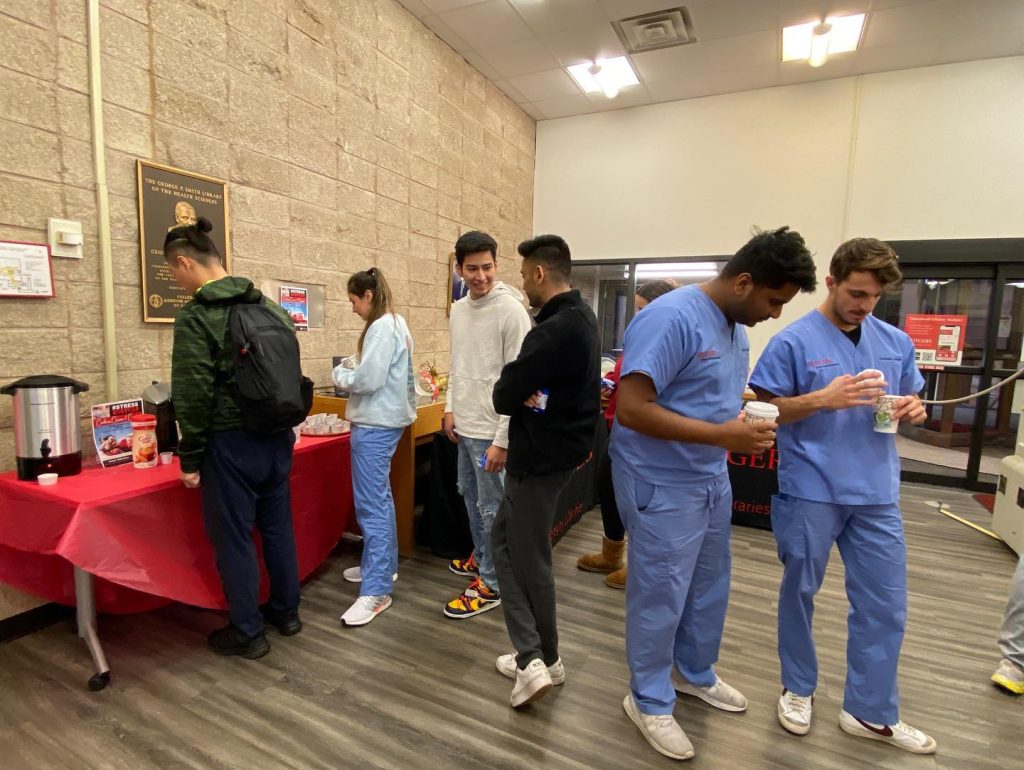
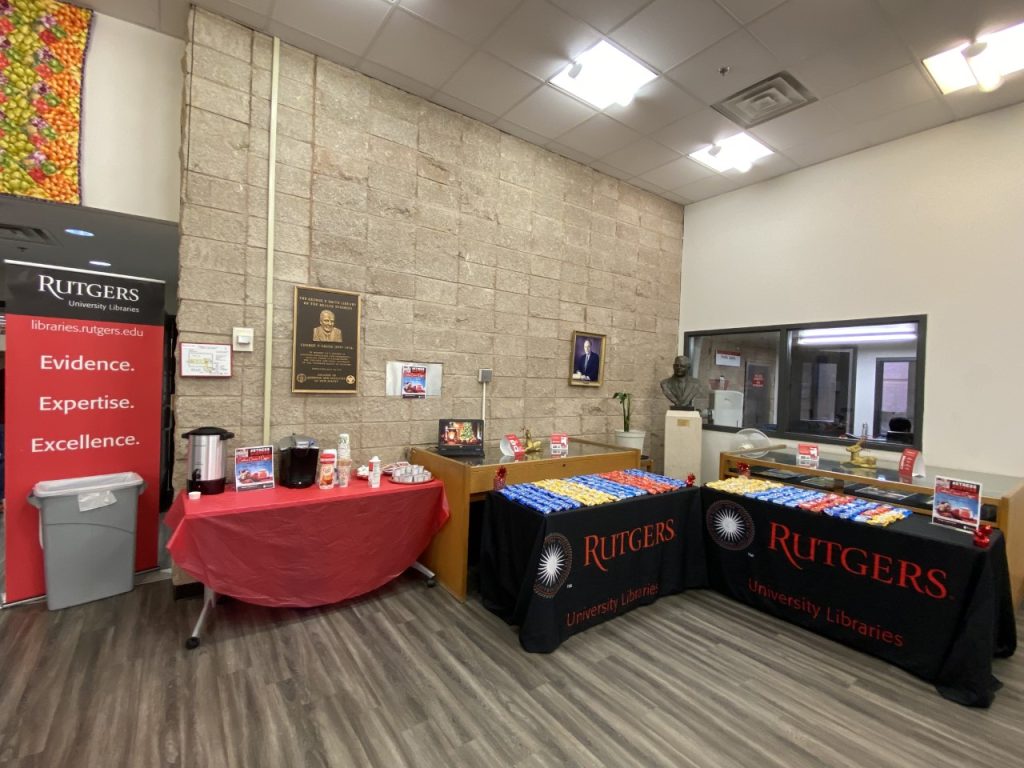
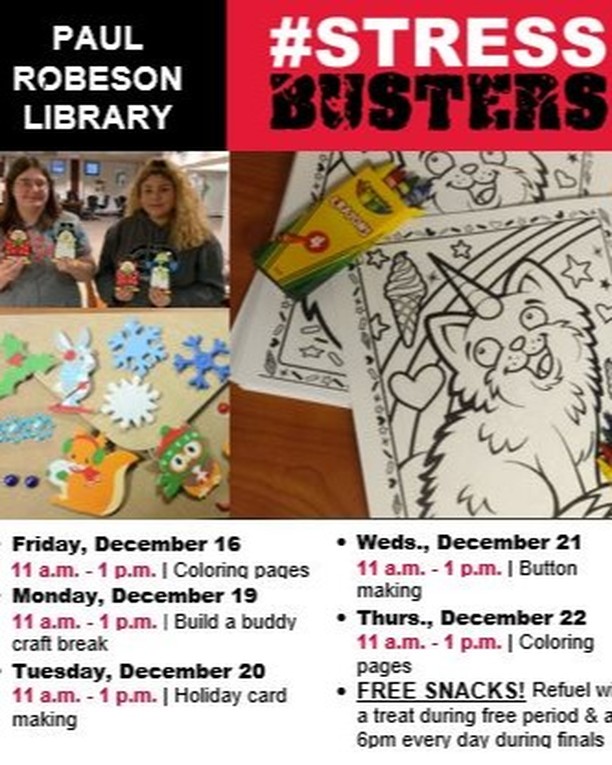
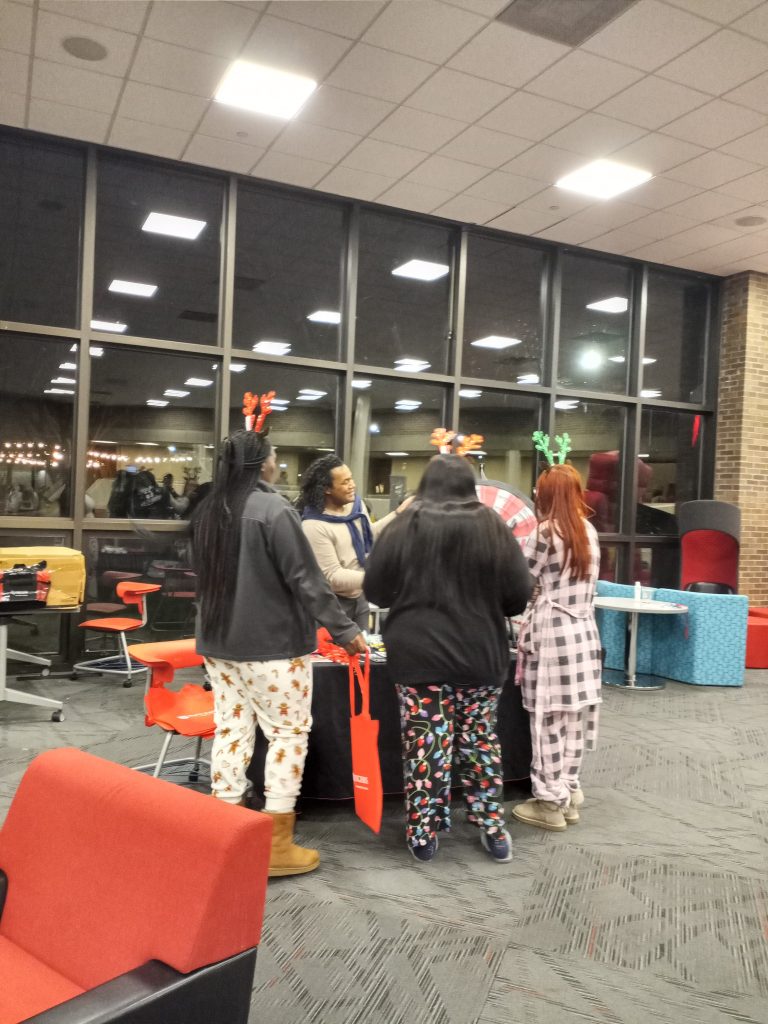
Finals week stressbusters promotional graphic.Bags with delicious treats were given away at Alexander Library throughout finals week.Free snack packs sign.Library Mobile swag on the Alexander Library lobby table during finals week.Dana Library participated in Rutgers–Newark’s annual Destress Fest at the Paul Robeson Campus Center.Students engage with Dana Library staff during RU–N’s Destress Fest.Dana Library staff offered button-making activities at RU–N’s Destress Fest.Dana Library staff make buttons at RU–N’s Destress Fest.A panoramic view of RU–N’s Destress Fest in the Paul Robeson Campus Center.Students gather in the Dana Libary Café for stressbuster activities.Students enjoy stressbuster activities in the Dana Libary Café.Sign for the DIY Sculpture and Stained Glass Party at Dana Library.Library Mobile swag table at Dana Library.Health Sciences Libraries’ “Cookies, Cocoa, and Coffee” stressbuster promotional graphic.Health Sciences Libraries staff await students at the “Cookies, Cocoa, and Coffee” stressbuster at Smith Library.Health Sciences students enjoy the “Cookies, Cocoa, and Coffee” stressbuster at Smith Library.The “Cookies, Cocoa, and Coffee” stressbuster setup.Robeson Library stressbuster ad.Robeson Library’s “Pajamapalooza” stressbuster.
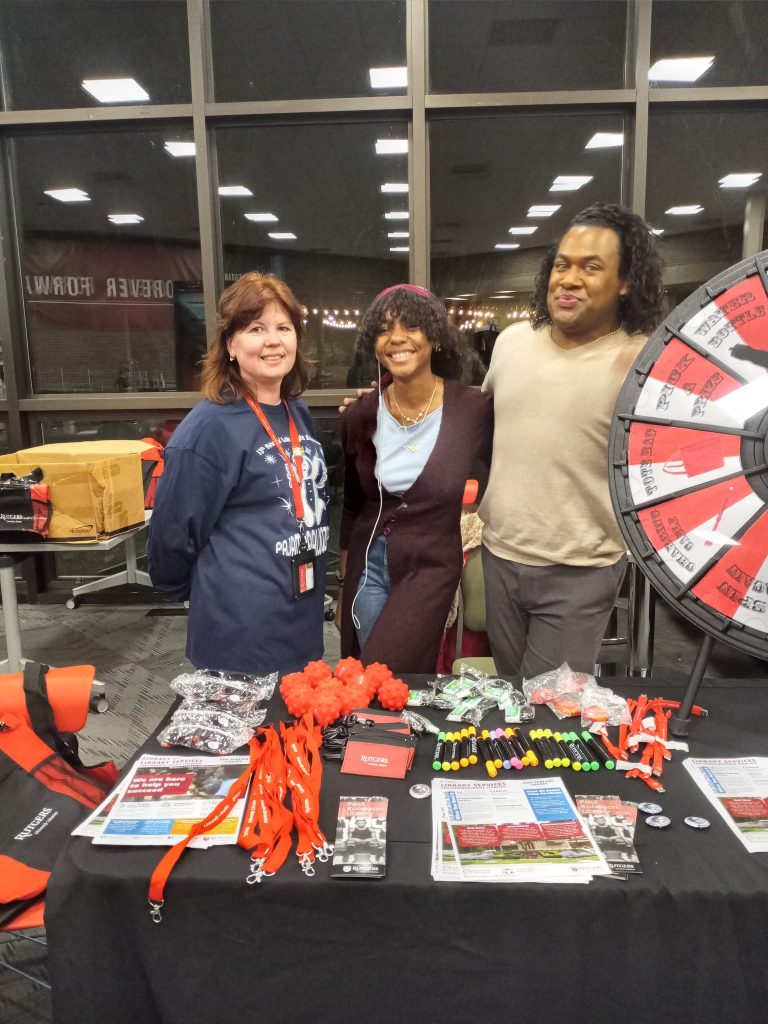
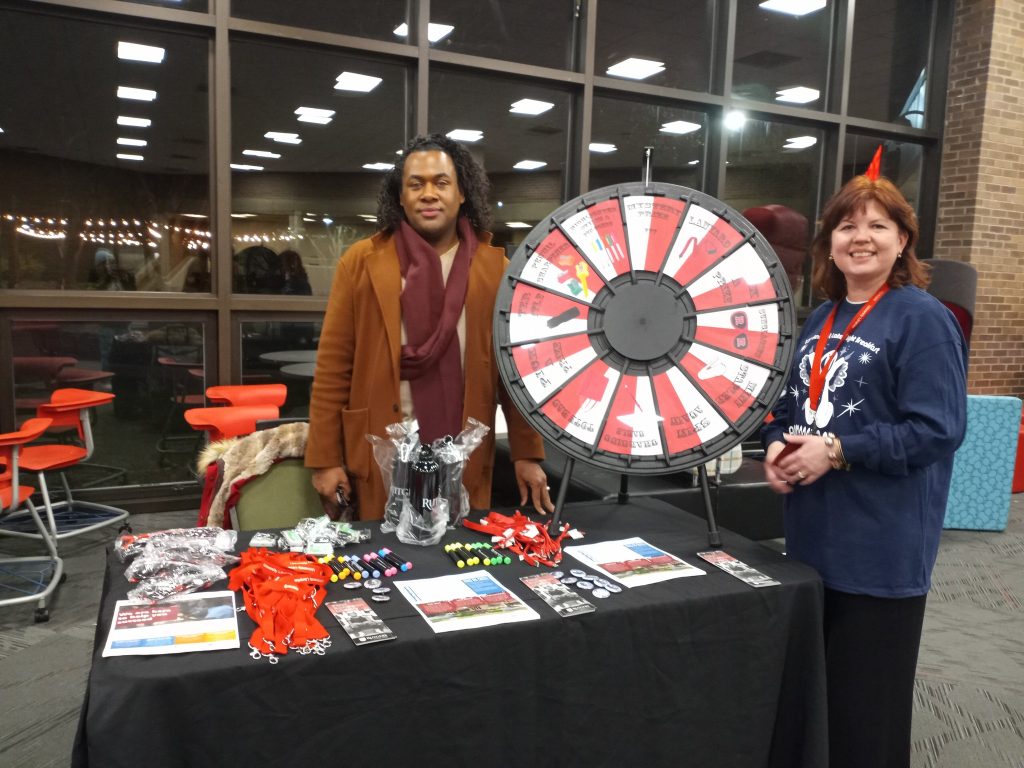
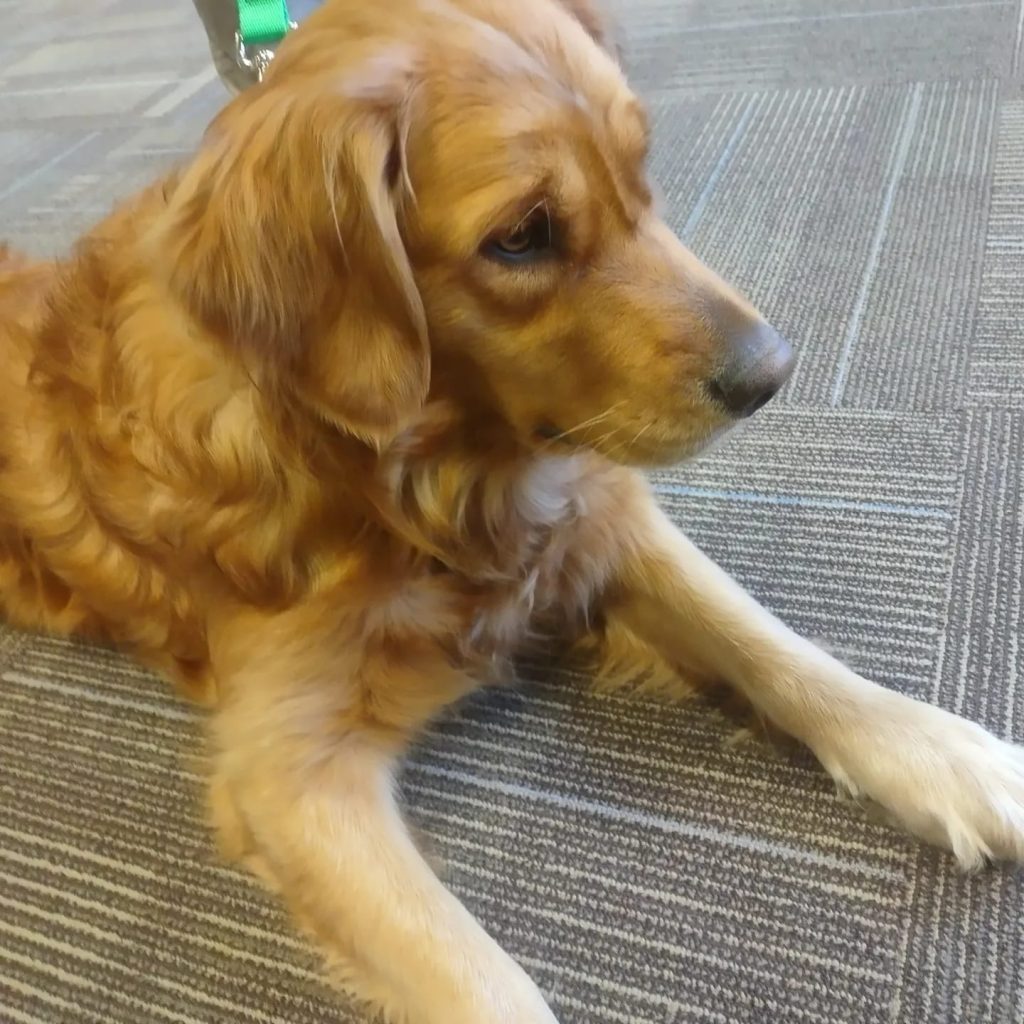
Robeson Library staff at their table for the “Pajamapalooza” stressbuster.Robeson Library staff with the prize wheel at the “Pajamapalooza” stressbuster.Gizmo dresses up as a reindeer during Robeson Library’s “Woof Wednesday” event.Marly helps students destress during Robeson Library’s “Woof Wednesday” event.
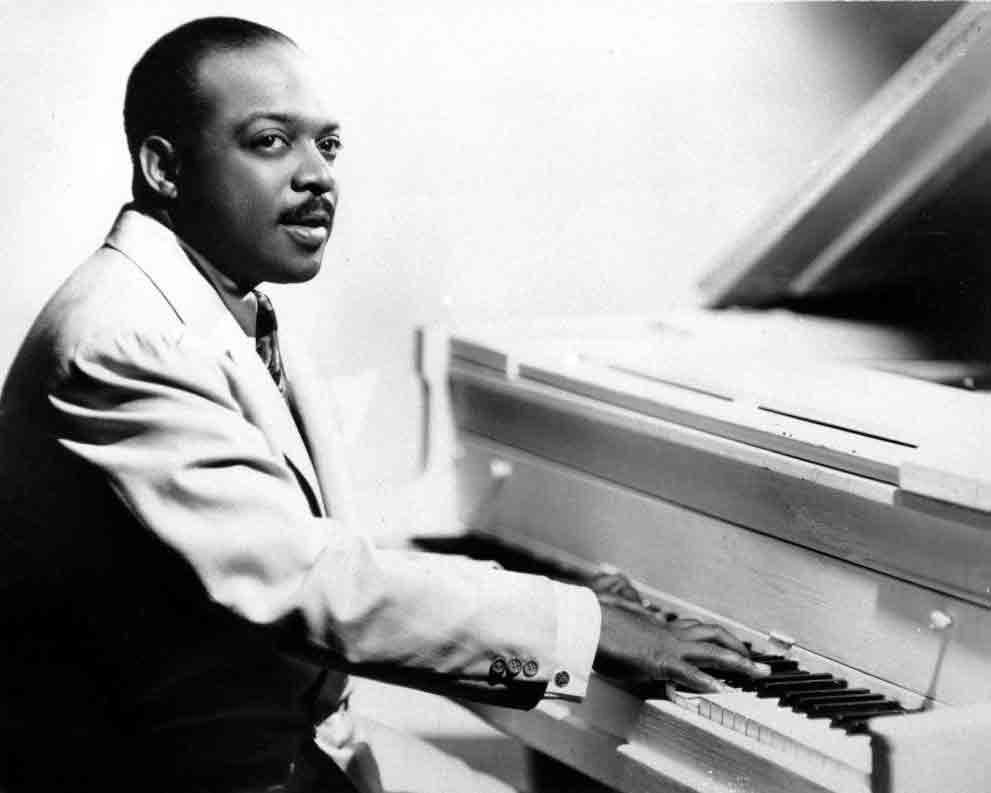
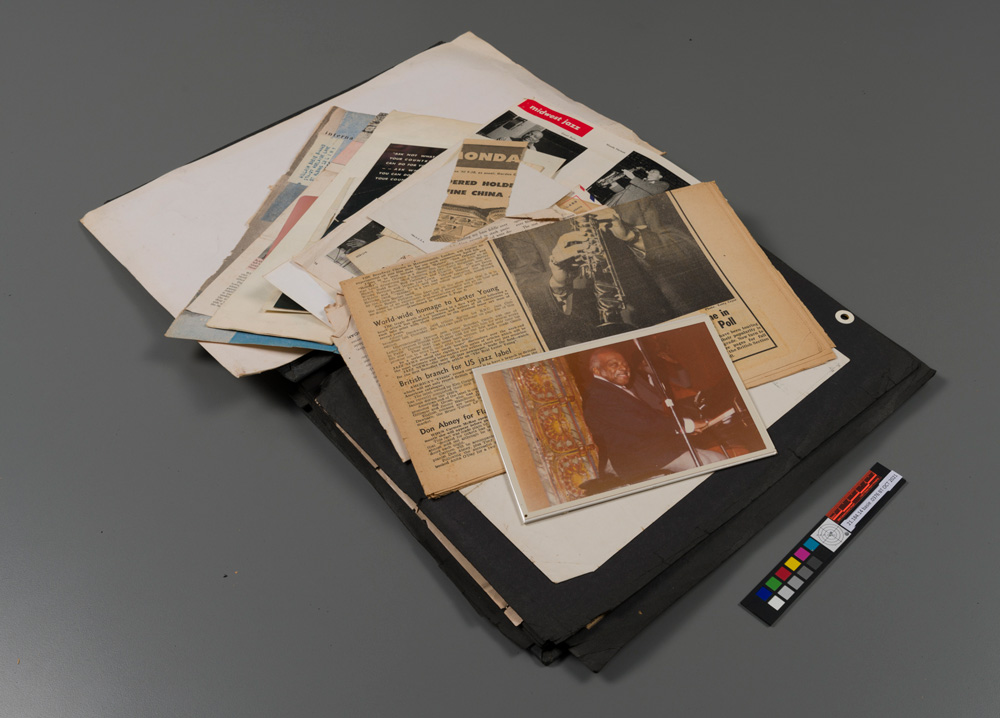
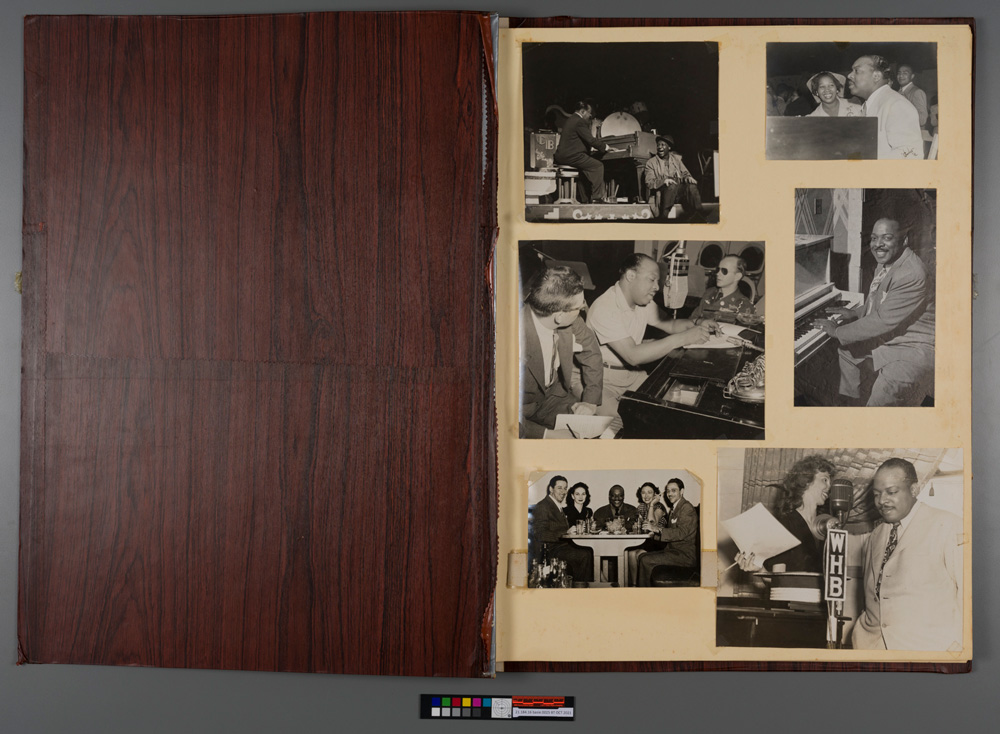
A native of Red Bank, New Jersey, William James “Count” Basie (1904–1984) was one of the giants of jazz, a global icon, and still one of the most influential, popular, and recognized figures in American music. The Institute acquired Basie’s papers and artifacts in 2018 and is responsible for ensuring its long-term preservation. The roughly 200-cubic-foot collection, consisting of more than 1,000 items, is unparalleled in its size and thorough documentation of Basie’s life and career, as well as those of his wife, Catherine, and daughter, Diane.
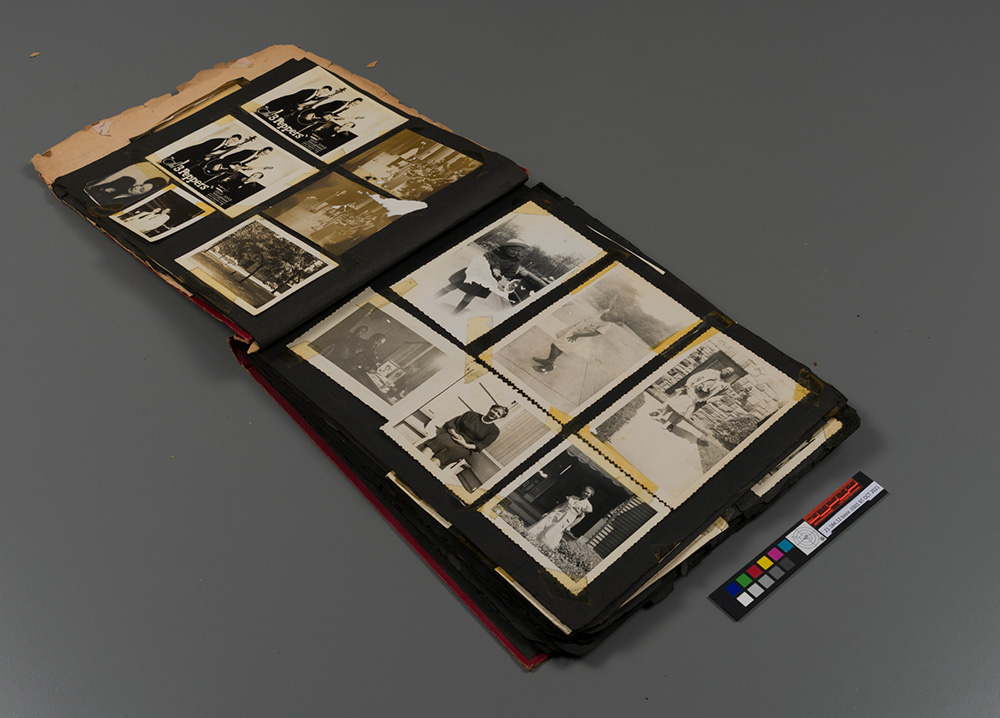
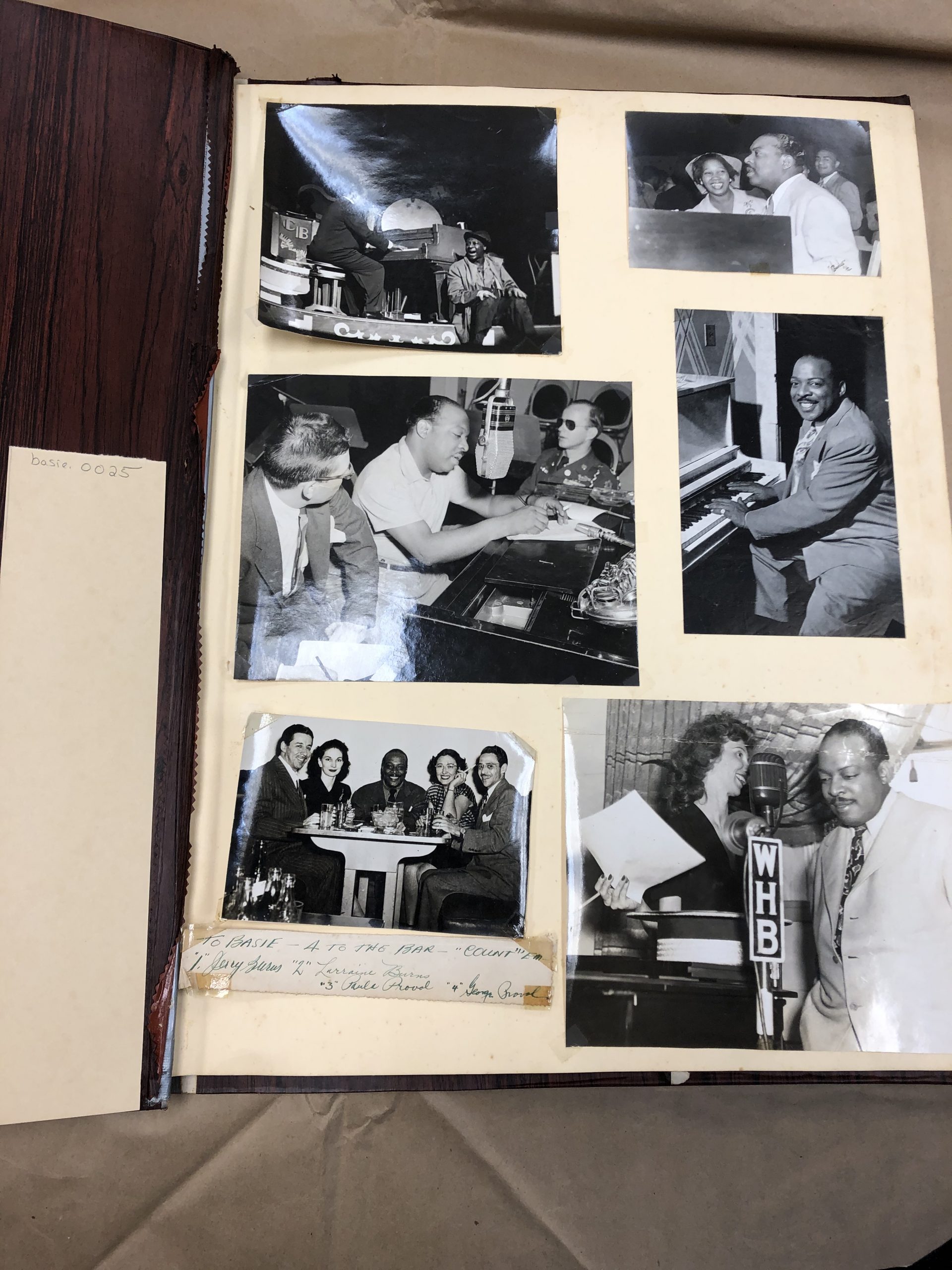
Basie family photo album (photo courtesy of the Conservation Center for Art & Historic Artifacts).Basie news clippings album (photo courtesy of the Conservation Center for Art & Historic Artifacts).Basie photo album with musical performance pictures (photo courtesy of the Conservation Center for Art & Historic Artifacts).
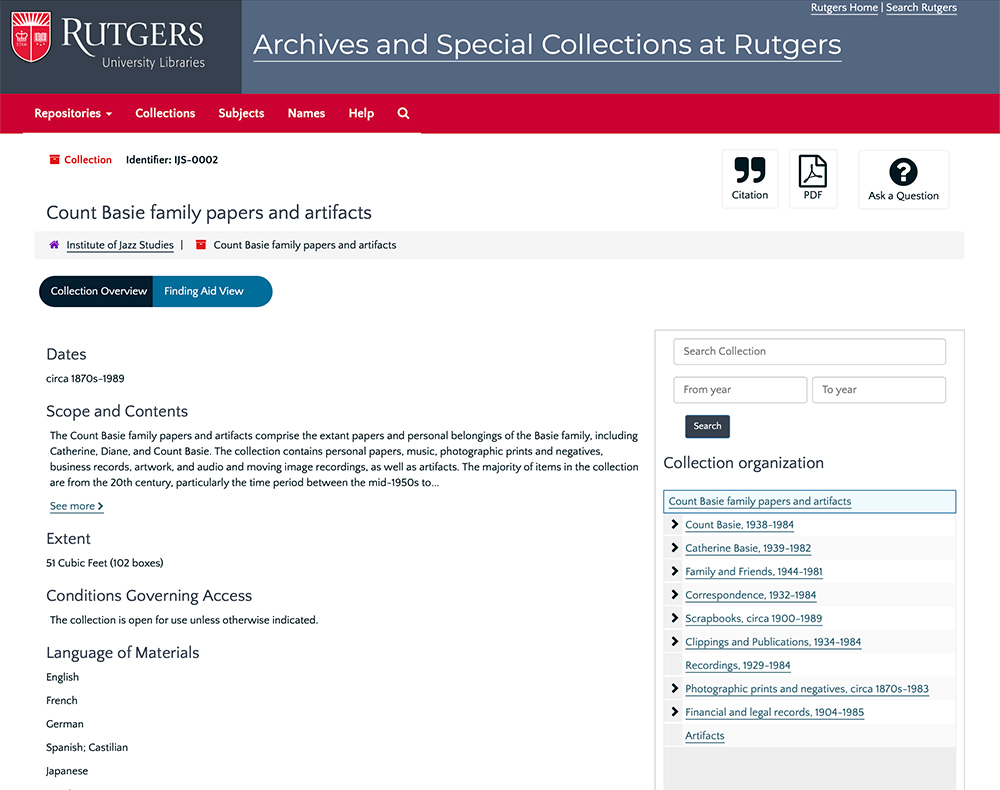
The papers portion of his collection is now available to the public for research and enjoyment. The artifacts and the remainder of the collection will be accessible in mid-2023. Please visit libraries.rutgers.edu/basie to access the finding aid.
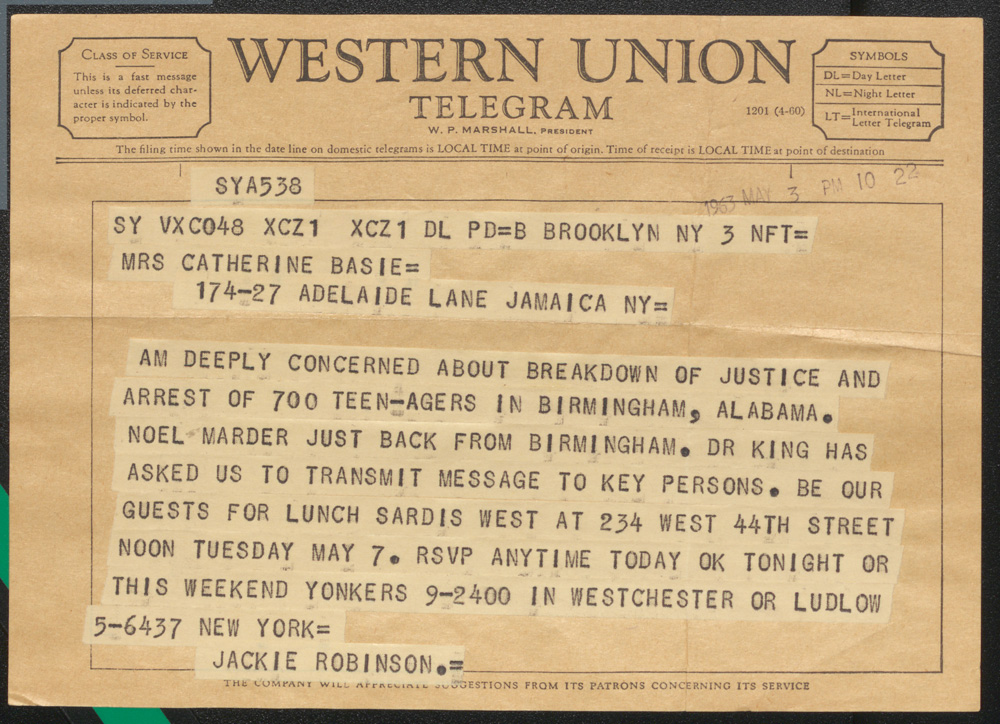
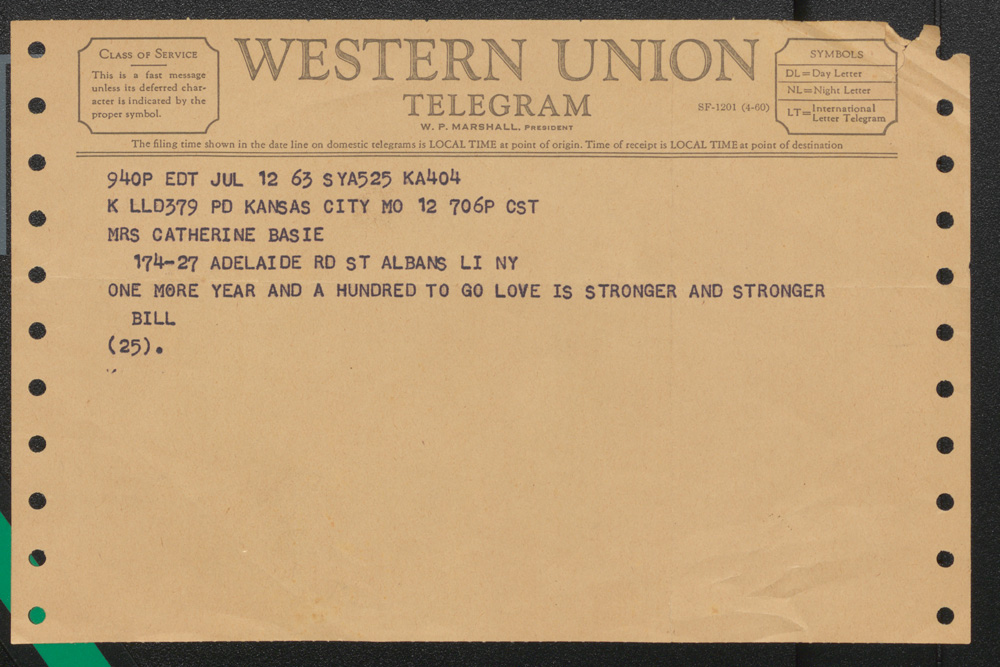
Martin Luther King Jr.’s telegram to Catherine Basie, 1962.Baseball great Jackie Robinson’s telegram to Catherine Basie, 1963.Count Basie’s telegram to Catherine Basie on their anniversary (signed “Bill”; 1963).
About the Collection
The Basie Family Papers and Artifacts document the vast impact of Count Basie’s enduring and storied career in jazz and American history and provide an unparalleled view of his family and private life. The collection is an essential resource for researchers in jazz, music, post-war American history, and American culture, especially black American culture. It is also critical for scholars, educators, writers, filmmakers, students, and the general public because of its breadth and depth.
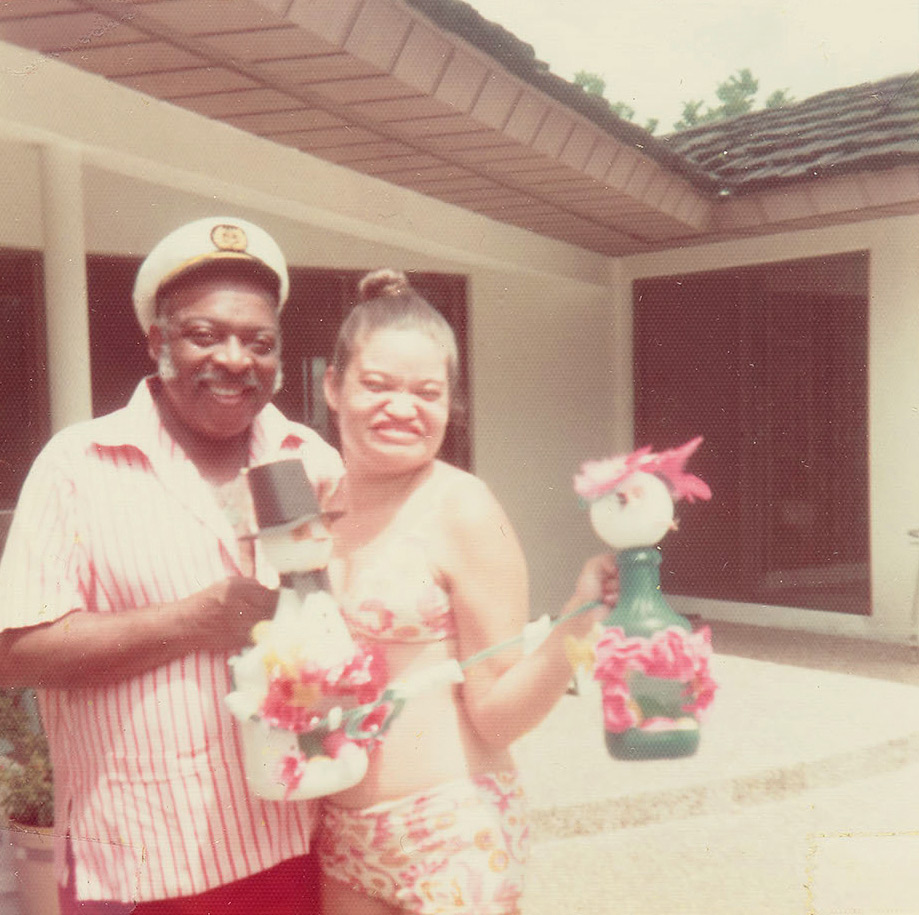
Count Basie with his daughter, Diane.
The collection contains extensive primary sources and objects ranging from Basie’s earliest years in Kansas City until his death. One-of-a-kind artifacts comprise approximately half of the items, including Basie’s piano and organ, select home furnishings, artwork, apparel, and accessories. Although the materials cover the entirety of Basie’s lifetime, the artifacts represent the latter years of his life and career particularly well, including many accolades, awards, honorary degrees, and proclamations he received during that period. Unique archival materials never before available to researchers comprise about one-third of the collection, including personal papers, business records, photographs, clippings, scrapbooks, ephemera, correspondence, and audio and moving image recordings.
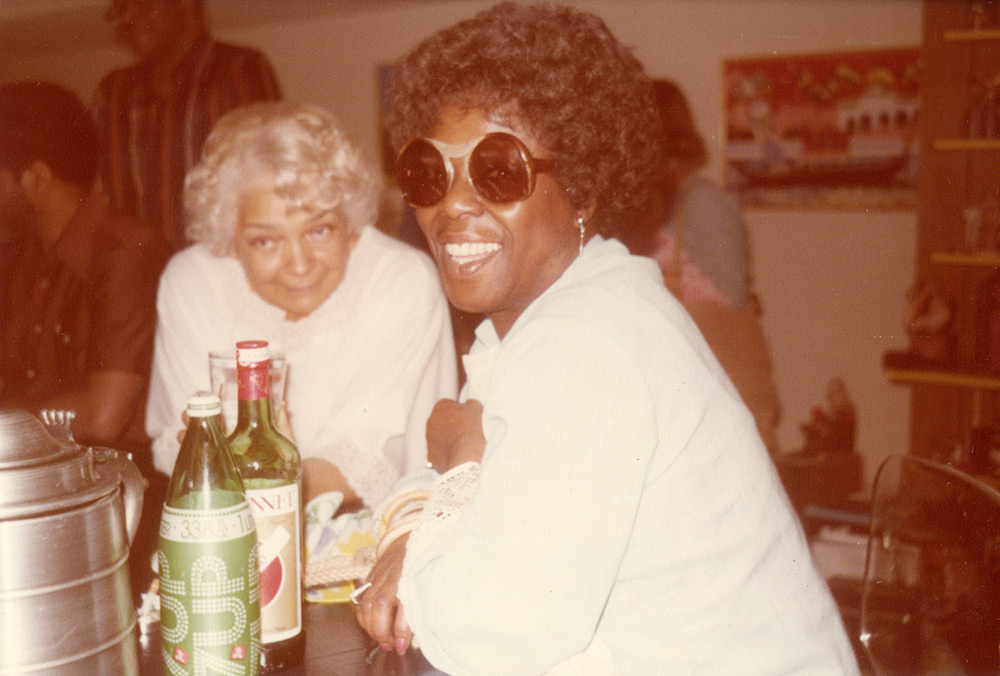
Catherine Basie (left) with legendary jazz singer Sarah Vaughan.
Catherine Basie’s life and accomplishments are also well documented in the collection, including her extensive civic and charity work (for which she was recognized by the major leaders of the day), her background as a dancer and singer, her social network, and the centrality of family in her home life.
The Institute of Jazz Studies is the world’s foremost archives and research library exclusively dedicated to jazz, an American art form that has transformed the world. Founded in 1952 by pioneer jazz scholar Marshall Stearns (1908–1966), IJS has been a leading institution in the preservation and access of jazz heritage. The Institute relocated from Stearns’ apartment to Rutgers University–Newark in 1966 and is part of the Rutgers University Libraries. In 1994, IJS moved to spacious new quarters on the fourth floor of the John Cotton Dana Library at Rutgers–Newark.
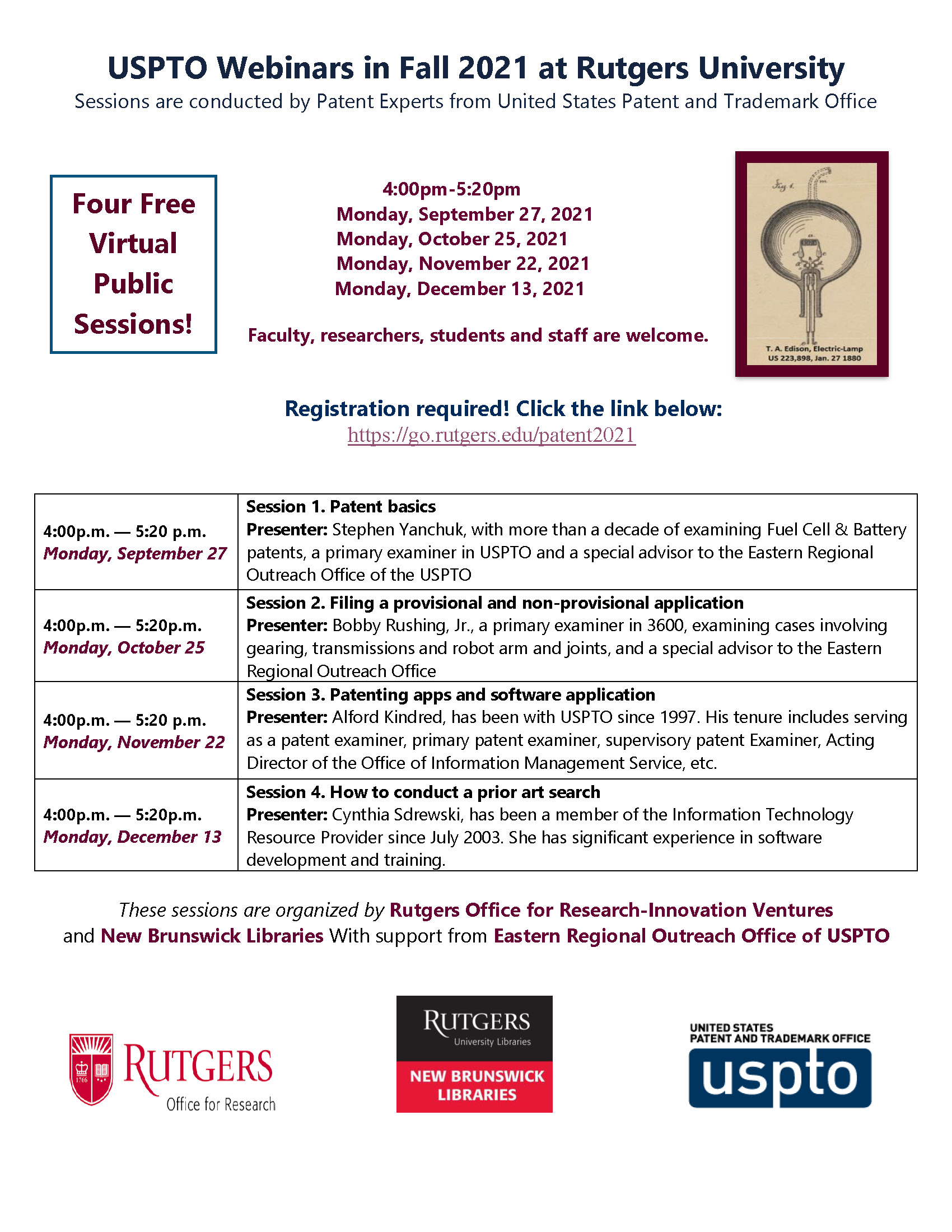
Rutgers Office for Research – Innovation Ventures and New Brunswick Libraries are proud to host a series of Zoom sessions ranging from understanding the basics of the patent process to filing for a patent and searching for prior art. All four sessions are conducted by the patent experts from the United States Patent and Trademark Office (USPTO). Rutgers faculty, researchers, students, and staff are welcome to choose one or more sessions to attend.
At the Dana Library this Fall, we are again co-sponsoring Graduate Student Success Workshops with the Graduate School-Newark. Here is the list of options—all offered as free Webinars, with registration required: https://go.rutgers.edu/9lli8v03
The Institute of Jazz Studies has been working diligently to inventory the Basie family papers as part of the project funded by a $433,500 Save America’s Treasures Grant, awarded to the Institute in late 2020. Ben Houtman started in his position as Project Coordinator in January 2021 and quickly facilitated the safe transport of the collection to Dana Library for the inventory. After the inventory is complete, the Institute will send unstable and damaged artifacts and archival materials from the collection to a team of conservators for treatment. Finally, with support from a $23,500 New Jersey Historical Commission grant, the Institute will arrange and describe the archival materials in the collection to open it for use in 2022.
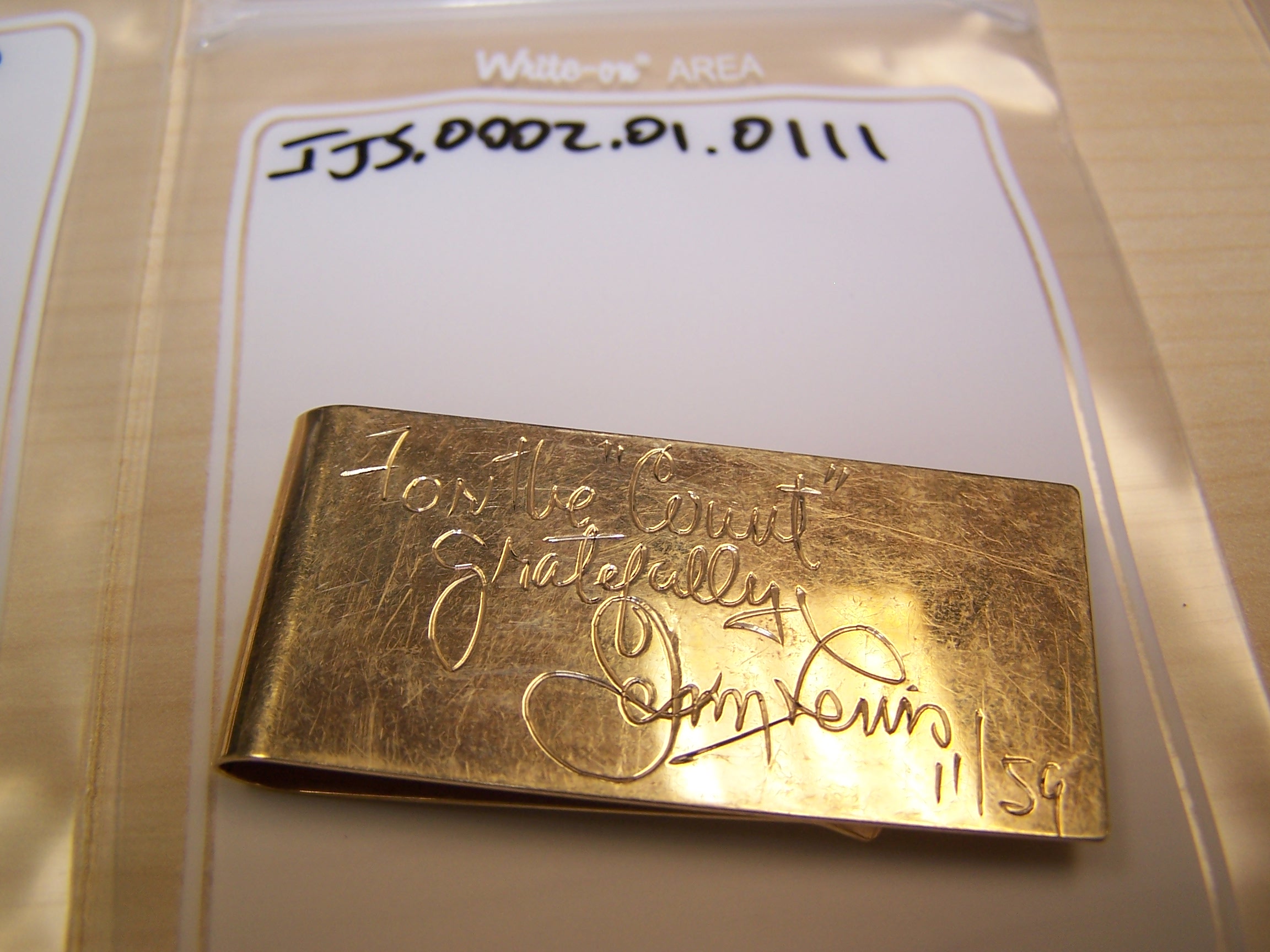
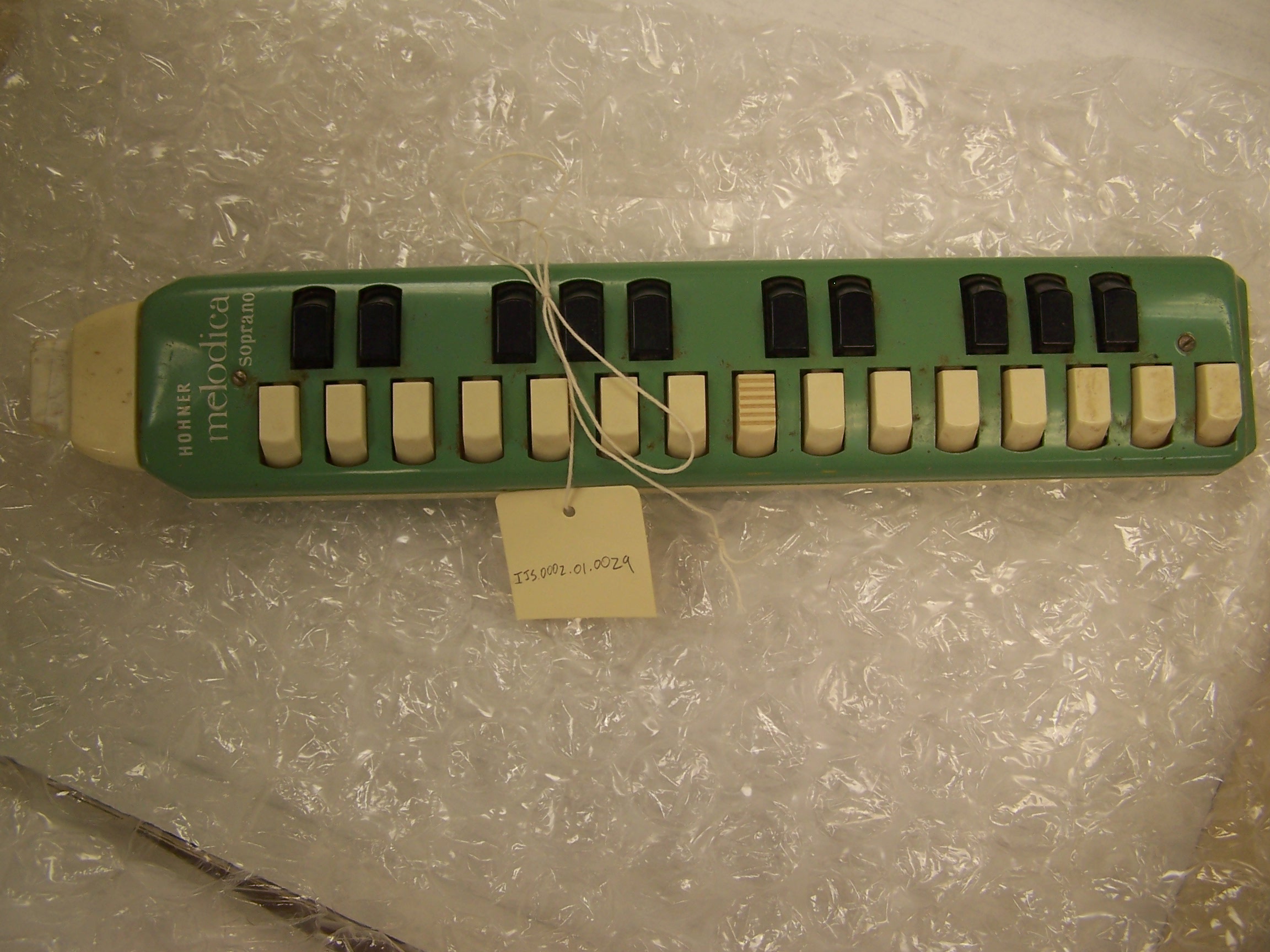
14k gold money clip, inscribed from Jerry Lewis to the “Count”Hohner soprano melodica
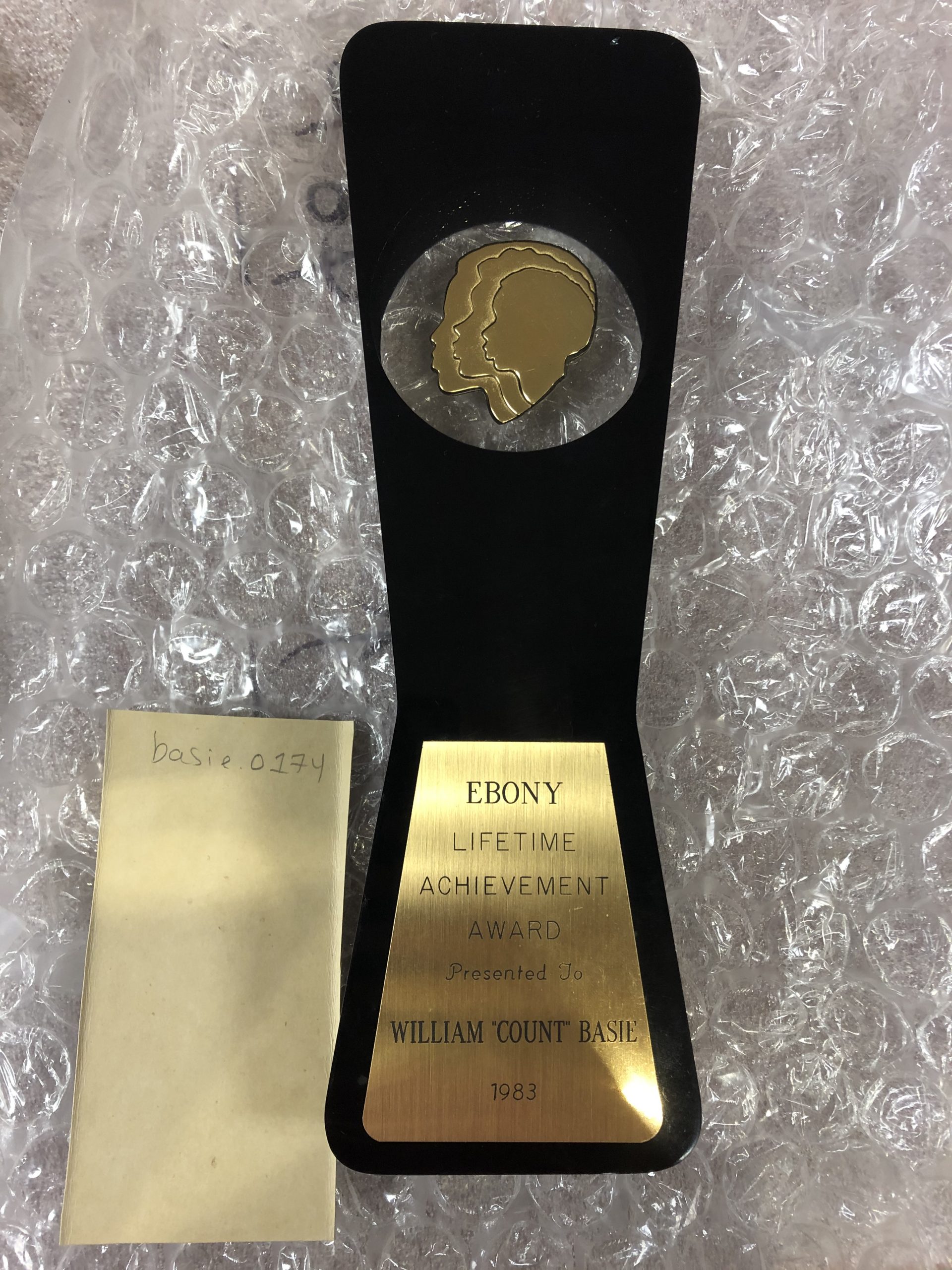
Photo album pageEbony Lifetime Achievement Award to Count Basie
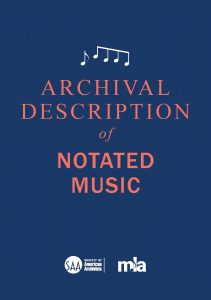
In early October the Society of American Archivists (SAA) and the Music Library Association (MLA) co-published a new open-access ebook, Archival Description of Notated Music (ADNM), co-authored by the MLA Working Group for Archival Description of Music Materials, which I had the pleasure of co-chairing with Dr. John Bewley, a Rutgers alumnus and the retired associate librarian/archivist at the University at Buffalo Music Library. Working Group members also included Sofía Becerra-Licha, lead archivist at the John F. Kennedy Center for the Performing Arts; Maristella Feustle, music special collections librarian at the University of North Texas; Vincent J. Novara, head of the Acquisitions and Processing Section in the Music Division at the Library of Congress; Matthew Snyder, archivist at the New York Public Library; and Karen Spicher, manuscript cataloger and processing archivist at the Beinecke Rare Book and Manuscript Library at Yale University.
ADNM provides guidance intended for a wide readership and is helpful for experienced archivists with limited knowledge of music, music librarians with limited knowledge of archival practice, students in MLIS and archival studies programs, and others with responsibility for archival collections with notated music. The book includes discussion of fundamental archival principles as applied to collections with notated music, recommendations for descriptive approaches based on the musical and non-musical content of a collection, a glossary, and an annotated resource list. In addition, included as an appendix are the Guidelines for Archival Description of Notated Music, which provide a standard for archival description of notated music and represent the first subject-specific supplement to Describing Archives: A Content Standard (DACS). The Guidelines were endorsed by the SAA Council as an external standard at the end of 2019. Both the Guidelines and ADNM are available via MLA’s Humanities Commons repository. ADNM may also be downloaded free-of-charge from the SAA Bookstore.
The Working Group started the project in 2016, and none of us expected it to become a full-length book and professionally-endorsed standard, much less require four years and countless hours of meetings to complete. We took a collective approach to authorship: one or two group members drafted each section of the book, which we then revised and edited as a group. Although this approach was time-consuming, the final publications represent our consensus agreement on standardized archival practice and the full range of group members’ considerable expertise. We also solicited and incorporated feedback from colleagues in other music libraries and archives and collaborated closely with SAA’s Technical Subcommittee on DACS, which contributed to SAA’s endorsement of the Guidelines. This cross-organizational collaboration was essential to the successful outcome and will hopefully serve as a model for future DACS supplements.
Diane Biunno is metadata archivist for the Institute of Jazz Studies.
Diane Biunno joined the Libraries as metadata archivist for the Institute of Jazz Studies back in February. Here, we catch up with her to learn more about her experience and what she has been working on since the shift to online-only service.
Tell us a bit about your background prior to coming to Rutgers.
Prior to joining the team at the Institute of Jazz Studies in February 2020, I served as a project archivist at the Historical Society of Pennsylvania (HSP) in Philadelphia. At HSP I worked on several projects including the Hidden Collections Initiative which was a grant funded project to improve the accessibility and discoverability of archival collections housed at Philadelphia-area small repositories. As part of the initiative, I helped staff and volunteers at local historical societies, ethnic organizations, and religious institutions better arrange, describe, and care for their collections. I enjoyed working on this project because it gave me an opportunity to get to know members of the local archival community and their amazing collections.
Before coming to Rutgers, I also worked on several innovative digital projects that were focused on improving the discoverability of archival and special collections materials. For example, I served as a digital project assistant at Penn Libraries for the Bibliotheca Philadelphiensis project, an initiative to digitize and make freely available all the known medieval manuscripts in the Philadelphia region. In addition, I was a digital project associate for the Historical Images, New Technologies Project, which explored how to better describe archival visual materials using TEI (Text Encoding Initiative) markup. Through working on these projects, I learned a great deal about metadata standards and formats, as well as, digital preservation and digital project management best practices.
I received my B.A and Ph.D. in Italian from Rutgers University and my Master’s in Library & Information Science from Drexel University in Philadelphia, Pennsylvania.
What have you been working on during the quarantine?
I’ve been working with my colleagues at IJS to copyedit and publish the approximately 200 finding aids that the IJS created last year. A finding aid is document that describes an archival collection and helps guide researchers in using the collection. The IJS finding aids will be published online and made accessible to the general public and researchers, with the goal of helping our patrons better understand our collections and how our materials can meet their research needs.
What does the process look like?
Before beginning the process of copyediting the finding aids, we quickly realized that we needed a style guide to ensure that all finding aids would be edited according to the same capitalization, punctuation, and grammatical guidelines. Unfortunately, there isn’t a standard style guide for archivists, so we decided to create our own and base it on the Chicago Manual of Style, a style guide widely used in academic publishing.
Next, we created project workflows, as well as spreadsheets for keeping track of the project’s progress. We made sure to keep the project style guide, spreadsheets, and other documentation in a shared folder that was easily accessible to everyone working on the project. Most importantly, used software tools that allow us to easily track changes to documents and to view the edits of our coworkers in real time.
How far along are you and what are the next steps?
At this point, we are halfway through the project and have published approximately 110 finding aids. We’re moving at a steady pace and hope to wrap up the project in a few weeks.
While working on the project, I began thinking about how the IJS might use Wikipedia to help guide researchers and the general public to our collections. Because patrons use Wikipedia as a starting point to find general information on a topic, as well as, additional resources, I’ve begun adding links to the institute’s finding aids in the “External Link” section located at the bottom of Wikipedia entries. For example, at the bottom of the Benny Goodman Wikipedia entry, I’ve added a link to the IJS finding aid for the D. Russell Connor collection of Benny Goodman audio recordings. Moving forward, I hope to add additional links to our collections and explore other ways to make our finding aids and collections more broadly accessible to the public.
Thanks to everyone who attended State of the Libraries on Wednesday. We had over 200 folks join the meeting, and I’m so glad you all found the time to be there even with the competing demands of work and home. It was no replacement for our traditional in-person gathering, but it was nice to feel a sense of togetherness despite the circumstances and our physical distance.
If you haven’t had a chance to yet, I encourage you to view the poster presentations prepared by our colleagues from across the Libraries:
It is so inspiring to view these and reflect on all the good work that has been done over the last year, as well as how we are preparing for the work that lies ahead. There will be no shortage of challenges in the year to come, but with all the creativity and dedication on display through these presentations, I know we are well-equipped to handle whatever comes our way.
If you’d like to review them, you can view the slides from all the presentations on our staff resources site or a recording of the entire event on YouTube.
As you might imagine, a lot of activity happened behind the scenes to make sure everything went smoothly. Special thanks to Kalaivani Ananthan, Matt Badessa, Tracey Meyer, Joann Parrone, Ed Smith, and the Major Events Committee—Elsa Alves, Matt Bridgeman, Ann Marie Latini, Erica Parin, Tonie Perkins, Jennifer Reiber, and Daphne Roberts—for their support.
We also received some great actionable feedback that we will incorporate into our future virtual gatherings, so thanks to everyone who provided thoughtful comments via the feedback form.
A theme that emerged from all of yesterday’s presentations was collaboration, and State of the Libraries was just another example of what we can accomplish when we all work together with a common goal and sense of purpose. I hope we can carry forth some of those lessons and apply them to our work moving forward. In the coming months, it’ll be more important than ever to identify the areas where we can leverage our shared interests and maximize our impact on the university community.
As you know, the Ex Libris Implementation Team has been working with the Law Libraries since May on a project to migrate their data to Alma and merge their library catalog with ours. During the week of January 6, we will begin the final steps of this migration. To help you navigate this transition, below are answers to some frequently asked questions about the project. If you have additional questions, please send them to the Ex Libris Implementation Team at exlibris@rutgers.libanswers.com.
Q: When are the Law libraries expected to migrate to Alma?
A: The migration is expected to be completed on January 10, 2020.
Q: Will any services be disrupted or temporarily unavailable during the migration?
A: No, Alma and Primo are expected to remain fully operational during the migration.
Q: Will the collections of the Law libraries be discoverable in QuickSearch?
A: Once migration is complete, all materials currently represented in Law’s library catalog will be discoverable in QuickSearch. Law patrons will also be able to access these resources through a separate custom view designed specifically for the Law School. Additional work is required to create and configure Law’s electronic resources. It will take up to 24 hours after go-live for all of Law’s electronic resources begin appearing in QuickSearch. Because this configuration must be done in our live production environment, users may experience intermittent access issues during this time.
Q: Can Law’s circulating collections be borrowed or requested by non-Law School patrons? Are the loan policies the same?
A: Yes, circulating materials can be borrowed or requested by any Rutgers user. To make borrowing between the libraries easier, loan polices have been made uniform.
Q: Are there any resources that are restricted to Law patrons only?
A: Yes, certain electronic resources (such as Westlaw, Lexis, and Bloomberg) are restricted to Law patrons only. Access to these resources is only available from a Law School IP address, via the Law School proxy, or with an assigned username and password. These resources will be visible to all QuickSearch users with a note indicating that access is restricted to Rutgers Law School students, faculty, and staff [view example]. To maximize visibility of this note, direct linking will be deactivated for all Law-restricted resources.
Q: Will the Law migration result in duplicate records?
A: Yes, you may see some duplicate records initially. There are plans to identify and remove duplicate records post go-live.
Q: Where should I refer Law-specific reference and borrowing inquiries?
A: Please direct patrons to contact the appropriate Law library:
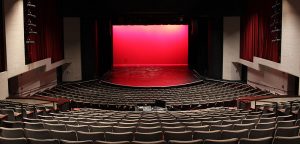
Friday, November 1, 7:30 p.m. Fine Arts Building, Walter K. Gordon Theater, Camden
The Rutgers–Camden theater program presents Top Girls. Hilarious and haunting, Caryl Churchill’s feminist masterpiece set in Margaret Thatcher’s England is a wildly innovative play about a country divided by its own ambitions. Marlene has reached the pinnacle of success as the head of the Top Girls Employment Agency—but at what price? Purchase tickets. (Additional shows on Saturday and Sunday.)
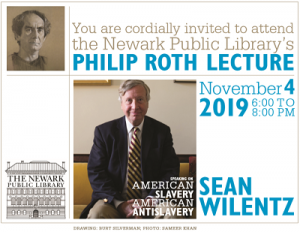
Philip Roth Lecture: Sean Wilentz
Monday, November 4, 6:00–8:00 p.m. Newark Public Library, Newark
This year’s lecturer is Princeton’s Sean Wilentz. Mr. Wilentz is the author of a wide range of books including The Rise of American Democracy, No Property in Man, Slavery and Antislavery at the Nation’s Founding, and Bob Dylan in America.
His lecture topic is American Slavery, American Anti-slavery. After retiring, Mr. Roth devoted most of his reading to the study of American history.
Professor Wilentz was Roth’s guide, helping him to make book selections and engaging in discussions of the material.
The event is free. Valet parking is available. Seating will be available on a first-come/first-served basis.
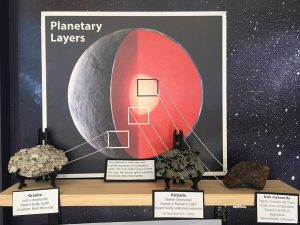
Wednesday, November 6, 4:00–8:00 p.m. Rutgers Geology Museum, New Brunswick
Visit us on Wednesday, November 6th, and learn about our Solar System and all of its planetary bodies! Demonstrations, arts and crafts and educational activities will be set up around the museum for this event and people are welcome to come and go as they please. We encourage all ages to come participate and learn something new! More information.





 In early October the Society of American Archivists (SAA) and the Music Library Association (MLA) co-published a new open-access ebook, Archival Description of Notated Music (ADNM), co-authored by the MLA Working Group for Archival Description of Music Materials, which I had the pleasure of co-chairing with Dr. John Bewley, a Rutgers alumnus and the retired associate librarian/archivist at the University at Buffalo Music Library. Working Group members also included Sofía Becerra-Licha, lead archivist at the John F. Kennedy Center for the Performing Arts; Maristella Feustle, music special collections librarian at the University of North Texas; Vincent J. Novara, head of the Acquisitions and Processing Section in the Music Division at the Library of Congress; Matthew Snyder, archivist at the New York Public Library; and Karen Spicher, manuscript cataloger and processing archivist at the Beinecke Rare Book and Manuscript Library at Yale University.
 “Top Girls” Theater Performance
 Philip Roth Lecture: Sean Wilentz
 Planetary Science Late Night