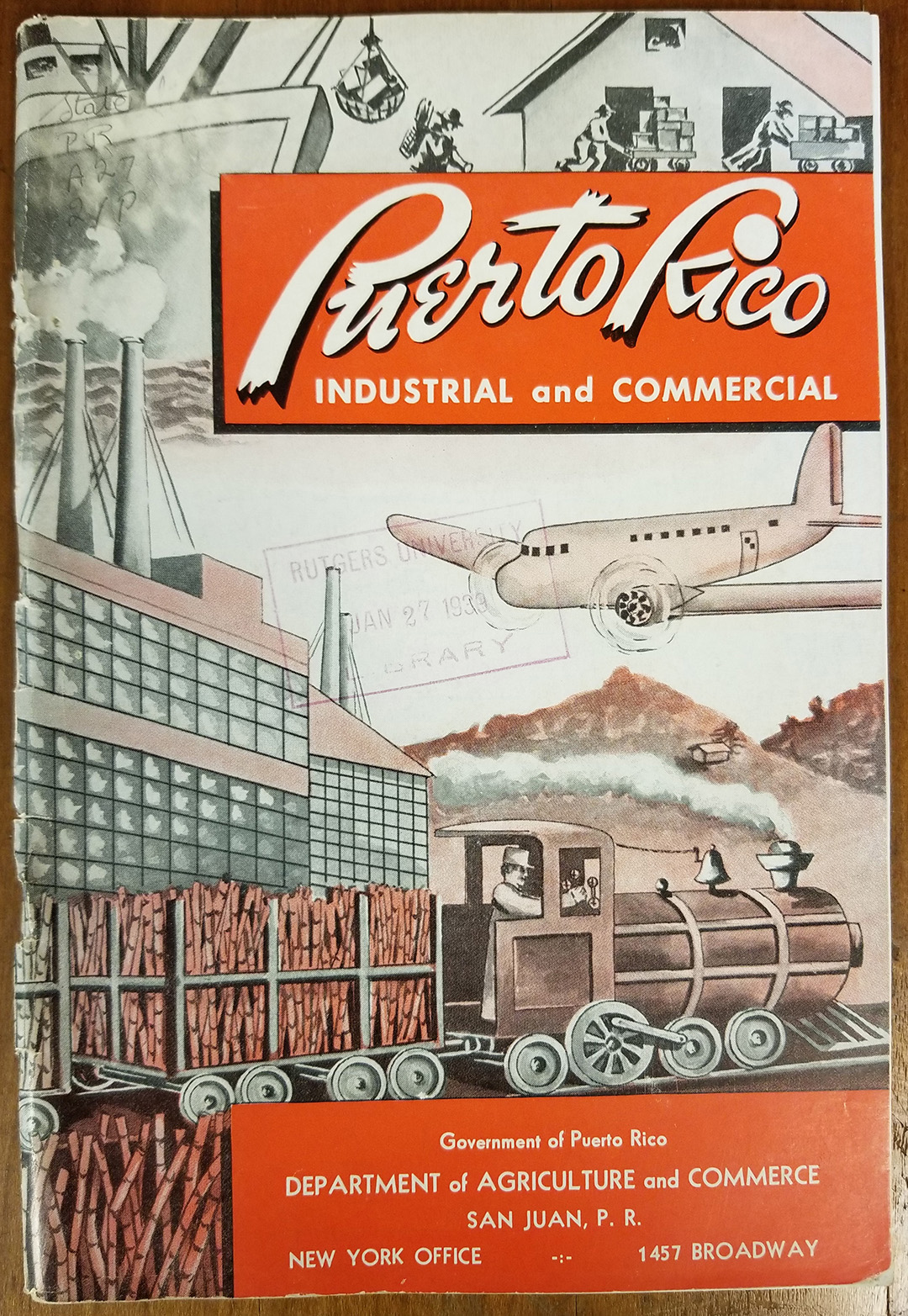
 Alexander Library’s collection of uncatalogued government documents from Puerto Rico has found a new home… in Puerto Rico. Along with a small amount of related material from the equivalent collection at the Library of Science & Medicine, similar groups of documents from states like Louisiana and Hawaii have also been offered to libraries in those states. I conceived of this repatriation project in response to the natural disasters that have affected libraries across the United States and its territories.
Jane Canfield, a librarian at Puerto Rico’s Biblioteca Encarnación Valdés at Pontificia Universidad Católica, was the first name that came to mind when the project was considered. Canfield has given multiple presentations to the government documents community about the damages and conditions in Puerto Rico following Hurricane Maria in 2017. Her response to the initial contact about the project was enthusiastic, and she ultimately accepted all of the items that were offered. Ranging from a 1905 edition of the Register of Porto Rico to a 1990 Bibliografia fitopatologica Puertorriquena, 1878-1989, 178 individual items were sent.
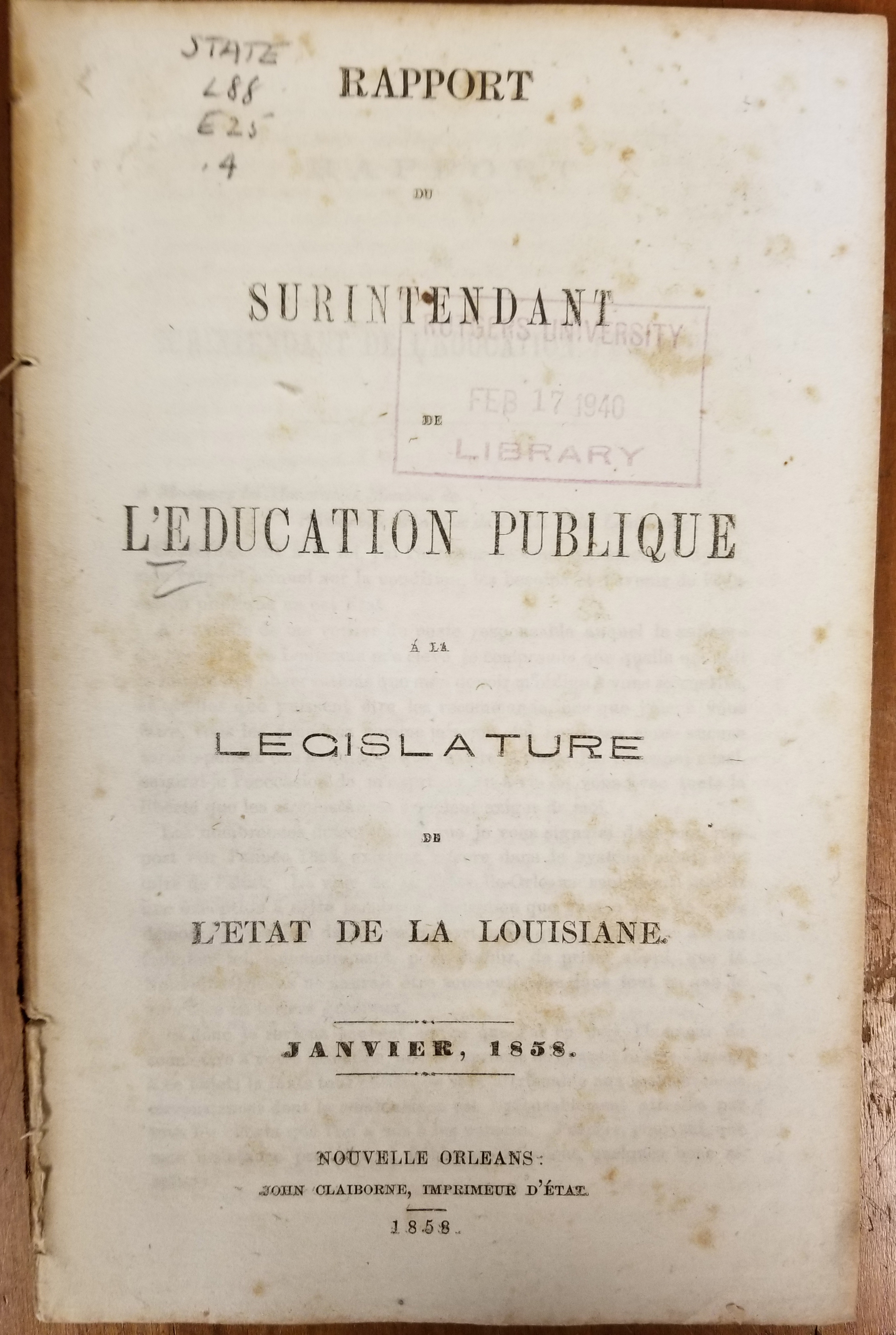
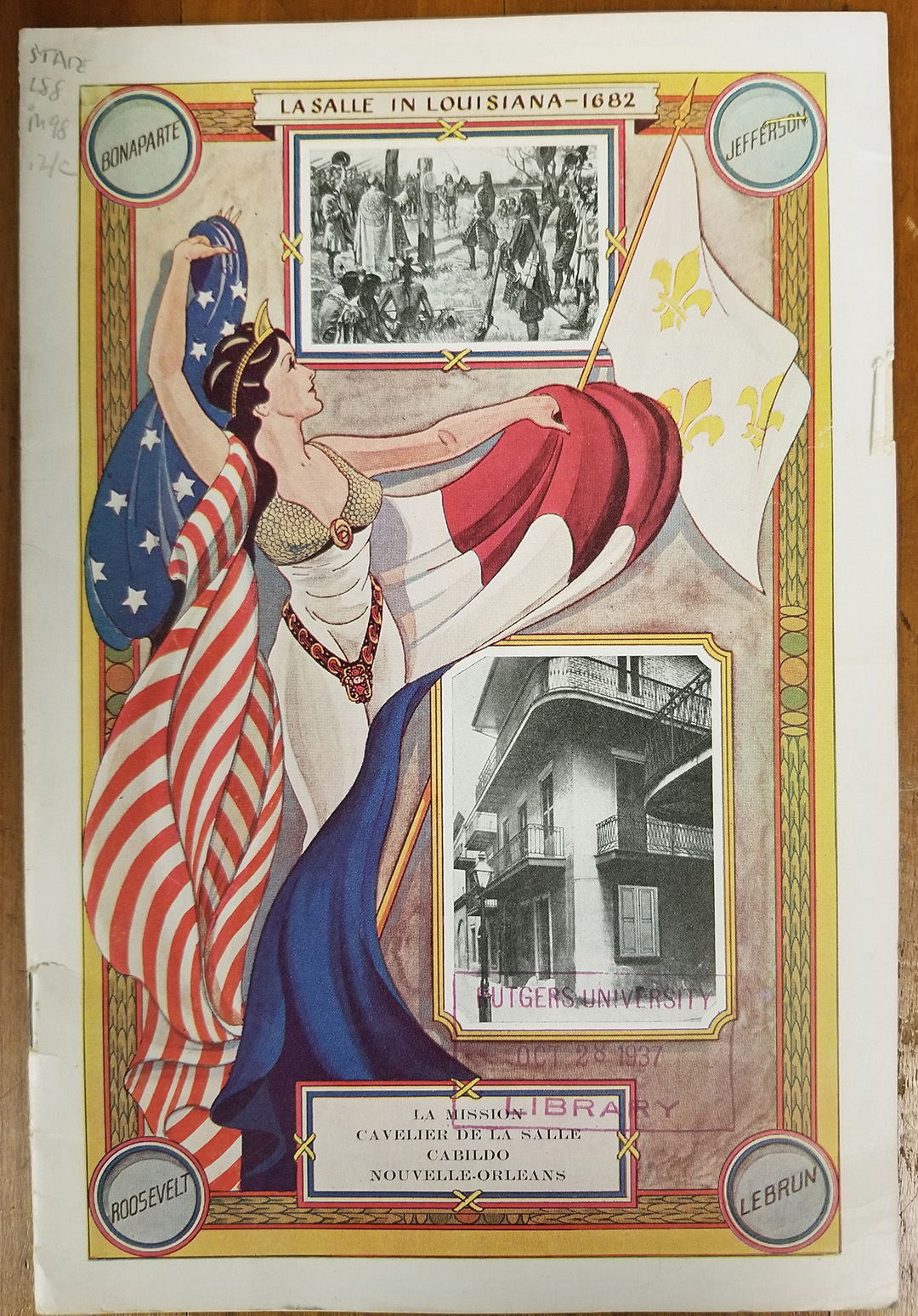 Hurricane Katrina, the floods of 2016, and other storms made Louisiana the first candidate in the continental United States to be considered for the project. A list of material from Louisiana and New Orleans was shared with a librarian at the University of New Orleans (UNO), who in turn shared it with other Louisiana libraries. While not all of the documents found a new home, more than 78% of the publications were requested and subsequently sent to UNO for dissemination. The University of New Orleans, the University of Louisiana at Lafayette, Loyola University, Nicholls State University, and the State Library of Louisiana were all able to fill gaps in their collections.
 A final response from the library at the University of Hawaii in Manoa, which suffered major damage in a 2004 flood, is forthcoming. Additional states, including Texas and Florida, may be considered when time permits.
Although the original source of the documents may be lost to history, many were likely obtained via mailing lists or gift and exchange programs. Returning them to their points of origin is a small effort to assist in the rebuilding of collections damaged by hurricanes, floods, and other disasters.
Special thanks go to Tom Glynn for reviewing the historical material before it was offered; to Elena Schneider, and others in the Shipping & Receiving department, who investigated shipping options, packed the boxes, and delivered the materials to the university department that handles US postal mail; and to Dee Magnoni, who graciously agreed to fund the shipping costs.
The forgotten collection of state documents is a little less forgotten. The hope is that we run out of disasters before we run out of documents.