Author: Robert Vietrogoski

  • Health Sciences Libraries Publishes December Issue of Impact Newsletter

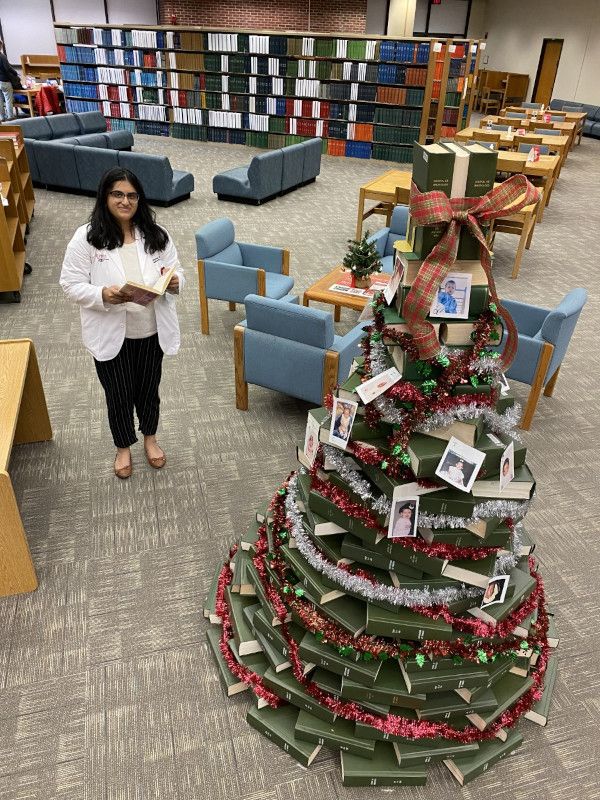
    RWJ Library holiday book billboard and display.
    RWJ Library holiday book billboard and display.

    Rutgers Health Sciences Libraries (HSL) is pleased to announce the December issue of its Impact e-newsletter. Please click this link to read the latest HSL news, events, and features, including:

    • December De-Stressing
    • Holiday Treats
    • Librarian Receives ORCID Honor

    Subscribe today to get Impact delivered to your inbox!

  • Health Sciences Libraries Publishes November Issue of Impact Newsletter

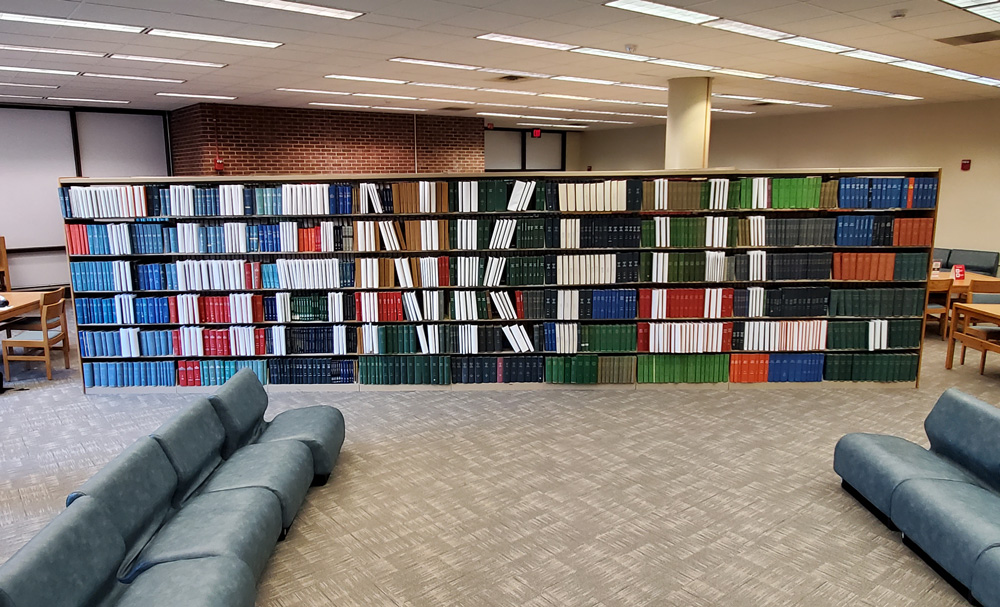
    RWJ Library "thankful" book billboard.
    RWJ Library’s “thankful” book billboard.

    Rutgers Health Sciences Libraries (HSL) is pleased to announce the November issue of its Impact e-newsletter. Please click this link to read the latest HSL news, events, and features, including:

    • New journals: Behavioral Medicine and Annals of LGBTQ Public and Population Health
    • New video tutorial on finding journals
    • Welcome to our new work/study students

    Subscribe today to get Impact delivered to your inbox!

  • Special Collections Librarians Take the Reins of NJSAA

    New Jersey Studies Academic Alliance logoFounded in 1992, the New Jersey Studies Academic Alliance (NJSAA) is a 501c3 educational organization promoting research and teaching in the multidisciplinary field of New Jersey studies. The NJSAA’s approximately 100 members include teachers (primary school through college), historians, geographers, museum and historical organization personnel, archivists, and librarians. Membership is open to anyone interested in the study of New Jersey, and membership dues are $5 annually. (Yes, $5.)

    The NJSAA regularly meets four times a year in Alexander Library’s Pane Room to hold business meetings, present awards, and hear presentations in New Jersey studies. Meetings are open to all.

    Among its central activities, the NJSAA recognizes notable work in New Jersey studies by presenting awards in the following categories:

    Starting on September 1, 2018, three Rutgers University special collections librarians will be assuming leadership roles in NJSAA for three-year terms. The incoming chair is Bob Vietrogoski, the special collections librarian for the history of medicine at George F. Smith Library in Newark. He currently serves as chair of the NJSAA’s Roger McDonough Librarianship Award. As chair, he is succeeding Maxine Lurie, professor emerita of history at Seton Hall University. Dr. Lurie is a co-founder of NJSAA and has served as chair or co-chair since NJSAA’s founding 26 years ago. She is the author and editor of several award-winning works in New Jersey studies, including New Jersey: A History of the Garden State (2012), and the Encyclopedia of New Jersey (2004).

    The incoming secretary is Christie Lutz, New Jersey regional studies librarian and head of public services for Special Collections and University Archives at Alexander Library in New Brunswick. She has been acting secretary for the past year, and is succeeding Marc Mappen, the former executive director of the New Jersey Historical Commission and a historian whose books include There’s More to New Jersey Than the Sopranos (2009) and Prohibition Gangsters: The Rise and Fall of a Bad Generation (2013).

    The incoming membership chair is Tara Maharjan, processing archivist for Special Collections and University Archives at Alexander Library. She currently serves as the NJSAA’s webmaster. As membership chair, she is succeeding Karl Niederer, the former director, state archivist, and chief records administrator in the former state Division of Archives and Records Management, and current coordinator of outreach and strategic partnerships at the New Jersey Historic Preservation Office.

    The next NJSAA meeting will be held on Tuesday, October 16, 2018 in the Pane Room. The business meeting will begin at 3pm, and at 4:15pm, William Kroth, president of the Sterling Hill Mine Museum in Sussex County, will speak on the “Great Zinc Mines of Sussex County” and will have samples on hand to view.

    For more information about the NJSAA, see its website here, along with News of NJSAA’s recent activities and its Calendar of Events. The NJSAA is also on Facebook, and “likes” are strongly encouraged.

  • Founded in 1766: An Exhibit and an Event Celebrating the Archives of the Medical Society of New Jersey

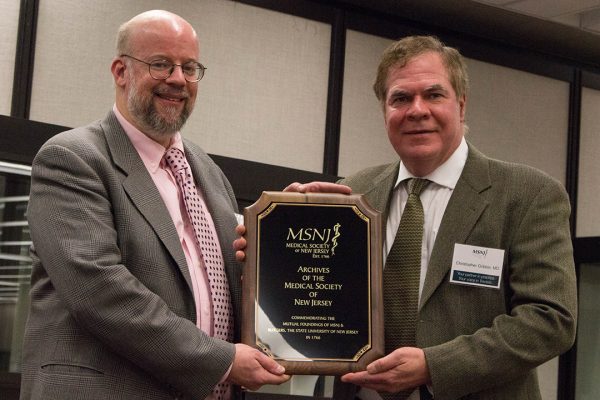
    • Bob Vietrogoski receives a plaque commemorating the donation from MSNJ president Christopher Gribbin.

    In 2016, Rutgers University was not the only major New Jersey institution celebrating its 250th anniversary. On July 23, 1766, at Duff’s Tavern in New Brunswick, a group of physicians met and formed the Medical Society of New Jersey (MSNJ). The MSNJ is America’s oldest state medical society, and indeed, is America’s oldest professional society.

    The George F. Smith Library of the Health Sciences, Rutgers University Libraries, is pleased to announce that the MSNJ has donated its 20th- and early 21st-century records to Smith Library’s Special Collections in the History of Medicine. The donation consists of 52 archival boxes of records, and 85 volumes of MSNJ Board of Trustees minutes from 1931 to 2005. These valuable historical records will be preserved and made available to MSNJ administrators, members, and officers; Rutgers University students and faculty; historians of medicine; and local and family historians.

    Special Collections already holds a nearly complete run of MSNJ journal publications from 1848 to 2005, as well as substantial archival holdings of its constituent Bergen, Burlington, Essex, Hudson, Monmouth, Passaic, and Warren County Medical Societies, and the records of the Medical Society of New Jersey Alliance (formerly the Women’s Auxiliary).

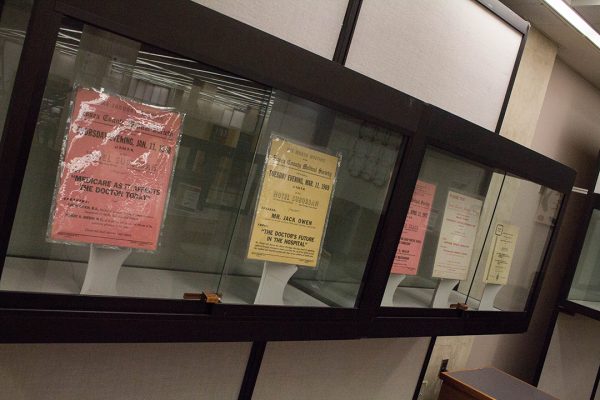
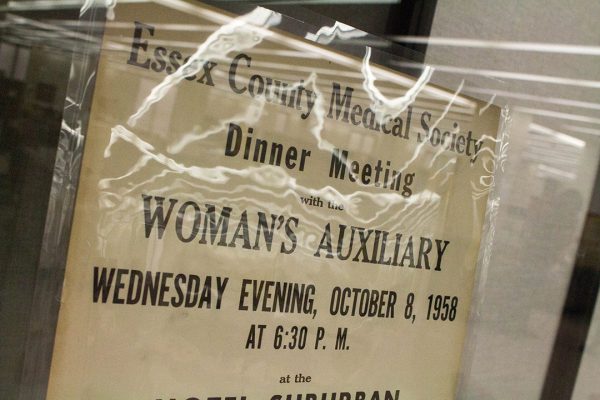
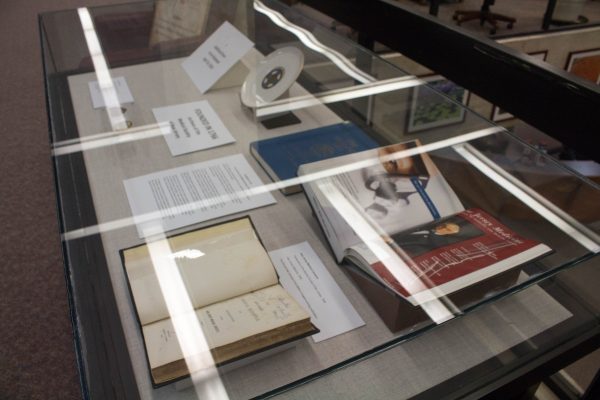
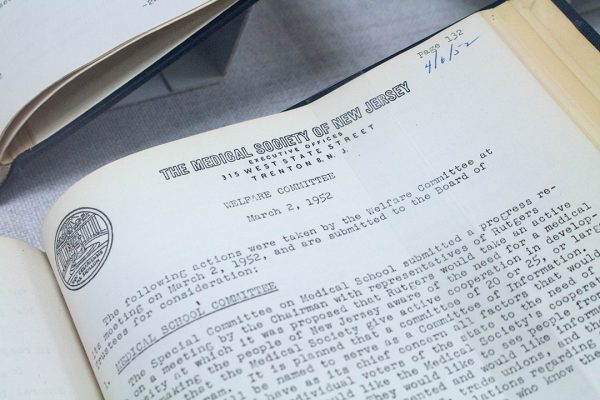
    An exhibit of materials from this accession was curated by Bob Vietrogoski, with the help of Nancy Blankenhorn, medical student Stephanie Yuen, and Tim Corlis and his preservation team. On display are a selection of artifacts related to the 200th and 250th anniversaries of the MSNJ; Board of Trustees minutes discussing physicians joining the military during World War II, plans for a New Jersey medical school in 1952, the introduction of the polio vaccine in 1955, and the discouragement of smoking in hospitals in 1967; photographs from two issues of New Jersey Medicine on the history of New Jersey’s pioneering women physicians; and meeting posters from the Essex County Medical Society from 1954 to 1979 concerning the perpetual topic of “New Legislation Affecting the Medical Profession.”

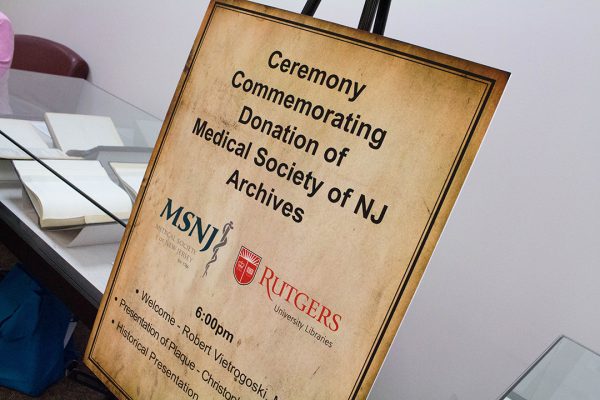
    The exhibit opening on April 19 was attended by MSNJ administrators including its past, present, and future presidents; members of the Medical History Society of New Jersey; Rutgers New Jersey Medical School faculty and students; and Rutgers librarians. At this reception, MSNJ President Christopher Gribbin presented Special Collections librarian Bob Vietrogoski with a plaque commemorating the MSNJ archival donation. This donation brings together Rutgers and the MSNJ, two New Jersey institutions founded in 1766.

  • Tom Frusciano Receives McDonough Award

    Tom Frusciano accepts the 2017 Roger McDonough Librarianship Award from Bob Vietrogoski.

    On October 24, at a meeting of the New Jersey Studies Academic Alliance, the 2017 Roger McDonough Librarianship Award was presented to Thomas J. Frusciano, the university archivist of Rutgers, The State University of New Jersey. This award is named for Roger H. McDonough, New Jersey state librarian from 1947 to 1975. Beginning in 2002, the New Jersey Studies Academic Alliance, together with the New Jersey Historical Commission, Mid-Atlantic Regional Archives Conference-New Jersey Caucus, and the New Jersey Library Association History & Preservation Section, has given this award annually to a librarian, archivist, or manuscript curator for excellence in service to the New Jersey history research community and/or the general public.

    A New Jersey native, Tom Frusciano is a tenured member of the library staff at Rutgers University Libraries’ Special Collections and University Archives. He began his professional career as an archivist at Educational Testing Services in Princeton. He then became the first professionally trained university archivist at New York University, and later coauthored New York University and the City: An Illustrated History. At Rutgers since 1989, Frusciano has written or edited histories of the presidents of Rutgers, Douglass College, and the Rutgers Scarlet Knights football team, among many other subjects. In recent years, he played an integral role in the 2016 Rutgers 250th celebration, library exhibit, and commemorative historical volume entitled Rutgers: A 250th Anniversary Portrait. Starting in 2015, he also served on the Rutgers Committee on Enslaved and Disenfranchised Populations, which produced the report Scarlet and Black. This committee’s important work has led to the new naming of James Dickson Carr Library (formerly Kilmer Library), now named in honor of Rutgers’ first African American graduate.

    Beyond Rutgers, Frusciano has long been professionally active, particularly in the Society of American Archivists (SAA) and in the Mid-Atlantic Regional Archives Conference (MARAC). He was elected to the SAA Council from 2009 to 2012, coedited the SAA manual Archival Arrangement and Description (2013), and was named an SAA Fellow in 2002. He has taught archival courses at both New York University’s Archival Management and Public History program, and the Rutgers School of Communication and Information. Some of his former students are now archivists and librarians at archives, libraries, and historical societies throughout New Jersey and elsewhere. He has also served on several editorial boards and coedited the Journal of Archival Organization.

    Tom is the fourth recipient of the McDonough Award from Rutgers University Libraries’ Special Collections and University Archives, following Bonita Craft Grant (2011), Janet Riemer (2014), and Ron Becker (2015).

  • Rutgers Hosts Nobel Laureate for 14th Annual Weisse Lecture (with some librarian help!)

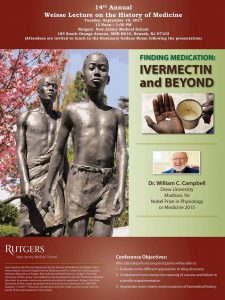
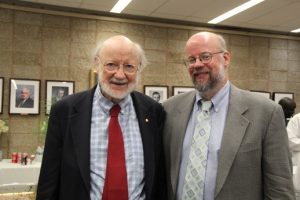
    On September 19, 2017, Rutgers New Jersey Medical School (NJMS) hosted the 14th Annual Weisse Lecture on the History of Medicine. This year’s Weisse Lecturer was Dr. William C. Campbell, who shared the 2015 Nobel Prize in Physiology and Medicine with Dr. Satoshi Omura of Japan “for their discoveries concerning a novel therapy against infections caused by roundworm parasites.”
    In his presentation, “Finding Medication: Ivermectin and Beyond,” Dr. Campbell recounted the story of Ivermectin’s development and its antiparasitic uses in both animal and human health. A single pill taken yearly is preventative against river blindness (onchocerciasis), a disease found in South America, Africa, and Yemen. Since 1988, Merck has donated the drug (under the name Mectizan) for distribution within affected regions, and river blindness has been eliminated in most South American countries, with efforts to eliminate the disease in Africa still ongoing. In what he termed a “tirade,” Dr. Campbell stressed the need for much more drug discovery in an era of increasing drug resistance. He concluded his presentation with charming photographs and stories about the Nobel Prize ceremonies and banquets in Stockholm.

    Since its inception in 2004, the Weisse Lecture has been overseen by Dr. Allen Weisse. He and his wife Dr. Laura Weisse have endowed the lecture, which is presented as a grand rounds by the NJMS Department of Medicine. Previous Weisse Lectures have featured prominent medical historians and physician-historians, including T. Jock Murray, Michael Bliss, Barron Lerner, and Nancy Tomes. Dr. Allen Weisse himself is an accomplished physician-historian, having published two volumes of oral histories (Conversations in Medicine, and Heart to Heart) and several volumes of essays on medical history.

    Caption: Nobel Laureate (left) and librarian (right). Photo credit: Devayani Kumaran, Rutgers New Jersey Medical School.

    In 2016, Dr. Weisse designated me to assume the role of Weisse Lecture Coordinator. Over this past year, he and I worked together to organize this year’s lecture and luncheon. My duties ranged from choosing the luncheon menu with the caterer, to chauffeuring the Nobel Laureate to NJMS and back to the train station. Best of all, I had the honor of introducing Dr. Campbell to the standing-room-only crowd. I made sure to emphasize that even though he was born in Ireland, was educated at Trinity College in Dublin and the University of Wisconsin, and is now living in Massachusetts, his true home state is New Jersey. Both Dr. Weisse and Dr. Campbell served as presidents of the Medical History Society of New Jersey, an organization I have also actively supported, which has actively supported both Special Collections and me as well!

    With the support of colleagues in the NJMS Department of Medicine, I am assuming responsibility for the Weisse Lecture going forward. The annual Weisse Lecture is the premier medical history event at Rutgers New Jersey Medical School. Thanks to the generosity of Dr. Allen Weisse and Dr. Laura Weisse, and their love of medical history, the Weisse Lecture series is well positioned for a long and successful future.

  • Duck Decoys, Fly Fishing Flies, Abdominal Procedures, and New Jersey Medical History: The 2017 MHSNJ Lunar Society Meeting

    • Click image to view full version.
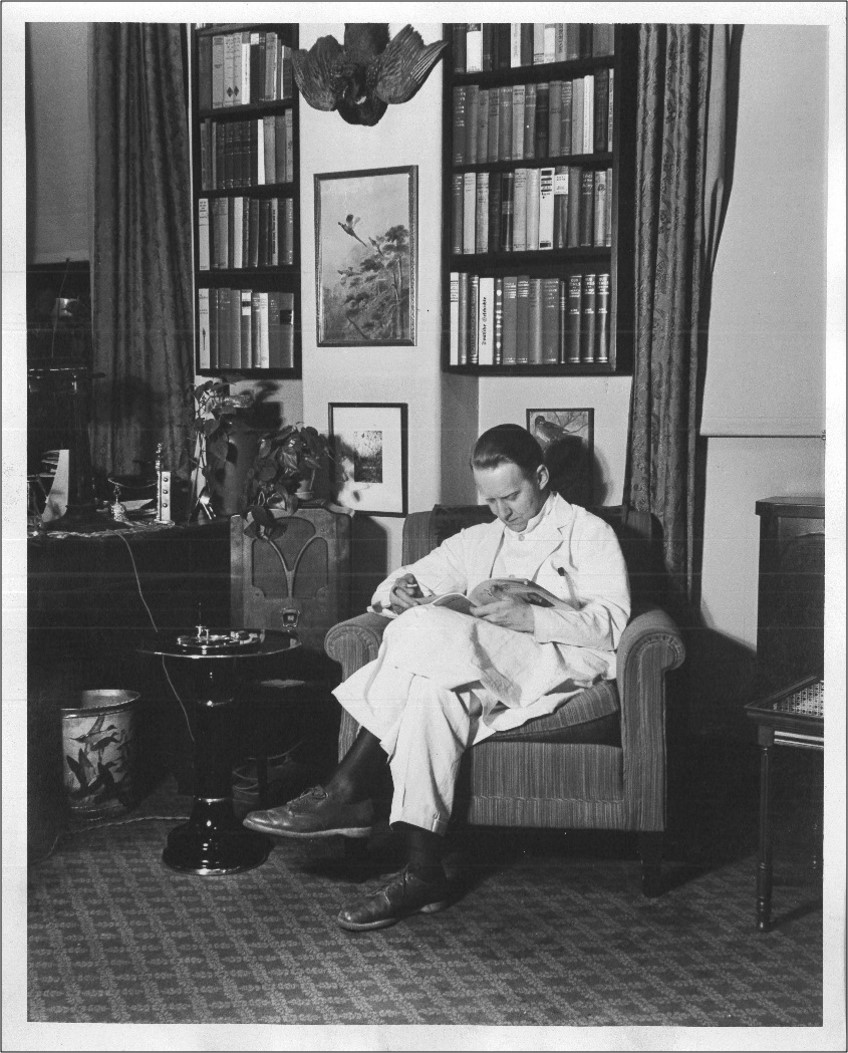
    Edgar Burke
    Dr. Edgar Burke in his penthouse apartment at the Jersey City Medical Center.

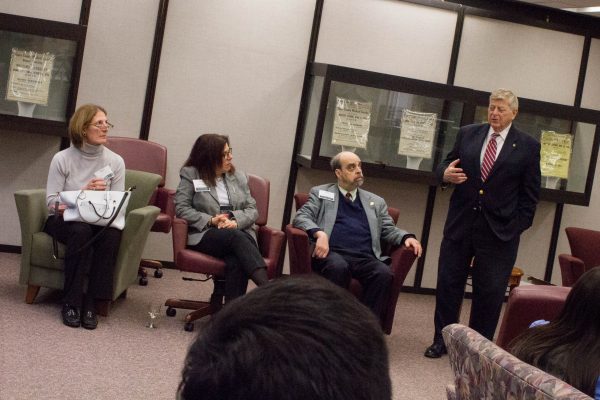
    On February 8, 2017, the Medical History Society of New Jersey (MHSNJ) and Rutgers University Libraries co-hosted the MHSNJ’s fifth annual Lunar Society winter meeting, held in the Pane Room at Alexander Library. Over 30 MHSNJ members, surgeons, librarians, and even an art history graduate student attended.

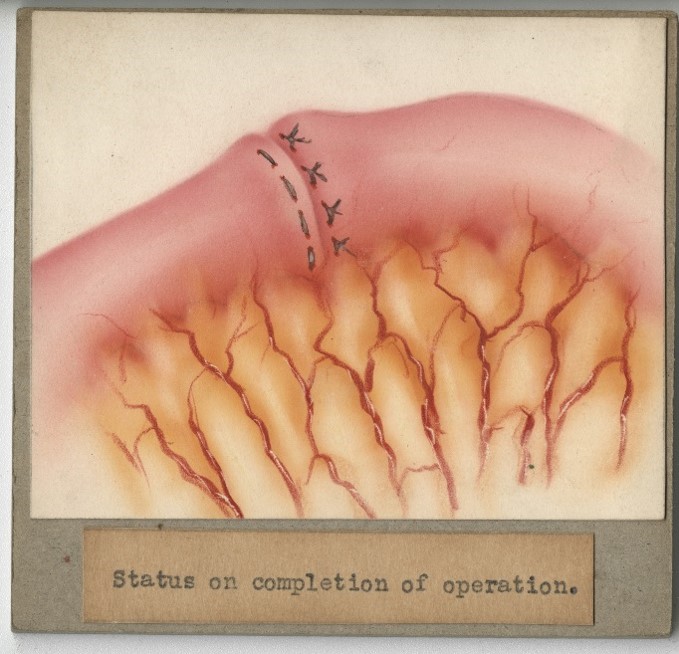
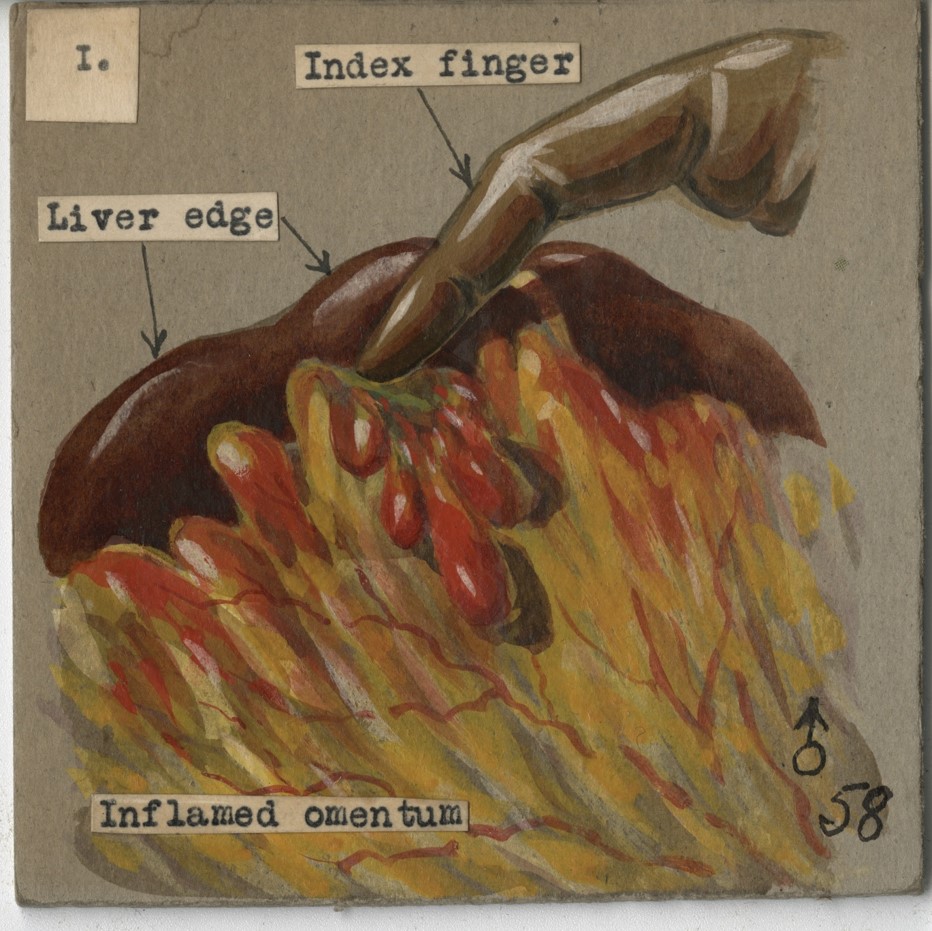
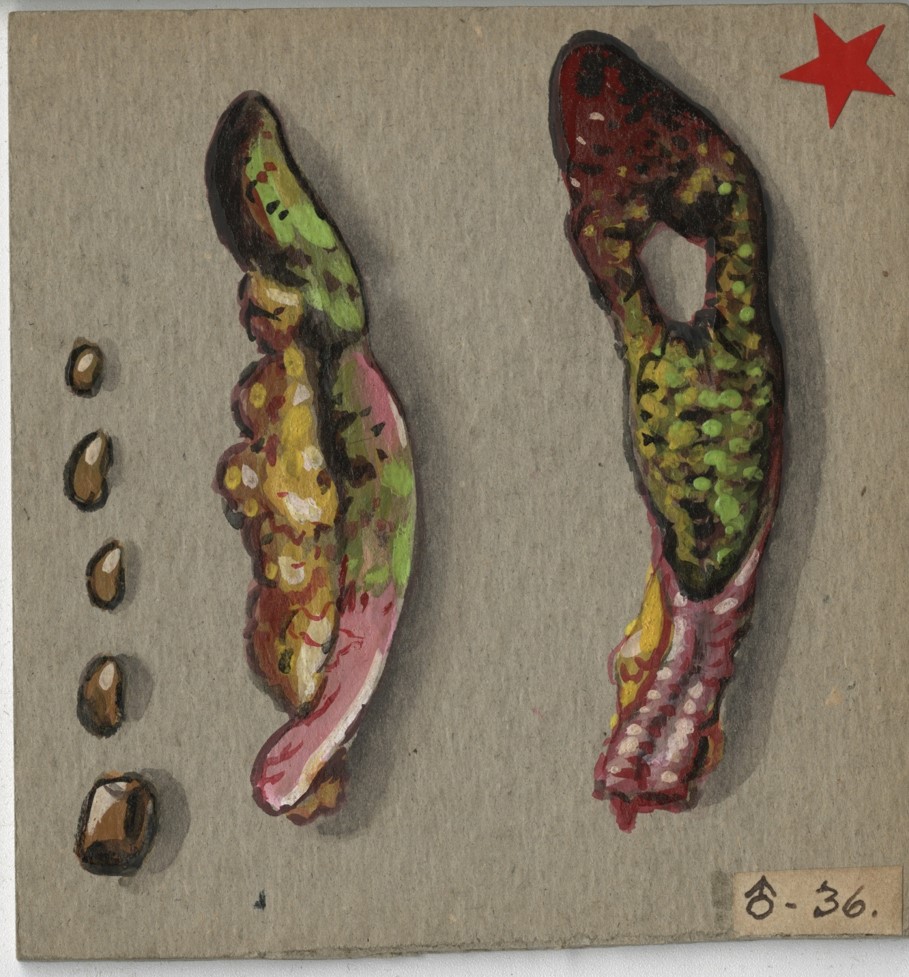
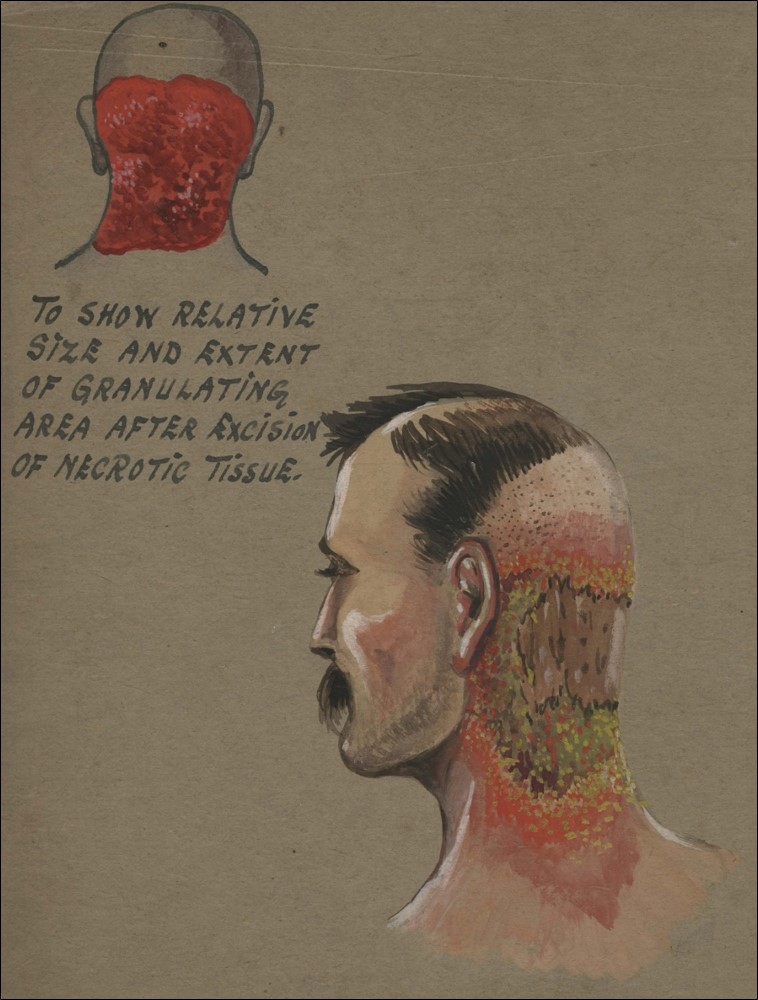
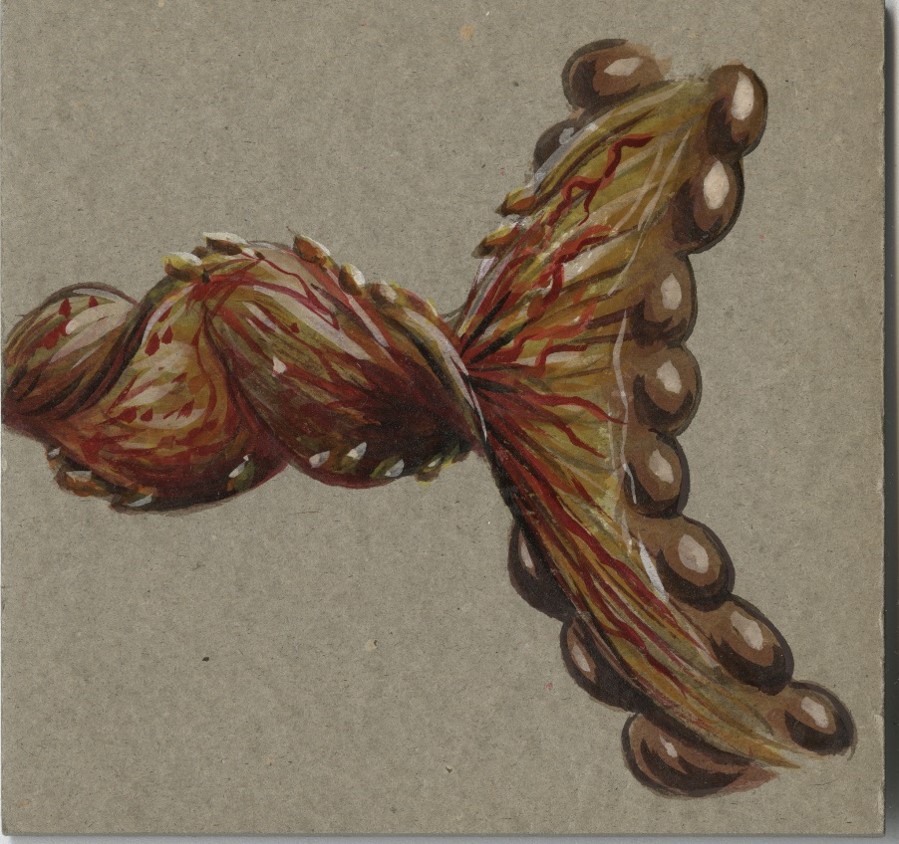
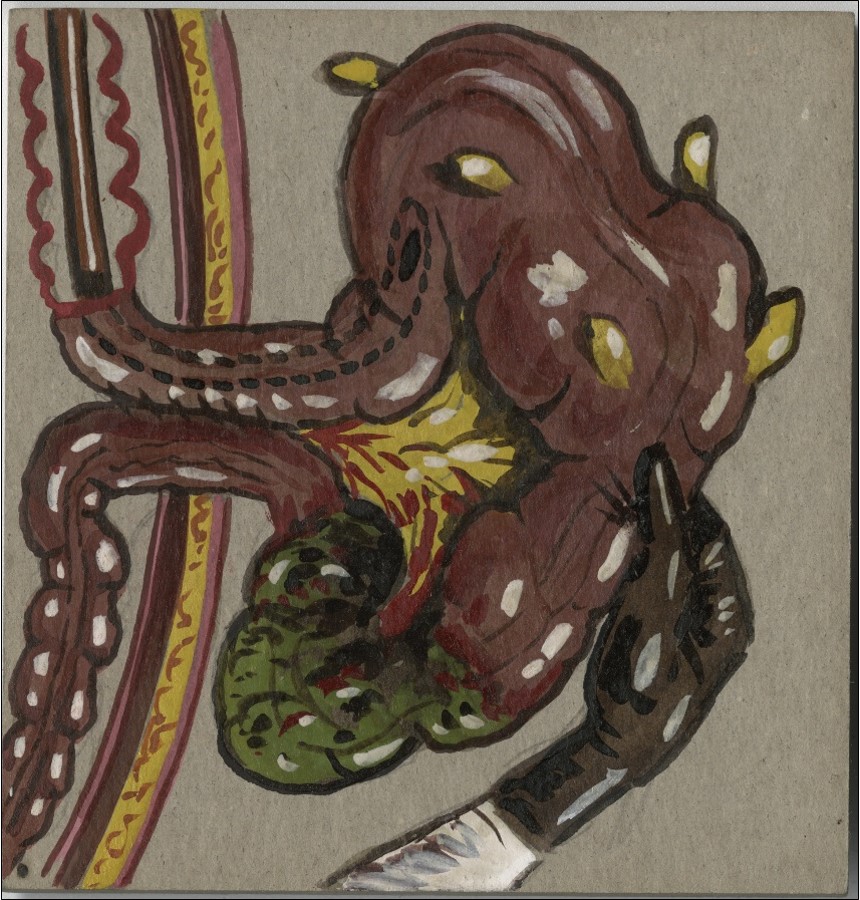
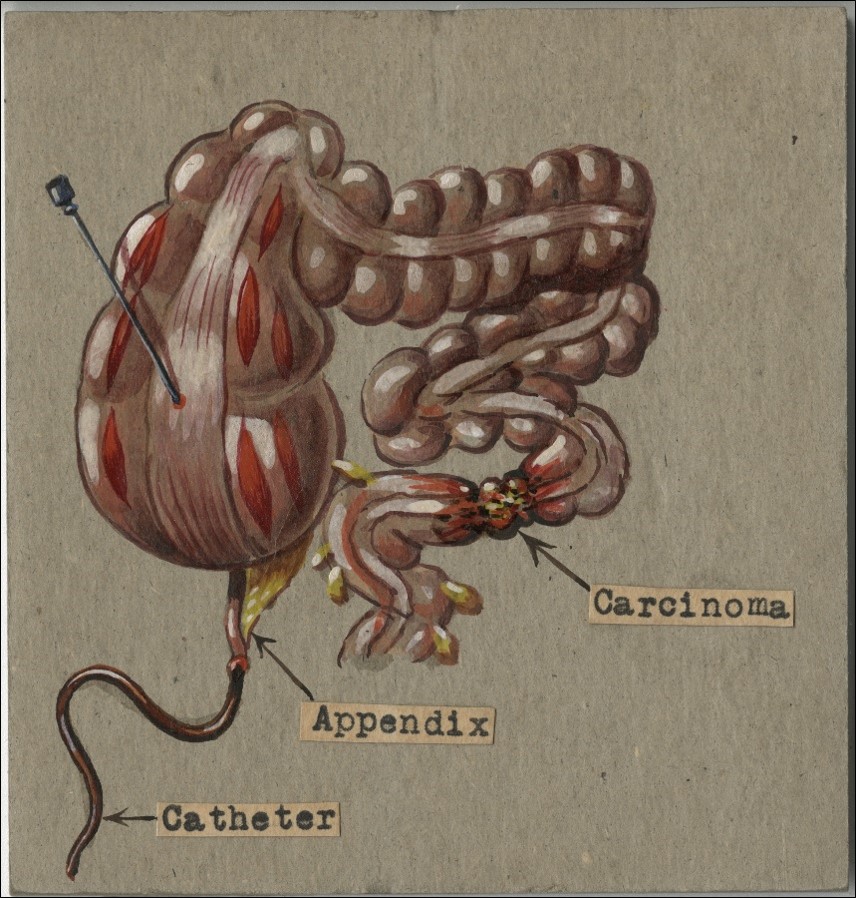
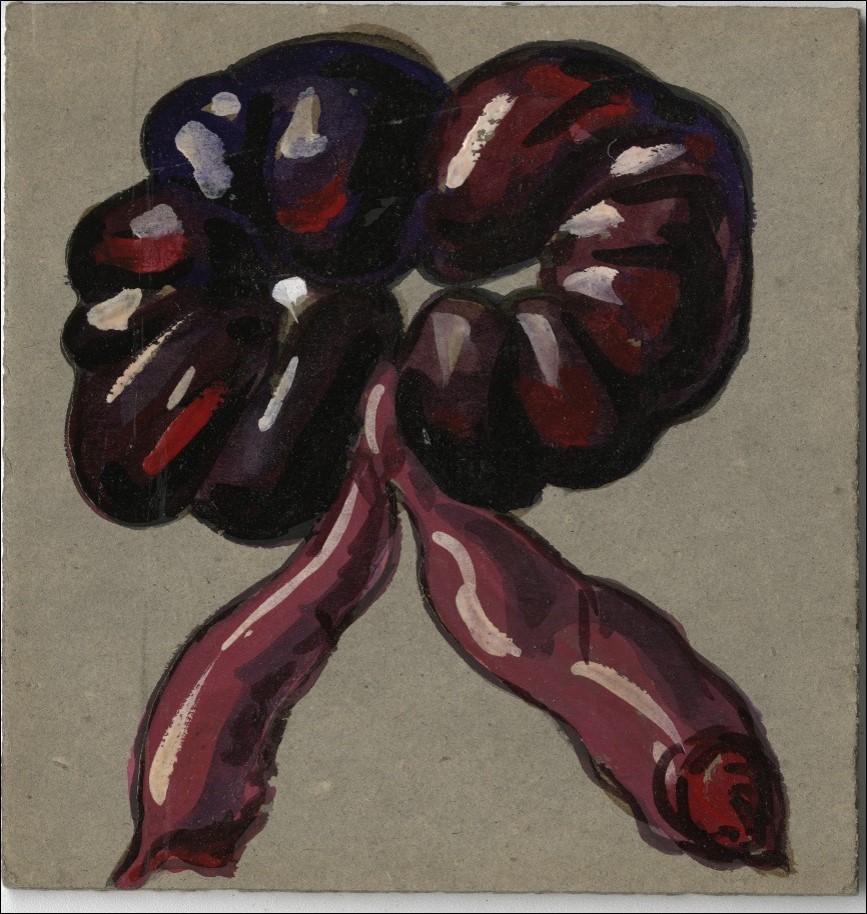
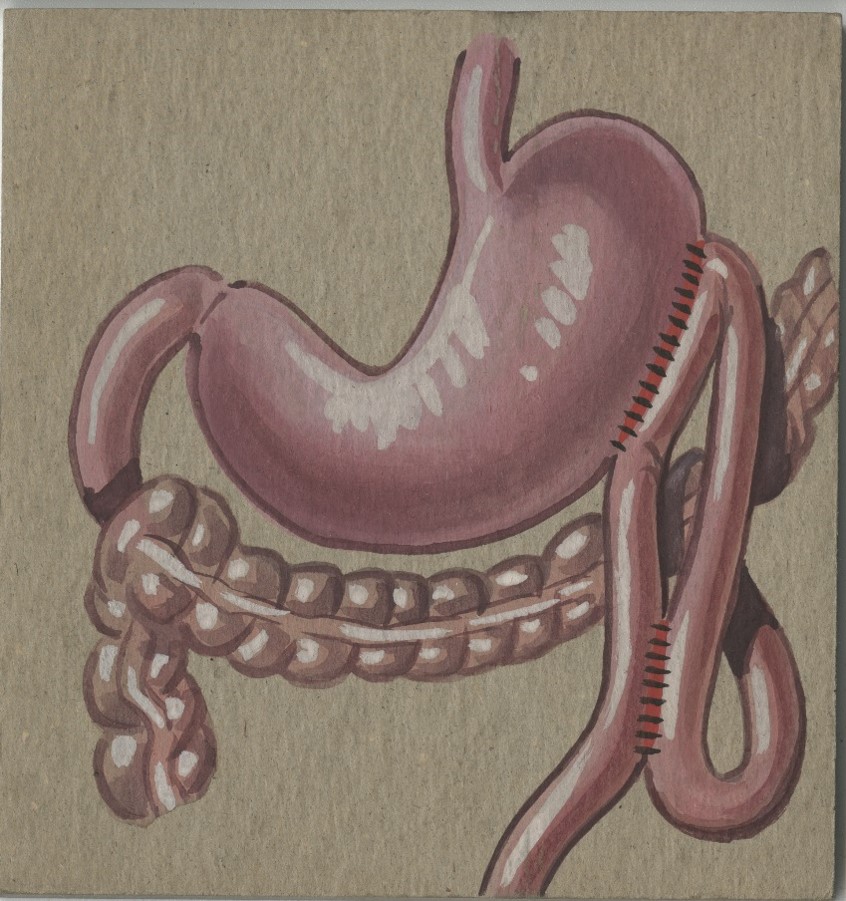
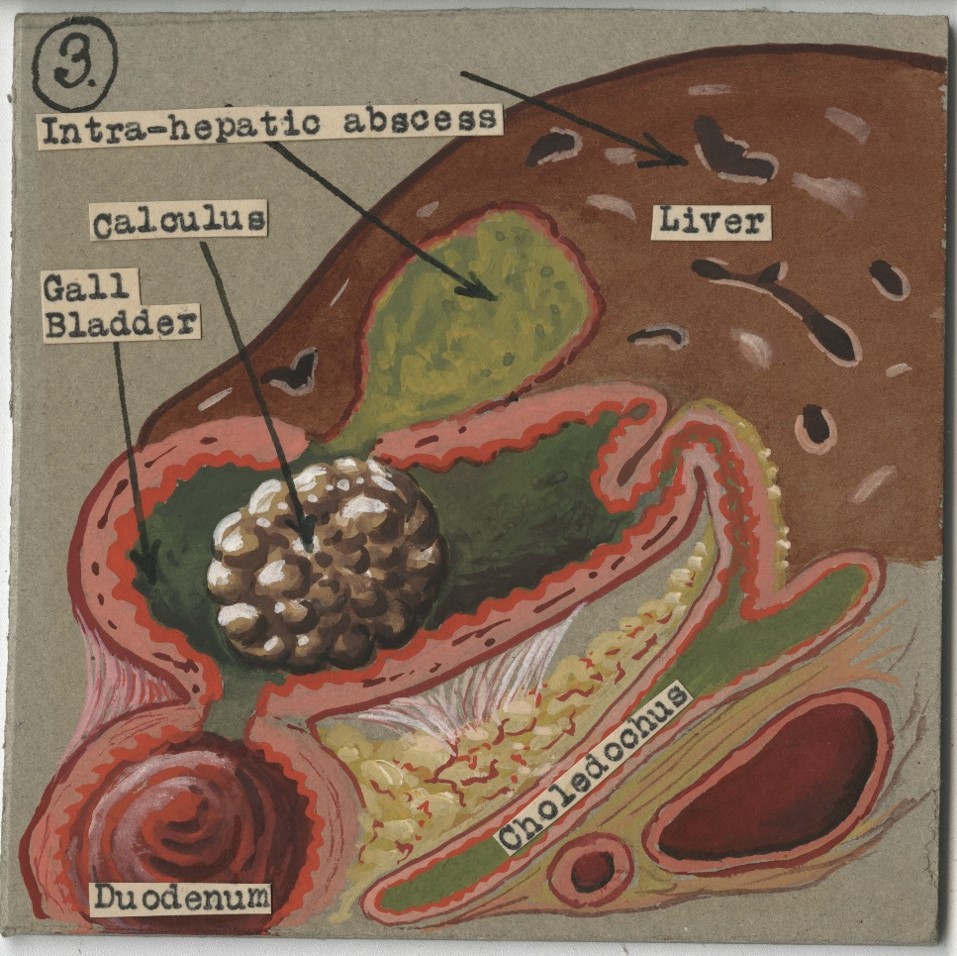
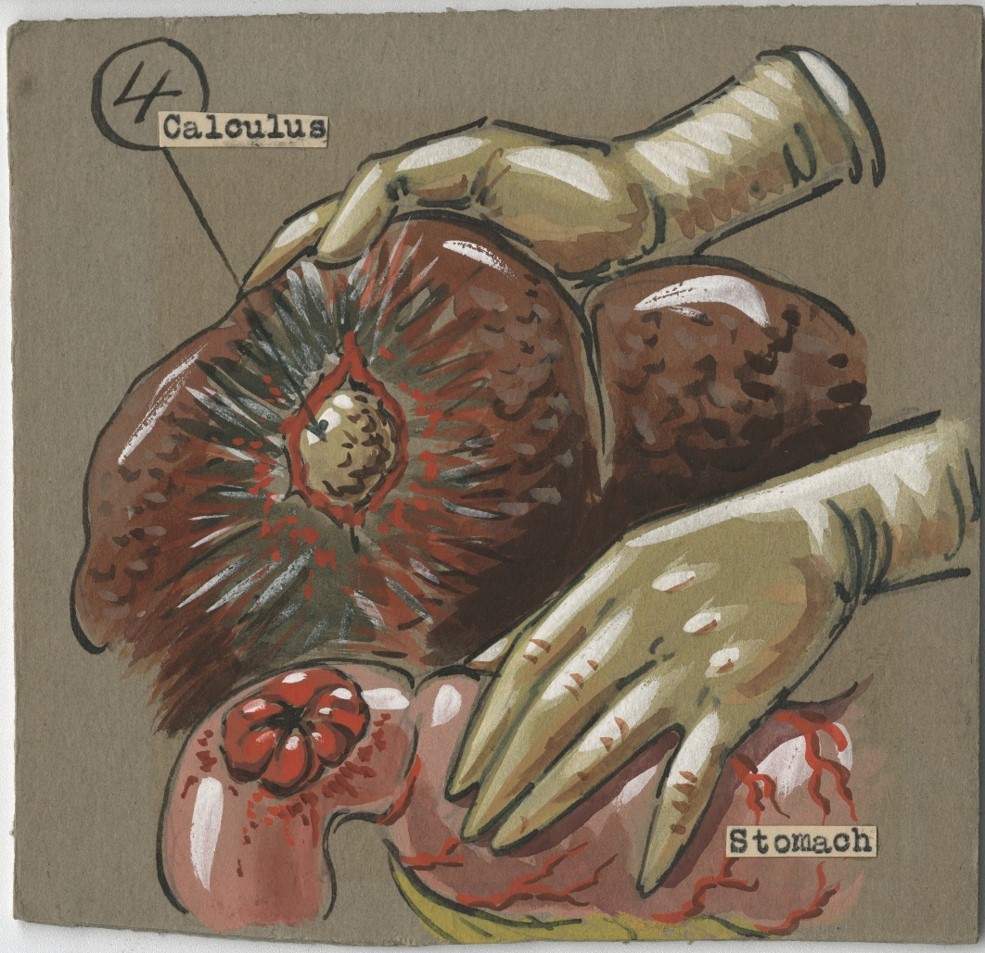
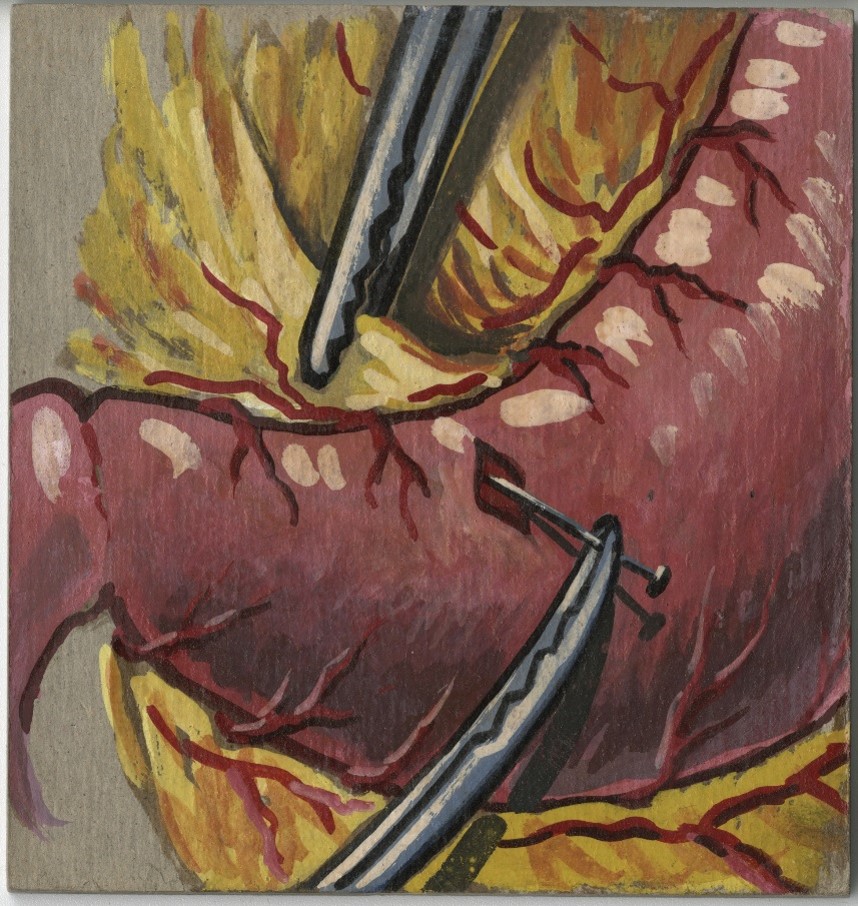
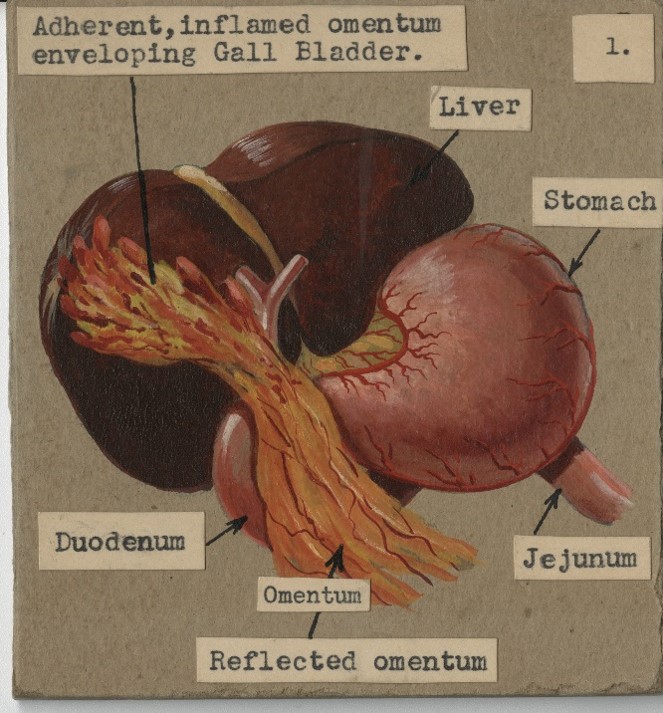
    Not only was the meeting a series of three presentations about New Jersey medical history, it was also an art show. On display prior to the formal program were a selection of small paintings (mostly 4” x 4”) of surgical procedures and anatomical structures created by Dr. Edgar Burke (1890 – 1950). A longtime surgeon at the Jersey City Medical Center, Dr. Burke was also an artist of considerable skill. His realistic paintings of wildfowl, duck decoys, and fly fishing flies were published in several books in the 1930s and 1940s, and sell at auction to this day. Last spring, RBHS – Special Collections received a donation of over 800 previously unknown Burke medical artworks. These were the gift of Mr. and Mrs. James Neumeister, the son-in-law and daughter of Dr. Burke’s last surgical resident. While Dr. Burke undoubtedly used these paintings in teaching and in his own surgical practice, this Lunar Society event was likely their very first public exhibition.

    In my presentation, I discussed Dr. Burke’s biography (such as is known – he seems to have been a rather private person), archival challenges in preserving and describing his artworks, and potential uses of this unique collection by medical and surgical historians, and perhaps even art historians.

    I was followed by Dr. Theodore Eisenstat of Robert Wood Johnson Medical School, who provided a surgeon’s perspective on Dr. Burke’s paintings. Both of our presentations were enhanced by digitized images of Burke’s artwork, produced in the Digital Curation Research Center with the support of Isaiah Beard and James Hartstein.

    The meeting’s final presentation was by Dr. Linda Whitfield Spinner, an authority on the history of medicine in Middlesex County. She discussed the role of women in the formation of two early New Brunswick hospitals. Founded in 1884 with support from Mrs. Grace Wells and other local women, the New Brunswick City Hospital became the John Wells Memorial Hospital, which later became Middlesex General Hospital and is now Robert Wood Johnson University Hospital. The Sisters of Charity of the Order of Grey Nuns of Montreal were instrumental in establishing St. Peter’s Hospital in 1907.

    Following the presentations, many attendees enjoyed lunch and fine conversation at the  Rutgers Club. The next meeting of the Medical History Society of New Jersey will be held in May, at the Nassau Club in Princeton.

  • MSNJ 250th: A Night of History, Medals, and Coins

    image2
    Credit: Robert Vietrogoski

    Rutgers is not the only major New Jersey institution celebrating its 250th anniversary this year!

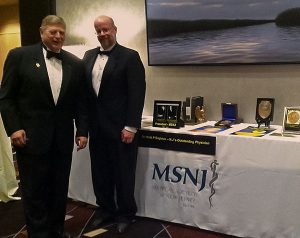
    On Saturday May 23, I attended the Medical Society of New Jersey’s 250th Anniversary Celebration and Inaugural Gala. The celebration was held at the Heldrich Hotel in New Brunswick, on the actual 250th anniversary of the Medical Society of New Jersey’s first ever meeting, also held in New Brunswick (at Duff’s Tavern!). The Medical Society of New Jersey (MSNJ) is America’s oldest state medical society, and has over 5000 members. RBHS–Special Collections holds a nearly complete run of MSNJ journal publications from 1848 to 2005, as well as substantial archival holdings of its constituent Burlington, Essex, Hudson, Monmouth, Passaic, and Warren County Medical Societies. We also hold the records of the Medical Alliance of the Medical Society of New Jersey (formerly the Women’s Auxiliary).

    image1
    Credit: Robert Vietrogoski

    At the gala, I joined Dr. Peter Carmel, the emeritus chair of the Department of Neurological Surgery at New Jersey Medical School. Dr. Carmel is also the current president of the Medical History Society of New Jersey and a recent past president of the American Medical Association! During the program, Dr. Carmel presented a well-received illustrated historical retrospective on the MSNJ’s founding and its centennial and bicentennial celebrations. Some of the images used by Dr. Carmel were drawn from RBHS–Special Collections materials.

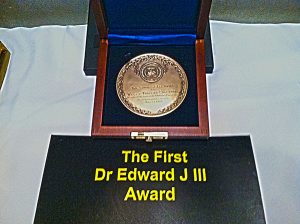
    For the gala, Dr. Carmel also organized an exhibit on Dr. Wells P. Eagleton, the first New Jersey neurosurgeon, and a medical luminary who received the first Edward J. Ill award from the Academy of Medicine of New Jersey in 1939. Thanks to Dr. Carmel’s generous restoration efforts, Eagleton’s actual Edward J. Ill medal was on display. This artifact was rediscovered last summer in storage at Robert Wood Johnson Medical School and is now part of the holdings of RBHS–Special Collections. Dr. Carmel’s exhibit and the Eagleton artifacts will soon be on display in the lobby of Smith Library.

    image3
    Credit: Robert Vietrogoski

    If the Eagleton name seems familiar at Rutgers, Dr. Eagleton’s wife Florence Peshine Eagleton was a founding member of the board of managers of the New Jersey College for Women (now Douglass College) and a Rutgers trustee from 1932 to 1946. She made the bequest in 1956 that established Rutgers University’s Eagleton Institute of Politics, which itself is celebrating its 60th anniversary this year.

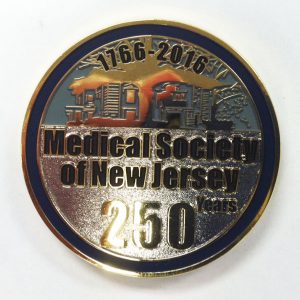
    The newest addition to the RBHS–Special Collections artifact collection is the commemorative 250th anniversary “challenge coin” given to gala attendees by Captain Joseph P. Costabile, the incoming MSNJ president. The gala was a most enjoyable event and I hope to extend the relationship between the Medical Society of New Jersey and RBHS–Special Collections. (And for those familiar with my normal mode of dress, here is photographic proof of me in a tuxedo!)

  • Smith Library Stressbusters: Anatomy Rare Book Show and Tell

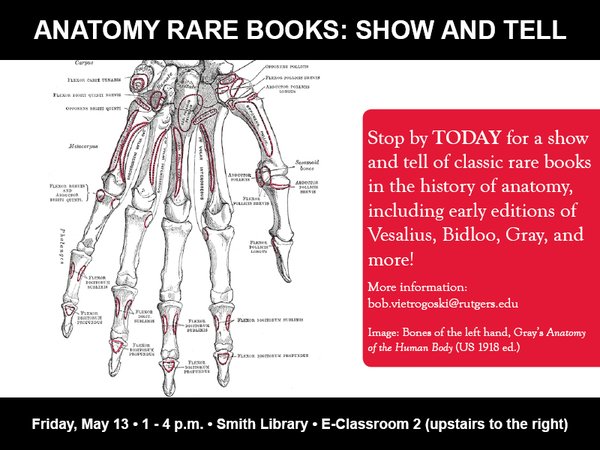
    anatomy inviteIn addition to bubble-popping and “make your own squeeze ball” stressbuster activities, the George F. Smith Library of the Health Sciences hosted its first “Anatomy Rare Book Show and Tell” on Friday, May 13. Over the afternoon, 18 attendees (15 students, 2 librarians, and a regular library visitor) dropped by to see, touch (supervised!), and learn about:

    • Andreas Vesalius, De Humani Corporis Fabrica (2nd edition, 1555 – a gorgeous book with renowned illustrations, with our copy featuring a magnificent 1572 binding)
    • G. Bidloo, Anatomia Humani Corporis (1st edition, 1685 – folio size with awesome and gruesome giant plates)
    • Henry Gray, Anatomy: Descriptive and Surgical (1st British edition, 1858, and 1st American edition, 1859 – fantastic pedagogical illustrations, and thanks to television, probably the best-known textbook title)

    Librarian lessons learned:

    Patron serendipity: A first-year medical student recently visited Special Collections and expressed interest in the rare books. She was concluding gross anatomy studies, and really liked the idea of a show and tell of classic anatomical works. She was happy to post news of the event on the private Facebook page of the first year students.  So if one patron is interested, it’s reasonable to conclude that maybe more than one will be interested!

    Location location location: Instead of using the Special Collections reading room, the books were displayed in E-Classroom 2, a recently renovated room closer to where students congregate on Smith Library’s upper floor.  A sign taped to a chair and an open door worked to draw some second-year students temporarily away from their USMLE Step 1 studies. Prompted by a Vesalian illustration, some even recalled which bone in the human body is the only bone not connected to another.

    If it works, do it again:  Attendees showed interest and stayed longer than originally anticipated. (By the end, my voice was shot.) So I intend to make similar rare book, manuscript, or even historical object show and tell events a regular end of semester activity.