Author: Regina Koury

  • New Media Recording Studio at Robeson Library

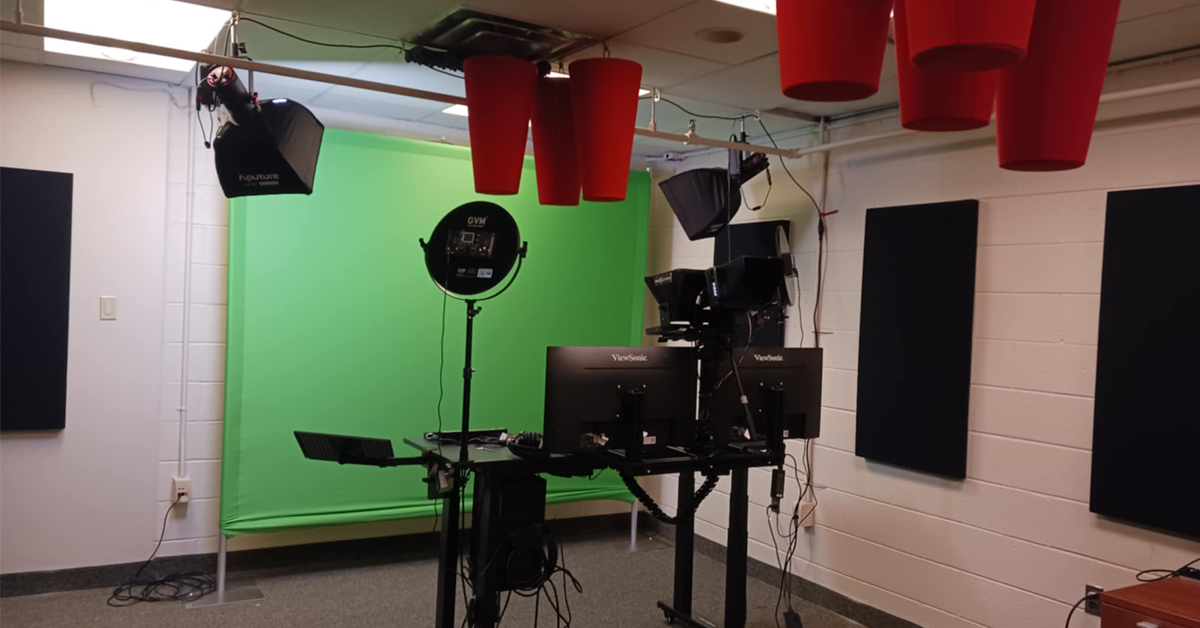
    a room with a green screen and video recording equipment
    Robeson Library now has a Media Recording Studio.

    In Fall 2025, under the leadership of Rutgers University–Camden’s executive vice chancellor for academic affairs and provost, Paul Robeson Library—along with the Office of University Online Education Services (UOES) and Rutgers–Camden IT—opened a Media Recording Studio on the second floor of the library (Room 290). This is the first recording studio of its kind at Rutgers–Camden.

    Current faculty and staff with a valid Rutgers NetID can use the studio to create video content for teaching and learning. Whether for short lectures, course introductions, updates, or hosting live sessions with students, the studio offers a simple and professional-quality production experience. No prior video experience is required—just bring your content and press a button.

    Individuals who need support can book a consultation with the Office of University Online Education Services (UOES). If no assistance is needed, the space can be reserved directly.

  • NEA Big Read/Catalog of Unabashed Gratitude Exhibit Extended Through January 2023

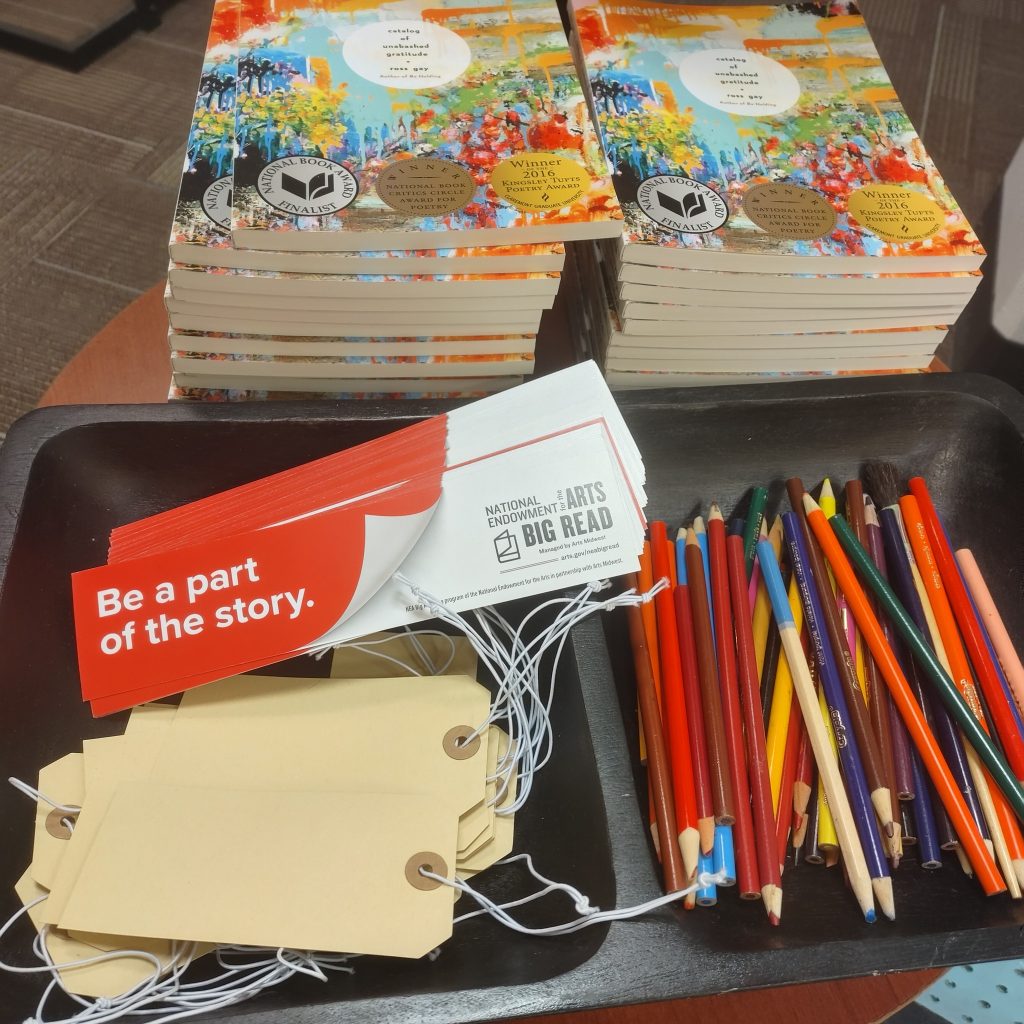
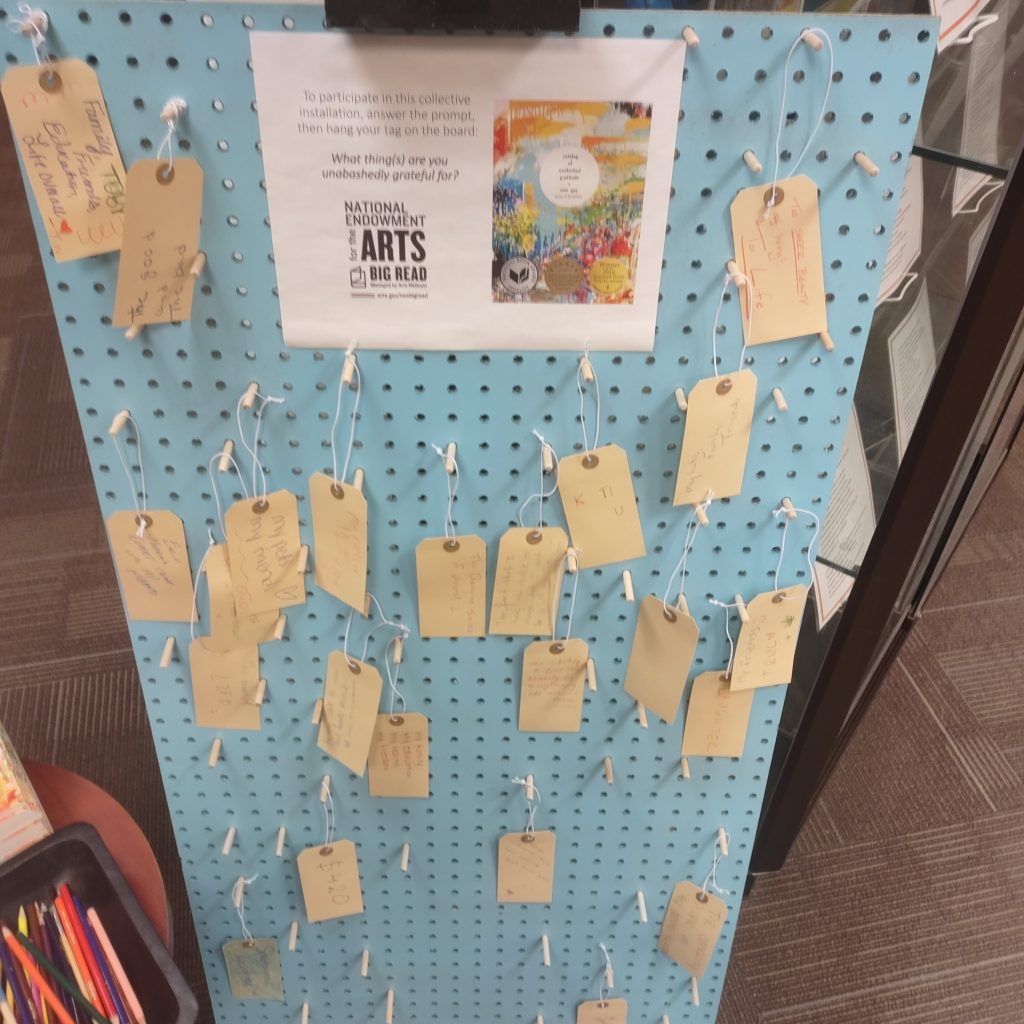
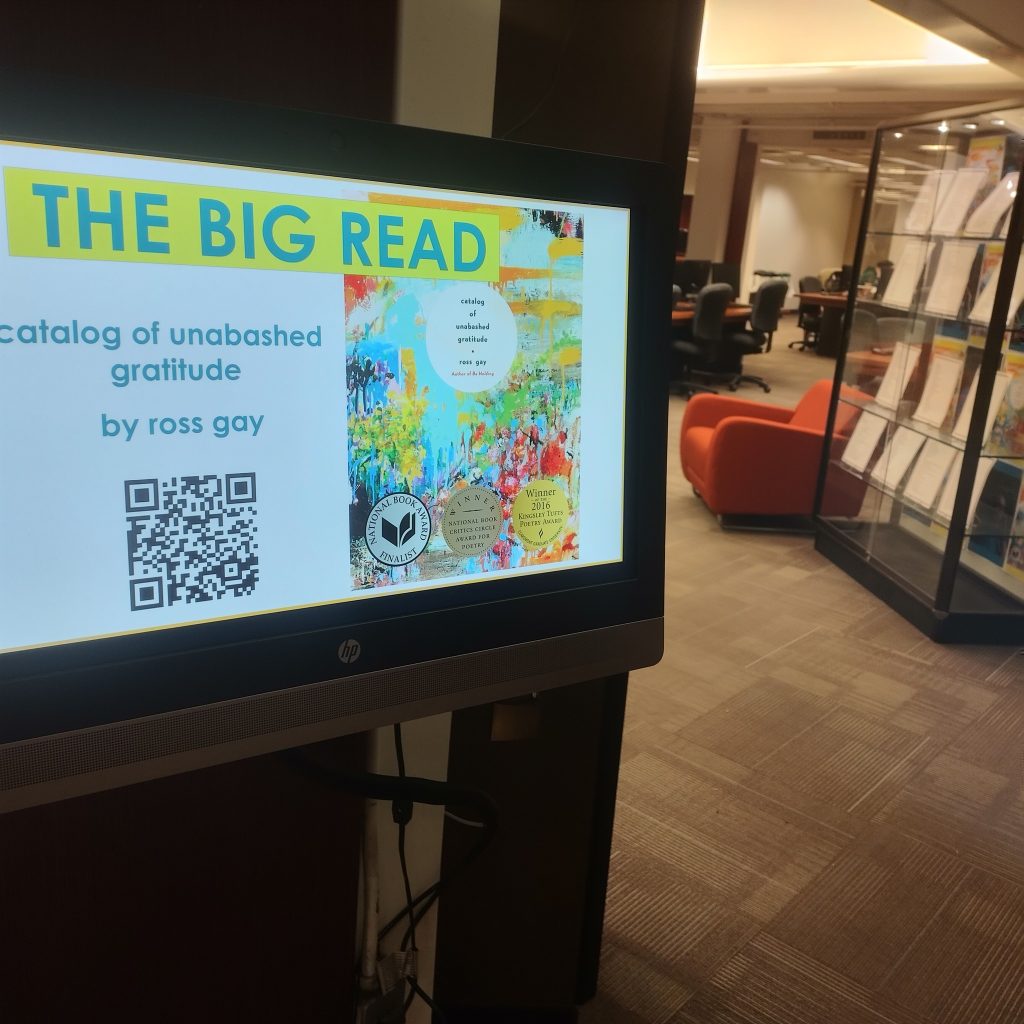
    Paul Robeson Library‘s exhibit for the NEA Big Read/Catalog of Unabashed Gratitude by Ross Gay has been extended through January 2023. The event is hosted in partnership with the Rutgers–Camden Center for the Arts (RCCA). Attendees can receive free copies of Gay’s book (while supplies last) and contribute a tag to the accompanying installation piece by RCCA.

    Robeson Library's NEA Big Read/Catalog of Unabashed Gratitude event.

    Robeson Library's NEA Big Read/Catalog of Unabashed Gratitude event—RCCA installation piece.

    Robeson Library's NEA Big Read/Catalog of Unabashed Gratitude event.

  • Diversity, Equity, and Inclusion Committee Update – January 2021

    On December 2, 2020 the Diversity, Equity, and Inclusion (DEI) committee formally introduced itself to the Libraries’ faculty and staff by email to share its purpose and vision. The committee was charged this past summer by Cabinet to, among other things, develop a learning journey for the Libraries that will raise awareness of issues related to DEI and create an environment where we all contribute to a culture of diversity, equity, and inclusion.

    A learning journey does not have deadlines or an end-date; it’s a continuing process and requires all of us to build awareness, knowledge, and skills to support DEI initiatives. As Dr. Caprice Hollins reminded us in her workshop earlier this month, the educational journey for even the most expert researchers and facilitators is never over. While we may be on different parts of our own personal learning path, the work to educate should operate with a view to building a foundation for lifelong learning beyond our time here at the Libraries. Because of our varying identities and experience we will have different levels of readiness to act and advocate to make the Libraries a more diverse, equitable, and inclusive workplace. Many of us are just starting out on the journey to build awareness and increase our knowledge of the systemic issues and injustices present in our society. This is why we call it a learning journey. No matter where you are on this journey, it’s important to recognize the work is not easy. We welcome everyone to join in to build a culture of diversity, equity, and inclusion, and a workplace where we want to show up, work together, and serve our communities.

    This work cannot be done by the DEI committee alone and we all will need to contribute. As a group, the committee will bring speakers, plan programs, develop a DEI inventory and environmental scan, and serve as a source for other DEI activities. Individually, we all can reflect on what we are learning, where we fall short, check our biases, root out inequities, and have difficult conversations when needed. Together, we strive to create a community that:

    • Fosters mutual respect and diverse perspectives that reflect varying backgrounds, identities, roles, and their intersections.
    • Create and support structures and behaviors that promote equality, fairness, and justice.
    • Promote an environment of belonging, respect, opportunity, and empowerment.

    We invite you to visit our committee site on the Libraries’ staff pages to read the charge and review our meeting minutes or to contact us at diversity_equity_inclusion@libraries.rutgers.edu.

    We are also pleased to share that a new anonymous feedback form has been created and posted to our staff page so that Libraries faculty and staff can confidentially share their questions, concerns, ideas, and experiences with the team.

    We look forward to bringing more programs and resources to the libraries in the coming months.

  • Staying Visible on Campus: Robeson Library’s Virtual Initiatives

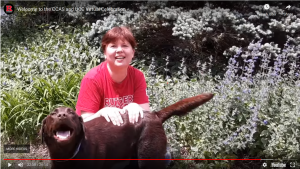
    Regina and her dog from the CCAS and UCC Virtual Celebration
    Regina and her dog from the CCAS and UCC Virtual Celebration

    Now that library services have moved online, the faculty and staff of Paul Robeson Library continue to stay visible on campus by contributing to various virtual initiatives at Rutgers University–Camden.

    During the spring semester, reference and instruction librarian Zara Wilkinson partnered with the Communications Office to share helpful tips on using the library with the campus community (Student Tips for Navigating Online Research Resources and Services) and prepared a video to be provided to newly-admitted students via the Admissions Office. Samantha Kannegiser, student success librarian, John Gibson, instructional technology specialist, and Regina Koury, library director, joined other Rutgers–Camden faculty and staff in a virtual welcome sent to incoming students in honor of National Decision Day and a video congratulating the Camden Colleges of Arts and Sciences and University College–Camden Class of 2020 graduating students during virtual commencement.

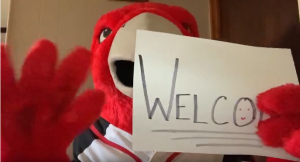
    The Scarlet Raptor in a virtual welcome in honor of National Decision Day
    The Scarlet Raptor in a virtual welcome in honor of National Decision Day

    Library support for virtual campus initiatives will continue into the summer. Raptor Welcome, the annual new student orientation, is moving online and will include a video starring Reference Librarian John Powell, which was created in 2019 in conjunction with the Student Success Coach Office. Samantha Kannegiser has also created an online orientation for students in the Summer 2020 Educational Opportunity Fund Summer Institute and is working on library instruction videos for summer classes that cannot meet in person.

    All these efforts help to build new and strengthen existing campus and community partnerships to market and promote library services, resources, and events.

  • Our Commitment to Diversity, Equity and Inclusion

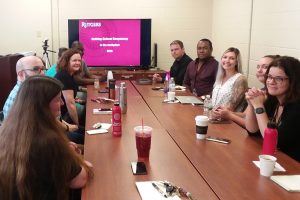
    Robeson Library’s cultural sensitivity and diversity training in August.

    Diversity, equity, and inclusion are acknowledged as being fundamental values of the American Library Association and its members, and diversity is listed as one of ALA’s key action areas. The Libraries’ philosophy is that “as the intellectual commons of one the most diverse universities in the nation, Rutgers University Libraries advance and promote diversity in all its forms. We believe the Libraries are stronger and can more effectively support the mission of Rutgers when we are inclusive and equitable.”

    Paul Robeson Library has reaffirmed its commitment to diversity, equity, and inclusion by creating a comprehensive action plan with strategic FY20-21 priorities. One of the initiatives from the Robeson priorities led to an all-staff, day-long training session in August on cultural sensitivity and diversity with Baseemah Ismail. Ismail is a senior human resources generalist, with experience in an array of HR functions including diversity strategy, training, talent acquisition and retention, and organizational development and design; a certified Development Dimensions International learning systems facilitator, as well as a DiSC Communication Styles and Myers-Briggs Type Indicator practitioner. The training addressed understanding cultural differences, awareness of biases, enhancing sensitivity to cultural sensitivities, and differences and strategies for fostering a cohesive workplace.

  • Service and Emotional Support Animals in the Library

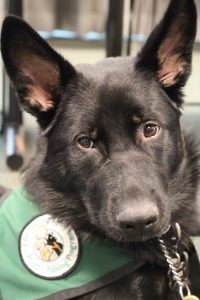
    Service dogAt Robeson Library, we recently had an experience that called attention to the guidelines for having service animals on campus, so I thought this would be a good opportunity to remind everyone at the Libraries about the relevant university policies and procedures.

    The Office of Disability Services website does a great job of describing the different types of animals you may see on campus, where they are allowed to accompany students, and what questions faculty and staff are permitted by law to ask about these companions:

    What’s the difference between a service animal and an emotional support animal?

    Service animals are defined as dogs that are individually trained to do work or perform tasks for people with disabilities. A service animal is considered a working animal, rather than a pet.

    An emotional support animal (ESA) is different from a service animal. An ESA provides support and comfort to individuals with a documented disability that would require such support. ESAs are not required to go through training and are not limited to dogs.

    Where are service animals and emotional support animals permitted on campus?

    Service animals can accompany their handlers in any area where the public is normally allowed to go. This includes residence halls, classrooms, student centers, libraries, dining halls, etc.

    Emotional support animals are permitted only in the student’s assigned living space. Emotional support animals are not permitted in public spaces such as classrooms, student centers, dining halls, or libraries.

    Animals affiliated with the Companion Animal Club and the Seeing-Eye Puppy Club are permitted in most public spaces as well, but students must ask for their professor’s permission before bringing the animal to class.

    How can I identify whether an animal is a service animal or an emotional support animal?

    Service animals and ESAs are not required to wear a special harness or garment that identifies them as a service or support animal.

    When in doubt, faculty and staff members may ask a student only two questions about the animal:

    • Is the dog a service animal required because of a disability?
    • What work or task has the dog been trained to perform?

    Faculty and staff cannot inquire about the person’s disability, request medical documentation or training documentation, or request to see the dog demonstrate its ability to perform a specific task.

    For more information, visit the Office of Disability Services’s column about on-campus animals or view their extended FAQ, which cover topics including allergies, disruptive behavior, and fear of animals.