Author: Melissa Just

  • New Brunswick Libraries Pilot Overnight Hours

    knight-owlsOvernight library hours are among the most frequently requested service enhancements students would like to see in the New Brunswick Libraries. Popular during finals, students would like the option to work 24/7 during other parts of the academic year too. Twenty-four hour spaces are also standard in most of our peer libraries—in fact, only two of our Big Ten partner institutions do not provide this service.

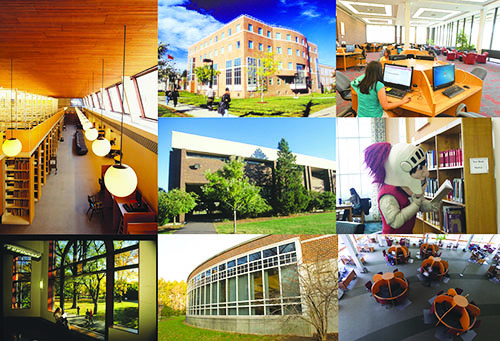
    In response to user request and with one-year pilot funding from the New Brunswick Chancellor, the New Brunswick Libraries are launching 24/5 hours in two locations starting on October 10. Kilmer Library and parts of the first floor and basement level in Alex will be open overnight Sunday – Thursday. That means those libraries will open for their regular Sunday operations and remain open through regular closing time on Friday nights. 24/5 hours will operate during the fall and spring semesters including reading days and finals, excluding university holidays and intersession periods.

    Overnight operations will support student study in quiet, collaborative, and group environments. OIT and Libraries computers will also be available. Library student workers will be onsite until 2 a.m., providing some circulation services, but from 2 a.m.–8 a.m., the spaces will be monitored by Rutgers University Police Department security staff and no library services will be available. Rutgers students and affiliates will have to show a Rutgers ID in order to gain entry to the building from 10 p.m. to 8 a.m.

    Throughout the year we will take hourly headcounts to measure usage and identify patterns. We will also set assessment benchmarks to determine whether the pilot was successful and whether the 24/5 hours should be continued.

    I’m excited to bring this pilot to the students in New Brunswick this fall and look forward to seeing how the spaces are used overnight to support student work, learning, and success!
    Save

  • New Brunswick Libraries Examines Service Points and User Experience

    In the seven library buildings located across New Brunswick, we have more than 15 service points where we provide circulation, reference, and specialized services. These desks are staffed by undergraduate students, graduate student reference/information assistants, and library staff and faculty. We know that each desk serves a different role and that the staff at each desk are trained to answer different questions. But we also know that when users have a question, they are not interested in the differences between the desks functions—they just want help.

    I am leading the Service Points Team, one of the new groups in the New Brunswick Libraries (NBL) organization, as we start examining services points (physical and virtual) across NBL in order to improve the user experience. Potential areas for exploration include hours, staffing, triage, training, and use analysis, as well as determining how physical service points best complement online services including live chat and Ask a Librarian.

    To start our work, the team hosted a series of forums for the NBL staff and faculty during the spring semester. The forums were designed to bring together all of the people who work at the various service points to talk about what works in our current environment and to identify areas where there are opportunities for improvement. The team also gathered feedback online from student workers and those who were unable to attend a forum in person. More than 50 people participated and provided input.

    Participants were asked to respond to these three questions:

    • When thinking about the service points in the New Brunswick Libraries, what barriers or challenges do you think our users encounter?
    • What do you think works well in our current service desk environment?
    • From the patron’s point of view, describe an enjoyable/satisfying experience at a library service point.

    Service Points Team members took notes during the rich and engaging conversations. We coded more than 400 comments and identified themes that emerged across the sessions. The team will also review the themes identified here along with the LibQUAL survey results, paying particular attention to the general satisfaction, policies, reference, spaces, and staff comments and the “affect of service” ratings to set goals for their work in the coming year.

    The full summary from the Service Points Forum will be discussed at the upcoming NBL ALL meetings, and then shared widely across the organization. Generally speaking, we believe our staff and faculty working at service points are our greatest assets—they are friendly, knowledgeable, and helpful. We provide a wide range of services through a variety of delivery methods and have experts available to refer specialized questions. However, the number and variety of service points is confusing to our users. They must often visit more than one desk to get the help they need. They have trouble navigating between our desks, in part because we lack clear and jargon-free signage. And although we have experts available for referral, the refer process itself does not always results in a seamless handoff or escalation.

    Over the next year, the Service Points Team will gather additional information, particularly about usage patterns, and will begin working on projects to address some of the identified challenges. I welcome any feedback or suggestions you have!

  • New Brunswick Libraries Reorganization

    New Brunswick Libraries Reorganization

    NB librariesAfter more than a year of collaborative planning, visioning and modeling, the New Brunswick Libraries have launched our new organizational structure. Three departments—Experience, Learning & Engagement, and Research & Content—were created to focus our efforts, amplify our voices, and align our work more closely with organizational priorities.

    Within the departments, ten teams (listed below) have been tasked with identifying opportunities for shared work and setting goals. All teams include faculty and staff in an effort to create a sense of shared purpose and to improve communication. The teams will focus on local needs but will also coordinate work with other Libraries units, committees and groups to ensure we are working effectively within and across the system.

    Departments and Teams

    Experience Department (Melissa Just, department head)

    • Service Points Team

    Learning & Engagement Department (Melissa Gasparotto, department head)

    • Instruction & Information Literacy Team
    • Undergraduate Experience Team
    • Global Experience Team

    Research & Content Department (Ryan Womack, department head)

    • Content Team
    • Graduate and Faculty Services Team
    • Research Collaborations Team
    • Research Data Outreach Team
    • Scholarly Communication & Open Access Team
    • Research Spaces Team

    The New Brunswick Libraries Steering Team sets the overall priorities for the unit and facilitates communication across departments and teams. Membership includes the NBL director, the department heads, the chair of the NBL faculty (Karen Hartman) and a staff representative (Meghan Lord). Two immediate projects of the steering team include setting up NBL ALL meetings to launch the work of the teams, and identifying a mechanism for sharing documents, progress reports and other information.

    Stay tuned for future Agenda articles from NBL departments and teams as our work gets underway!