Author: Judit Hajnal Ward

  • Summer Tales Book Club in New Brunswick hosts renowned authors

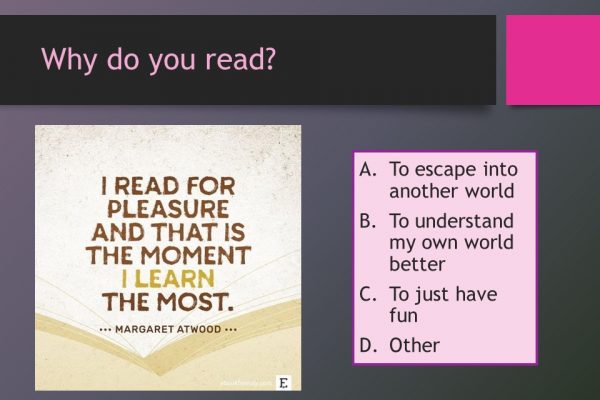
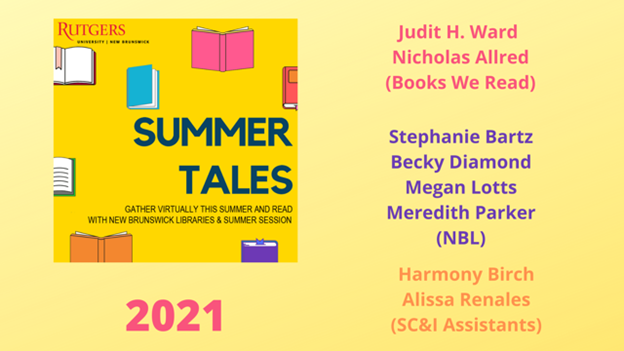
    In the summer of 2021, for the second time, the Summer Tales Book Club gathered students virtually in Rutgers-New Brunswick to take short mental breaks from their summer session studies.  #SummerTales is a three-month long program first offered online in the summer of 2020 and renewed in 2021. As a virtual reading club, it focuses on reading poems and short stories and discussing them in a forum with fellow students enrolled in summer courses.

    Designed from the start as “born virtual,” so to speak, the non-credit course was delivered in Canvas from June 1 to August 18. While in 2020 the program focused on an ongoing discussion of three short stories, this summer, in response to a renewed interest in poetry, four poems were offered in addition to two new short stories. A group of New Brunswick librarians and graduate students teamed up to facilitate the discussions.

    In addition to the benefits from an instant online community, the exposure to Rutgers Librarie

    In the summer of 2021, for the second time, the Summer Tales Book Club gathered students virtually in Rutgers-New Brunswick to take short mental breaks from their summer session studies.  #SummerTales is a three-month long program first offered online in the summer of 2020 and renewed in 2021. As a virtual reading club, it focuses on reading poems and short stories and discussing them in a forum with fellow students enrolled in summer courses.

    Designed from the start as “born virtual,” so to speak, the non-credit course was delivered in Canvas from June 1 to August 18. While in 2020 the program focused on an ongoing discussion of three short stories, this summer, in response to a renewed interest in poetry, four poems were offered in addition to two new short stories. A group of New Brunswick librarians and graduate students teamed up to facilitate the discussions.

    In addition to the benefits from an instant online community, the exposure to Rutgers Libraries via supplementary material from RUL also empowered students with valuable library research skills. During the summer they became more familiar with many resources and services the Libraries offer remotely, including finding additional reading material with QuickSearch, using LibGuides, and finding research help.

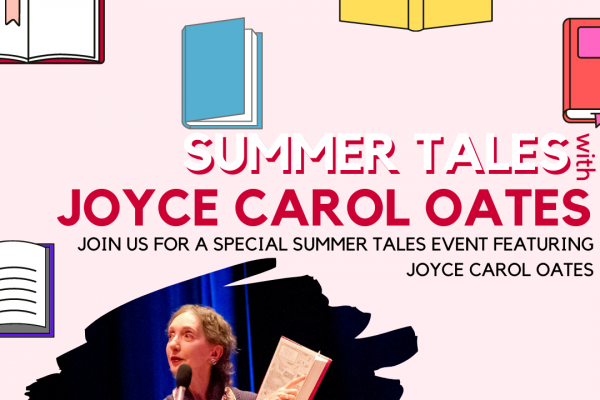
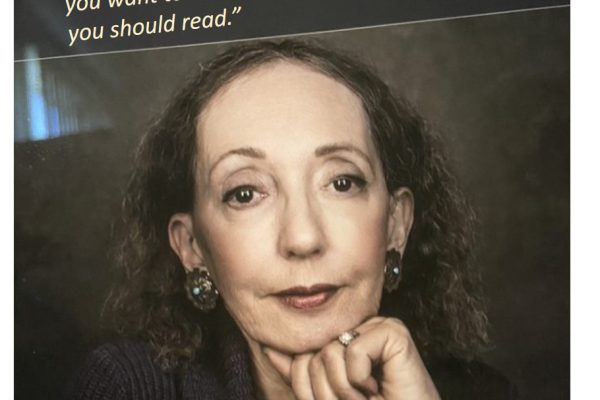
    Among the various live events, two guest authors visited Summer Tales virtually. After an inspiring  conversation with Joyce Carol Oates in 2020, this summer authors Carmen Maria Machado and Natalie Díaz were the guests for an hour-long conversation each. Open to the public, the two well-attended  events were moderated by graduate specialist Nicholas Allred, PhD candidate at the English Department, based on questions submitted by participants upon registration.

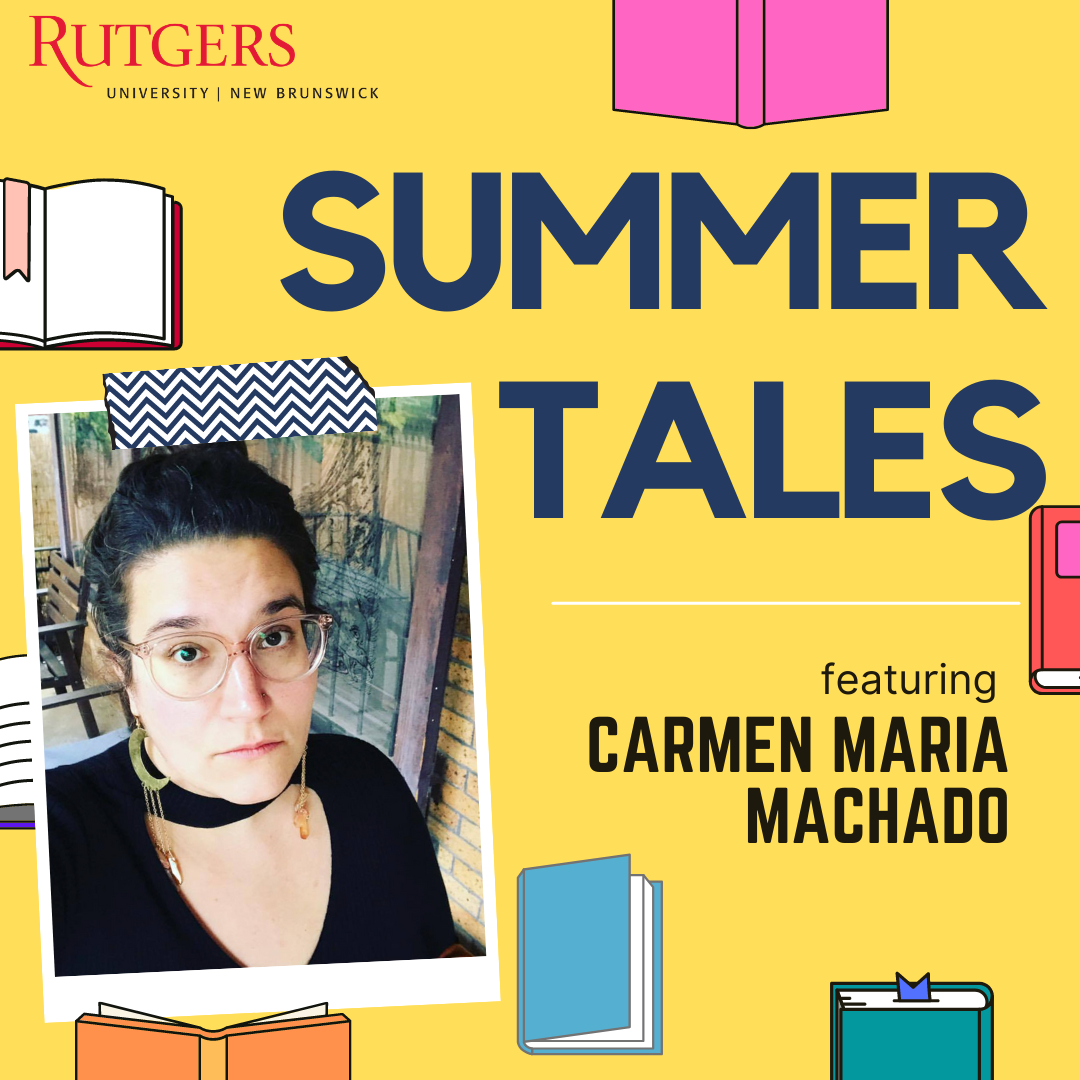
    Our guest on June 23, Carmen Maria Machado, is an American short story author and essayist. She is the author of two books: Her Body and Other Parties, a short story collection, and In the Dream House, a memoir on her experience in an abusive queer relationship, published in 2019. In Summer Tales, leading up to Machado’s talk, students read and discussed “Eight Bites” from Her Body and Other Parties, a short story about a woman who struggles with her body image and eventually undergoes gastric bypass surgery. Students were most fascinated by the relationships in the main character’s life. Machado gave insight during the event about the mother-daughter relationship at play and the chorus role of the narrator’s sisters. She also spoke about bodily transformation and her personal relationship to the story.

    The second open session discussed poetry with Natalie Díaz as our guest on July 14th. Born and raised in the Fort Mojave Indian Village in Needles, California, she is an enrolled member of the Gila River Indian Tribe. Most recently, she is the 2021 winner of the Pulitzer Prize for Poetry for Postcolonial Love Poem. Díaz’s work focuses on the intersection of identity, language, and the impact of these ideas on the individual. The Summer Tales discussion of Díaz’s “My Brother at 3 A.M.” from her book of poetry When My Brother Was an Aztec has centered around form and language, two aspects of poetry which are of particular importance to the poet. The one-hour conversation was based on four poems read by Díaz––”My Brother at 3 A.M.,” “Why I Hate Raisins,” “Manhattan is a Lenape Word,” and “Run and Gun”––as well as questions submitted by over 380 registrants. Natalie Díaz has very generously allowed us to share our conversation with her online.  Two ASL interpreters were present, switching off at 15-minute intervals, at both events.

    Other than reading, Summer Tales also encourages creativity in all areas. The Summer Tales Creative Contest produced some exceptional results, such as Aaradhana Natarajan’s essay on Joyce Carol Oates last year. This year’s best works showed an incredible connection with the text, such as a book talk video by Harmony Birch on one of the short stories, or proved an extremely creative use of resources, as in the 3D image created by Alissa Renales. Both Harmony and Alissa also participated in the program as SC&I student assistants.

    A collaboration between New Brunswick Libraries and the Division of Continuing Studies, Summer Tales Book Club was brought to you by Books We Read, which was launched by Judit Ward as a pilot recreational reading initiative in the physical Chang Science Library in Summer 2019. The pages are hosted on the Rutgers WordPress site–– viewed 10,465 times since its inception––featuring blog posts written by librarians and students affiliated with the program. In addition to checking out the LibGuides Summer Tales 2020, Summer Tales 2021, and Poetry, everyone is invited to read some of the Summer Tales-related posts.
    -Submitted by Judit Ward and Nicholas Allred
    Harmony Birch and Alissa Renales also contributed to the article
  • Responsibility Grows in the Garden State

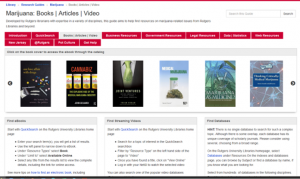
    A new Marijuana Research Guide from Rutgers librarians is ready to help researchers, students, and the public after legalization.

    A new Marijuana Research Guide from Rutgers librarians is ready to help researchers, students, and the public after legalization.

    The moment the news came in that New Jersey voters opted for the legalization of recreational marijuana, a new research guide seemed reasonable and necessary. Based on my previous experience and information collected earlier for a potential guide, I invited two colleagues to create a Rutgers Libraries guide to resources on marijuana-related issues. The guide is intended for Rutgers faculty, staff, and students, as well as for the public.

    Government resources librarian Stephanie Bartz selected relevant sources from the federal and state governments, complementing the collection with international resources. Becky Diamond, New Brunswick Libraries business librarian, added business resources, such as industry and company information, market research, and related databases. They both also contributed to other tabs such as data and statistics, New Jersey resources and services, and Rutgers resources. The legal resources tab benefits from the expertise of the Newark Law Library, with law librarian Rebecca Kunkel as partner. Book recommendations also came from Nicholas Allred, Graduate Specialist for the Chang Library’s Books We Read.

    The Marijuana Research Guide will remain a work in progress for a while, as the State of New Jersey works out the nuts and bolts of the complex procedure post-legalization. Updates will be included in several areas as we go.

    Read more in the blog post from Books We Read. Comments and suggestions are welcome.

  • Banned Books Week in New Brunswick

    By Judit H. Ward and Nicholas Allred

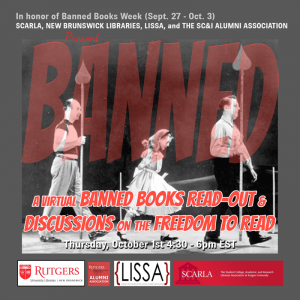
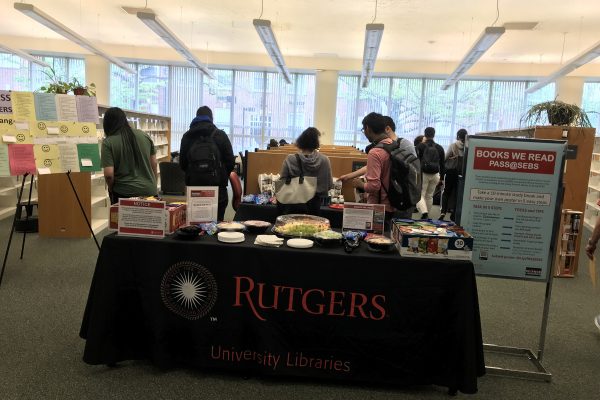
    New Brunswick Libraries partnered with the Student College, Academic, and Research Libraries Association (SCARLA), the Library and Information Science Student Association (LISSA), and the SC&I Alumni Association to host an online Banned Books Week event on October 1, 2020. The engaging event called Banned: a virtual read-out and discussion on the freedom to read featured read-outs of banned books from students and faculty, flash talks from SC&I and NBL faculty, a zine workshop, and trivia from LISSA. The 90-minute student-hosted event was extremely well received. It managed to connect a variety of audiences across Rutgers fostering a greater sense of community through sharing personal narratives and experiences. See a sample list of Banned Books we read at the event.

    The Books We Read team at Chang also documented the event with a page dedicated to Banned Books Week 2020, complemented with a collection of short essays inspired by the flash talks. In the Introduction to Banned Books Graduate Specialist Nicholas Allred poses the ultimate question “Why study censorship?” His perspective, based on his main interest in British literature, suggests that censorship can often provide a window into the anxieties of the censoring authorities. As an example, he mentions George Orwell’s Animal Farm, banned in the Soviet bloc, “because the allegory of a barnyard revolution hijacked by a regime of self-serving pigs who hollow out its utopian promises hit too close to home.”

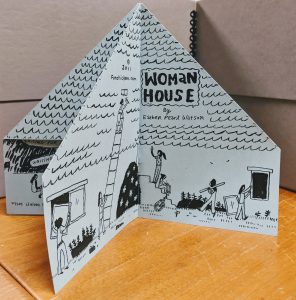
    Censorship has also shaped publishing and literary history, lending a thrill of the forbidden to challenged works and spurring DIY publication tactics like zines, the topic of Art Librarian Megan Lotts’ presentation entitled What is a Zine? In her definition, zines represent a unique subculture which has emerged around making and collecting as a powerful tool representing creative, low-cost, DIY means of self-expression and idea sharing. She recommended exploring zines in libraries not only as a creative way to learn about visual culture, open-access, visual literacy, and information but also as an engaging and non-threatening way to talk about issues around cultural appropriation, cultural sensitivity, and inclusivity.
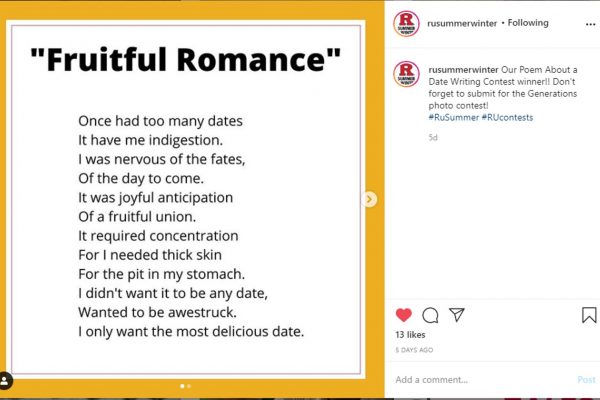
    The Banned Books Week event also reminds us of what we have to lose. A flash talk by science librarian Judit Ward What is Samizdat? highlighted this term from the Cold War, referring to the underground publication and circulation of articles or books with political views in stark contrast to the party line. Samizdat editions were books that covered current political topics, written by foreign authors with political content, or new publications of blacklisted authors. Forbidden to publish, read, and circulate, these titles taught generations to reflect and read between lines for ever.

    “Censorship succeeds when no one talks about it”––NBL Special Projects Librarian and SC&I lecturer Nancy Kranich emphasized the importance of celebrating Banned Books Week in her flash talk entitled Ban No More. Focusing on the role of libraries and librarians, she also suggested that more banning would occur without librarians, teachers, journalists and others speaking out to defend the freedom to read. Although books in libraries are constantly challenged, i.e., someone tries to remove or restrict them based on their content, library policies and practices can ensure that (unlike during the Cold War in the Eastern Bloc) the freedom to read will prevail as one of the most basic freedoms of democracy.

    A large portion of challenged titles belongs to a genre called Young Adult (YA) literature. Challenged for their difficult topics related to gender, mental health, violence, or racism to protect the readers dealing with these problems in their everyday lives, many of these Banned Bestsellers can actually function conversely and assist processing the issue at hand instead, as suggested by Julie Rossano, Books We Read team member and graduate student in the course taught by Marc Aronson at SC&I.

    Banning books has been a long practice as a form of censorship for a great variety of reasons. Spearheaded by the American Library Association, Banned Books Week (September 27 – October 3, 2020) is an annual event celebrating the freedom to read. The Office for Intellectual Freedom (OIF) compiles lists of challenged books based on reports received from libraries, schools, and the media on attempts to ban books in the United States.


  • Creating Virtual Intellectual Communities with Summer Tales

    by Nicholas Allred, Jennifer Coffman, Judit Ward

    With much of campus life and instruction set to become virtual this fall, libraries as well as the rest of the university are figuring out how to offer rewarding programming and instruction over digital platforms. Books can be picked up, databases accessed remotely, but how does one create the sense of an intellectual community in a way that’s not only socially distant, but suitable for an online platform? How can we host events and programs that aren’t just pale imitations of in-person activities, but are designed from the start around the limitations and possibilities of platforms like Canvas — “born virtual,” so to speak?

    The Summer Tales virtual reading club, a collaboration between New Brunswick Libraries and the Division of Continuing Studies, has explored some of the possibilities this summer. In the 2019-20 academic year — simpler times! — our team at the Chang Science Library (librarian Judit Ward, graduate assistant Jennifer Coffman, and graduate specialist Nicholas Allred) had piloted a recreational reading initiative called Books We Read, a hybrid program encompassing a Books We Read LibGuide and reading suggestions alongside in-person events. Once the pandemic hit in March, we ramped up the online aspect starting with a Books We Read Online LibGuide, highlighting digital collections for pleasure reading and suggesting books for the current moment — from the uncanny relevance of Daniel Defoe’s Journal of a Plague Year to the escapism of contemporary fantasy and Jules Verne’s Around the World in Eighty Days. When the Division of Continuing Studies approached us about implementing a summer reading club, we were eager to put what we had learned into practice.

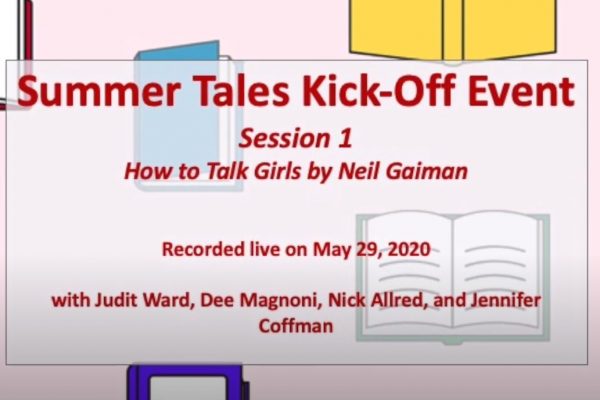
    The core of the Summer Tales program was an ongoing discussion of three short stories: Neil Gaiman’s “How to Talk to Girls at Parties,” F. Scott Fitzgerald’s “Sleeping and Waking,” and Joyce Carol Oates’ “Where Is Here?” The shorter the better, we reasoned: students hungry for more could easily find recommendations from us and from each other, but the main texts would be bite-sized enough for anyone to participate, regardless of busy schedules or reading pace. The texts were chosen for relatability as well. Each dealt with themes likely to be familiar to college students: awkward conversations at parties, late-night existential angst, and the peculiar feeling of returning to one’s childhood home as an adult. We hoped that these texts could be engaging on any number of levels: that they would be easy to talk about and impossible to exhaust.

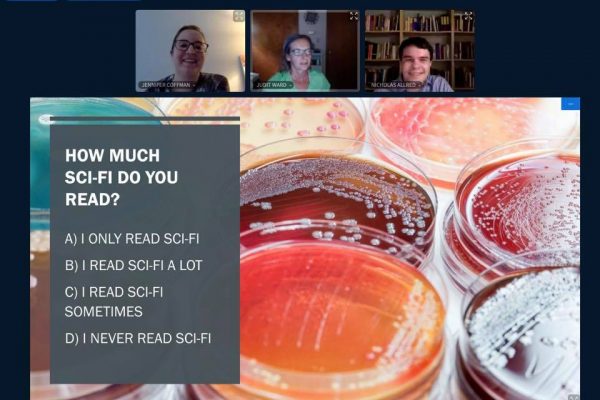
    Discussions would take two forms: a text forum on Canvas with new topics rolled out weekly, and a live video conference session for each story. Students could choose how and how much they wanted to participate. The Canvas site had dozens of participants (56 by the end of the summer), and we soon discovered that different students engaged in different ways: some weighed in regularly on each topic and responded to their peers, while our analytics showed that others who didn’t post were nonetheless avidly following the discussion — a total of 6,150 page views, not counting staff! At first, coming from a teaching paradigm, we wondered what we could do to bring these “lurkers” into the conversation. We came to realize, however, that part of the beauty of this online recreational reading program was the different levels of engagement it could offer. Students who wanted a seminar- or book club-style discussion could enjoy one, while those who simply wanted to read along and listen to the thoughts of their peers could do so without feeling like eavesdroppers. The asynchronous nature of the discussions also worked around busy schedules: students could post whenever they liked, from wherever they liked. No curated Zoom background necessary! The result was often long, thoughtful posts that participants had clearly spent time on in a way that one simply can’t in a synchronous setting.

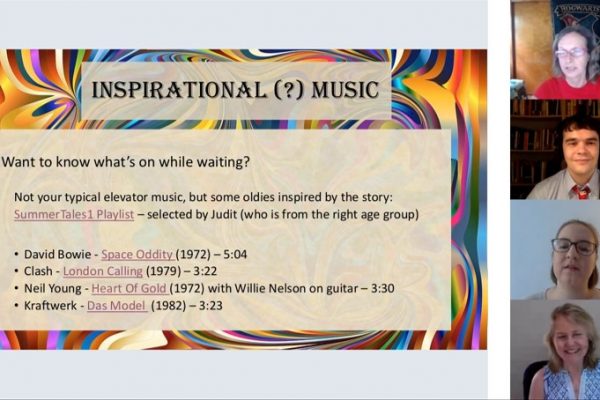
    There’s an immediacy to a live conversation that a forum can’t replicate, of course, and so to satisfy that need we had videoconferences for each story as well. It was difficult to get the same turnout for a specific day and time as we had for our asynchronous forums, but the core group who came were eager to participate (saving us the embarrassment of our fear of having to talk to ourselves)! While these were sometimes small gatherings, our largest event of the summer was a videoconference on our last story — more on that later.

    Students really connected with the stories: many related their own personal experience to the situations that the stories depicted. For instance, the first selection, about an awkward teenage boy who tries to chat up “girls” at a party without realizing that they are in fact aliens, brought up memories of first crushes and adolescent angst. Participants talked about what was similar or different in their own experience of high school: trying (sometimes failing) to impress others while simultaneously coming into one’s own identity by fits and starts. In the live discussion, we pivoted from the fumbling narrator to the “girls” he talks with but fails to understand: how their own experience as aliens trapped in strange and ill-fitting human bodies also captures an aspect of teenage experience.

    The final live event of the summer was, fittingly, a kind of headliner: a conversation with Joyce Carol Oates, one of America’s most acclaimed writers and recently a Visiting Distinguished Professor at Rutgers. The event drew interest befitting Oates’ profile: hundreds of registrations and approximately two hundred attendees. Anticipating the possibility of such high turnout, we made two decisions that proved key to the event’s success. First, we asked attendees to submit their questions for Oates at registration, so that we could collate them and incorporate representative questions into our interview. This way we could be sure to cover the topics of widest interest without the unwieldiness of “calling” on people in an enormous virtual “room” and exposing ourselves to more technical problems. Second, at the suggestion of our partners at the Division of Continuing Studies, we had Oates read an excerpt from the short story we selected for Summer Tales. This proved especially key with so many attendees present who hadn’t been following along all summer: by beginning with the short story and questions about it we were able to let the conversation develop organically from a particular piece of writing to more general thoughts about the craft, without leaving audience members unfamiliar with the story in the dark. Special thanks for making the event a success are due to Jennifer Valera, Krystal-Ann Ladao, and Kylie Corda of the Division of Continuing Studies, as well as Dee Magnoni of New Brunswick Libraries and Carl Sposato for technical support — not to mention Joyce Carol Oates herself!

    All in all, the Summer Tales program helped us learn how to make the lemons of an online-only environment into lemonade. Virtual programming isn’t quite the same as the in-person kind that we’ve come to miss: along with its limitations come distinct opportunities, like the ability to take one’s time crafting responses in an online discussion or the chance to attend a two-hundred-person event and be guaranteed a front-row seat. We look forward to carrying this experience forward in the fall — if you’re looking for a good read then watch this space for Tales We Read!

  • A Project Finds Its Moment: Books We Read, (Virtually) at Chang Science Library

    Like people across the country and the world, many Rutgers students, faculty, and staff now find themselves stuck at home, their normal routines of work and leisure upended by the coronavirus pandemic and efforts to mitigate its spread. Chang Science Library has a prescription for the isolation and anxiety of social distancing: a good book.

    Chang Library’s Books We Read program, begun in the fall of 2019 to promote recreational reading on campus, has retooled and refocused for the present challenge: helping users discover pleasure reading that they can access at home.  A website hosted through sites.rutgers.edu offers guides to ebook and audiobook resources available to the Rutgers community or to the general public as well as reading recommendations and links to other recreational library activities. The first coronavirus-specific initiative within Books We Read was dubbed RUGRAT: Rutgers University Groups Reading Alone Together. A partner initiative, Cook Reads, was targeted specifically at Cook campus staff.

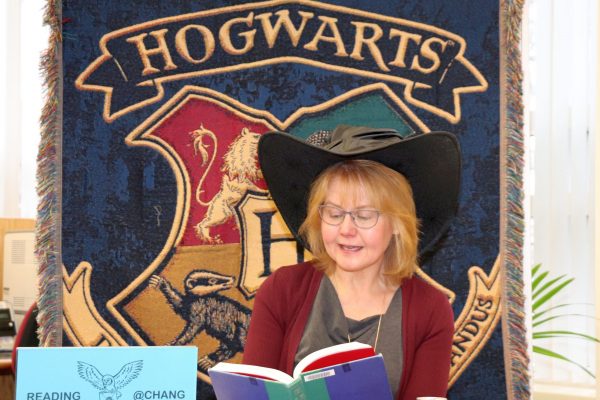
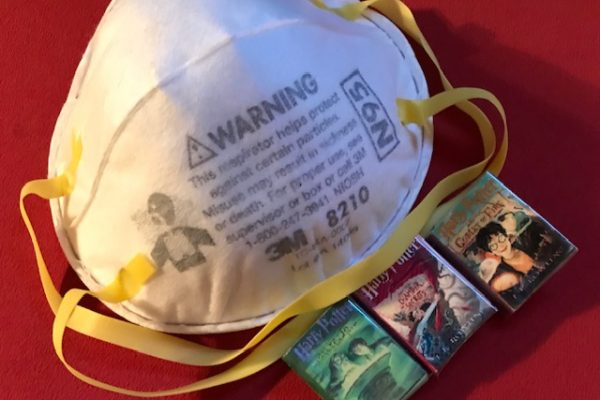
    In the fall of 2019, the Books We Read program officially began with a marathon reading of Harry Potter in Chang Science Library on the Cook Campus, as a partnership among New Brunswick Libraries, the School of Environmental and Biological Sciences, and student groups Rutgers Reads and Muggle Mayhem. The fall semester focused on curating a LibGuide for recreational books available at Rutgers University Libraries and on creating short story discussion sheets for use in recreational reading groups. When the COVID-19 pandemic began threatening campus life, however, the mission to promote recreational reading had to become less reliant on physical spaces and in-person gatherings. A blog post on March 8 marks the beginning of the new initiative, highlighting ebook and audiobook resources available online.

    Shortly after that March 8 post came the project’s first recommended reading list for the pandemic, “Classics for the Coronavirus.” The following weeks have seen more “social distancing” book recommendations, from public health nonfiction for the curious to travel fiction for those feeling cooped up. These recommendations have tried to balance the different motivations people may have for reading at the current time by including texts that deal with disease or isolation as well as texts that allow for a few hours’ escape from reality. After all, reading has traditionally offered guidance, reassurance, or space to process events as well as a way to forget one’s troubles.

    Statistics from our similar initiative at the Rutgers Center of Alcohol Studies Library called R4R @ Rutgers: Reading for Recovery, funded by an ALA Carnegie-Whitney grant in 2015–2016, indicated the possible applications of guided reading in difficult times. Books We Read draws on this experience while scaling up from the specific issues around addiction and recovery to the wide range of needs people may have in a global pandemic. Whatever Rutgers community members are looking for in a book, the Books We Read site aims to help them find it.

    Responding to the popular demand how to find a particular ebook or newspaper article, and wary of the random, dubious ebook download recommendations popping up on Rutgers-related social media and mailing lists, we added a few pages on how to find electronic resources from RUL with a Net ID. Highlighting ebook resources allowed us to showcase the comprehensive LibGuide to electronic resources, while a happy accident prompted us to add a guide to newspaper access.

    The same demand inspired us to incorporate media outside of books, increasing the visibility of the remote resources that Rutgers has to offer for both instruction and fun. Patrons may be surprised to hear that Rutgers allows remote access to some video resources; the site explains how to find them and offers some public health documentary recommendations. No matter the platform, the Books We Read project equips patrons with library resources and empowers them to ask for help.

    Patrons with an artistic flair (or who simply want to stop reading books for a moment and start drawing in them!) are connected through the Books We Read site to Rutgers’ Color Our Collections page, a project of Special Collections and University Archives (SCUA) that allows people to print out and color a curated set of images from the library’s holdings. Coloring archival images and making buttons or magnets from them has been a crowd favorite at in-person library events, and the online link allows users to enjoy the activity from the comfort of their own homes. In addition to fun and recreation, the site also connects users with potential archival resources for remote learning: a new page recommending SCUA resources links readers to the SEBS-specific installment in SCUA’s Archives at Home series, including a video interview.

    A robust social media presence has helped amplify the program’s impact, reaching out on widely used platforms in order to guide and inform online library users adjusting to remote instruction and research. The School of Environmental and Biological Science Office of Communications and Marketing has been instrumental in promoting the site, helping to drive nearly four thousand pageviews and counting in the past month or so of online-only operation.

    Books We Read has proven a successful tool to promote libraries while building connections and communities. Rutgers University Groups Reading Alone Together, in addition to a silly acronym (RUGRAT), captures the paradoxical promise of reading at a time like this: reading is one of the oldest and most effective ways to be alone without feeling alone. The Books We Read program maintains that even without a physical space to gather, the library can still offer, in addition to continuing support for remote learning and research, the simple solace of a good book. Visit us at go.rutgers.edu/booksweread.

    Nicholas Allred and Judit H. Ward

  • Harry Potter, Books We Read, Science Café – What’s Cooking at Chang?

    The fall 2019 semester has brought literature, science, and even a little magic to the Stephen and Lucy Chang Library on Cook Campus.

    In course papers on redesigning the Chang Science Library submitted for the Landscape Architecture course in 2018, students expressed their strong interest in events at the library that are “educational, entertaining, and competitive.” Inspired also by the revelation that Rutgers students not only read for fun, but enjoy a wide variety of genres and topics, the Chang Science Library took the challenge to meet the interests and expectations of the Rutgers community today.

    In the summer of 2019, we developed a group of new programs to promote recreational reading at the library under an umbrella initiative called Books We Read. The idea originated from library sessions in spring 2019 taught as part of a SEBS course called Portals to Academic Success (PASS), where students were tasked to find one of their favorite books in QuickSearch and, using a template, create a poster including the book’s title, its availability at the Libraries, an image, and the proper citation. A select group of posters were displayed at Chang Library after the course, but when students asked for a virtual home for the posters the Books We Read website was born. Galleries of these posters are still available on the site as examples of peer-to-peer book recommendations.

    Books We Read is exactly what the name suggests: an initiative to promote, highlight, and build communities around reading for pleasure at Rutgers. Hosted on the brand new Rutgers WordPress site, the Books We Read website aims to facilitate non-required reading through book suggestions from students for other students. It also links to a curated lists of books available at Rutgers Libraries in a LibGuide, updated frequently. The browsable collection showcasing books in American literature and recreational reading also includes titles for ESL (English as a Second Language) readers.

    Led by Nick Allred (MSt., Oxford), PhD candidate at the Rutgers English Department and Graduate Specialist at New Brunswick Libraries, a weekly short-fiction reading group has begun meeting on Wednesdays at Chang Science Library in the Fall semester to promote reading for fun. Students are invited to join as often as they like, and no preparation is required as we will be reading the pieces in session. Advertised as “like SPEED-DATING THE LIBRARY STACKS”, the program will allow students to encounter writers from classic to contemporary, discuss the experience with friends, and maybe even start a fling with a new favorite author or genre.

    The reading program, along with the web site, wishes to create a sustainable model of reading for pleasure individually or in a group setting, using the Libraries’ collection. It intends to connect students with library resources, while helping them learn about library research for their school assignments. By providing tips and resources, the sessions and the web site also empower students to create book clubs or reading groups of their own.

    The kick-off event on Tuesday, September 17 revolved around one of the most beloved recreational reads on Rutgers (or any) campus: J.K. Rowling’s Harry Potter series. SEBS faculty and students volunteered to read Harry Potter and the Sorcerer’s Stone aloud in shifts throughout the day, all while enjoying Harry Potter-themed outfits, activities, food, drinks (butterbeer, anyone?), and goodies. Over 30 readers participated, split evenly between faculty and students – the latter drawn largely from two dedicated student groups, READ, the Rutgers University Book Club and Muggle Mayhem (the Rutgers Chapter of Harry Potter Alliance). The competition aspect of the event involved Harry Potter trivia and spells managed by students and an international component to identify languages of book covers from the international editions. Thanks to art librarian Megan Lotts and archivist Tara Maharjan, participants also got a chance to make buttons and color in unusual (or magical!) archival images scanned from special collections.

    The event was extremely well received on the Cook Campus and the Libraries and SEBS social media. The success is based on Chang’s central location on campus and partnerships previously established with the SEBS Office of Academic Affairs and the SEBS International Office. The two new student group partners hopefully will strengthen ties with pleasure readers on other campuses.

    Another new initiative also shows a great promise for all parties. On September 18, the first Science Café was held at the Chang Science Library. A popular event on the Cook Campus, the Science Café series invites experts and laypeople to have coffee and chat about important issues in science. The successful event, entitled “Why We Need Pest Management”, will be followed by two more: on October 24, Oscar Schofield will discuss “Why Rutgers is Building a Global Ocean Observing a System and it is COOL!” and on November 14, Donna Fennell and Kevin Dixon will talk about how “Microbes are in the Atmosphere!”, both from 10 am to 11 am.


  • Strengthening Ties on Campus: Events in the Chang Science Library – Spring 2019

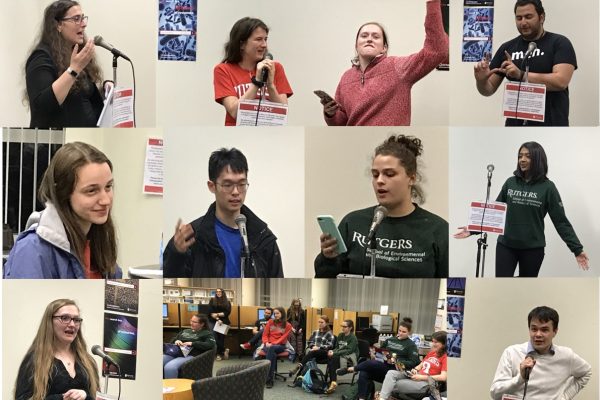
    • Students perform at the open mic night.

    The Chang Science Library hosted exciting events in the Spring ’19 semester. Partnering with University Career Services (UCS) for the current academic year, the library replaced Martin Hall as a location for the popular Career Meet-Ups and weekly Drop-in Resume Critique Hours on the Cook campus in both semesters. Students were lining up in front of the newly minted Chang Consultation Room Tuesday afternoons to benefit from experienced career development specialist Larry Jacobs, who represents the UCS Food & Agriculture and Environmental & Natural Resources Career Cluster.

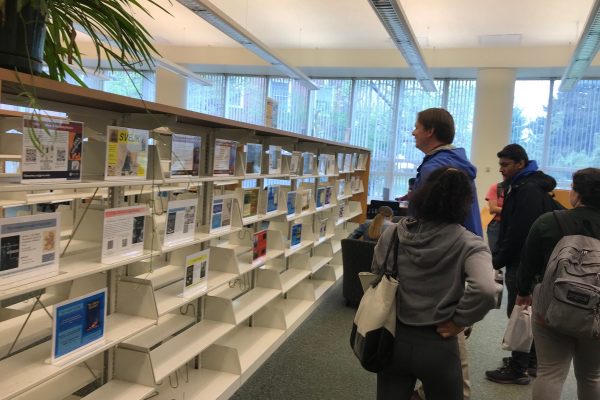
    A remarkable poster exhibit evolved from a new partnership between the NBL SEBS Team and the SEBS Office of Academic Programs, which had started with an experiment to include a library component in the course Academic Mentoring in the fall semester. In April, undergraduate students of another course, Portals to Academic Success, visited the library to take pride in their work submitted during the library session of their class. Dubbed Books We Read, the assignment called for finding their favorite book in QuickSearch and, based on templates provided by the librarian-instructor, creating a poster with basic bibliographic information and availability at the Libraries. Complemented with images and quotes from the book or by other authors (and proper credits), over 100 small posters are now on display in the Chang Science Library.

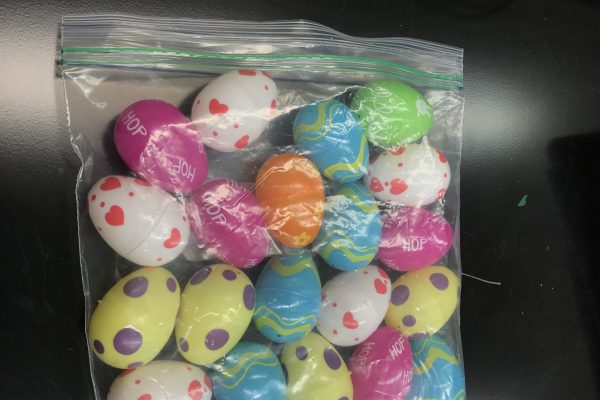
    Striving to balance schoolwork and pleasure, the library also hosted fun events. Indicating another strong partnership on campus started in 2018, Chang was chosen as one of the locations (with RUL goodies) for the Cook Campus Easter Egg Hunt hosted by the SEBS International Office, which added some diversion from the special SEBS international orientations and workshops held earlier.

    A new partner in the spring semester, the SEBS Governing Council brought new excitement to the library. As only a few people signed up in advance, the Open Mic and Rutgers Roast event seemed to get a bumpy start, but turned out to be a huge success. A talented student opened it with his hilarious stand-up comedy routine, roasting Rutgers only mildly. It was followed by a poem recital and some personal stories from the audience, which put everyone at ease. Two undergrads ran Vine prompts, which encouraged participation from everyone, even if some, admittedly, felt suddenly old! Photos can attest that the 25+ attendees had a fantastic time and the idea may have some followers in other libraries in the future.

    These events are examples of an attempt at Chang to meet students’ needs and wishes discovered by undergraduates of the course Social and Cultural Aspects of Design in Spring ’18. Taught by Laura Lawson, professor and dean, and Holly Nelson, associate professor of practice, the semester-long class assignment assessed and redesigned the Chang Science Library. Students’ data collection and analyses suggest that students would like libraries to become a place that provides educational, entertaining, and competitive events and opportunities for them during their studies.

  • Books That Heal: Reading for Recovery Project completed

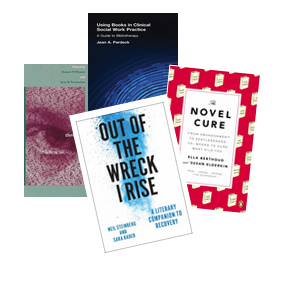
    Some of the titles highlighted on the R4R @ Rutgers Libguide.

    In December, the Center of Alcohol Studies Library completed Reading for Recovery (R4R), a two-year ALA-funded project. Judit H. Ward formerly of CAS Library and now Reference & Instruction librarian at LSM was Principal Investigator for the project. The central hub of the project deliverable is already available at: http://libguides.rutgers.edu/R4R. Here, she describes the project and explains what information is available on the libguide.


    As traditional gatekeepers of alcohol literature in the oldest institution related to substance abuse in the United States, the Rutgers Center of Alcohol Studies (CAS) Library applied for this grant with a noble ambition in mind: they wished to connect those affected by addiction to helpful and inspiring books by developing an authoritative and easily accessible resource for bibliotherapy, clinical practice, and education.

    In its modern application, bibliotherapy has been used to treat a variety of disorders, including insomnia, anxiety, obsessive compulsive disorder, and addiction, and it has shown promise for use by both children and adults. Moreover, there is great variety in how bibliotherapy is performed, with some readers working directly under the supervision of their doctor or counselor, while others choose to pursue an entirely self-directed course of treatment. R4R also endorses book clubs that are organized or supported by public libraries, providing ample resources on how to lead book discussions.

    Based on the established selection criteria, R4R has accomplished its primary goal of providing discoverability of titles hidden on the shelves of public libraries for potential readers. The three different R4R platforms, LibGuides, LibraryThing, and Goodreads, provide an opportunity to fill the gap between the selected titles and their readers and to reach as broad an audience as possible.

    A Guide to the Information in R4R @ Rutgers: Reading for Recovery Libguide:

    Three tabs address the three main user groups (i.e., librarians, addiction professionals, and readers in general). Each tab contains several subpages available via pull down menus. Content was collected and organized throughout the entire project for these tabs, covering all areas the project intended in its directives.

    Besides promoting bibliotherapy resources and providing book lists, a popular feature at the Libraries’ State of the Libraries poster display and other conference displays is the collection of supplementary materials, such as word documents, .pdf files, templates, and links to resources that could make the daily work of a public librarian easier. These are in the For Librarians section, under the title Download & Share. At the suggestion of our public librarian member, the R4R team put together its own collection of discussion sheets, bookmarks, and fliers to facilitate book clubs and reading books solo, in addition to collecting and sharing similar resources from other public libraries and publishers.

    Under the For Addiction Professionals tab, a page highlights current information on scholarly resources. In addition to books, recent scholarly articles are also showcased. Material related to twelve step programs are also included, with credits to Alcoholics Anonymous where appropriate. Promoting bibliotherapy for addiction with the help of the appropriate books, training options, and media coverage, this section guides those wishing to turn their personal experience with addiction for the benefit of others via training to become counselors, a significant potential user group in our experience.

    The needs of R4R’s main but hard-to-reach audience are addressed on the For Readers pages detailing the potential benefits of bibliotherapy. The pulldown menu provides select material, organized by genre or audience, with a widget linking to the broader LibraryThing and Goodreads pages for further browsing.

    Conclusion:

    As explained in the final report to ALA, it is fitting that the ALA Carnegie-Whitney Grant supported the final project undertaken by the Center of Alcohol Studies Library. It was a grant from the Carnegie Corporation in 1938 that funded the original project designed to index and organize the entirety of scientific alcohol literature, known as the Classified Abstract Archive of the Alcohol Literature (CAAAL). CAAAL would later serve as a foundation of the institution that would become the Center of Alcohol Studies. Taking inspiration from CAS founders E. M. Jellinek and Mark Keller, broad thinkers instrumental in the design and structure of both the CAAAL project and the CAS, the Reading for Recovery (R4R) project extends this spirit, spanning broader literary, cultural, and philosophical arenas in order to reach populations most vulnerable to substance use.


    Save

    Save

  • Predatory Publishing: Rutgers Alcohol Library in Conversation with Jeffrey Beall

    crocFaculty are inundated with email invitations to publish in scholarly journals or to serve on their editorial boards. Many of these solicitations are completely valid, but an increasing number of these journals are engaging in predatory publishing practices.

    Predatory publishing, a term coined by Jeffrey Beall, a librarian and associate professor at the University of Colorado, Denver, is an unwanted and undesirable side effect of the open access movement and Beall has become widely known as the “go-to guy” when it comes to checking the validity, authenticity, or value of these invitations.

    Beall maintains several resources that are great tools for promotion boards, hiring committees, and, as it turns out, librarians. The renowned Beall’s List of predatory publishers lists “potential, possible, or probable predatory scholarly Open-access publishers,” on his Scholarly Open access blog. Additionally, Beall maintains a list of standalone journals and a list of criteria—covering everything from editors, staff, and business management to transparency, integrity, journal standards, and publishing practices—for identifying predatory Open-access publishers.

    The Rutgers Center of Alcohol Studies (CAS) has been a frequent users of Beall’s list, since nationally and internationally recognized researchers at the Center are primary targets of invitations to participate in scholarly communication in various ways. Addiction science has been experiencing an influx of new journals and conferences, akin to health sciences.

    Judit Ward and William Bejarano have been monitoring this trend in the field at CAS and had the opportunity to interview Beall at the annual conference of the Substance Abuse Librarians & Information Specialists and the Association of Mental Health Librarians in May 2016 in Denver.

    In the July issue of The Agenda, we invited you to read part one of this interview in the Center of Alcohol Studies Information Services Newsletter, in which Beall explains how he became involved in the growing area of predatory publishing, discusses the most vulnerable groups in academia, and gives an update of the current situation. Part two, focusing on topics of greater interest for librarians, is now available in SALIS News. Beall advocates for educating users about not only predatory publishing, but also the various forms of open access and publishing standards, so that they can avoid the traps of predatory publishers.

    – RU Alcohol Library


    Save

    Save