Author: Irina Radeva

  • Disaster Planning and Recovery Workshop: Part 2

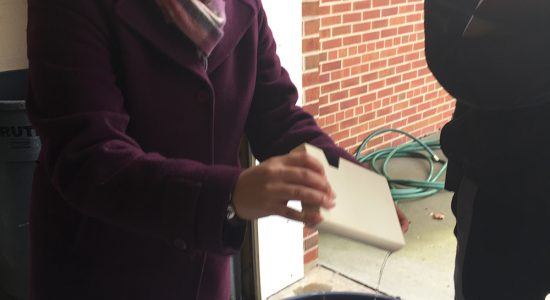
    • Tom Clareson demonstrates how to dry photos using fishing line. (All photos credit: Irina Radeva.)

    On November 30, Anthony Timek and I attended the final session of a two-part Disaster Planning and Recovery Workshop sponsored by the New Jersey Cultural Alliance for Response (NJCAR), of which Rutgers is a member institution. You can read my report on the first part of the workshop in the November issue of the Agenda.

    This session was held at the Wall Township Police Headquarters and focused on recovery. Presenter Tom Clareson, senior consultant for digital and preservation services at LYRASIS, covered the stages of disaster, with a particular focus on the last three:

    • Planning
    • Mitigation
    • Immediate Response
    • Recovery
    • Long-Term Recovery

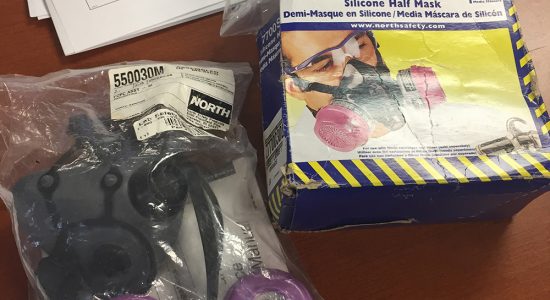
    In the first part of the day, we learned about creating a comprehensive communication plan, appointing a recovery team, formulating salvage priorities, and assigning duties. The second part of the day consisted of an indoor demonstration by Clareson of how to treat waterlogged items. Afterwards, the group went outside and we plunged our hands into freezing water in an attempt to recover wet books, periodicals, microfilm, VHS tapes, DVDs, and more. At one point we even had an entire microfilm unspooled and drying in the cold November wind. Overall, the exercise was very valuable, especially for those who were lucky enough not to have experienced a water emergency in their facility.

    One significant takeaway from the workshop was for each institution to establish a relationship with first responders ahead of a disaster and familiarize them with the building and the disaster plan. Another was to create partnerships with similar institutions who may be able to assist each other during and after a disaster. In the spirit of the latter, Rutgers University Libraries shared our Water Emergency Presentation and Mold Identification Tutorial with the New Jersey State Library, who posted the materials on their website along with similar resources on disaster planning and preservation. Check out an article about this workshop on the NJ State Library’s website here.
  • Disaster Planning and Recovery Workshop Report

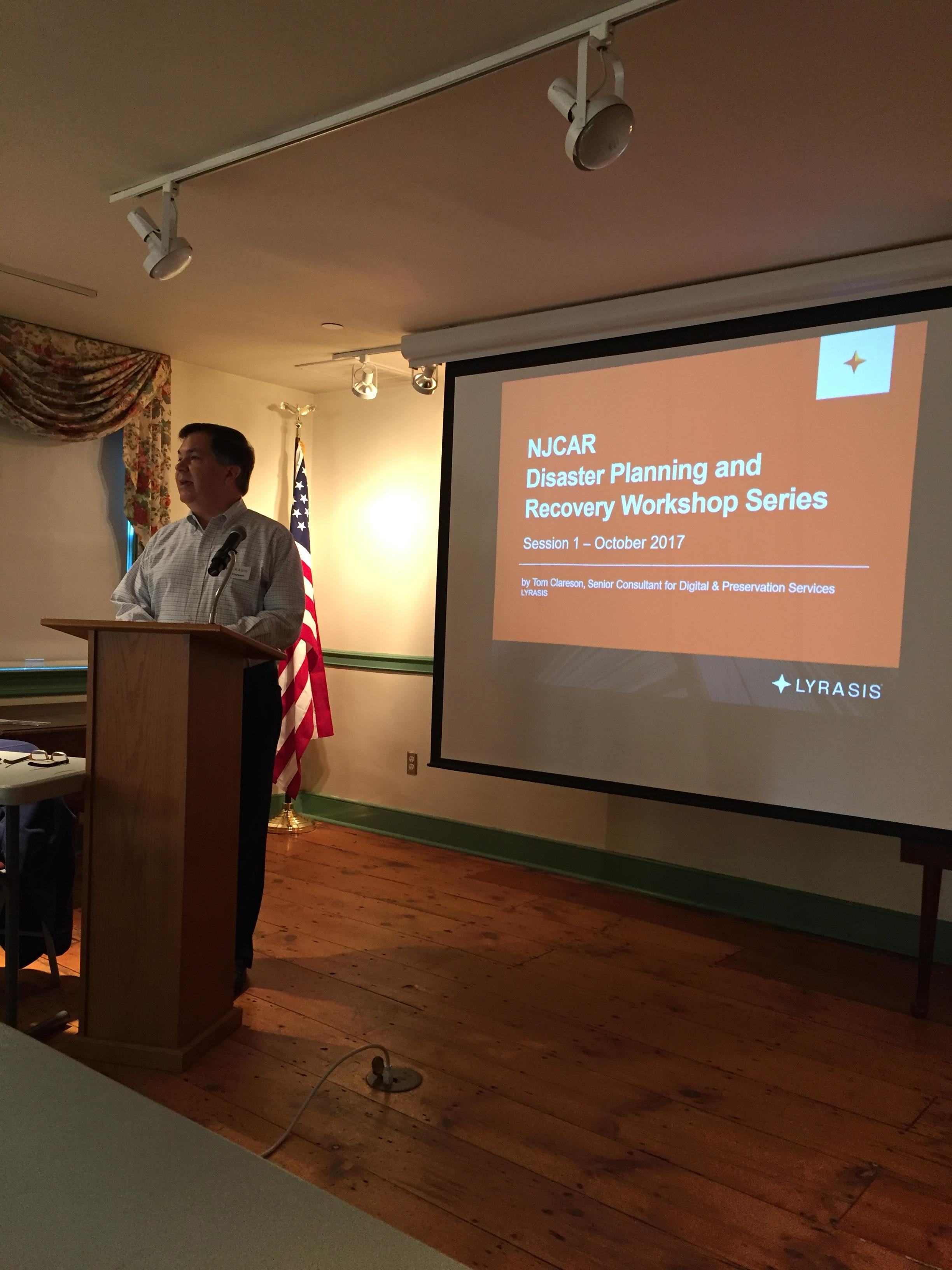
    Tom Clareson, senior consultant for digital and preservation services at LYRASIS, presents at the Disaster Planning and Recovery Workshop.
    Tom Clareson, senior consultant for digital and preservation services at LYRASIS, presents at the Disaster Planning and Recovery Workshop.

    On October 17, Anthony Timek and I attended part one of a two-part Disaster Planning and Recovery Workshop sponsored by the New Jersey Cultural Alliance for Response (NJCAR). NJCAR is a new alliance that is comprised of a network of organizations, associations, agencies, and individuals dedicated to safeguarding the State’s cultural heritage.

    The full-day event was presented by Tom Clareson, senior consultant for digital and preservation services at LYRASIS, the nation’s largest library and cultural heritage network. He talked about the importance of evaluating collections ahead of time and generally knowing the types and value of the materials an organization owns. Clareson laid out a comprehensive disaster plan that includes:

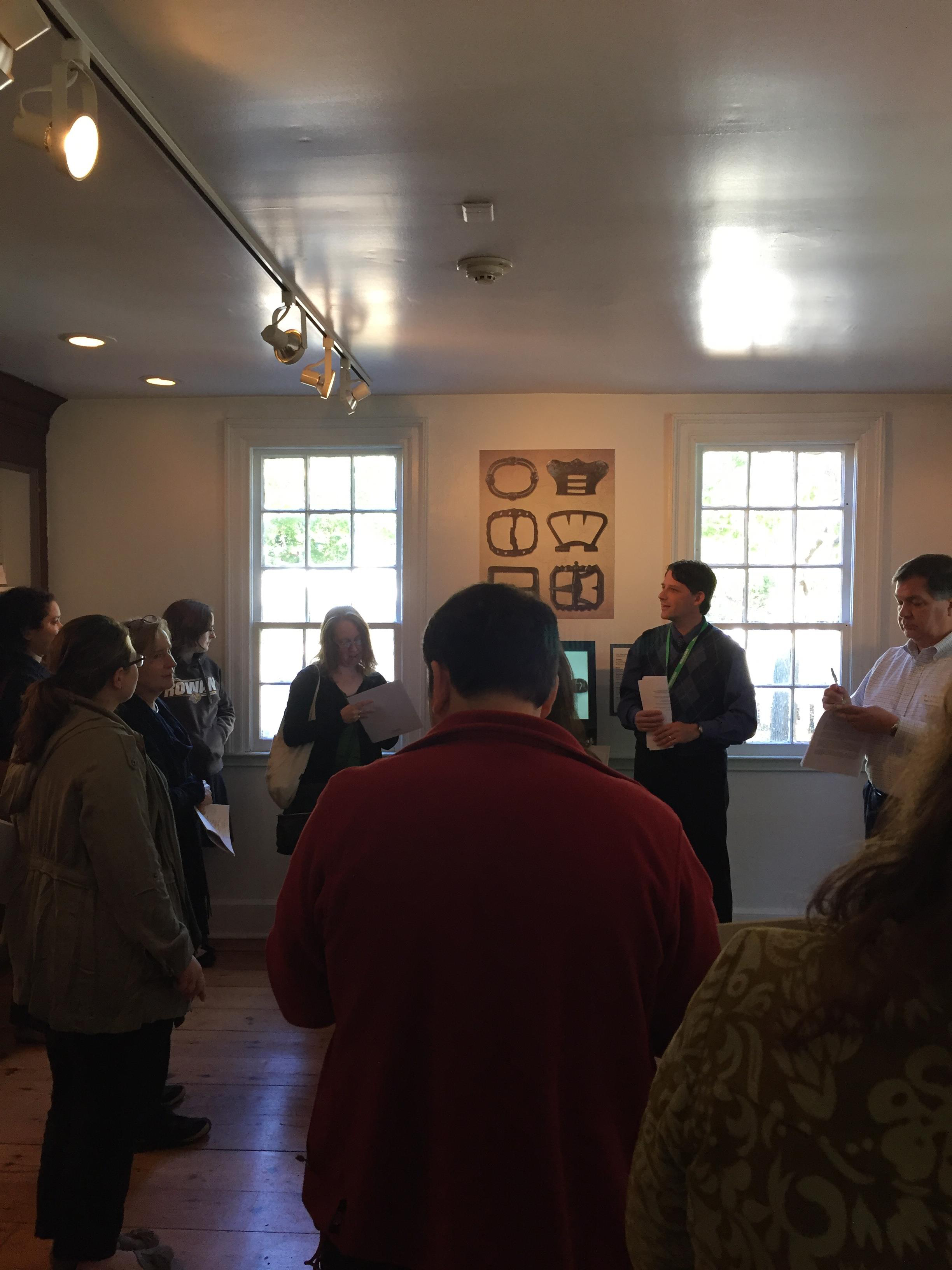
    The group conducts a facilities assessment of Old Town Village.
    The group conducts a facilities assessment of Old Town Village.
    • A communication plan
    • Emergency procedures
    • Facilities plans
    • Resources lists
    • Holding priorities
    • Insurance information
    • Response procedures
    • Evacuation plans

    As part of an exercise, the group completed a thorough facilities assessment of East Jersey’s Old Town Village, who hosted the event. This included evaluating major areas of the grounds including architecture, drainage, protection from fire and water, the HVAC system, security and more. This kind of assessment identifies vulnerabilities and proposes ways to mitigate them. Part two of the workshop will be held in late November and will cover recovery and hands-on training with damaged materials.

  • Mid-Atlantic Futures Conference Report

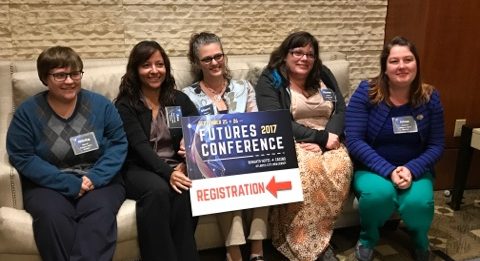
    • Irina Radeva (r) and SC&I scholarship recipients.

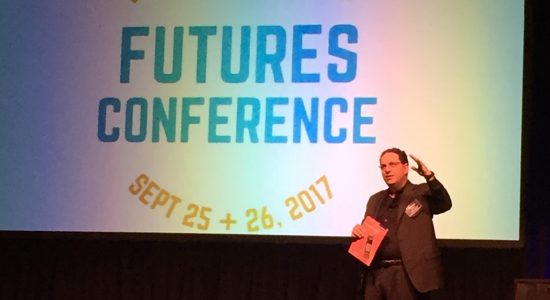
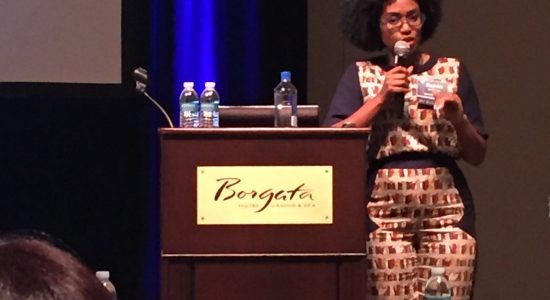
    Last week, I attended the Mid-Atlantic Futures Conference held in Atlantic City, NJ. Four other School of Communication and Information students and I attended this exciting two-day event thanks to a scholarship provided by the Library and Information Science Department and were accompanied by two SC&I instructors, Dr. Ross Todd and Dr. Joyce Valenza. The gathering was a great way to come together with like-minded library professionals and discover how libraries can thrive in a world full of ever-changing technology and vast information.

    The main question posed by the conference was, “How do we predict the future?” Among those trying to answer were keynote speakers Kevin Mitnick, the most elusive computer hacker in history; David Pescovitz, the research director at the Institute of the Future; Nicole Baker Rosa from the Future Schools; and Rutgers’ own Dr. James Hughes, University Professor and former dean of the Edward J. Bloustein School of Planning and Public Policy. Each speaker touched on the importance of knowing what libraries are and what they stand for, as well as keeping their eyes open not for trends, but for patterns that will point to the next big thing. There was a lot of discussion about artificial intelligence and virtual and augmented reality, and how they will affect both libraries and society. Acceleration strategist Phil Bowermaster proposed that the convergence of information and society is accelerating change, while communication specialist Rakia Reynolds shared a communication strategy that is both noticeable and disruptive.  Finally, Cindy Ball from Oculus Rift gave a demonstration of a virtual reality future that may be much closer than we think.

    So, how do we predict the future? We create it–with knowledge and imagination.

    I would like to thank Lilia Pavlovsky, director of the Master of Information program, who facilitated this opportunity for me, as well as Andy Martinez and Janet Croft for giving me approval to attend.